
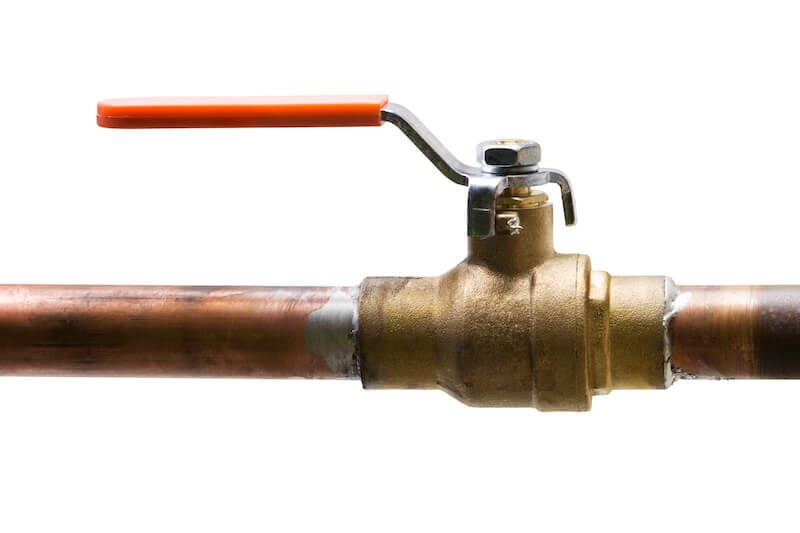
In industrial applications, selecting the right valve type is crucial for optimal system performance, operational efficiency, and long-term reliability. Two fundamental valve categories that engineers and procurement professionals frequently encounter are quarter turn and compression valves. Understanding the key differences between these valve types enables informed decision-making and ensures proper application in various industrial processes.
Understanding Quarter Turn Valves
Quarter turn valves operate through a 90-degree rotation mechanism, moving from fully open to fully closed position with a simple quarter turn of the actuator. This design category includes ball valves, butterfly valves, and plug valves, each offering distinct advantages for specific applications.
The primary benefit of quarter turn valves lies in their rapid operation capability. Industrial processes requiring quick shut-off or flow control benefit significantly from the instantaneous response these valves provide. Manufacturing facilities, chemical processing plants, and water treatment systems often rely on quarter turn valves for emergency shut-off applications where response time is critical.
Quarter turn valves typically feature fewer moving parts compared to their multi-turn counterparts, resulting in reduced maintenance requirements and improved reliability. The simplified internal mechanism translates to lower operational costs and extended service life, making them an economical choice for many industrial applications.
Compression Valve Fundamentals
Compression valves, also known as multi-turn valves, operate through a threaded stem mechanism that requires multiple rotations to move between open and closed positions. Gate valves, globe valves, and needle valves represent common compression valve types used across various industries.
The gradual opening and closing action of compression valves provides precise flow control capabilities. This characteristic makes them ideal for applications requiring fine-tuned flow regulation, such as steam systems, hydraulic applications, and processes where throttling control is essential.
Compression valves excel in high-pressure applications due to their robust construction and metal-to-metal seating arrangements. The threaded stem design distributes operating forces evenly, enabling these valves to handle extreme pressure conditions while maintaining reliable sealing performance.
Key Operational Differences
The most apparent difference between quarter turn and compression valves lies in their actuation methods. Quarter turn valves achieve full stroke with a 90-degree rotation, while compression valves require multiple turns to complete their operating cycle. This fundamental difference impacts installation space requirements, operator ergonomics, and automation compatibility.
Response time represents another critical distinction. Quarter turn valves provide immediate response to control signals, making them suitable for applications requiring rapid system response. Compression valves offer slower, more controlled operation, which proves advantageous in systems where gradual flow changes prevent hydraulic shock or pressure surges.
Flow Characteristics and Control
Quarter turn and compression valves exhibit different flow characteristics that influence their suitability for specific applications. Quarter turn valves typically provide linear flow characteristics, with flow rate proportional to valve position. This relationship simplifies system design and control algorithm development.
Compression valves often demonstrate equal percentage flow characteristics, where equal increments of valve travel produce equal percentage changes in flow rate. This characteristic provides superior control resolution at low flow rates, making compression valves preferable for applications requiring precise flow modulation.
The internal flow path design also differs significantly between these valve types. Quarter turn valves generally offer unobstructed flow passages when fully open, minimizing pressure drop and reducing energy costs. Compression valves may introduce flow restrictions due to their internal geometry, but this design often enhances mixing and provides better shut-off capabilities.
Maintenance and Reliability Considerations
Maintenance requirements vary considerably between quarter turn and compression valves. Quarter turn valves typically require less frequent maintenance due to their simplified design and reduced number of wear points. The quarter turn mechanism experiences minimal sliding friction during operation, extending component life and reducing maintenance intervals.
Compression valves require more regular attention, particularly regarding stem packing and seat maintenance. The threaded stem mechanism experiences continuous sliding contact during operation, potentially leading to wear and requiring periodic adjustment or replacement. However, compression valves often provide superior repairability, with many components accessible for in-line maintenance.
Application Selection Guidelines
Selecting between quarter turn and compression valves depends on specific application requirements, system parameters, and operational priorities. Quarter turn valves suit applications prioritizing rapid response, minimal maintenance, and energy efficiency. Emergency shut-off systems, automated processes, and high-cycle applications typically benefit from quarter turn valve implementation.
Compression valves prove advantageous in applications requiring precise flow control, high-pressure capabilities, and superior shut-off performance. Steam systems, high-pressure hydraulics, and processes requiring throttling control often utilize compression valves for optimal performance.
Cost Considerations
Initial procurement costs vary between quarter turn and compression valves, with factors including size, materials, and pressure ratings influencing pricing. Quarter turn valves often provide lower total cost of ownership due to reduced maintenance requirements and longer service intervals.
Compression valves may require higher maintenance investment but can offer superior performance in demanding applications, potentially justifying higher operational costs through improved process control and reliability.
Understanding the fundamental differences between quarter turn and compression valves enables industrial professionals to make informed decisions that optimize system performance, minimize operational costs, and ensure reliable long-term operation. Each valve type offers distinct advantages that align with specific application requirements and operational priorities.
Contact us today to request a quote or speak with an expert!