
Recommended valve operation and maintenance are essential to ensuring reliable system performance, preventing unplanned downtime, and protecting personnel and equipment. The following best practices support a disciplined approach to valve safety in any industrial environment, always consult local laws and regulatory compliance.
Organizations seeking deeper technical proficiency should consider formal training in safety valve operation and maintenance, contact factory for additional details.

Everlasting Boiler Blow-down Valves fully Meet the Requirements of ASME Boiler and Pressure Vessel
Code Section 1: Power Boilers and ANSI B31.1: Power Piping Code.
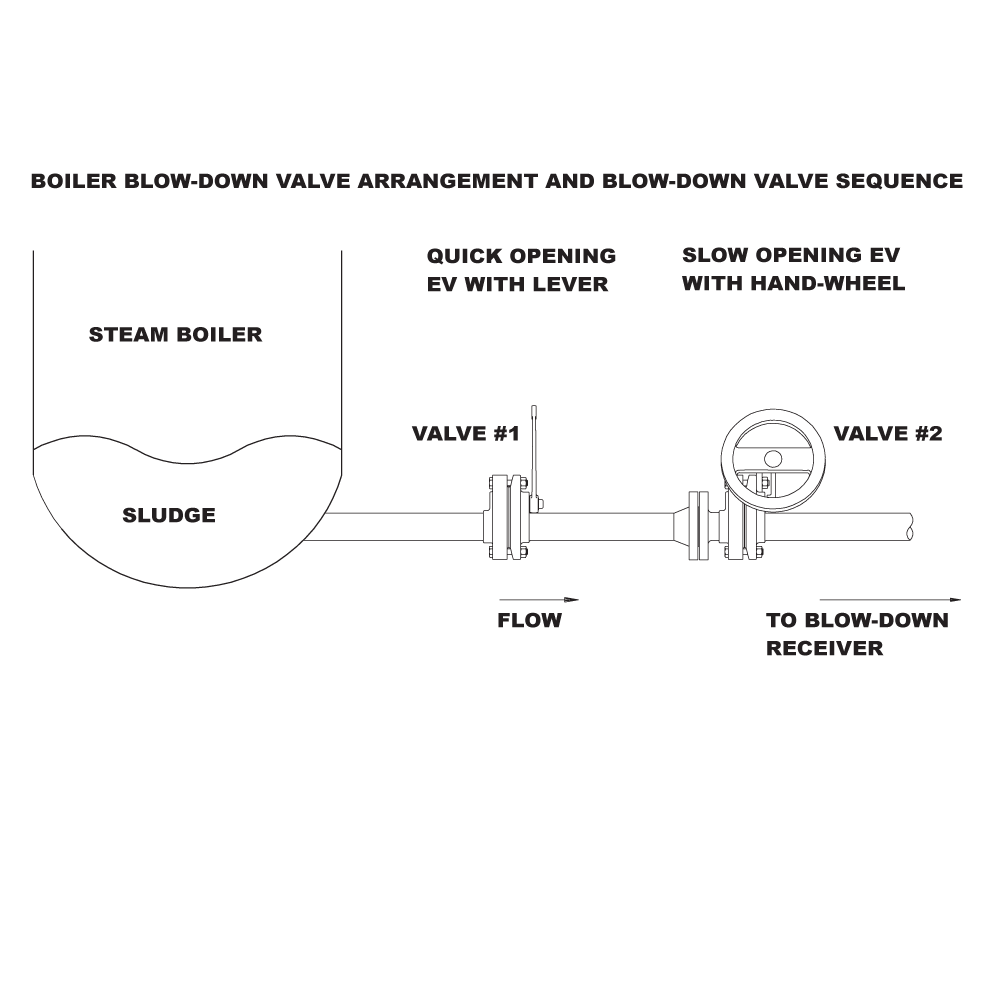
The quick opening valve is located adjacent to the boiler – installed so flow is behind the disc. The slow opening “blow-down” valve is installed so flow is behind the disc.
Note: Correct valve operation prevents boiler shock while opening and closing, please follow all local compliance and regulatory standards as applicable.

Safety valves serve as the final safeguard in a pressurized system by automatically relieving excess pressure when operating limits are exceeded. A properly functioning safety valve protects against equipment damage, process disruption, and catastrophic overpressure events.
Implement a structured inspection and maintenance schedule to verify correct valve operation. Key activities include:
Regular maintenance ensures optimal performance and extends service life.


Correct installation reduces ongoing maintenance needs and improves safety. Valves should be:
Following proper installation practices helps maintain reliable long-term performance.
Working around pressurized systems requires strict adherence to PPE protocols. Personnel should wear gloves, face shields or goggles, protective footwear, and hard hats to reduce the risk of injury during valve operation or maintenance activities.


Always refer to the valve manufacturer’s installation, operation, and maintenance instructions. These guidelines ensure correct setup, proper adjustment, and safe operation throughout the valve’s lifecycle.
Routinely verify operating conditions using calibrated gauges and monitoring systems. Maintaining pressure and temperature within the valve’s rated limits helps prevent premature wear and hazardous failure modes.


Perform formal audits and inspections to ensure compliance with applicable safety standards, regulatory requirements, and industry best practices. Audits help identify improvement opportunities before issues escalate to safety or reliability risks.
Consistent adherence to these practices ensures safe, reliable, and long-lasting valve performance across industrial applications. Organizations seeking deeper technical proficiency should consider formal training in safety valve operation and maintenance.