
Valves Used in Oil and Gas Processing: A Severe Service Guide
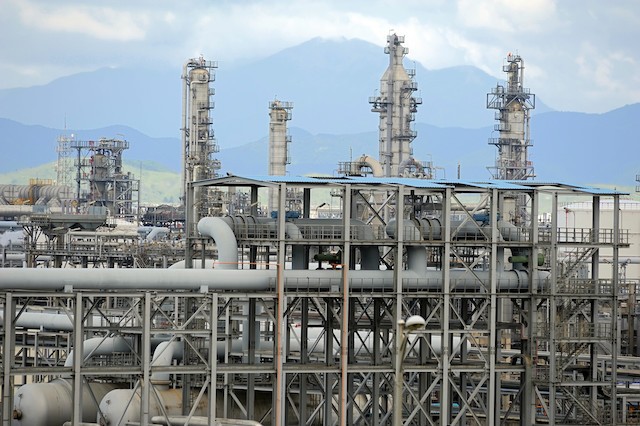
Valves used in oil and gas processing carry more of the plant's reliability numbers than most people outside the unit realize. Every isolation point, every catalyst withdrawal, every boiler blowdown line, and every coker feed feeds the same metrics...

Synthetic Oil From Natural Gas: GTL Valve Applications
Producing synthetic oil from natural gas puts valves through two of the harshest environments in the process industries: syngas generation and Fischer-Tropsch synthesis. Outlet temperatures near 2,000°F, catalyst fines that behave like sandpaper,...

Improving Cement Plant Reliability with Proper Valve Design in Preheater Towers and FK Pumps
Cement plant reliability depends heavily on the performance of critical valve equipment in two particularly demanding applications: preheater tower gas handling and Fuller-Kinyon (FK) pump cement transfer systems. Both environments present unique...

Abrasion-Resistant Valve Solutions for Cement Silo Transfer and Pack House Operations
Cement manufacturing and handling operations expose valve equipment to some of the most abrasive conditions in industrial processing. The combination of fine, angular particles moving at high velocities creates erosion rates that can destroy...

Why Self-Cleaning Valve Designs Matter in Coke Oven and Converter Gas Systems
Coke production and steel converter operations generate gas streams laden with tar, dust, and particulates that rapidly foul conventional valve equipment. Traditional valve designs with complex internal geometries create numerous surfaces where...

Valve Solutions for Blast Furnace and BOF Applications: Managing Dust, Heat, and Converter Gas
Steel production facilities present some of the most challenging environments for valve equipment in industrial operations. Blast furnaces and Basic Oxygen Furnaces (BOFs) expose valves to extreme temperatures, abrasive particulates, and corrosive...

Selecting Valves for Molten Sulfur and Tail Gas Isolation in Sulfur Recovery Units (SRUs)
Sulfur Recovery Units (SRUs) represent some of the most demanding environments in refinery and gas processing operations. With process temperatures exceeding 600°F, corrosive acid gases, and the presence of molten sulfur, selecting the right...
High-Temperature Valve Design Considerations for Reforming Units and CCR Loops
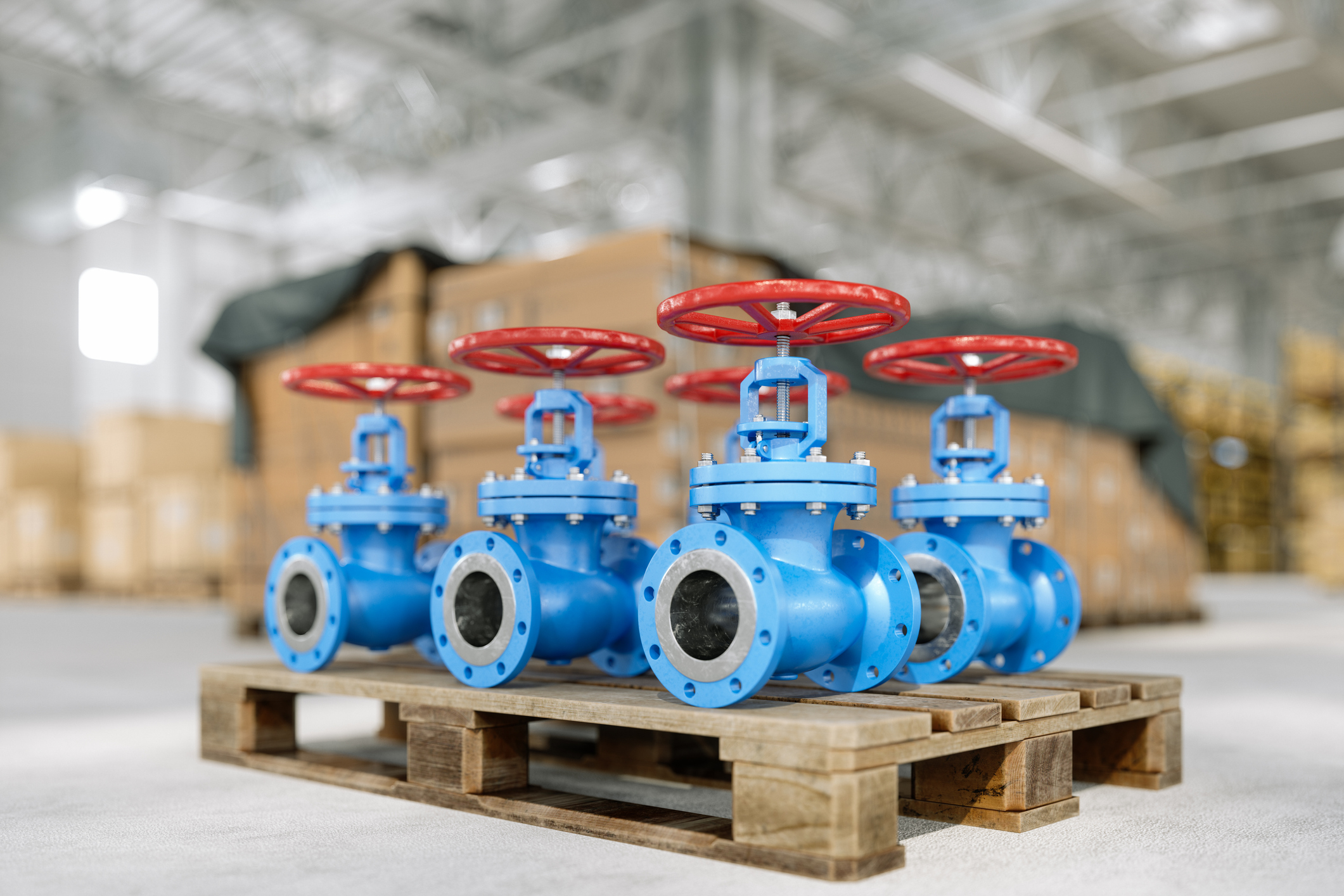
Catalytic reforming units and Continuous Catalyst Regeneration (CCR) loops operate at some of the highest temperatures found in refinery processing, regularly exceeding 950°F during normal operations, CCR loops are lower requiring specialty valves...

Valve Seat Lapping Machines: How They Work and Why It Matters
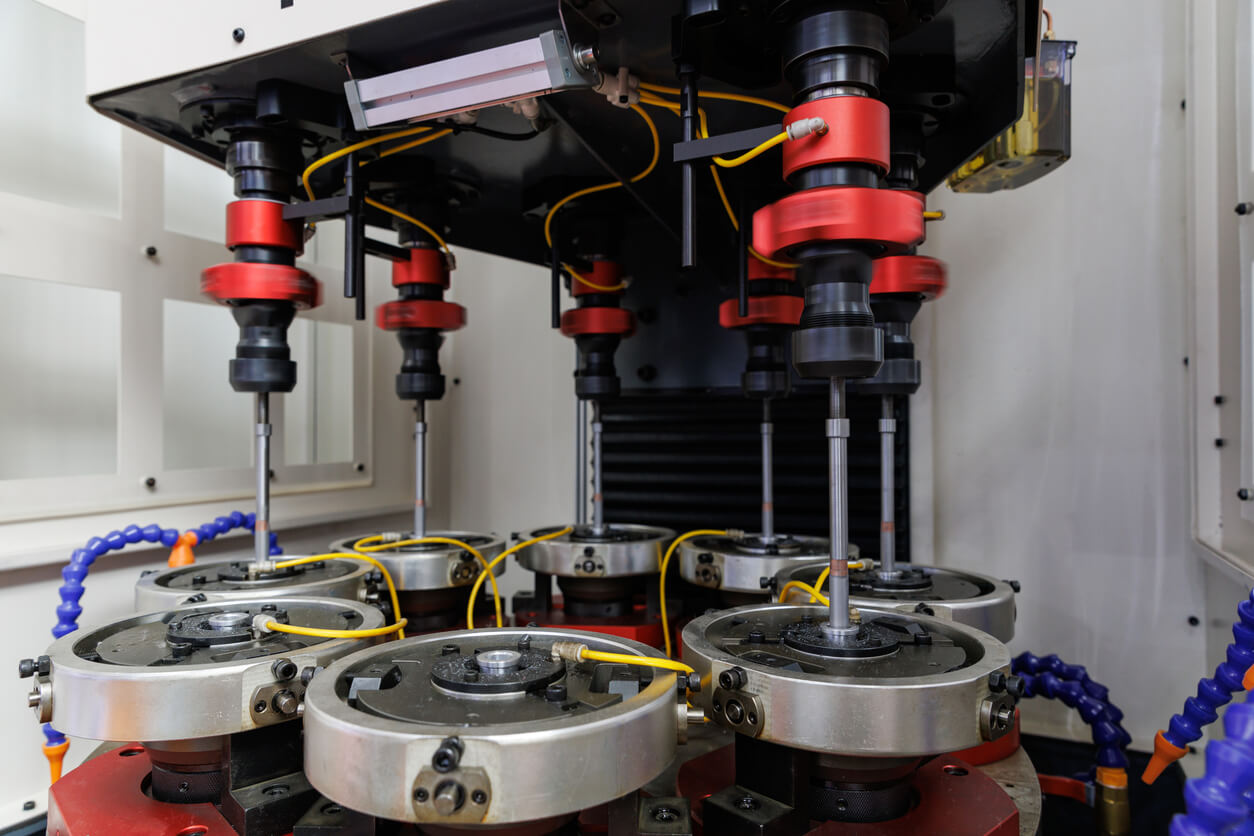
Precision sealing surfaces determine whether industrial valves perform reliably or become sources of leakage, process inefficiency, and safety concerns. The interface between valve seats and discs must achieve near-perfect contact to prevent fluid...
Reducing Valve Downtime: Cost of Downtime in Manufacturing
Every minute a production line sits idle translates directly to lost revenue, missed delivery commitments, and increased operational costs. For manufacturing facilities, unplanned equipment failures represent one of the most significant threats to...