
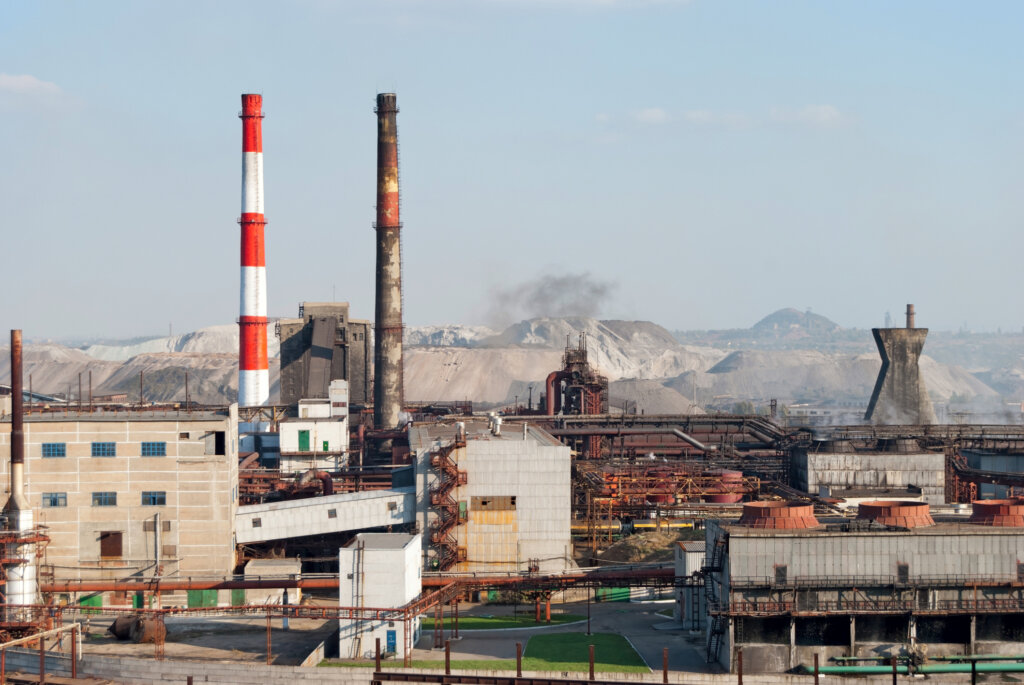
- The Fouling Challenge in Coke Oven Gas
- Converter Gas Fouling Mechanisms
- How Self-Cleaning Designs Overcome Fouling
- Material and Surface Treatment Considerations
- Operational Benefits and Cost Implications
- Application-Specific Considerations
- Implementing Self-Cleaning Technology
- Frequently Asked Questions
- Frequently Asked Questions
Key Takeaways
- Conventional valve designs with internal cavities and complex flow paths provide numerous locations for tar and particulate accumulation that leads to binding and seal failure in coke oven and converter gas service.
- Self-cleaning valves use rotating disc motion to continuously wipe sealing surfaces during operation, preventing the buildup that causes conventional valve failures.
- Proper material selection including hard-faced seats and corrosion-resistant alloys maximizes self-cleaning effectiveness while providing wear resistance against abrasive particulates.
- Operational benefits include 3-5x longer service intervals, reduced fugitive emissions, and elimination of emergency failures compared to conventional valve designs in fouling applications.
- Full-bore flow paths in self-cleaning designs not only prevent fouling accumulation but also minimize pressure drop, providing energy savings throughout the valve’s extended service life.
Coke production and steel converter operations generate gas streams laden with tar, dust, and particulates that rapidly foul conventional valve equipment. Traditional valve designs with complex internal geometries create numerous surfaces where sticky residues accumulate, leading to binding, seal failure, and costly unplanned maintenance. Understanding why self-cleaning valve technology delivers superior performance in these challenging applications can significantly improve operational reliability and reduce lifecycle costs.
The Fouling Challenge in Coke Oven Gas
Coke ovens produce valuable gas as a byproduct of coal carbonization, but this gas exits the oven battery at temperatures up to 1,400°F carrying significant quantities of tar, naphthalene, benzene, and coal dust. As temperatures drop in downstream piping and equipment, these compounds condense and solidify on any available surface, creating sticky deposits that interfere with valve operation.
Traditional gate valves suffer particularly from this fouling mechanism. The wedge design creates a cavity between the gate and body when in the open position, providing an ideal location for tar accumulation. As deposits build, the gate becomes progressively more difficult to close, eventually binding completely or failing to achieve tight shutoff due to material trapped on sealing surfaces.
Common Fouling Locations in Conventional Valves:
- Wedge-to-body cavity spaces in gate valve designs
- Plug-to-body gaps in plug valve configurations
- Disc guide slots and stem packing areas
- Bonnet interior surfaces and seal pockets
- Threads and fastener recesses exposed to process media
Globe valves fare no better, as their tortuous flow path creates multiple dead zones where materials settle and accumulate. The horizontal seating orientation allows particulates to rest directly on the sealing surface, while the restricted flow area increases velocity and turbulence that can actually drive contaminants into critical clearances.
Converter Gas Fouling Mechanisms
Basic Oxygen Furnace converter gas presents similar but even more aggressive fouling challenges. This gas stream carries iron oxide dust at extremely high temperatures, creating deposits that can rapidly cement valve internals into non-functional assemblies. The intermittent nature of converter operations compounds the problem, as material that remains molten during active gas production solidifies during idle periods.
The dust loading in converter gas can exceed several grams per cubic meter, representing an enormous quantity of abrasive material passing through valve equipment. Even with upstream cyclones and scrubbers, sufficient particulate remains to cause rapid wear and buildup on valve components. The combination of abrasion and deposition creates a particularly damaging environment that few valve designs can tolerate.
Temperature variations during converter cycling create additional complications. As gases cool between blowing cycles, materials that were vapor or molten droplets solidify into hard deposits. When the next heat begins and temperatures rise, these deposits may partially remelt, creating semi-plastic masses that can be forced into sealing surfaces, permanently damaging seat flatness and shutoff capability.
How Self-Cleaning Designs Overcome Fouling
Self-cleaning valves employ mechanical actions that continuously remove deposits from sealing surfaces during normal operation, preventing the accumulation that plagues conventional designs. The most effective implementations use rotating disc technology, where a disc element sweeps across the seat face with every operation, wiping away any material that has settled since the last cycle.
This wiping action serves multiple purposes beyond simple cleaning. It burnishes sealing surfaces, helping maintain flatness and smoothness that conventional designs lose as deposits build and are scraped away irregularly. The continuous removal of material prevents the hardening and cementing that occurs when deposits remain undisturbed for extended periods. The result is maintained sealing performance throughout the valve’s service life rather than progressive degradation.
Key Self-Cleaning Design Elements:
- Rotating disc motion that sweeps sealing surfaces with each operation
- Full-bore flow paths without internal pockets or dead zones
- Streamlined body geometry that minimizes surface area exposed to fouling
- Renewable hard-faced seats that can be refinished without valve replacement
- Quarter-turn actuation that reduces cycle time and exposure to fouling conditions
The geometry of self-cleaning valve designs contributes significantly to their anti-fouling performance. By eliminating the cavities and pockets inherent to gate and plug valve designs, there are simply fewer locations where material can accumulate. The full-bore opening in the fully open position creates straight-through flow with minimal turbulence and no recirculation zones that promote settling.
Material and Surface Treatment Considerations
Even with optimal geometry, material selection and surface treatment play crucial roles in maximizing self-cleaning effectiveness. Sealing surfaces with properly applied hard-facing resist the embedding of abrasive particles that can create rough textures where fouling accelerates. The specific hard-facing alloy must be selected based on the particular fouling materials encountered.
For tar-laden coke oven gas, cobalt-based Stellite alloys provide excellent resistance to both wear and chemical attack. These materials maintain smooth surfaces that shed deposits more readily than rougher alternatives. The application technique matters as much as the alloy selection, with properly controlled welding parameters producing dense, crack-free deposits that resist penetration by fouling materials.
Converter gas applications often benefit from tungsten carbide or ceramic seat materials that offer superior hardness and thermal shock resistance. These materials can withstand the abrasive action of iron oxide dust while maintaining dimensional stability through extreme temperature cycling. The trade-off is typically higher initial cost and more complex manufacturing processes, justified by extended service life in the most severe applications.
Operational Benefits and Cost Implications
The operational advantages of self-cleaning valve technology extend well beyond simple maintenance reduction. Maintained sealing performance means fewer fugitive emissions, helping facilities meet increasingly stringent environmental regulations. Reliable operation reduces the frequency of emergency shutdowns, protecting production schedules and revenue.
Maintenance cost comparisons typically show dramatic differences over the valve lifecycle. Conventional valves in coke oven gas service may require teardown and cleaning every 6-12 months, with replacement often necessary after 2-3 years. Self-cleaning designs routinely operate 5-7 years between major overhauls, with some installations exceeding 10 years in continuous service.
The reduced maintenance burden also impacts safety and staffing requirements. Less frequent valve work means reduced exposure to hot, hazardous process conditions for maintenance personnel. The predictable nature of maintenance intervals allows better planning and resource allocation compared to emergency repairs triggered by fouling-related failures.
Application-Specific Considerations
While self-cleaning valve designs offer clear advantages in fouling-prone applications, optimal selection requires consideration of specific service conditions. Cycle frequency affects cleaning effectiveness—valves that operate regularly benefit most from wiping action, while valves that remain static for extended periods may still experience some fouling despite self-cleaning features.
Gas temperature at the valve location influences both fouling severity and material selection requirements. Valves positioned upstream of cooling and scrubbing equipment face more aggressive conditions than those handling cleaned gas. Understanding the complete process context helps optimize valve placement and specification for maximum reliability.
Pressure drop considerations may favor full-bore self-cleaning designs in applications where system capacity is critical. The streamlined flow path typical of these designs minimizes energy losses compared to restricted-trim conventional valves, potentially offsetting their higher initial cost through operational savings.
Implementing Self-Cleaning Technology
Successful implementation of self-cleaning valve technology requires more than simply replacing conventional valves with rotating disc designs. Proper installation, including adequate support and alignment, ensures that the self-cleaning mechanism functions as designed. Actuation systems must provide sufficient torque to overcome any residual friction from minor deposits that may form between operations.
Maintenance procedures should take advantage of the renewable seat features typical of self-cleaning designs. Rather than waiting for complete failure, scheduled seat refurbishment during planned outages can effectively provide unlimited valve life. This proactive approach contrasts sharply with the reactive maintenance cycle common with conventional valves in fouling service.
Everlasting Valve pioneered the application of rotating disc technology in coke oven and converter gas service, with thousands of installations demonstrating the dramatic reliability improvements possible with proper self-cleaning design. Our experience across diverse applications provides valuable insights for optimizing valve selection and placement in these challenging environments.
Contact us today to request a quote or speak with an expert!
Frequently Asked Questions
Well-designed self-cleaning valves typically operate 5-7 years between major overhauls in coke oven gas applications, compared to 6-12 months for conventional gate valves in the same service.
Yes, with appropriate material selection—converter gas may require upgraded seat materials like tungsten carbide to handle higher temperatures and more abrasive dust compared to coke oven gas service.
Quarter-turn actuation with adequate torque capacity is standard, but no special equipment is required beyond proper sizing to overcome any residual friction from service conditions.
Self-cleaning valves typically cost 1.5-2x more initially, but lifecycle cost analysis shows 50-70% savings through reduced maintenance, extended life, and avoided downtime in fouling applications.
While optimal cleaning occurs with regular operation, the streamlined geometry and lack of internal pockets still provides superior fouling resistance compared to conventional designs even with infrequent cycling.