
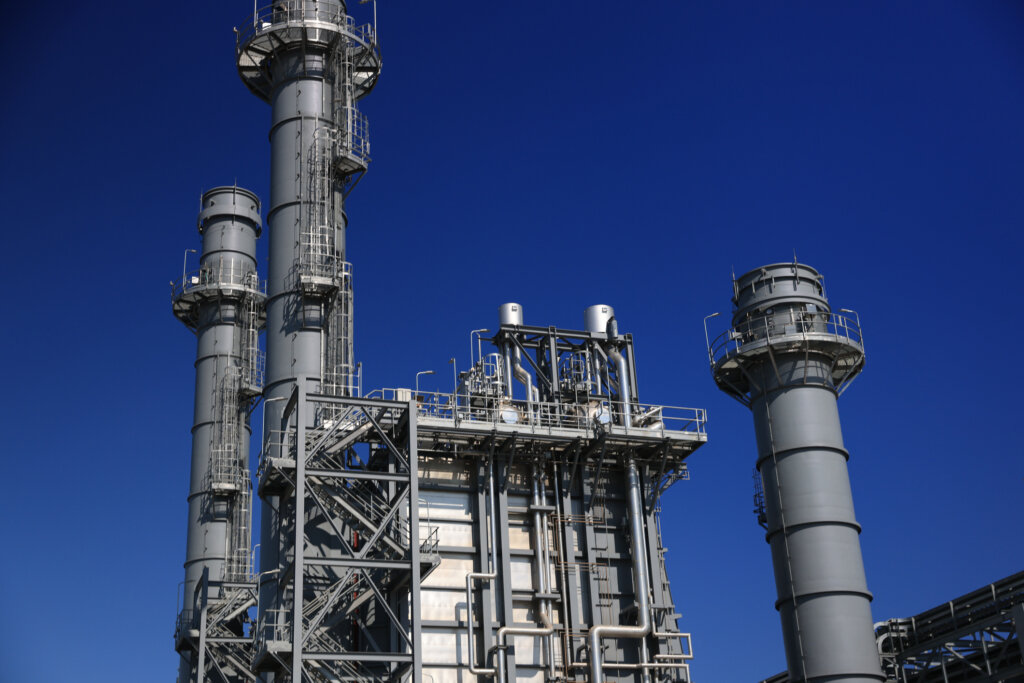
- Preheater Tower Operating Conditions
- FK Pump Application Requirements
- Design Requirements for Preheater Service
- Material Selection for Temperature and Abrasion
- FK Pump Valve Specifications
- Sealing Technology for Dual Challenges
- Operational Considerations and Best Practices
- Economic Impact of Proper Valve Selection
- Implementing Reliability Improvements
- Frequently Asked Questions
- Frequently Asked Questions
Key Takeaways
- Preheater tower valves must withstand temperatures up to 1,800°F and heavy dust loading while maintaining tight shutoff for equipment isolation, requirements that defeat conventional gate valve designs.
- FK pump discharge valves face severe erosion from high-velocity cement particles, requiring full-bore designs with hard-faced seats to achieve acceptable service life in pneumatic conveying service.
- Extended bonnets with proper thermal management keep packing zones below 400°F in preheater applications, dramatically extending seal life and reducing fugitive emissions compared to standard designs.
- Renewable seat technology enables indefinite valve life through periodic refurbishment rather than complete replacement, reducing lifecycle costs by 50-70% compared to conventional valves in cement service.
- Unplanned valve failures in critical applications can cost $50,000-$100,000 per day in lost production, making premium valve solutions economically justified through improved reliability alone.
Cement plant reliability depends heavily on the performance of critical valve equipment in two particularly demanding applications: preheater tower gas handling and Fuller-Kinyon (FK) pump cement transfer systems. Both environments present unique challenges that conventional valve designs struggle to address, leading to frequent failures, unplanned maintenance, and costly production disruptions. Understanding the specific requirements of these applications and implementing properly engineered isolation valves dramatically improves plant uptime and reduces lifecycle costs.
Preheater Tower Operating Conditions
Modern cement production relies on multi-stage preheater towers to improve thermal efficiency by recovering heat from kiln exhaust gases. Raw meal enters at the top of the tower and cascades downward through multiple cyclone stages, while hot gases flow upward at temperatures ranging from 600°F to 1,800°F. This countercurrent exchange preheats the raw meal before it enters the kiln, but creates a harsh environment for valve equipment.
The gas stream ascending through preheater towers carries significant dust loading, typically 50-150 grams per cubic meter of fine raw meal particles. This material has not yet undergone the sintering process that occurs in the kiln, leaving it as loose, abrasive dust that readily accumulates on any available surface. Combined with the extreme temperatures, this particulate loading creates conditions that rapidly defeat conventional valve sealing mechanisms.
Preheater Valve Service Challenges:
- Operating temperatures from 600°F to 1,800°F depending on tower location
- Heavy dust loading of abrasive raw meal particles
- Thermal cycling during kiln startups, shutdowns, and upsets
- Requirement for tight shutoff to enable equipment isolation
- Exposure to sulfur compounds and alkalis that accelerate corrosion
Bypass dampers and isolation valves in preheater service must function reliably after extended exposure to these conditions. Failure to achieve tight shutoff prevents proper isolation for maintenance, forcing extended plant outages while entire sections cool enough for safe entry. The economic impact of a single stuck or leaking preheater valve can easily exceed six figures through lost production time.
FK Pump Application Requirements
Fuller-Kinyon pumps provide reliable, controlled cement transfer through pneumatic conveying principles, using a screw feeder to introduce material into a high-velocity air stream. Isolation valves on FK pump discharge lines face the combined challenges of abrasive cement particles moving at high velocity, pressure differentials up to 25 psi, and the need for frequent operation during normal plant operations.
The intermittent cycling typical of FK pump operations introduces additional complexity. Valves that remain static for extended periods may experience cement buildup that interferes with seating, while frequent operation accelerates wear on sealing surfaces and actuator components. The balance between these competing degradation mechanisms requires careful consideration in valve selection and maintenance planning.
Temperature variations affect FK pump valve performance, particularly in facilities handling hot cement from storage silos. While less extreme than preheater temperatures, cement temperatures of 180-220°F still challenge many seal materials and can cause thermal expansion issues in improperly designed valve assemblies. Proper material selection and design accommodation for thermal effects prevent binding and seal degradation.
Design Requirements for Preheater Service
Successful valve designs for preheater tower applications must address multiple failure modes simultaneously. High-temperature capability requires extended bonnets to reduce packing zone temperatures, specialized gasket materials to maintain joint integrity, and structural materials that resist creep deformation during continuous exposure to elevated temperatures.
The dust-laden gas stream demands streamlined internal geometry that resists plugging and buildup. Conventional gate valves with their wedge-and-seat cavities provide ideal locations for material accumulation, leading to binding and seal failure. Rotating disc designs offer significant advantages through their wiping action and full-bore flow paths that minimize particle settling and buildup.
Critical Preheater Valve Design Features:
- Extended bonnets to maintain packing temperatures below 400°F
- Streamlined flow paths without internal pockets for dust accumulation
- Hard-faced sealing surfaces to resist erosion from abrasive particles
- Metal-seated designs rated for continuous high-temperature service
- Purge connections for periodic cleaning with compressed air
Actuator protection becomes essential in preheater applications. The combination of high ambient temperatures and radiant heat from hot surfaces can quickly destroy standard pneumatic actuators unless properly shielded and cooled. Extended mounting brackets, heat shields, and forced air cooling systems help maintain actuator temperatures within acceptable limits while ensuring maintenance accessibility.
Material Selection for Temperature and Abrasion
Material compatibility in preheater service requires balancing high-temperature strength with abrasion resistance and cost considerations. Carbon steel bodies may provide adequate service in lower-temperature portions of the preheater system, but applications above 800°F typically demand upgraded alloys to prevent creep deformation and maintain structural integrity.
Chrome-moly alloys such as F11 and F22 offer improved elevated-temperature properties compared to carbon steel, with acceptable performance up to approximately 1,000°F and 1,100°F respectively. For the highest temperature applications near the kiln inlet, austenitic stainless steels or high-nickel alloys may be required to ensure adequate long-term strength and oxidation resistance.
Internal trim materials must address both temperature and abrasion challenges. Cobalt-based hard-facing alloys like Stellite provide excellent wear resistance and maintain hardness at elevated temperatures. For the most severe erosion conditions, tungsten carbide or ceramic inserts offer superior abrasion resistance, though their brittle nature requires careful integration into designs that accommodate thermal expansion and mechanical stresses.
FK Pump Valve Specifications
Isolation valves for FK pump discharge service prioritize erosion resistance while maintaining reliable sealing against the system’s operating pressure. The pneumatic conveying velocities in FK pump discharge lines typically range from 60-90 feet per second, creating substantial erosion potential that conventional valve internals cannot withstand.
Full-bore valve designs provide the optimal solution for FK pump applications by minimizing flow restriction and maintaining particle velocity at manageable levels. Restricted-trim conventional valves create high-velocity jets that dramatically accelerate erosion, often failing within months in severe applications. The pressure drop across valves also impacts overall system capacity and energy consumption, favoring low-resistance designs.
Cycling frequency in FK pump service affects both erosion and mechanical wear patterns. Valves that cycle multiple times per hour experience different degradation than those that operate occasionally. High-cycle applications may benefit from reduced-torque designs that minimize actuation wear, while infrequent operation suggests focusing on erosion resistance and sealing reliability.
Sealing Technology for Dual Challenges
Achieving reliable sealing in both preheater and FK pump applications requires moving beyond conventional approaches. Soft-seated designs fail rapidly when exposed to abrasive particles and elevated temperatures. Traditional metal-to-metal seats provide better temperature capability but often cannot achieve the tight shutoff required for effective isolation without precise maintenance.
Advanced sealing systems incorporate renewable hard-faced seats that combine durability with maintainability. These designs allow periodic seat refurbishment through surfacing operations rather than complete valve replacement, dramatically reducing lifecycle costs. The ability to restore sealing surfaces extends effective valve life essentially indefinitely with proper maintenance.
Low-emission packing systems designed for high-temperature and abrasive service help facilities maintain environmental compliance while extending maintenance intervals. Live-loaded packing configurations use spring washers or belleville assemblies to maintain compression as thermal cycling causes expansion and contraction. This continuous loading helps prevent the fugitive emissions that occur when conventional packing loses compression.
Operational Considerations and Best Practices
Proper installation establishes the foundation for reliable valve performance in cement plant applications. Adequate piping support prevents valve bodies from carrying pipe loads that can cause misalignment and binding. Proper actuator sizing with torque margin accommodates increased friction as wear progresses, ensuring reliable operation throughout the valve’s service life.
Heat tracing and insulation strategies require careful engineering in preheater applications. While valve bodies must withstand process temperatures, actuators and external components need protection from excessive heat. Selective insulation that maintains body temperatures while cooling external areas helps optimize performance and component longevity.
Maintenance procedures should leverage the renewable seat features of modern valve designs. Rather than operating valves until failure occurs, scheduled seat refurbishment during planned outages provides consistent performance and predictable maintenance costs. This proactive approach contrasts sharply with reactive maintenance that responds to failures as they occur.
Maintenance Best Practices:
- Conduct regular visual inspections for external wear indicators
- Monitor actuator performance for signs of increased friction or torque requirements
- Schedule seat refurbishment based on cycle counts and operating conditions
- Maintain detailed records of repairs and operating history for each valve
- Stock critical spare parts including seats, packing, and actuator components
Economic Impact of Proper Valve Selection
The financial implications of valve selection in critical cement plant applications extend far beyond initial equipment cost. A preheater isolation valve failure that forces an unplanned kiln shutdown can cost $50,000-$100,000 per day in lost production, dwarfing the cost difference between standard and premium valve solutions.
Lifecycle cost analysis consistently demonstrates the economic superiority of properly engineered isolation valves despite higher initial investment. A standard gate valve costing $8,000 that requires replacement every 18 months due to thermal damage and dust accumulation generates substantial recurring costs. A premium rotating disc valve at $25,000 that operates 7-10 years with minimal maintenance delivers dramatically lower annualized costs.
The reliability improvements from proper valve selection enable more predictable maintenance planning and resource allocation. Scheduled maintenance during planned outages costs far less than emergency repairs requiring overtime labor and expedited parts delivery. The reduction in production disruptions provides additional value through improved customer service and market reputation.
Implementing Reliability Improvements
Upgrading critical valve positions in preheater towers and FK pump systems provides immediate reliability improvements and cost savings. Priority should be given to locations where failures have historically caused production disruptions or where valve access for maintenance is particularly difficult and expensive.
Everlasting Valve has extensive experience in cement plant applications, with rotating disc valve installations in preheater towers and FK pump systems worldwide. Our designs specifically address the unique combination of high temperature, abrasive conditions, and reliability requirements that challenge conventional valve technology in these critical applications.
Contact us today to request a quote or speak with an expert!
Frequently Asked Questions
Standard gate valves in preheater service typically last 2-4 years before dust accumulation and thermal damage require replacement, compared to 7-10 years for properly designed rotating disc valves.
Streamlined full-bore designs without internal pockets minimize buildup locations, while regular operation provides self-cleaning action; designs with purge connections allow compressed air cleaning when needed.
Flexible graphite packing with proper break-in procedures and live-loading maintains sealing up to 1,200°F, far exceeding the capability of PTFE and other conventional packing materials.
While minor improvements are possible through upgraded packing, the fundamental design limitations of gate valves in abrasive, high-temperature service typically make complete replacement more cost-effective than extensive modification.
Unplanned kiln shutdowns from valve failures typically cost $50,000-$150,000 depending on plant capacity and shutdown duration, with longer outages required for difficult access locations or complex repairs.