
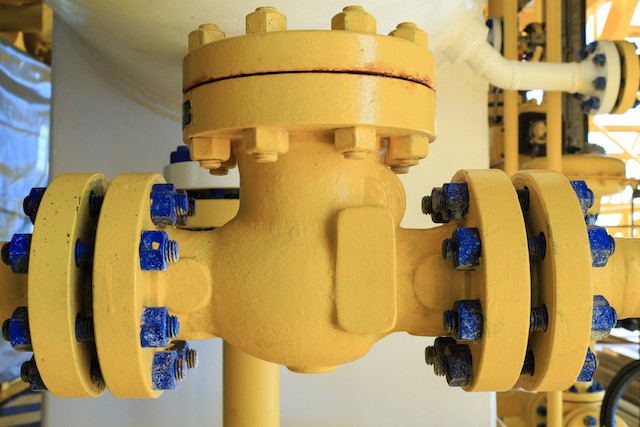
In industrial applications where dry bulk materials are transported through pneumatic conveying systems, maintaining proper flow control and preventing backflow is critical for operational efficiency and equipment protection. A dry bulk check valve serves as an essential component in these systems, ensuring unidirectional flow while withstanding the unique challenges posed by abrasive materials like cement, fly ash, sand, grain, and other particulate substances.
Understanding Dry Bulk Check Valve Functionality
A dry bulk check valve is a specialized flow control device designed specifically for handling dry particulate materials in pneumatic conveying applications. Unlike traditional check valves used in liquid systems, these valves must contend with highly abrasive materials that can cause rapid wear and potential system failures if not properly engineered.
The primary function of a dry bulk check valve is to allow material flow in one direction while preventing reverse flow, which could cause system contamination, equipment damage, or operational inefficiencies. When material flows in the intended direction, the valve opens automatically due to pressure differential. When flow stops or attempts to reverse, the valve closes, creating a seal that prevents backflow.
Key Design Features and Construction
Dry bulk check valve designs incorporate several critical features to handle the demanding conditions of pneumatic conveying systems. The valve body is typically constructed from durable materials such as carbon steel, stainless steel, or specialized alloys that can withstand constant exposure to abrasive particles.
The sealing mechanism in a dry bulk check valve often utilizes elastomeric seals or metal-to-metal seating arrangements, depending on the application requirements. These sealing surfaces must maintain their integrity despite repeated exposure to abrasive materials while providing reliable shutoff capabilities.
Many dry bulk check valve designs feature streamlined internal profiles to minimize pressure drop and reduce areas where material can accumulate. This design consideration is crucial for maintaining system efficiency and preventing material buildup that could compromise valve operation.
Applications Across Industries
Dry bulk check valves find widespread use across numerous industries where pneumatic conveying systems transport particulate materials. In cement plants, these valves manage the flow of cement powder, fly ash, and other additives through complex conveying networks. The power generation industry relies on dry bulk check valves for handling coal ash, limestone, and other materials used in emission control systems.
Food processing facilities use specialized dry bulk check valves designed to meet sanitary requirements while handling grain, flour, sugar, and other food-grade materials. Chemical and pharmaceutical industries employ these valves for conveying various powdered compounds and raw materials throughout their manufacturing processes.
Mining operations utilize heavy-duty dry bulk check valves capable of handling extremely abrasive materials such as sand, crushed stone, and mineral concentrates. These applications demand valves with exceptional wear resistance and robust construction to minimize maintenance requirements and maximize operational uptime.
Critical Selection Criteria
Selecting the appropriate dry bulk check valve requires careful consideration of several key factors. Material compatibility is paramount, as the valve components must resist corrosion and wear from the specific materials being conveyed. Temperature requirements must also be evaluated, as some applications involve elevated temperatures that could affect valve performance and longevity.
Pressure ratings represent another crucial selection criterion, as pneumatic conveying systems often operate at various pressure levels. The dry bulk check valve must be rated for the maximum system pressure while maintaining reliable operation throughout the pressure range.
Size and flow capacity requirements must align with the conveying system’s design parameters to ensure adequate material handling capabilities without creating excessive pressure drops. Installation orientation and maintenance accessibility should also be considered during the selection process.
Maintenance and Performance Optimization
Proper maintenance of dry bulk check valves is essential for maintaining system reliability and extending valve service life. Regular inspection schedules should include checking sealing surfaces for wear, verifying proper valve operation, and monitoring for any signs of material accumulation or damage.
Preventive maintenance programs should incorporate periodic replacement of wear components such as seals and gaskets, particularly in highly abrasive applications. Establishing baseline performance metrics helps identify when valve performance begins to degrade, allowing for proactive maintenance interventions.
Documentation of maintenance activities and performance trends provides valuable data for optimizing maintenance schedules and identifying potential system improvements. This information can also guide future dry bulk check valve selections and system design modifications.
Advanced Technologies and Innovations
Modern dry bulk check valve designs incorporate advanced materials and manufacturing techniques to enhance performance and durability. Specialized coating technologies can provide additional protection against abrasive wear, extending valve service life in demanding applications.
Some manufacturers offer modular dry bulk check valve designs that allow for easier maintenance and component replacement without complete valve removal. These designs can significantly reduce maintenance costs and system downtime while improving overall operational efficiency.
Smart valve technologies are beginning to emerge in the dry bulk handling sector, incorporating sensors and monitoring capabilities that provide real-time performance data and predictive maintenance insights. These innovations help optimize system performance while reducing unexpected failures and maintenance costs.
Conclusion
The dry bulk check valve represents a critical component in pneumatic conveying systems, providing essential flow control and system protection capabilities. Understanding the unique requirements of dry bulk applications and selecting appropriately designed valves ensures reliable operation, minimizes maintenance requirements, and maximizes system efficiency.
As industries continue to demand higher performance and reliability from their material handling systems, the importance of properly specified and maintained dry bulk check valves will only continue to grow. Investing in quality valve solutions and implementing comprehensive maintenance programs provides long-term operational benefits and cost savings.
Contact Everlasting Valve today to discuss your project requirements.