
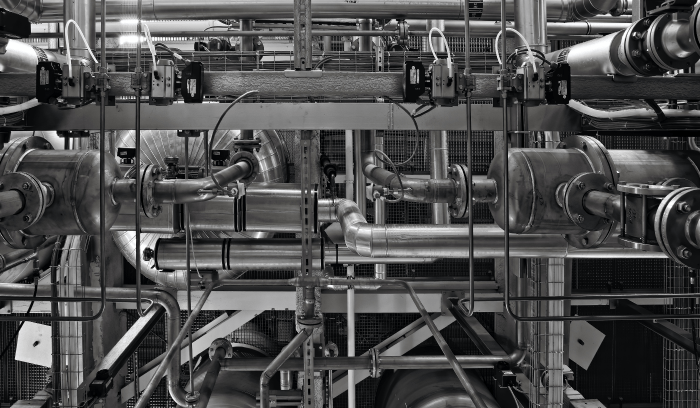
High temperature valves are critical components in industrial processes where extreme heat conditions demand reliable flow control solutions. These specialized valves must withstand temperatures that would compromise standard valve materials and designs, making them indispensable across numerous industries. Understanding the applications of high temperature valves helps engineers and plant managers select the right equipment for their specific operational requirements.
Power Generation Industry
The power generation sector represents one of the largest markets for high temperature valve applications. In coal-fired power plants, these valves control superheated steam at temperatures exceeding 1,000°F (538°C). Steam turbine applications require valves that maintain structural integrity while managing rapid temperature fluctuations during startup and shutdown cycles.
Nuclear power facilities also rely heavily on high temperature valves for reactor coolant systems and steam generator applications. These environments demand valves that not only withstand extreme temperatures but also resist radiation and maintain leak-tight performance under critical safety conditions.
Gas turbine power plants utilize high temperature valves in their combustion sections and exhaust systems, where temperatures can reach 2,000°F (1,093°C) or higher. The reliability of these valves directly impacts plant efficiency and operational availability.
Oil and Gas Refining
Petroleum refining processes involve numerous high temperature applications where specialized valves are essential. Crude oil distillation units operate at temperatures ranging from 650°F to 750°F (343°C to 399°C), requiring valves that can handle both high temperatures and corrosive hydrocarbon environments.
Catalytic cracking units, which break down heavy hydrocarbons into lighter products, operate at temperatures up to 1,000°F (538°C). The applications of high temperature valves in these units include reactor inlet and outlet control, regenerator systems, and flue gas handling.
Hydroprocessing units, including hydrotreating and hydrocracking operations, require valves capable of withstanding temperatures up to 800°F (427°C) while maintaining precise flow control in hydrogen-rich environments.
Chemical and Petrochemical Processing
Chemical manufacturing processes frequently involve high temperature reactions and separations. Steam cracking units for ethylene production operate at temperatures exceeding 1,500°F (816°C), demanding valves with exceptional thermal shock resistance and materials compatibility.
Ammonia synthesis plants require high temperature valves for reformer applications where steam-methane reactions occur at temperatures around 1,600°F (871°C). These valves must maintain performance while exposed to both high temperatures and high pressures simultaneously.
Sulfuric acid production involves high temperature valve applications in converter systems where sulfur dioxide is oxidized at temperatures up to 1,100°F (593°C). The corrosive nature of these processes adds complexity to valve material selection and design requirements.
Steel and Metals Production
The steel industry presents some of the most demanding applications of high temperature valves. Blast furnace operations require valves that can handle temperatures exceeding 2,000°F (1,093°C) in hot blast stove applications. These valves control the flow of preheated air used in iron ore reduction.
Electric arc furnaces utilize high temperature valves in their exhaust gas systems, where temperatures can reach 3,000°F (1,649°C). Oxygen supply systems for steelmaking also require specialized valves that can operate reliably at elevated temperatures while handling pure oxygen safely.
Secondary steelmaking processes, including ladle metallurgy stations, require high temperature valves for argon stirring systems and vacuum degassing operations, where precise flow control at extreme temperatures is critical for product quality.
Cement Manufacturing
Cement production involves high temperature valve applications in rotary kiln systems where raw materials are heated to approximately 2,700°F (1,482°C). These valves control fuel gas flow, combustion air, and kiln exhaust systems under harsh conditions involving abrasive dust and extreme temperatures.
Preheater and precalciner systems in modern cement plants require valves that can withstand rapid temperature changes while maintaining reliable operation in dusty environments. The applications of high temperature valves in these systems directly impact energy efficiency and production rates.
Glass and Ceramics Industry
Glass manufacturing furnaces operate at temperatures exceeding 2,500°F (1,371°C), requiring specialized high temperature valves for fuel gas control and combustion air management. These applications demand valves with exceptional thermal stability and precise flow control capabilities.
Ceramic firing processes utilize high temperature valves in kiln systems where temperature uniformity is critical for product quality. These valves must maintain consistent performance across multiple heating and cooling cycles while withstanding thermal shock conditions.
Key Design Considerations
Successful applications of high temperature valves depend on proper material selection, thermal design, and installation practices. Valve bodies must be constructed from materials that retain strength and resist oxidation at operating temperatures. Seat and seal materials require special consideration to ensure leak-tight performance throughout the temperature range.
Thermal expansion accommodation is crucial in high temperature valve applications. Proper piping design and valve installation must account for thermal growth to prevent binding and premature failure. Insulation and heat shielding may be necessary to protect adjacent equipment and personnel.
Regular maintenance and inspection protocols are essential for high temperature valve applications. Operating at extreme temperatures can accelerate wear and degradation, making preventive maintenance programs critical for reliable long-term performance.
Conclusion
The applications of high temperature valves span across critical industries where reliable flow control at extreme temperatures is non-negotiable. From power generation to steel production, these specialized components ensure safe and efficient operation of high-temperature processes. Selecting the right valve technology for specific applications requires expertise in materials science, thermal design, and process requirements.
Contact us today to request a quote or speak with an expert!