
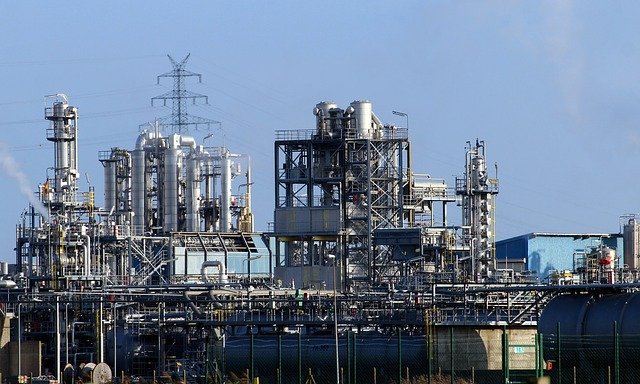
Industrial valve maintenance is a critical component of any successful manufacturing operation. Proper maintenance protocols not only ensure optimal performance but also significantly extend equipment lifespan, reduce downtime, and minimize costly repairs. For industrial facilities processing abrasive materials, implementing comprehensive maintenance strategies becomes even more essential to maintain operational efficiency and safety standards.
Understanding the Importance of Industrial Valve Maintenance
Industrial valves operate under extreme conditions, handling corrosive chemicals, high pressures, and abrasive materials that can cause rapid wear and deterioration. Without proper maintenance, these critical components can fail unexpectedly, leading to production shutdowns, safety hazards, and expensive emergency repairs. A well-structured industrial valve maintenance program addresses these challenges proactively, ensuring continuous operation and maximizing return on investment.
The cost of valve failure extends beyond simple replacement expenses. Unplanned downtime can result in lost production, missed delivery deadlines, and potential safety incidents. Additionally, emergency repairs often require premium pricing for parts and labor, further increasing operational costs. By implementing preventive maintenance strategies, facilities can avoid these costly scenarios while maintaining consistent production schedules.
Key Components of Effective Industrial Valve Maintenance
Regular Inspection Protocols
Establishing systematic inspection schedules forms the foundation of successful industrial valve maintenance. Visual inspections should identify signs of wear, corrosion, leakage, or unusual operating conditions. Operators should monitor valve performance parameters, including opening and closing times, required operating torque, and any unusual sounds during operation.
Documentation plays a crucial role in tracking valve performance over time. Maintenance logs should record inspection findings, repairs performed, parts replaced, and any operational issues encountered. This historical data enables predictive maintenance strategies and helps identify patterns that may indicate impending failures.
Lubrication and Cleaning Procedures
Proper lubrication ensures smooth valve operation and prevents premature wear of moving components. Industrial valve maintenance schedules must specify appropriate lubricants for different valve types and operating conditions. High-temperature applications require specialized lubricants that maintain their properties under extreme conditions, while food-grade applications demand lubricants that meet FDA requirements.
Regular cleaning procedures remove accumulated debris, scale, and corrosive deposits that can impair valve function. Abrasive materials are particularly challenging, as they can cause rapid wear if allowed to accumulate around sealing surfaces and moving components. Establishing cleaning protocols specific to the handled materials ensures optimal valve performance.
Seal and Gasket Replacement
Sealing components typically experience the most wear in industrial valve applications. Regular replacement of seals, gaskets, and O-rings prevents leakage and maintains system integrity. Industrial valve maintenance programs should establish replacement intervals based on operating conditions, material compatibility, and manufacturer recommendations.
When replacing sealing components, it’s essential to select materials that are compatible with the process fluids and operating temperatures. Incompatible materials can lead to rapid degradation and premature failure, negating the benefits of regular maintenance.
Advanced Maintenance Strategies
Predictive Maintenance Technologies
Modern industrial valve maintenance incorporates predictive technologies that monitor valve performance in real-time. Vibration analysis can detect developing problems before they result in failure, while thermal imaging identifies hot spots that may indicate internal wear or blockages. These technologies enable maintenance teams to address issues during planned shutdowns rather than dealing with unexpected failures.
Flow monitoring systems can detect changes in valve performance that may indicate internal wear or damage. By establishing baseline performance parameters, operators can identify gradual deterioration and schedule maintenance accordingly.
Material Selection and Upgrades
Industrial valve maintenance extends beyond routine servicing to include strategic upgrades that improve longevity and performance. In abrasive applications, upgrading to more durable materials can significantly extend service life and reduce maintenance frequency. Advanced ceramic coatings and hard-facing materials provide superior wear resistance compared to traditional materials.
When evaluating upgrade options, consider the total cost of ownership rather than just initial purchase price. More expensive, durable materials often provide better long-term value through reduced maintenance requirements and extended service life.
Specialized Considerations for Abrasive Applications
Valves handling abrasive materials face unique maintenance challenges. Abrasive particles can cause rapid wear of sealing surfaces, internal components, and actuating mechanisms. Industrial valve maintenance in these applications requires specialized approaches, including more frequent inspections, upgraded materials, and modified operating procedures.
Consider implementing bypass systems that allow valve maintenance without shutting down entire processes. This approach minimizes production disruption while ensuring critical valves receive necessary attention.
Training and Documentation
Successful industrial valve maintenance programs require properly trained personnel who understand valve operation principles, maintenance procedures, and safety requirements. Regular training updates ensure maintenance teams stay current with evolving technologies and best practices.
Comprehensive documentation supports effective maintenance programs by providing clear procedures, specifications, and troubleshooting guidance. Well-organized maintenance manuals should include manufacturer specifications, recommended parts lists, and step-by-step procedures for common maintenance tasks.
Cost-Benefit Analysis of Preventive Maintenance
Investing in comprehensive industrial valve maintenance programs delivers measurable returns through reduced downtime, extended equipment life, and lower total operating costs. Facilities that implement proactive maintenance strategies typically experience 30-50% fewer unplanned shutdowns compared to reactive maintenance approaches.
Additionally, preventive maintenance enables better inventory management by allowing planned procurement of replacement parts rather than emergency purchases at premium prices. This strategic approach to parts management can reduce maintenance costs by 20-30% while ensuring necessary components are available when needed.
Conclusion
Implementing comprehensive industrial valve maintenance practices is essential for maintaining operational efficiency, ensuring safety, and maximizing equipment investment returns. By establishing regular inspection protocols, utilizing predictive maintenance technologies, and training personnel properly, facilities can achieve optimal valve performance while minimizing unexpected failures and costly downtime.
Contact us today to request a quote or speak with an expert!