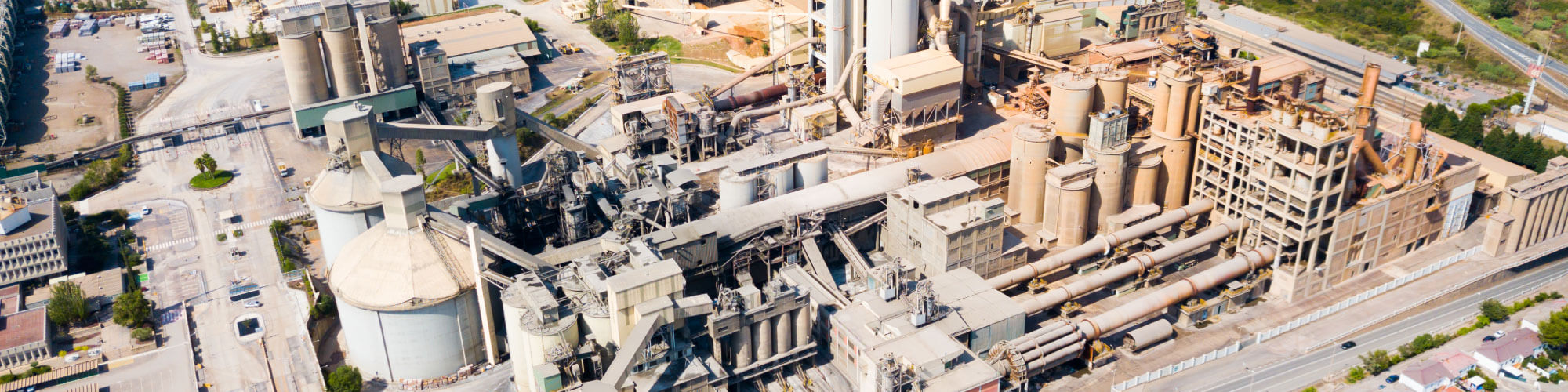
Cement Production & Handling Environment

Cement plants operate in high-temperature, abrasive, and dusty environments, making valve selection critical for long-term reliability and
safety.

Key process stages include:

  1. Raw material preparation (crushing, blending)
  2. Preheating & calcining
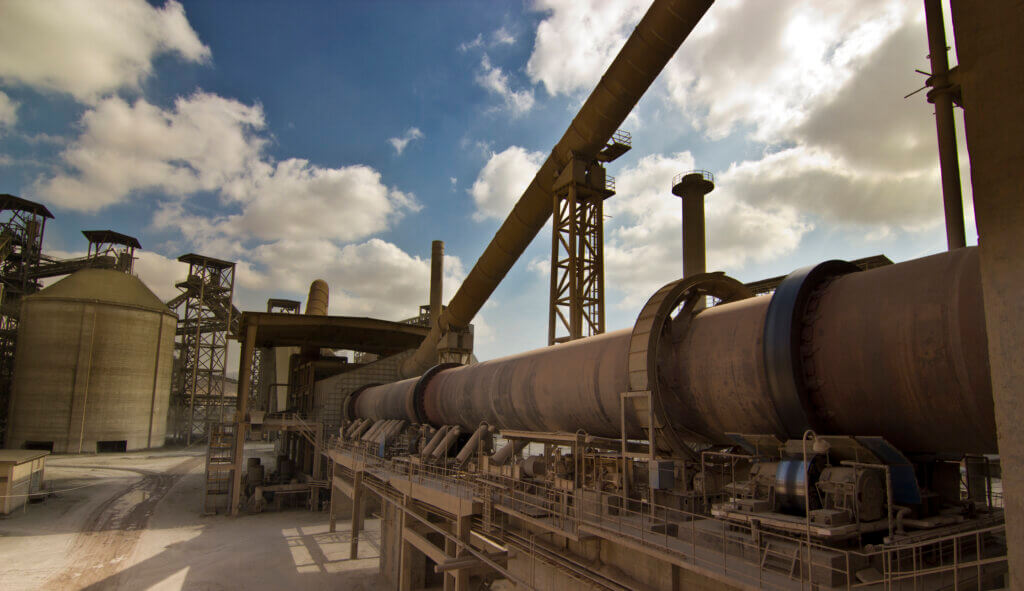
  3. Clinker production in the rotary kiln
  4. Clinker cooling & grinding (finish milling)
  5. Cement storage, packaging, and dispatch

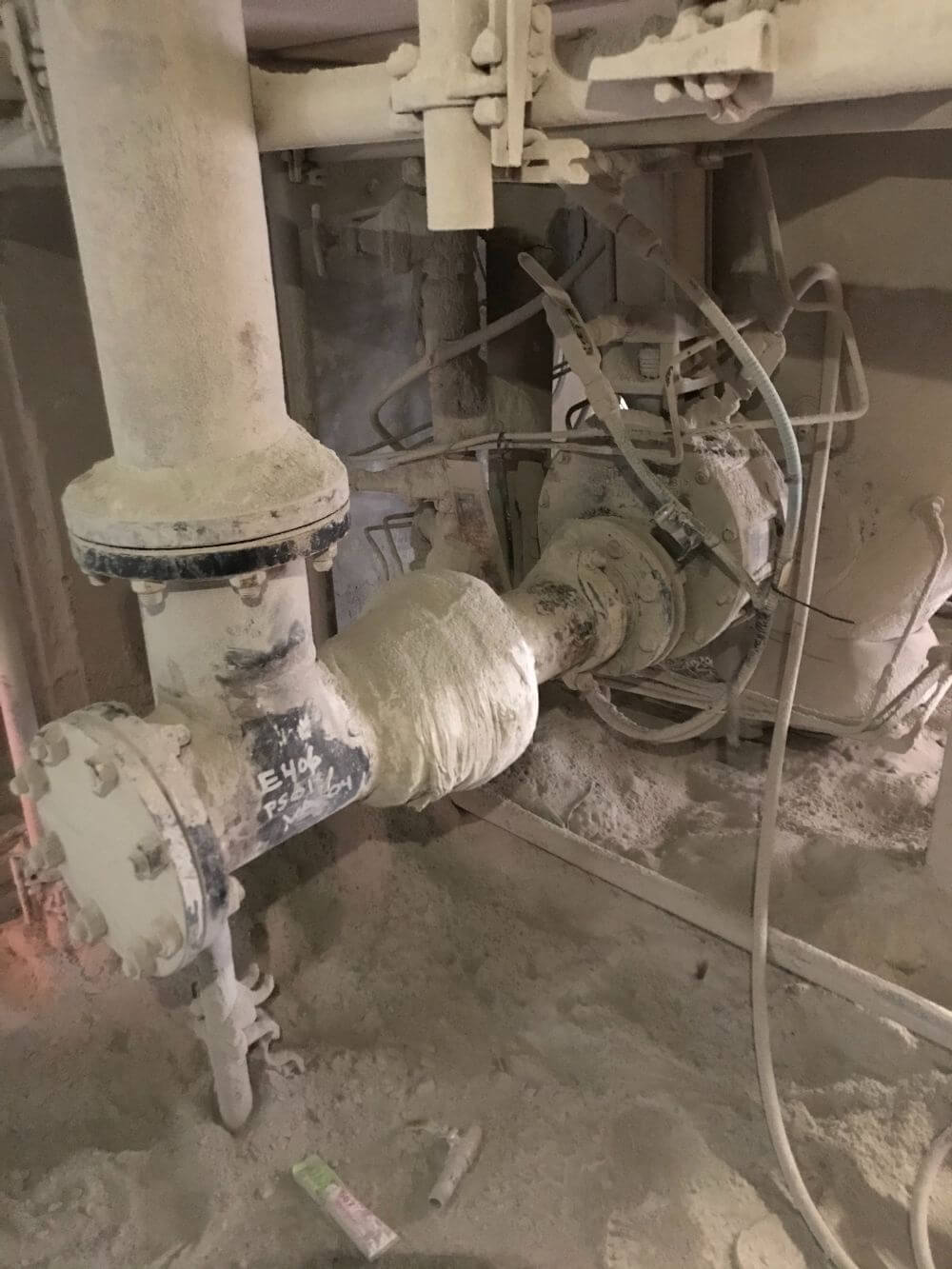
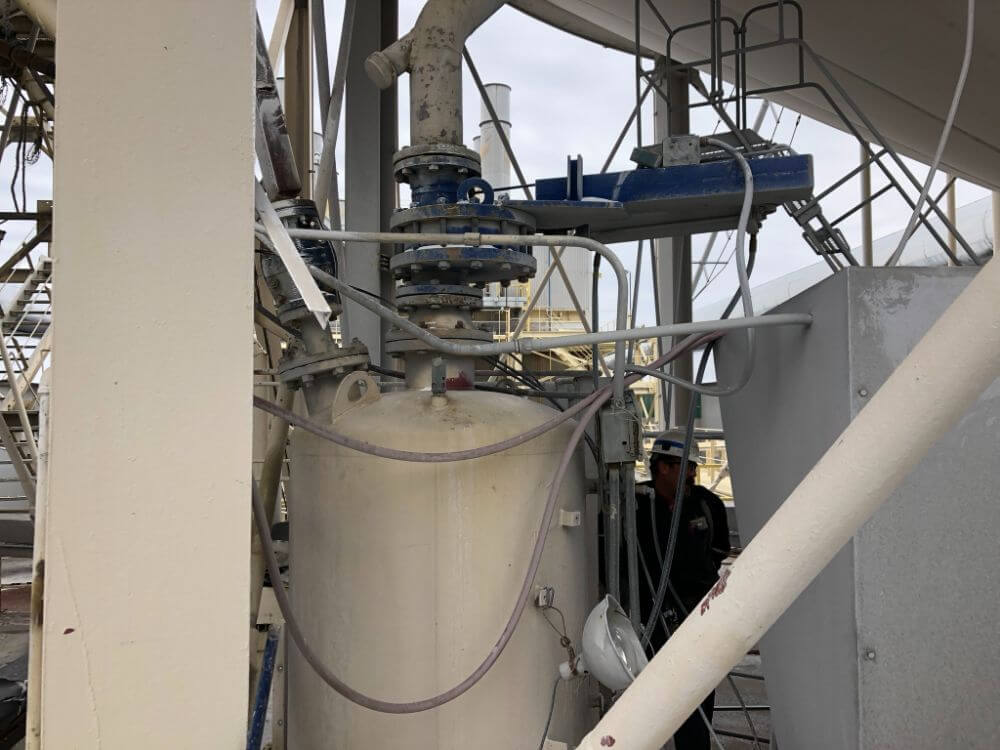
Across these stages, Everlasting’s rotating disc valves are ideal for handling abrasive powders, dense slurries, and hot air streams that quickly wear out conventional valves.

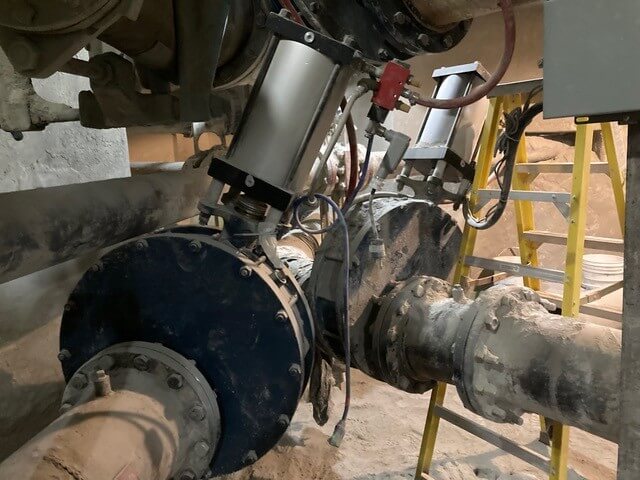
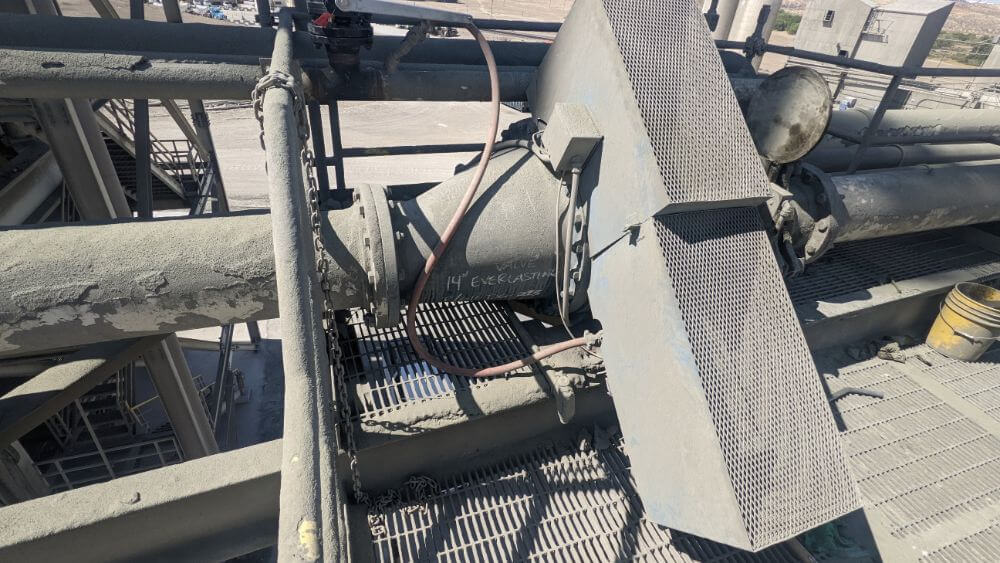
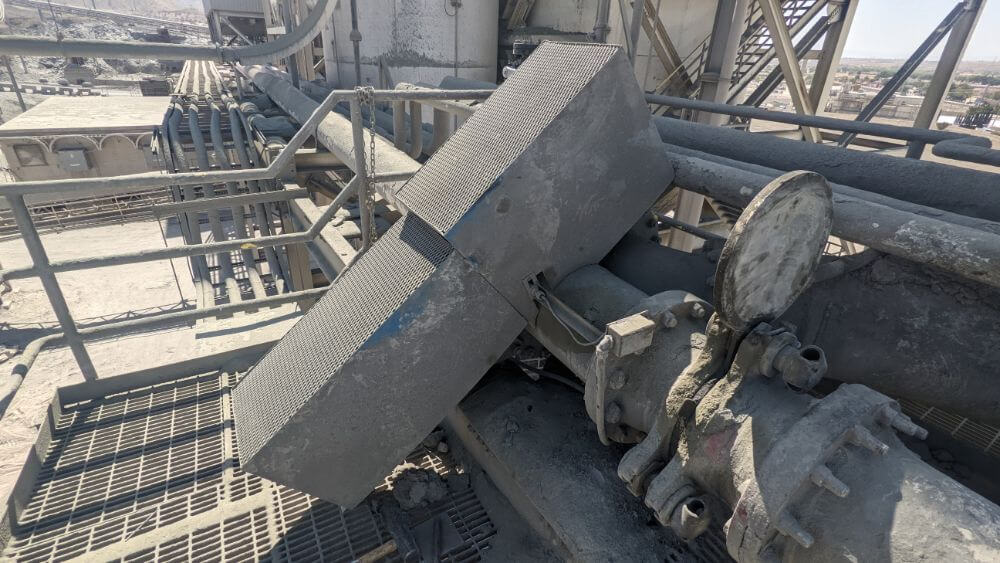
Cement Transfer with Everlasting Bulk Material Valve

Cement Production and Handling Applications for Everlasting Valves

The Everlasting Diverters and BMV Valve Series are excellent in fly ash, Portland cement, kiln dust, alumina hydrate, alumina silica, calcined kaolin, sugar, titanium dioxide, ilmenite and rutile ores, pet coke, coal, catalyst and many other abrasives. Please request our booklet on the Everlasting Bulk Material Valves.

Application and EV Product Fit:

  • Silo Diverters
  • FK Pump Isolation
  • FK Pump Crossover
  • Kiln Fuel Feed
  • Cement Kiln Dust Conveying
  • Hood Seal
  • Clinker Cooler
  • Cement Cooler
  • Raw Mill Feed
  • Finish Mill Feed
  • Truck Load-out
  • Railroad Car Unloading
  • Barge Unloading

Why Everlasting Valves Excel in Cement Service Operations:

  • Handles extreme abrasion: Rotating disc and self-lapping seat resist dust wear
  • Self-cleaning design: Prevents packing fouling from fine cement dust
  • Temperature and pressure resilience: Ideal for kiln and pre-heater environments
  • Low maintenance: Serviceable; long life in abrasive duty.
  • Proven reliability: Used for decades in cement, mining, and aggregate plants.
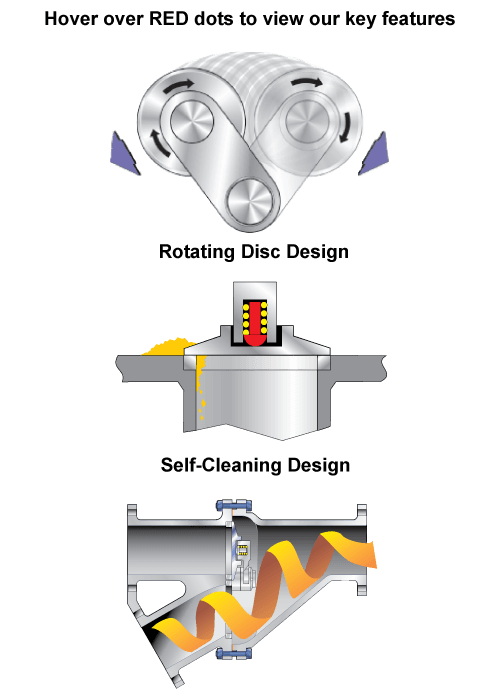
Rotating Disc Valve Applications - Key Features Interactive Image

Movement drives rotation providing self-lapping to enhance performance and extended life.

Positive Shut-off: Leak rates are less than industry standard ANSI B.16.34; MSS-SP61 for metal seated valves. 

The spring-loaded disc is held firmly against the path that it travels.

Self-lapping disc ensures positive shut-off

Shearing action wipes media away to seal

Valve body design creates a vortex, self-cleaning

Disc pressure ensures positive seal

Value bodies are available in a wide choice of materials

EV Valves may be used for converging applications

Self-lapping disc design

Everlasting Valves are designed for the most severe applications

Trusted By

Everlasting Valve Image for Cement Production & Handling

Partner with Us

We are here to help, partner with us for your next application or project need.​

Frequently Asked Questions

Why is cement service difficult for valves?

Cement production involves extremely abrasive powders, high temperatures, and continuous material handling. These conditions cause rapid wear in traditional valve designs.

Why choose Everlasting valves for cement plants?

Everlasting valves use a self-lapping rotating disc that resists abrasion, prevents powder buildup, and maintains tight shut-off. This delivers longer life and improved plant reliability.

Where are Everlasting valves used in cement production?

Applications include raw mill feed, kiln systems, clinker handling, finish mills, silo diverters, and truck or rail loading systems.

What valve types are used?

Bulk Material Valves, Diverter Valves, and Process Valves are commonly applied throughout cement handling and process systems.

Do Everlasting valves require frequent maintenance?

No. Their self-cleaning design prevents binding and seat damage, reducing maintenance intervals and downtime.