Market and Applications

Valve reliability where sand, scale, brine, and multiphase flow attack uptime.

Petroleum production is not a single valve problem. It is a connected operating environment — from wellhead flow and separation to produced water, solids removal, treatment, injection, and transfer. This page helps operators identify where severe service appears, what failure modes to watch, and where EV technology can reduce maintenance exposure.

Everlasting’s rotating-disc valve is purpose built for the harshest media and severe-service environments. Its self-cleaning, wear-in design maintains performance under extreme conditions, significantly reducing unplanned downtime, maintenance demands, and total cost of ownership. 

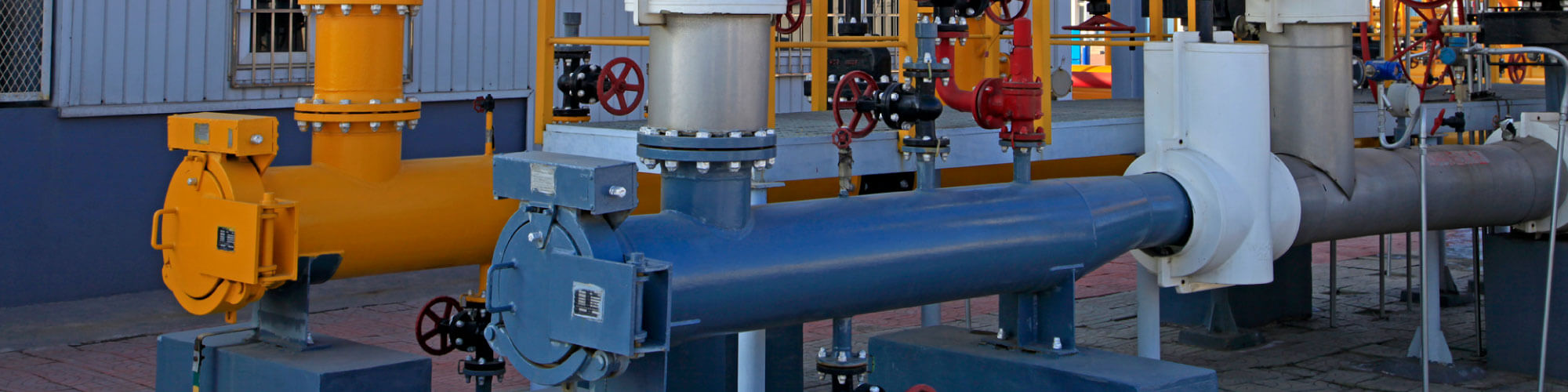
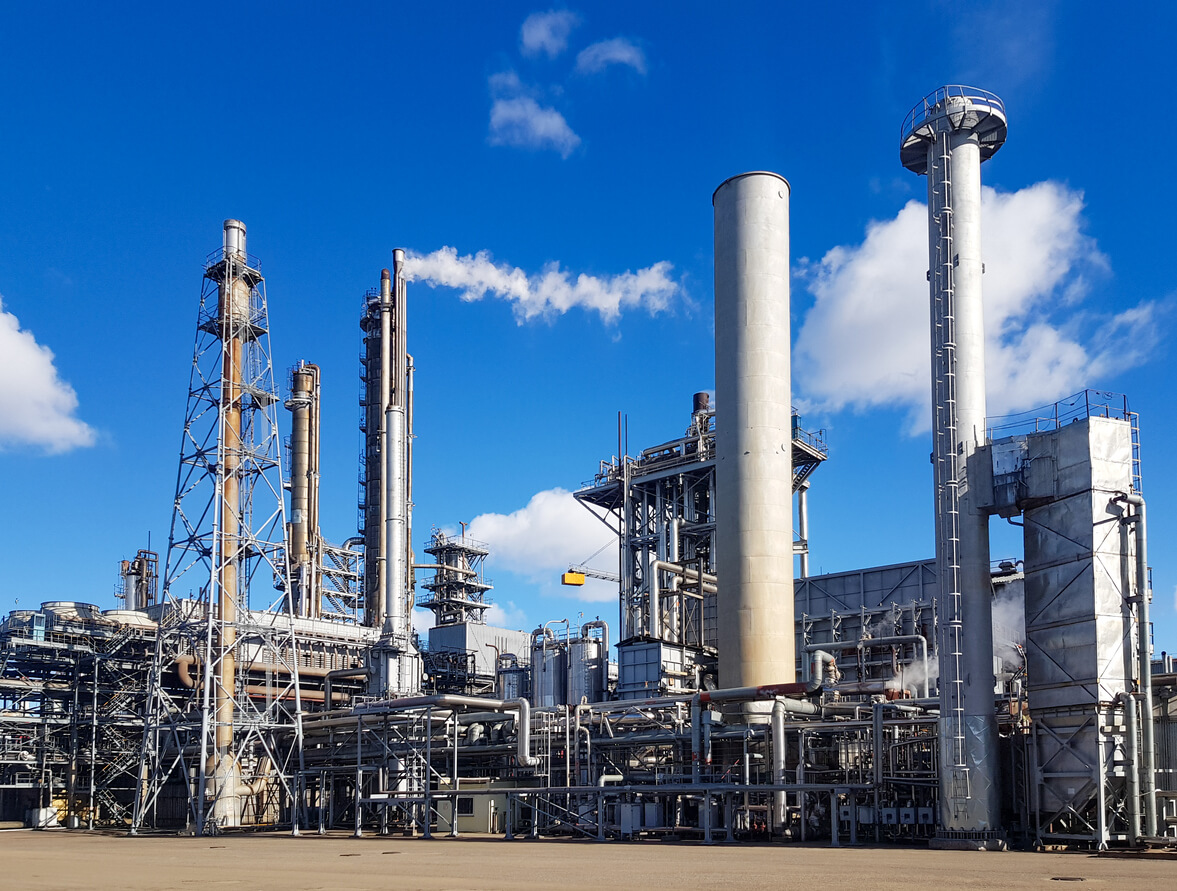
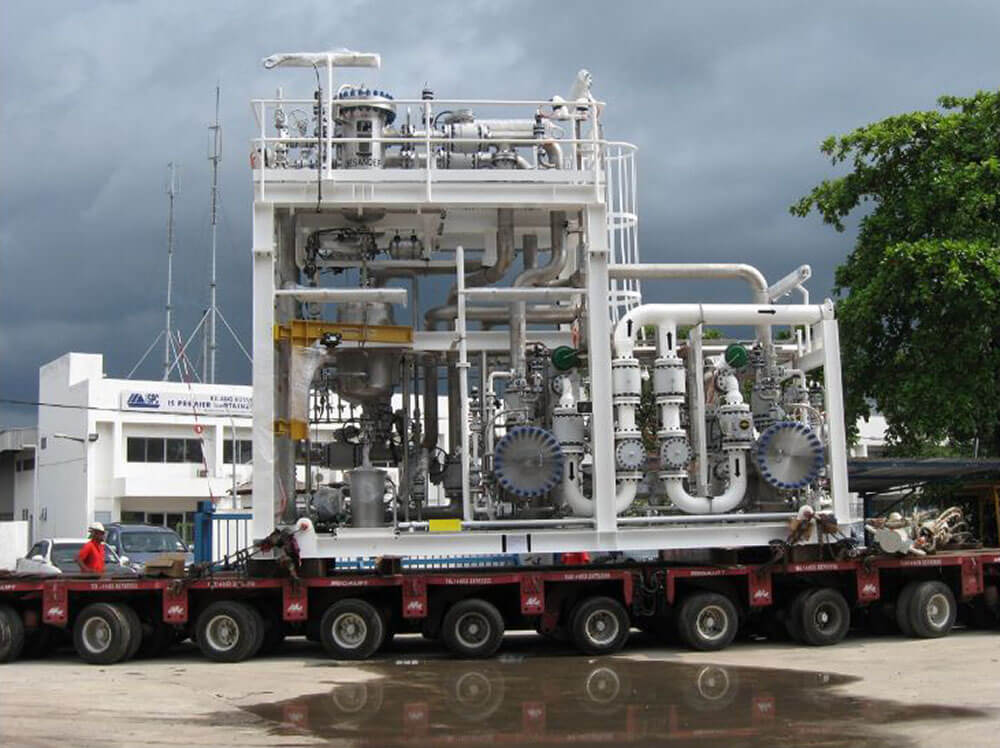
Chemical Reactor Outlet Image- Petroleum Production Applications

Severe-Service Valve Challenges in Petroleum Production

Petroleum production operations expose valves to sand, produced water, brine, scale, pressure cycling, and multiphase flow. These conditions can turn small isolation, blowdown, drain, and transfer points into recurring maintenance problems when conventional valves leak, plug, erode, or fail to shut off.

Sand & Solids Handling

Production streams often carry sand, fines, and solids that can erode valve internals, restrict movement, and shorten service life in separators, test lines, and blowdown points.

Produced Water & Brine

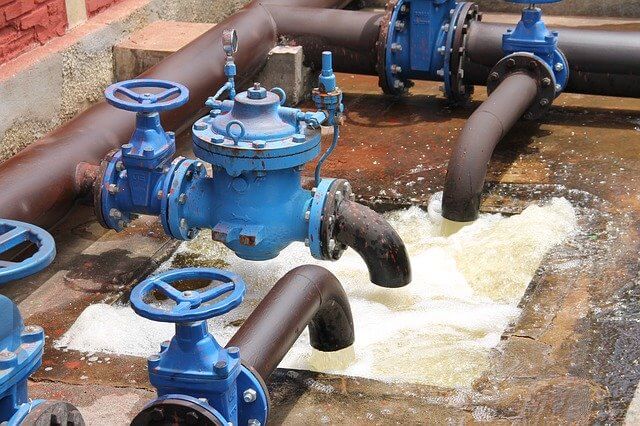
Produced water systems expose valves to solids, scale, chlorides, and corrosive media that can create leakage, buildup, and maintenance issues in transfer and disposal service.

Multiphase Flow

Oil, gas, water, and entrained solids moving together create unstable service conditions that challenge shutoff performance, cycling reliability, and overall valve durability.

Scale & Buildup

Scale, paraffin, and deposits can pack into critical sealing areas, reduce valve performance, and increase the risk of plugging or incomplete shutoff.

Pressure Cycling

Petroleum production operations can involve frequent changes in pressure and flow that stress valves in wellhead, separator, injection, and process isolation duties.


Remote Maintenance Access

Field locations need reliable valve solutions that reduce unplanned service, support longer run time and minimize maintenance exposure in hard-to-access areas.

Petroleum Production Applications for Everlasting Valves

Production facilities are asked to move more difficult fluids while protecting uptime, safety, and maintenance budgets. Valves see sand, scale, brine, produced water, emulsions, pressure cycling, temperature swings, and intermittent solids discharge. These conditions expose the weakness of conventional sealing surfaces.

Trusted By

Application and Everlasting Valve Product Fit:

  • Slug-catcher Solids Blow-down
  • Dehydrator Discharge
  • Sand Jet Skid Outlet
  • Emulsion Layer Blow-off
  • Solids from Liquids Hydro-cyclones
  • Electrostatic Separators
  • Well Head Diverter Test Valves
  • Test Separator Blow-down
  • Solids Injection Systems
  • Dry Grind & Inject Systems
  • Emergency Shutdown Valves
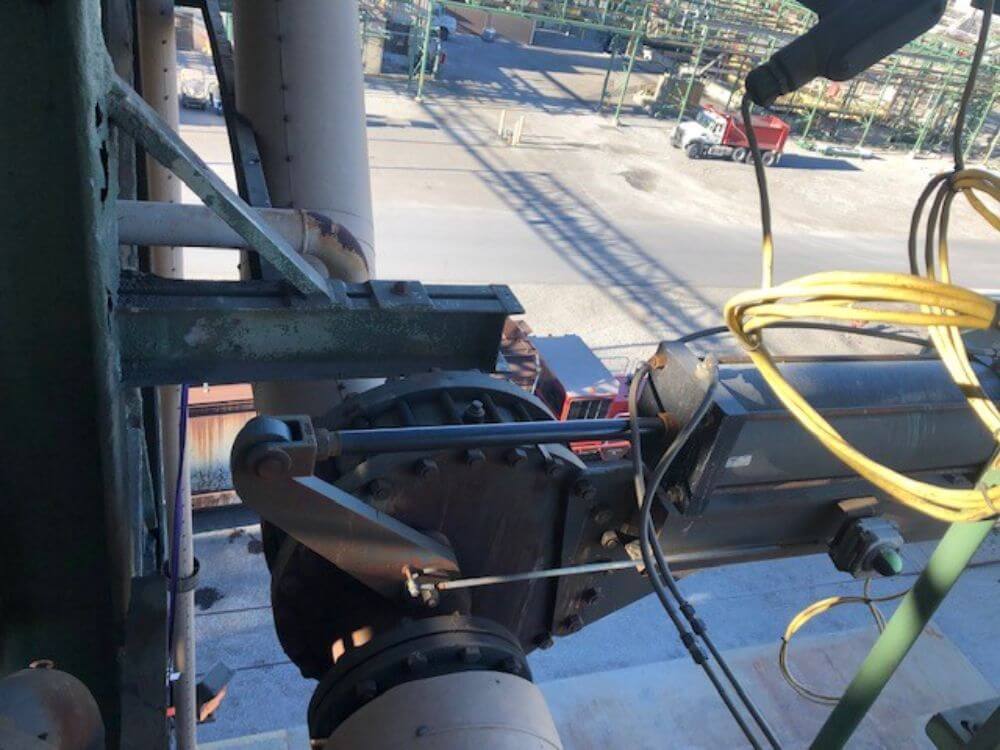
Oil Production Applications Diagram - Everlasting Valve
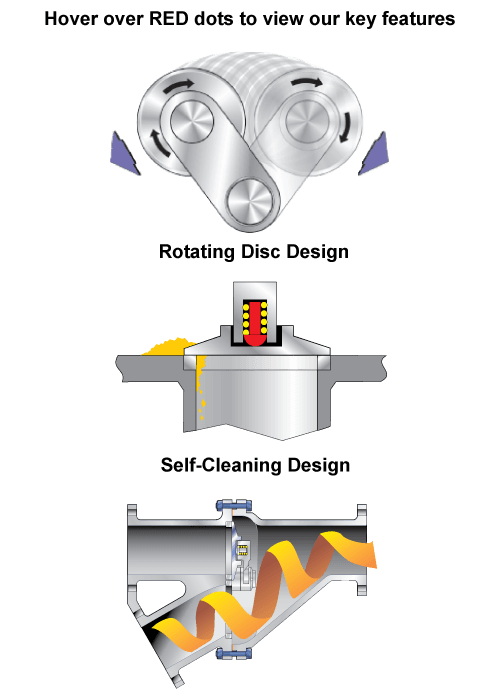
Rotating Disc Valve Applications - Key Features Interactive Image

Movement drives rotation providing self-lapping to enhance performance and extended life.

Positive Shut-off: Leak rates are less than industry standard ANSI B.16.34; MSS-SP61 for metal seated valves. 

The spring-loaded disc is held firmly against the path that it travels.

Self-lapping disc ensures positive shut-off

Shearing action wipes media away to seal

Valve body design creates a vortex, self-cleaning

Disc pressure ensures positive seal

Value bodies are available in a wide choice of materials

EV Valves may be used for converging applications

Self-lapping disc design

Everlasting Valves are designed for the most severe applications

Product Technology Supports the Market Problem

  • Handles extreme abrasion: Rotating disc and self-lapping seat resist wear
  • Self-cleaning design: Prevents packing fouling
  • Temperature and pressure resilience: Ideal for wellhead flow and separation to produced water environments
  • Low maintenance: Serviceable; long life in abrasive duty
  • Proven reliability: Used for decades in Petroleum Production applications

Service Excellence

When you choose Everlasting Valve Company, you’re not just selecting a product—you’re gaining a partner dedicated to long-term performance and support. Our commitment to service extends far beyond standard maintenance or repair. It means timely access to our knowledgeable team of engineers and service professionals—ready to respond anytime, anywhere your operations demand.

At Everlasting, we pride ourselves on becoming an extension of your team. You can count on us to take ownership of every challenge and deliver practical, lasting solutions. When issues arise, our technical experts go beyond the symptoms to uncover the true cause. We evaluate your complete system to identify and resolve problems with precision and care.

Our comprehensive service approach is designed to maximize equipment reliability, enhance operational efficiency, and reduce total cost of ownership.

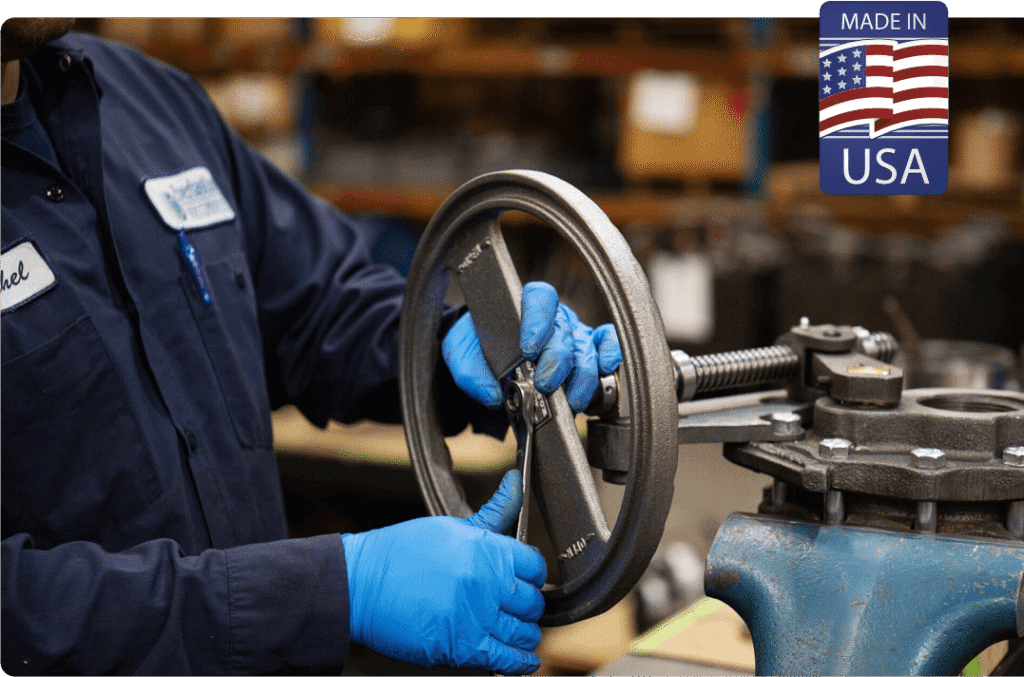
made-in-usa
Everlasting Valve Image for Cement Production & Handling

Partner With us

We are here to help, partner with us for your next application or project need.​

Frequently Asked Questions

What challenges exist in petroleum production service?

Oil production include produced water which contain sand, scale, multiphase flow, corrosive fluids, and high pressure — all of which erode conventional valves.

How do Everlasting valves perform in oil production?

The rotating disc design wipes solids from sealing surfaces, prevents buildup, and maintains low-leakage shut-off — even in sand-laden or multiphase service.

Typical petroleum production applications?

Produced water handling, separator isolation, heater treater drains, desalter service, and multiphase flow control.

Can Everlasting replace ball or gate valves?

Yes. Everlasting valves routinely outperform conventional ball and plug valves in erosive oilfields.

Do they lower total cost of ownership?

Longer service life, fewer change-outs, and reduced downtime deliver significant lifecycle cost savings