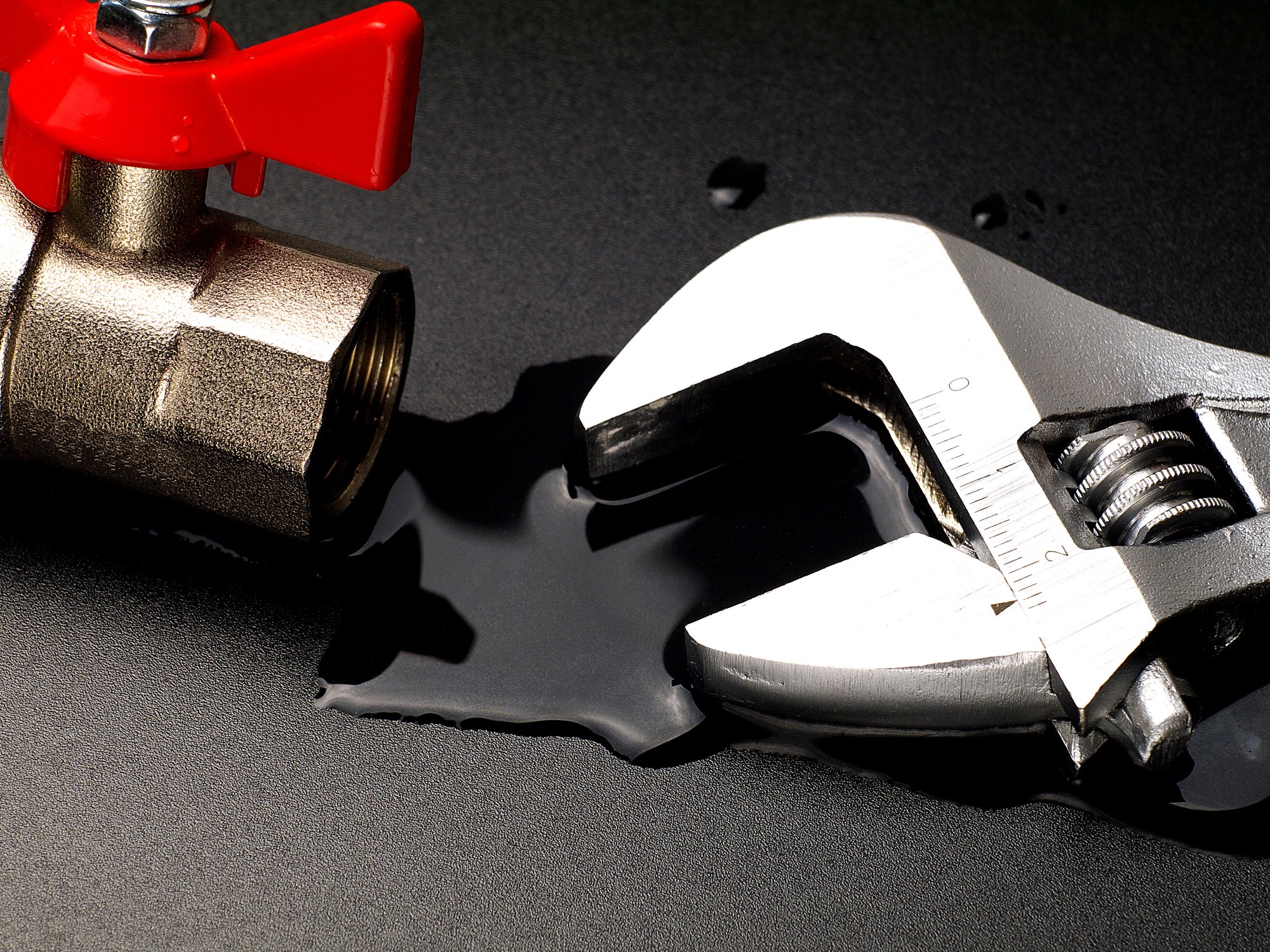
Valve Solutions for Blast Furnace and BOF Applications: Managing Dust, Heat, and Converter Gas
Steel production facilities present some of the most challenging environments for valve equipment in industrial operations. Blast furnaces and Basic Oxygen Furnaces (BOFs) expose valves to extreme temperatures, abrasive particulates, and corrosive...

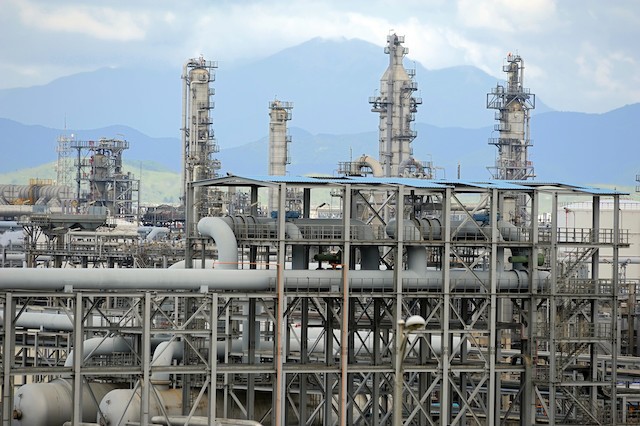
Selecting Valves for Molten Sulfur and Tail Gas Isolation in Sulfur Recovery Units (SRUs)
Sulfur Recovery Units (SRUs) represent some of the most demanding environments in refinery and gas processing operations. With process temperatures exceeding 600°F, corrosive acid gases, and the presence of molten sulfur, selecting the right...
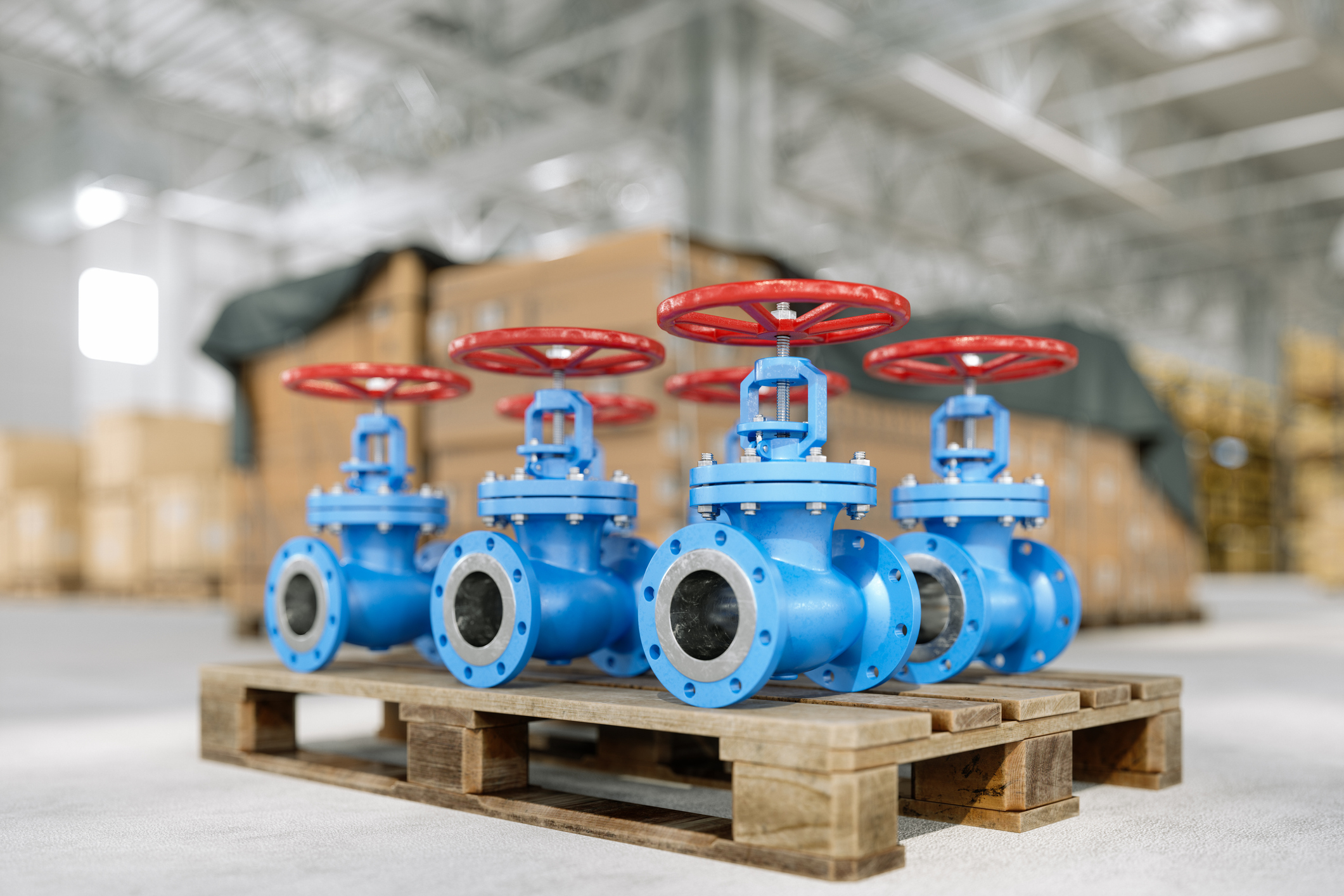
High-Temperature Valve Design Considerations for Reforming Units and CCR Loops
Catalytic reforming units and Continuous Catalyst Regeneration (CCR) loops operate at some of the highest temperatures found in refinery processing, regularly exceeding 950°F during normal operations, CCR loops are lower requiring specialty valves...

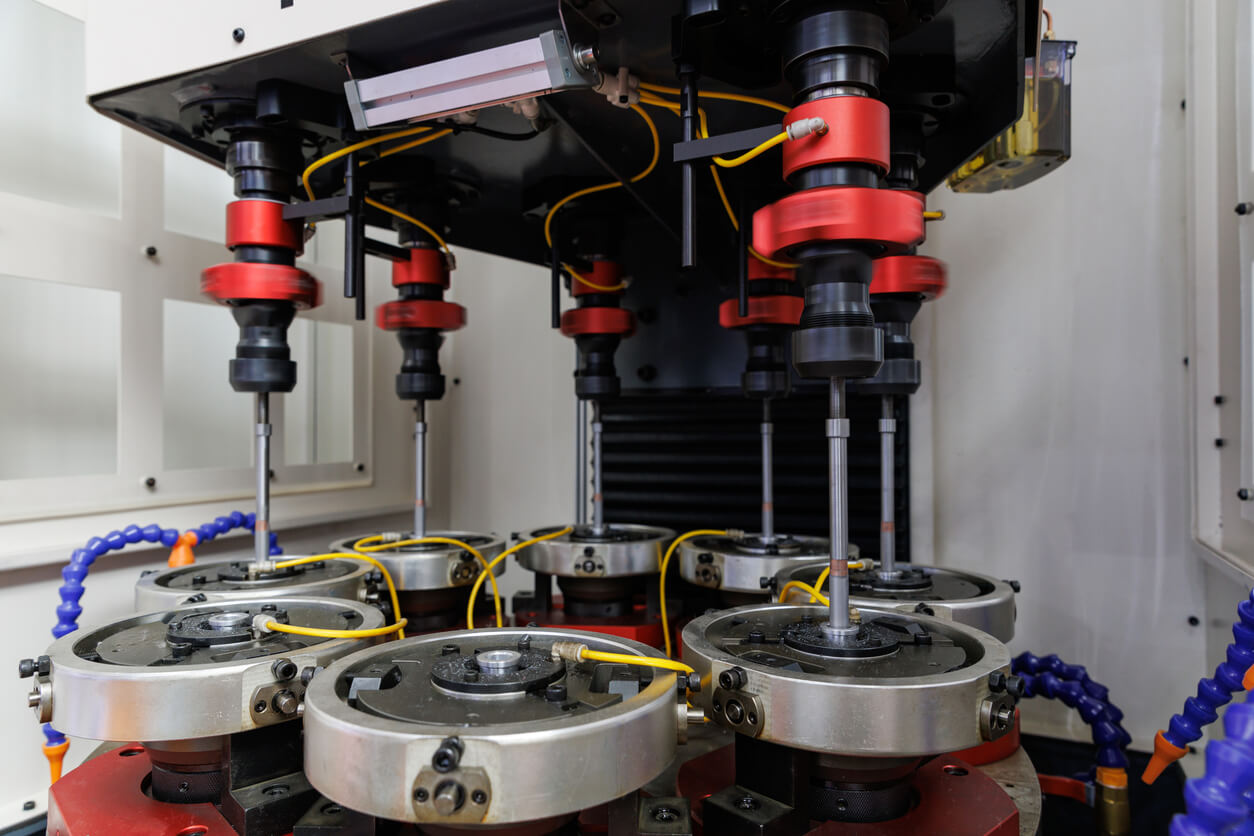
Valve Seat Lapping Machines: How They Work and Why It Matters
Precision sealing surfaces determine whether industrial valves perform reliably or become sources of leakage, process inefficiency, and safety concerns. The interface between valve seats and discs must achieve near-perfect contact to prevent fluid...
Reducing Valve Downtime: Cost of Downtime in Manufacturing
Every minute a production line sits idle translates directly to lost revenue, missed delivery commitments, and increased operational costs. For manufacturing facilities, unplanned equipment failures represent one of the most significant threats to...
High Temperature Rotary Valves: What Should be the Selection Criteria?
Industrial operations involving extreme temperatures demand equipment that can withstand harsh conditions while maintaining operational integrity. When processing materials at elevated temperatures, selecting the right valve technology becomes...

Types of Control Valves in Instrumentation: Your Complete Guide
Understanding the various types of control valves in instrumentation is essential for designing efficient process control systems. These critical components regulate flow, pressure, temperature, and liquid level in industrial processes, making...
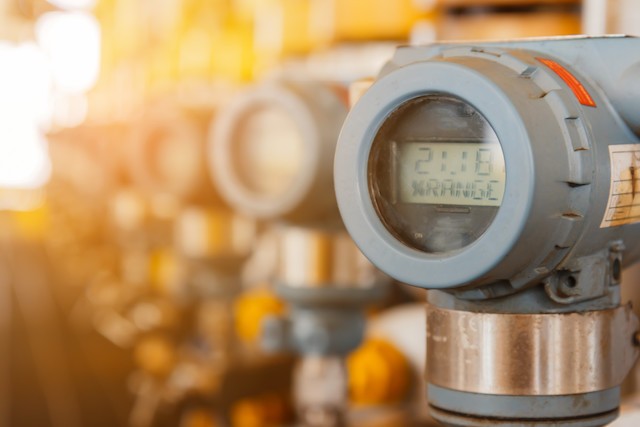
Best Abrasion Resistant Material For Valves
Selecting the best abrasion resistant material for industrial valve applications is crucial for maintaining operational efficiency and minimizing maintenance costs. In industries processing abrasive media such as mining slurries, cement, sand, and...
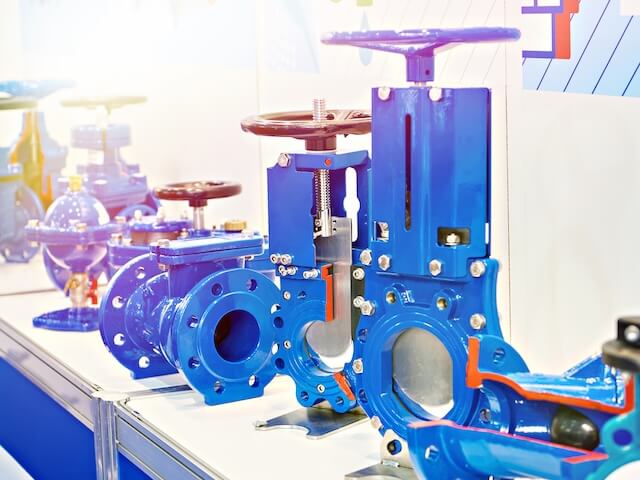
Industrial Valve Maintenance: Best Practices to Extend Equipment Life
Industrial valve maintenance is a critical component of any successful manufacturing operation. Proper maintenance protocols not only ensure optimal performance but also significantly extend equipment lifespan, reduce downtime, and minimize costly...
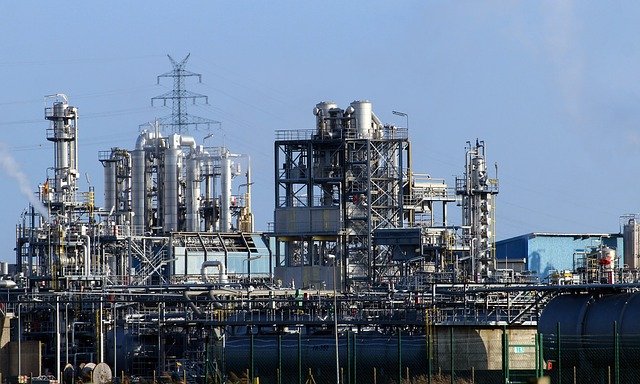
Throttling Valve Uses: Essential Applications Across Industrial Operations
Throttling valves serve as critical flow control components in countless industrial applications, enabling precise regulation of fluid flow rates while maintaining optimal system performance. Understanding the diverse throttling valve uses across...