

Every reliability engineer knows that a single valve failure can bring an entire catalytic reforming unit to a grinding halt. When dealing with temperatures exceeding 900°F and highly corrosive environments, your choice of valves isn't just about...
Every reliability engineer knows that a single valve failure can bring an entire catalytic reforming unit to a grinding halt. When dealing with temperatures exceeding 900°F and highly corrosive environments, your choice of valves isn’t just about maintaining production—it’s about preventing catastrophic failures that could cost millions in downtime.
Catalytic reforming is a cornerstone of modern petroleum refining, transforming low-octane naphtha into high-value aromatics and hydrogen. But this critical process hinges on one often overlooked component: the valves that control, direct, and protect the flow of materials throughout the unit.
The consequences of valve failure in catalytic reforming extend far beyond immediate operational disruptions. From unexpected catalyst degradation to compromised safety systems, the ripple effects can impact your facility’s bottom line for months.
Within the preheat zone, naphtha feedstock undergoes heating to reach optimal reaction temperatures. Control valves in this stage must handle rapid temperature fluctuations while maintaining precise flow regulation. Isolation valves are equally crucial, enabling safe maintenance access during turnarounds.
The heart of catalytic reforming occurs across multiple reactors, where the most demanding valve applications exist:
The final stage involves separating reformate products and recycling hydrogen:
Throughout each stage, valves are critical control points that directly impact product quality, energy efficiency, and process safety.
Operating at extreme temperatures creates unique valve integrity challenges:
Maintaining consistent pressure control presents several hurdles:
The aggressive chemical environment demands exceptional material selection:
Selecting the correct valve requires careful consideration of the following:
In catalytic reforming environments, traditional valve seating faces rapid degradation. Everlasting Valves’ unique self-lapping rotation mechanism creates a continuously improving seal with each cycle. This design:
The proprietary metallurgy used in these valves specifically addresses reforming unit demands:
Reliable valve performance forms the backbone of successful catalytic reforming operations. From managing extreme temperatures to handling corrosive environments, the challenges faced in these units demand valve solutions that go beyond standard specifications. Understanding these demands helps maintenance professionals make informed safety and operational efficiency decisions.
Integrating advanced valve technologies, particularly those featuring self-lapping capabilities and specialized metallurgy, presents a compelling solution to the persistent challenges in catalytic reforming units. By addressing common failure points and reducing maintenance requirements, these innovations help facilities maintain peak performance while minimizing costly downtime.
Ready to enhance the reliability of your catalytic reforming unit? Contact Everlasting Valves today to discuss custom valve solutions engineered specifically for your facility’s needs. Our team of experts can help you select the correct valves to maximize uptime and minimize maintenance costs.
Steam hisses through your facility's mechanical room as another valve shows wear. You know the drill - when boiler valves start acting up, every minute counts. Whether you're managing a school, hospital, or commercial building, a faulty boiler valve...
Steam hisses through your facility’s mechanical room as another valve shows wear. You know the drill – when boiler valves start acting up, every minute counts. Whether you’re managing a school, hospital, or commercial building, a faulty boiler valve can quickly escalate from a minor inconvenience to a major headache.
But here’s the good news: replacing a boiler valve doesn’t have to be intimidating. With the right knowledge and tools, it’s a maintenance task you can handle confidently and safely.
This comprehensive guide walks you through the valve replacement process, from initial diagnosis to final testing. We’ll cover everything you need to know, including:
Your safety comes first. Before touching any part of the boiler system, ensure you’ve taken these critical precautions:
You’ll need these tools on hand before starting:
Basic Tools:
Safety Equipment:
Additional Materials:
✓ Verify your building’s maintenance schedule permits this work
✓ Check local regulations regarding boiler maintenance
✓ Review your boiler’s manual for specific requirements
✓ Document current valve settings for reference
✓ Take photos of the existing setup
Remember: If you need clarification on any aspect of the replacement process, consult your facility’s maintenance protocols or contact a qualified professional.
Time required: 2-3 hours Skill level: Intermediate Risk level: Moderate
Start by adequately isolating the faulty valve. This critical first step prevents accidents and ensures a smooth replacement process.
System Shutdown Protocol:
Pro Tip: Mark the valve’s orientation before removal. This helps ensure proper alignment during installation.
The old valve must be removed carefully to prevent damage to surrounding components.
Follow these steps in order:
Common Challenge: Stuck valve? Try these techniques:
Now comes the precise work of installing the new valve.
✓ Clean all mating surfaces
✓ Inspect threads for damage
✓ Apply new thread seal tape
✓ Check gasket condition
Before full system restart, verify your installation:
A newly installed valve might show signs of seepage at the connection points. Before taking drastic measures, try incremental tightening – no more than 1/8 turn at a time. Remember that over-tightening can damage threads or compress gaskets beyond their functional limit.
Expert Insight: Temperature fluctuations cause the metal to expand and contract. What seems like a leak during initial testing might resolve itself once the system reaches the average operating temperature.
Your pressure gauge should show steady readings within manufacturer specifications. Erratic pressure readings often indicate trapped air in the system. Engage the air release valve gradually until readings stabilize. Keep your drain bucket handy – water often follows trapped air.
Misalignment stresses connections and causes premature wear. If you notice any pipe strain or unusual angles, don’t force them. Consider using pipe unions or flexible connectors to achieve proper alignment without compromising the system’s integrity.
| Sound Type | Solution |
| Water Hammer | Close valves more slowly |
| Whistling | Check for flow restrictions |
| Chattering | Verify valve spring tension |
| Humming | Confirm proper valve size |
Gas smells, unusual burning odors, or visible steam leaks require immediate professional intervention. In these scenarios, your role isn’t to troubleshoot—it’s to ensure safety by shutting down the system and making the necessary calls.
IMMEDIATE ACTION: If you detect gas, evacuate the area immediately and contact emergency services before contacting your HVAC professional.
Modern boiler systems often integrate with building automation controls. When valve replacement affects these sophisticated interfaces, specialized knowledge becomes essential. Your building’s efficiency metrics might indicate when you’re out of your depth.
Technical Limitations
| Scenario | Why Call a Pro |
| High-Pressure Systems | Requires special certification |
| Custom Configurations | Needs manufacturer expertise |
| Historical Equipment | Demands specialized knowledge |
| Insurance Requirements | Maintains warranty validity |
Professional certification might be legally required for your documentation. Many jurisdictions demand licensed professionals for:
System Modifications:
When a job feels beyond your expertise, it probably is. Professional HVAC technicians bring specialized tools, comprehensive knowledge, and proper certifications to handle complex situations safely.
Every boiler valve tells a story through its operation, maintenance needs, and eventual replacement. Through this guide, you’ve gained the essential knowledge needed to address one of your facility’s most common yet critical maintenance tasks. Each step builds upon your existing maintenance expertise, from initial safety protocols to final testing procedures.
Successful valve replacement isn’t just about the mechanical process—it’s about understanding your system’s needs and capabilities. Whether handling the replacement yourself or recognizing when to call in professionals, you’ll be better equipped to make informed decisions about protecting your facility’s heating system and its occupants.
Looking to enhance your boiler system’s longevity? Contact Everlasting Valves to explore our professional-grade valve solutions engineered for maximum durability and minimal maintenance. Our team of experts stands ready to help you select the perfect valve for your specific application.
The smooth operation of countless industries relies on safely and efficiently handling harsh chemicals. Behind the scenes, valves serve as silent workhorses, controlling the flow of these potentially dangerous substances throughout complex...
The smooth operation of countless industries relies on safely and efficiently handling harsh chemicals. Behind the scenes, valves serve as silent workhorses, controlling the flow of these potentially dangerous substances throughout complex processing systems. However, standard valves often need to catch up when exposed to corrosive chemicals, leading to many problems that can compromise safety, productivity, and environmental integrity.
Enter chemical resistant ball valves – the dependable solution for these demanding applications. These specialized valves offer a robust defense against the corrosive nature of industrial chemicals and play a crucial role in maintaining safety. Their consistent performance, even in the most challenging environments, is a testament to their reliability. Industries are turning to chemical-resistant ball valves from chemical processing plants to water treatment facilities to keep their operations running smoothly and safely.
Let’s explore why these valves have become indispensable in various chemical-intensive sectors.
Chemicals come in a dizzying array of compositions in industrial processing, each with corrosive properties. These substances significantly threaten standard valve materials and components, from highly acidic solutions to caustic alkalis.
The challenges these chemicals present are multifaceted:
When standard valves fail in chemical processing environments, the consequences can be severe:
These challenges underscore the critical need for valves to withstand chemical-intensive applications’ rigors.
Chemical resistant ball valves are engineered specifically to tackle the challenges of harsh chemical environments. These specialized valves excel at regulating flow while offering superior resistance to corrosive substances, making them the go-to choice for industries dealing with aggressive chemicals.
Key features that set chemical resistant ball valves apart:
The ball valve design itself offers inherent advantages for chemical applications:
By combining these features with chemical resistant properties, these valves provide a dependable solution for the most demanding industrial environments.
Chemical resistant ball valves have become indispensable across various sectors where harsh chemicals are a daily reality. Let’s explore how these valves meet the unique needs of four key industries:
Safety is paramount in chemical manufacturing plants. Chemical-resistant ball valves are crucial in minimizing leak risks and protecting workers from exposure to hazardous substances. These valves also maintain process integrity, ensuring consistent product quality. This translates to peace of mind and improved operational efficiency for chemical engineers and plant managers. Moreover, by reducing unexpected downtime, these valves help keep production schedules on track, a critical factor in the fast-paced world of chemical manufacturing.
The oil and gas industry operates in some of the most challenging environments on Earth. Here, chemical resistant ball valves shine withstanding corrosive drilling fluids and production chemicals. Their ability to perform reliably under extreme temperatures and pressures makes them invaluable in offshore platforms and remote drilling sites. Additionally, these valves resist wear from abrasive particles in the fluid stream, a common issue in oil and gas extraction. Maintenance engineers and purchasing managers value these valves for their longevity and reduced need for replacement, even in the harshest conditions.
In pulp and paper mills, chemical resistant ball valves contribute significantly to the bottom line. They handle aggressive bleaching agents and process chemicals without degradation, a crucial factor in maintaining continuous operations. This resilience leads to:
For maintenance teams and financial decision-makers, these benefits translate to improved productivity and substantial cost savings over time.
Water treatment facilities face unique challenges in balancing public safety with environmental responsibility. Chemical resistant ball valves are essential in this delicate balance. They safely control the flow of treatment chemicals like chlorine and sulfuric acid, preventing contamination of water supplies due to valve failure. This reliability is crucial for plant managers striving to meet strict environmental regulations and minimize the risk of chemical leaks. Ecological compliance officers particularly appreciate these valves’ role in safeguarding public health and surrounding ecosystems.
Across these industries, chemical resistant ball valves prove their worth by enhancing safety, reliability, and operational efficiency in challenging chemical environments.
Selecting the appropriate chemical resistant ball valve requires careful consideration of several factors. The type of chemical being handled is paramount, as different materials offer varying resistance levels to specific substances. Equally important are the pressure and temperature ratings of the valve, which must align with your process conditions.
Flow control requirements also play a crucial role in valve selection. Some applications may need precise throttling capabilities, while others require reliable on/off functionality.
Given the complexity of these considerations and the critical nature of valve performance in chemical-intensive environments, it’s advisable to consult with valve experts. Their specialized knowledge can ensure you select the optimal valve for your application, maximizing safety, efficiency, and longevity.
Chemical resistant ball valves play a vital role in industries where harsh chemicals are part of daily operations. These specialized valves ensure safety, efficiency, and reliability in challenging environments, from chemical processing plants to water treatment facilities.
Chemical-resistant ball valves become invaluable because they offer superior resistance to corrosive substances, precise flow control, and long-term dependability. They enhance workplace safety, minimize costly downtime, and contribute to environmental protection.
As industrial processes evolve, selecting the correct valve for each application remains crucial. Partnering with valve experts ensures businesses are well-equipped to handle any chemical challenge.
Contact our experts today to enhance your chemical handling processes.
Imagine walking through your plant, and everything's humming along nicely. Suddenly, you spot a small puddle on the floor. Your heart sinks. You know what this means - a valve's given up the ghost, and you're in for a world of headaches. This...
Imagine walking through your plant, and everything’s humming along nicely. Suddenly, you spot a small puddle on the floor. Your heart sinks. You know what this means – a valve’s given up the ghost, and you’re in for a world of headaches.
This scenario happens far too often in industrial settings, where valves are constantly under siege from nasty chemicals, scorching temperatures, and relentless pressures. Of all the threats valves face, corrosion is the silent killer that keeps engineers up at night.
That’s why corrosion resistance isn’t just a fancy feature – it’s a must-have for keeping your operations safe, efficient, and profitable. Enter PTFE (Polytetrafluoroethylene), the superhero material that’s been turning heads in the valve world for its uncanny ability to laugh in the face of corrosive environments.
But what’s the deal with PTFE corrosion resistance in valves? How does it work its magic, and why should you care? Let’s roll up our sleeves and get to the bottom of this crucial aspect of valve performance.
Let’s face it: corrosion is the arch-nemesis of industrial equipment. But what exactly is this sneaky saboteur? At its core, corrosion is the gradual destruction of materials (usually metals) through chemical reactions with their environment. In valves, this can take several forms:
Now, why should you lose sleep over this? Well, when corrosion sinks its teeth into your valves, all hell can break loose:
But here’s the real kicker – the cost. We’re talking about a triple whammy:
And let’s not even get started on potential environmental fines or worker compensation claims. It’s enough to make any plant manager break out in a cold sweat.
That’s why finding a corrosion solution isn’t just smart – it’s critical for keeping your operation running smoothly and your balance sheet in the black.
So, what’s this miracle material that’s got engineers buzzing? PTFE, or Polytetrafluoroethylene if you’re feeling fancy, is like the superhero of the plastics world. It’s a synthetic fluoropolymer that’s been turning heads since its accidental discovery in 1938.
Picture a material slicer than a greased-up eel, tougher than your old boot, and about as reactive as your teenager on a Saturday morning. That’s PTFE in a nutshell.
Here’s why PTFE is the corrosion-fighting champion:
But here’s the kicker – PTFE isn’t just a one-trick pony. Its unique properties make it a jack-of-all-trades in the valve world. It can handle high pressures, resist wear and tear, and even repel those pesky buildup-causing materials that love to cling to other surfaces.
Before you think all PTFE is created equal, let’s pump the brakes. Not all PTFE applications will give you the same bang for your buck when it comes to valves. It’s like comparing a garden hose to a fire hose – sure, they’re both hoses, but you would want to avoid fighting a five-alarm blaze with your backyard sprinkler.
So, what factors can make or break PTFE’s effectiveness in valves? Let’s break it down:
Speaking of which, let’s talk PTFE valve components:
Each of these components can offer varying levels of corrosion resistance, depending on factors like thickness, manufacturing process, and how they interact with other valve parts.
So, you’re sold on the wonders of PTFE, but how do you know if it’s the right fit for your specific headache? Let’s break it down into a quick and dirty guide:
PTFE might be your valve’s soulmate if:
But hold your horses – before you go all-in on PTFE, consider these factors:
Remember, choosing a valve is like picking a life partner – it’s all about finding the right match for your specific needs and quirks.
We’ve covered a lot of ground on PTFE corrosion resistance in valves. Here’s the bottom line:
PTFE corrosion resistance isn’t just a feature—it’s a critical tool for maintaining safety, performance, and profitability in harsh industrial environments.
Every process is unique, though. For tailored solutions to your specific valve challenges, contact Everlasting Valve. Our experts are ready to help you find the perfect PTFE valve to keep your operations running smoothly.
Corrosion is not just a nuisance; it's a financial burden that costs global industries a staggering $2.5 trillion annually. This silent destroyer eats away at industrial infrastructure, with harsh acids posing some of the most aggressive threats. In...
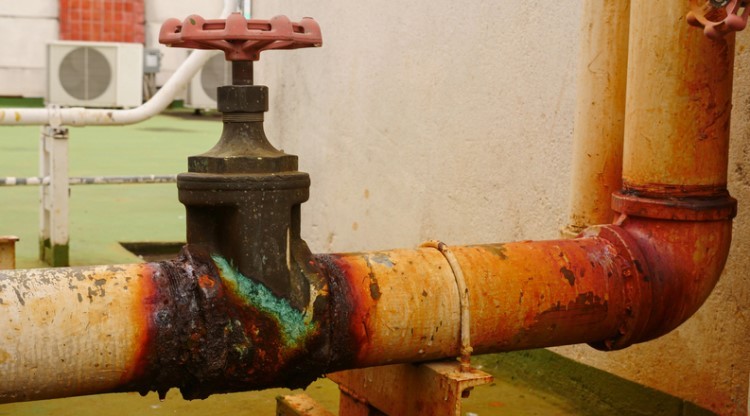
Corrosion is not just a nuisance; it’s a financial burden that costs global industries a staggering $2.5 trillion annually. This silent destroyer eats away at industrial infrastructure, with harsh acids posing some of the most aggressive threats. In chemical processing, mining, and manufacturing, the battle against acid corrosion is constant – and the stakes couldn’t be higher.
Meet the unsung heroes in the ongoing fight against corrosion-acid-resistant valves. These specialized components do more than just control flow; they form a critical line of defense against the relentless assault of corrosive materials. But their impact extends far beyond mere resistance to wear and tear.
Understanding the full spectrum of benefits offered by acid-resistant valves is crucial for plant managers, reliability engineers, and maintenance professionals. These valves don’t just protect equipment—they enhance safety, boost operational efficiency, and can significantly impact your bottom line.
In this post, we’ll unpack the multifaceted advantages of acid-resistant valves and reveal why they’re indispensable in modern industrial settings. Get ready to explore how these powerhouse components can revolutionize your processes and safeguard your operations.
Acid corrosion is a relentless adversary in industrial settings, manifesting in various destructive forms. From uniform attacks that gradually thin metal surfaces to localized pitting that creates deep, focused damage, the effects can be devastating. Perhaps most insidious is stress corrosion cracking, where the combined forces of tensile stress and a corrosive environment lead to sudden, catastrophic failures.
In valve systems, these corrosive processes can wreak havoc:
The impact? It’s not just about replacing a faulty valve. Corrosion-induced failures can trigger a domino effect of problems:
The message for plant managers and reliability engineers is clear: in acid-heavy environments, standard valves aren’t just inadequate – they’re a liability. The need for a robust, corrosion-resistant solution isn’t just a matter of efficiency; it’s a critical safety and compliance issue.
Acid-resistant valves serve as frontline defenders in corrosive environments, expertly balancing flow control with uncompromising durability. These specialized components are engineered to withstand the harshest acidic conditions, creating a barrier between corrosive media and vulnerable system parts.
What sets acid resistant valves apart? It’s all in the materials:
The choice of material is crucial and varies based on specific application needs:
Each material has its own advantages, allowing for tailored solutions to match the exact needs of your process. The key is selecting a valve that not only resists corrosion but also meets your specific application’s mechanical and operational demands.
By creating this robust shield against acid corrosion, these valves do more than just prevent damage – they lay the foundation for improved safety, efficiency, and reliability across your entire operation.
While corrosion resistance is the primary function of acid resistant valves, their value extends far beyond this crucial role. Let’s explore the multifaceted benefits these specialized components bring to industrial operations:
| Stakeholder | Benefits |
| Reliability Engineers | • Improved process uptime
• Reduced maintenance requirements • Extended valve lifespan |
| Plant Managers | • Enhanced safety record
• Minimized environmental impact • Lower overall operating costs |
| Maintenance Engineers/Managers | • Easier maintenance procedures
• Improved worker safety • Less frequent valve replacements |
| Purchase Coordinators | • Lower lifecycle costs<br>• Simplified inventory management |
Acid resistant valves significantly improve process uptime by reducing unexpected failures. With less frequent maintenance needs and extended lifespans, these valves keep operations running smoothly for longer periods.
Safety is paramount, and these valves deliver. They minimize the risk of leaks and spills, enhancing your safety record and environmental compliance. Reducing downtime and replacement frequency also contributes to lower overall operating costs.
Acid-resistant valves make maintenance less of a burden. Their durable construction means less frequent servicing, while corrosion-resistant surfaces simplify cleaning procedures. This saves time and improves worker safety by reducing exposure to hazardous materials.
From a purchasing perspective, acid resistant valves offer attractive long-term economics. While the initial investment may be higher, the extended lifespan and reduced maintenance needs result in lower lifecycle costs. They also simplify inventory management by reducing the frequency of valve replacements.
By addressing the needs of various stakeholders, acid-resistant valves prove to be more than just a technical solution—they’re a strategic investment in operational excellence, safety, and long-term cost efficiency.
Selecting the appropriate acid resistant valve is crucial for maximizing its benefits and ensuring optimal performance in your specific application. Here’s an essential guide to help you navigate the selection process:
While this guide provides a starting point, the complexity of acid handling systems often requires expert input. Consulting with valve specialists who understand the intricacies of corrosive applications can help ensure you select the optimal solution for your specific needs.
Remember, the right acid resistant valve isn’t just about corrosion resistance – it’s about finding the perfect balance of durability, performance, and cost-effectiveness for your unique operational context.
Acid resistant valves are critical guardians in corrosive industrial environments. They protect against damage, enhance safety, boost efficiency, and contribute to long-term cost savings. These valves are invaluable assets for plant managers, engineers, and maintenance professionals in the fight against corrosion.
Choosing the correct valve for your specific application is crucial. While our guide offers a starting point, every situation is unique. That’s why it’s essential to consult with experts who understand the complexities of valve selection for corrosive environments.
Contact Everlasting Valve today to discuss your acid resistant valve needs and find the perfect solution for your challenges.
Hydrofluoric acid (HF) is a powerhouse in industrial processes, enabling breakthroughs in petroleum refining, semiconductor manufacturing, and metal treatment. But this versatile chemical hides a sinister secret: its highly corrosive nature makes it...
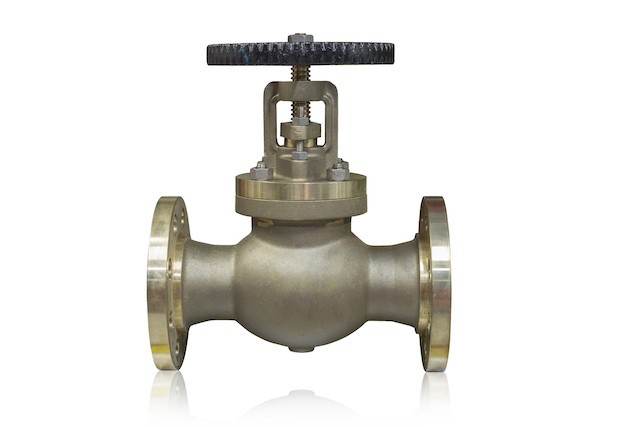
Hydrofluoric acid (HF) is a powerhouse in industrial processes, enabling breakthroughs in petroleum refining, semiconductor manufacturing, and metal treatment. But this versatile chemical hides a sinister secret: its highly corrosive nature makes it one of the most dangerous substances in any facility.
HF acid valves are the unsung heroes of industrial safety. These specialized components are crucial in protecting personnel, equipment, and the environment from the potentially catastrophic risks of HF leaks, which can have devastating consequences. As we explore their vital functions, you’ll discover why these valves are indispensable guardians in the world of hazardous chemical handling.
Hydrofluoric acid is not your typical corrosive substance. Its unique properties make it a formidable threat in industrial settings:
The consequences of HF exposure are severe and can be life-threatening:
Beyond human safety, HF leaks pose significant risks to:
Given these dangers, proper containment and control of HF are non-negotiable. This is where specialized HF acid valves become crucial safeguards in handling this potent chemical.
HF acid valves are the frontline defenders in the battle against hydrofluoric acid risks. These specialized components serve two critical functions:
What sets HF acid valves apart from standard industrial valves?
Selecting the right valve type depends on operating pressure, temperature, and specific process requirements.
By employing these specialized valves, industries handling HF acid create multiple layers of protection, significantly reducing the risk of leaks and associated hazards.
HF acid valves are the unsung heroes across various industries. Let’s explore five critical applications where these specialized components prove indispensable:
Picture a petroleum refinery’s alkylation unit: a complex network of pipes, reactors, and heat exchangers. At its core, HF acid valves orchestrate a delicate dance of chemicals. They precisely control the flow of hydrofluoric acid, ensuring optimal reaction conditions for producing high-octane gasoline components.
But their role goes beyond mere flow control. These valves stand ready to isolate HF-containing sections immediately, providing a crucial safety net during maintenance or emergencies. For chemical engineers and plant managers, this dual role of efficiency and safety makes HF acid valves indispensable guardians of the alkylation process.
HF acid valves face some of the harshest conditions imaginable across the sprawling landscape of petrochemical plants. They regulate HF in catalytic processes, maintain the integrity of regeneration systems, and facilitate the safe recovery and recycling of this potent acid.
Why do reliability engineers swear by these valves? It’s simple: their unparalleled ability to withstand corrosive environments translates directly to reduced downtime and extended equipment life. In an industry where every minute of uptime counts, HF acid valves are the unsung heroes keeping operations running smoothly.
In semiconductor fabrication, precision isn’t just important—it’s everything. HF acid valves play a crucial role in etching processes, where nanometer-scale accuracy can make or break a multi-million dollar production run.
These valves don’t just control flow; they maintain the purity of HF, which is crucial for consistent chip quality. Whether handling HF in gaseous or liquid form, they provide the exacting control that process engineers rely on to push the boundaries of modern electronics.
Metal finishing operations might be less glamorous than semiconductor fabrication, but they’re more critical. Here, HF acid valves serve as the first line of defense against one of the industry’s most dangerous chemicals.
These valves are constantly vigilant, from controlling HF application in surface treatment to preventing accidental releases during transfers. They enable safe acid recirculation and neutralization, forming a crucial barrier against chemical exposure and environmental contamination. It’s no wonder safety specialists and plant managers view them as indispensable allies in their quest for a safer, cleaner workplace.
Lastly, we find HF acid valves at the cutting edge of chemical innovation. These components, which are used in laboratories and pilot plants worldwide, support groundbreaking research by allowing safe experimentation with HF in various concentrations.
But their role goes beyond safety. These valves become active participants in developing new technologies by enabling precise control for novel HF-based processes. As researchers work to scale up their discoveries, HF acid valves provide the reliable containment and control necessary to bridge the gap between laboratory concepts and industrial applications.
From the largest refineries to the most advanced research facilities, HF acid valves repeatedly prove that they’re not just components but key enablers of progress and safety across industries.
Selecting an HF acid valve isn’t just about picking a product off the shelf—it’s a critical decision that can impact safety, efficiency, and your bottom line. Let’s break down the key factors to consider:
Not all hydrofluoric acid applications are created equal. Your HF process’s concentration, temperature, and pressure play a crucial role in valve selection. A valve that performs admirably in a room-temperature, low-concentration application might fail catastrophically under high-temperature, high-concentration conditions.
The battle between HF and valve materials is ongoing. While some alloys like Monel and Hastelloy show impressive resistance, their performance can vary based on specific process conditions. It’s not just about the valve body, either—seals, gaskets, and even lubricants need to withstand HF’s corrosive nature.
Globe, butterfly, or ball valve? Each design has its strengths:
Globe valves offer excellent throttling capabilities, which are ideal for precise flow control. Butterfly valves provide a compact, cost-effective solution for larger line sizes. Ball valves excel in quick-acting, full-bore applications.
Your choice depends on your specific process requirements, space constraints, and control needs.
While understanding these factors is crucial, the complexity of HF handling makes expert consultation invaluable. Valve specialists with deep experience in HF applications can provide insights beyond catalog specifications, helping you navigate the nuances of your specific process.
Remember: the right valve choice is an investment in safety, reliability, and operational efficiency. It’s a decision that deserves careful consideration and expert input.
HF acid valves are more than mere components—they’re critical guardians in modern industry. From refinery alkylation units to cutting-edge research labs, these valves ensure safety, enable precision and make possible the products we rely on daily. They embody our commitment to responsible industrial practices, balancing progress with protection.
As we face new industrial challenges, the importance of HF acid valves will only grow. Understanding their critical function is vital to maintaining safe, efficient, and responsible operations across various sectors.
Ready to enhance your HF handling capabilities? Explore Everlasting Valve’s HF acid valve solutions. Contact our experts today to find the perfect valve for your needs and safeguard your operations.
Leaks, downtime, and safety hazards are the nightmares that keep industrial professionals up at night. At the heart of many of these issues lies a critical component often overlooked until problems arise: the humble valve. Specifically, chemical...
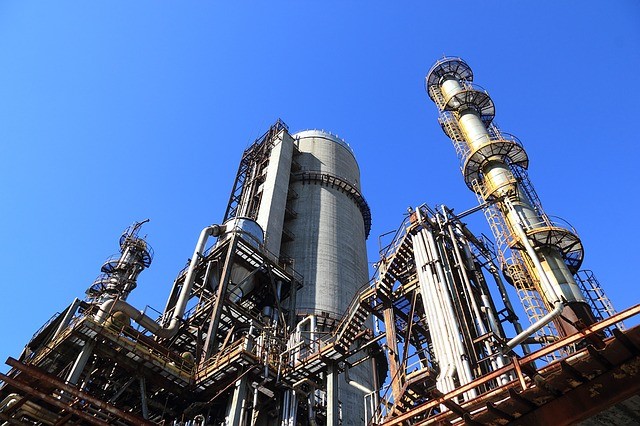
Leaks, downtime, and safety hazards are the nightmares that keep industrial professionals up at night. At the heart of many of these issues lies a critical component often overlooked until problems arise: the humble valve. Specifically, chemical ball valves are pivotal in controlling the flow of corrosive and hazardous materials across various industries.
For maintenance managers, persistent valve leakage isn’t just an annoyance; it’s a potential disaster waiting to happen. Reliability engineers are constantly seeking ways to reduce unplanned downtime and control costs. Meanwhile, procurement specialists are tasked with finding cost-effective solutions that maintain quality.
These challenges aren’t unique incidents – they’re daily realities for industrial professionals across the board. Whether you’re handling routine maintenance in a school building or overseeing critical processes in a healthcare facility, the right valve can make all the difference.
In this comprehensive guide, we’ll explore the world of chemical ball valves, their functionality, benefits, and how to select the perfect valve for your specific needs. By the end, you’ll be equipped with the knowledge to make informed decisions that can boost efficiency, cut costs, and enhance safety in your facility.
At their core, chemical ball valves are precision-engineered marvels designed to control the flow of corrosive and aggressive fluids. But what sets them apart from other valve types?
Picture a sphere with a hole drilled through its center, nestled snugly inside a valve body. This sphere, or “ball,” is the heart of the chemical ball valve. The hole aligns with the flow path when the valve opens, allowing liquids or gases to pass through freely. Rotate the ball a quarter turn, and the solid part blocks the path, stopping the flow entirely.
Key components of a chemical ball valve include:
What makes these valves ideal for chemical applications? It’s all in the design:
Chemical ball valves offer a robust solution for those working in harsh industrial environments. They combine simplicity with high performance and are equally at home in a school’s water treatment system as they are in a pharmaceutical plant’s production line.
Understanding how these valves work is the first step in harnessing their potential to solve common industrial challenges. In the next section, we’ll explore the benefits of chemical ball valves being a go-to choice for professionals across various sectors.
Chemical ball valves aren’t just another tool in your industrial toolkit—they’re problem solvers that can significantly improve your operations. Let’s explore how these valves address common pain points across various industries:
Chemical ball valves offer a solution that balances performance, safety, and cost-effectiveness by addressing these key areas. Whether managing a large industrial plant or overseeing maintenance for a smaller facility, these benefits translate to improved efficiency and peace of mind.
Choosing the perfect chemical ball valve doesn’t have to be a headache. Let’s break down the key factors to consider:
The valve you choose must withstand the chemicals you’re handling. Stainless steel, PVC, PTFE-lined, and exotic alloys are all contenders, but the right choice depends on your specific needs. For top-notch performance, remember to consider both the ball and seat materials.
What’s the maximum pressure and temperature in your system? Pick a valve that exceeds these requirements for a safety cushion. Remember: pressure ratings often dip as temperatures rise, so factor that into your decision.
Calculate your required flow rate and choose a valve to match. Pay attention to the Cv (flow coefficient) value for precise control. Full-port valves offer minimal restrictions but might be bulkier and pricier. Weigh your options carefully.
Whether you need flanged, threaded, or welded connections, ensure compatibility with your existing setup. As for actuation, manual operation might work for rarely adjusted valves, while remote locations might call for pneumatic or electric options.
Look for industry certifications like ANSI, API, or ISO for quality assurance. When it comes to cost, think long-term. A higher upfront investment might lead to significant savings through reduced maintenance and a longer lifespan.
By considering these factors, you’ll be well-equipped to choose a chemical ball valve that meets your current needs and provides reliable, efficient service for years to come.
We’ve explored the world of chemical ball valves, from their inner workings to selection criteria. These versatile components offer durability, precision, and cost-effectiveness in harsh environments. By considering factors like material compatibility, pressure ratings, and long-term value, you can choose the perfect valve for your needs. Remember, the right chemical ball valve can solve persistent leaks, boost efficiency, and improve equipment performance.
But knowledge is just the first step. The real power lies in applying this information to your specific challenges. Every facility is unique, so evaluate your needs carefully and don’t hesitate to consult experts. As you progress, keep an eye on emerging valve technologies and industry trends. Your path to more efficient, safer, and cost-effective operations starts with the correct valve – and Everlasting Valve is here to help. Ready to find the perfect chemical ball valve for your application? Contact Everlasting Valve for expert guidance and top-quality solutions tailored to your needs.
Chlorine: a double-edged sword for modern industry. It disinfects our water, bleaches our paper, and creates countless products we rely on daily. But a leak? Catastrophic. This powerful element demands respect. Its corrosive nature and toxic...
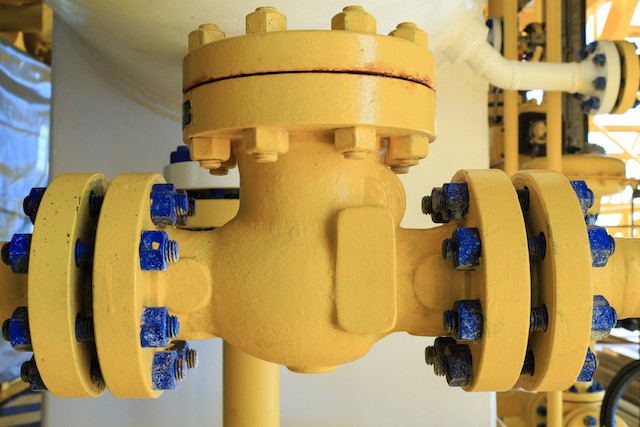
Chlorine: a double-edged sword for modern industry. It disinfects our water, bleaches our paper, and creates countless products we rely on daily. But a leak? Catastrophic.
This powerful element demands respect. Its corrosive nature and toxic properties make safe handling in industrial settings critical. As industrial professionals, engineers, and decision-makers, your role in preventing disasters is crucial. One faulty valve can spell disaster, threatening worker safety, environmental integrity, and your bottom line.
Enter the unsung hero of chlorine handling systems: the chlorine resistant check valve. These specialized components are crucial in taming the chlorine torrent, ensuring one-way flow, and preventing potentially disastrous backflow scenarios.
Ready to explore the world of chlorine resistant valves? Let’s explore how these mighty components keep industries running smoothly and safely despite one of the most challenging chemicals.
Chlorine gas is no ordinary industrial fluid. Its unique properties make it a formidable foe for standard valve systems:
These characteristics spell trouble for regular valves. Seals disintegrate, metal components corrode, and what was once a reliable flow control device becomes a ticking time bomb of potential leaks.
The consequences? They’re as severe as they are wide-ranging:
A single valve failure can cascade into millions in damages and lost production time. It’s a stark reminder: when it comes to chlorine, cutting corners on valve selection is a gamble no industry can afford to take.
Enter the chlorine resistant check valve – the unsung hero in the battle against corrosive chaos. These specialized components are purpose-built to withstand chlorine’s harsh assault while performing a critical function: allowing flow in one direction and preventing potentially catastrophic backflow.
What sets these valves apart?
Chlorine resistant check valves come in various configurations to suit different applications:
By choosing the proper chlorine resistant check valve, industries gain more than just a component – they invest in peace of mind. These valves form a crucial line of defense, ensuring the chlorine torrent remains tamed, and your operations stay safe and efficient.
Chlorine resistant check valves play a critical role across various industries. Let’s explore three key applications where these valves prove indispensable:
In water treatment facilities, chlorine resistant check valves are the silent guardians of public health:
These valves offer peace of mind for reliability engineers, knowing that the disinfection process remains uncompromised and consistent.
In the chemical industry, where chlorine is both a product and a reactant, these valves are crucial:
Plant managers appreciate how these valves contribute to smoother operations and reduced downtime, directly impacting the bottom line.
In pulp and paper mills, chlorine resistant check valves are essential in bleaching processes:
For maintenance managers, the durability of these valves in harsh bleaching environments translates to fewer replacements and less frequent maintenance, driving operational efficiency.
In each of these applications, chlorine resistant check valves do more than just control flow – they’re a critical investment in safety, efficiency, and product quality.
Selecting the ideal chlorine resistant check valve isn’t a one-size-fits-all process. Key factors to consider include:
Given the critical nature of these components, it’s crucial to consult with valve experts who understand the nuances of chlorine handling systems. They can help you navigate material choices, design options, and sizing considerations to ensure optimal performance and longevity.
Remember, the correct valve does more than just fit your specs – it becomes a long-term asset in your chlorine handling infrastructure, enhancing safety, efficiency, and peace of mind.
Chlorine resistant check valves are more than just industrial components – they’re the unsung heroes in the ongoing battle to harness chlorine’s power safely and efficiently. From safeguarding public water supplies to ensuring the quality of paper products, these specialized valves play a crucial role across diverse industries.
By preventing backflow, maintaining system integrity, and standing up to chlorine’s corrosive nature, these valves contribute directly to:
As industries continue to rely on chlorine for countless applications, the importance of robust, reliable chlorine handling systems grows. Investing in high-quality chlorine resistant check valves isn’t just an intelligent operational decision—it’s an investment in your operations’ long-term success and sustainability.
Keep chlorine-related valve issues from holding your operations back. Explore Everlasting Valve’s range of chlorine resistant check valve solutions today. Our team of experts is ready to help you find the perfect valve for your application.
Contact Everlasting Valve, and let’s discuss your chlorine handling needs and find the ideal solution for your industry.
Valve systems play a crucial role in the heart of every industrial operation. These unsung heroes ensure smooth operation and precise flow control, running processes like clockwork. But lurking in the shadows is a silent enemy threatening to...
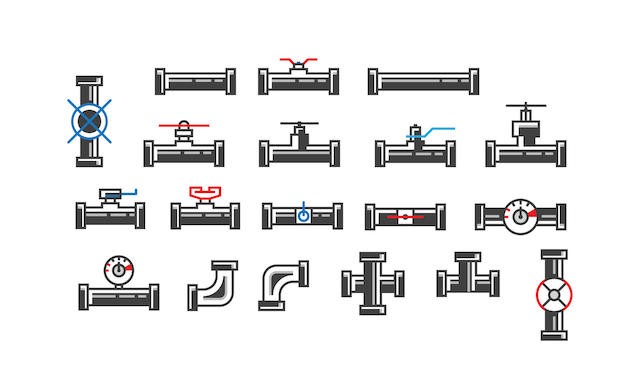
Valve systems play a crucial role in the heart of every industrial operation. These unsung heroes ensure smooth operation and precise flow control, running processes like clockwork. But lurking in the shadows is a silent enemy threatening to undermine even the most robust systems: corrosion.
Corrosion is more than just an eyesore. It’s a relentless force that silently deteriorates valves, compromising their integrity and performance. From galvanic corrosion that occurs when dissimilar metals meet to pitting corrosion that creates tiny, deep holes, the effects can be devastating:
The cost of corrosion is staggering. While specific figures vary by industry, this hidden menace significantly affects businesses worldwide.
So, how can industrial professionals protect their operations from this pervasive threat? The answer lies in proactively addressing corrosion before it becomes a problem. Enter corrosion resistant valves—specialized solutions that withstand the harshest environments and most aggressive media.
These aren’t your average valves. Corrosion-resistant valves are engineered with superior materials and innovative designs. The result? Exceptional resistance keeps your processes flowing smoothly, even in the face of corrosive challenges.
But what makes these valves truly valuable? Let’s explore the benefits that set corrosion resistant valves apart and why they’re becoming indispensable assets for forward-thinking industrial operations.
Traditional valves often succumb to the relentless assault of corrosion. Like a ticking time bomb, standard valves in corrosive environments are on borrowed time from the moment they’re installed. The result? Premature failure, frequent replacements, and a constant drain on resources.
Corrosion-resistant valves flip this script. These valves are engineered to withstand the most demanding conditions and offer a significantly extended lifespan compared to their standard counterparts. This longevity translates into tangible benefits for your operation:
But the advantages don’t stop at your bottom line. By choosing valves that stand the test of time, you’re also making a choice for sustainability. Fewer replacements mean less waste and a reduced environmental footprint – a win-win for your business and the planet.
Time is money. Every minute of unexpected downtime can translate into significant losses. When compromised by corrosion, standard valves in your system become ticking time bombs. Unexpected leaks, sudden malfunctions, and unplanned maintenance can bring your operations to a screeching halt.
Corrosion-resistant valves offer a powerful defense against these costly interruptions. Their superior resistance to corrosive elements significantly reduces the likelihood of unexpected failures. The result? A dramatic decrease in downtime occurrences and a boost to your operational efficiency.
Consider this: While the exact cost of downtime varies by industry and scale of operation, even a single hour of unexpected stoppage can result in thousands of dollars in lost productivity. By investing in corrosion resistant valves, you’re not just buying equipment—you’re investing in the continuous, smooth operation of your entire process.
As one plant manager said, “Since switching to corrosion resistant valves, our unexpected maintenance calls have practically disappeared. It’s been a game-changer for our efficiency.”
In industrial environments, compromised valves aren’t just an operational nuisance but a serious safety risk. Corrosion-induced failures can lead to dangerous leaks, potentially releasing hazardous materials into the workplace or environment.
Corrosion resistant valves play a crucial role in enhancing overall process safety. These valves act as a reliable barrier against potential disasters by maintaining their structural integrity even in harsh conditions. They provide:
Moreover, many corrosion resistant valves are designed to meet or exceed stringent industry safety standards, providing an extra layer of assurance for your operations.
While durability is a key selling point, corrosion resistant valves offer a range of benefits that extend far beyond longevity:
These comprehensive benefits showcase how corrosion resistant valves can positively impact your operations, from maintenance schedules to end-product quality.
Choosing the optimal corrosion resistant valve is crucial for maximizing its benefits. It’s not a one-size-fits-all solution – the right valve depends on your application. Key factors to consider include:
Given the complexity of these considerations, it’s advisable to consult with valve experts. Their expertise can help you navigate these factors and select a valve that perfectly fits your needs.
Corrosion resistant valves are more than just components – they’re investments in your industrial processes’ efficiency, safety, and longevity. By combating the relentless threat of corrosion, these specialized valves offer a host of benefits:
In an industrial landscape where every advantage counts, corrosion resistant valves provide a clear edge. They’re not just solving problems—they’re unlocking new levels of performance and reliability.
As you evaluate your valve needs, consider the long-term value that corrosion resistant options offer. Your processes and your bottom line will thank you.
Ready to conquer corrosion in your industrial processes? Everlasting Valve offers industry-leading corrosion resistant valves designed to meet your specific needs. Don’t let corrosion compromise your operations. Contact us today for a consultation with our valve experts and discover how our solutions can keep your processes running smoothly, safely, and efficiently for years.
Extreme pressures in industrial processes demand exceptional solutions. When standard valves struggle, the consequences can be catastrophic – compromising safety, efficiency, and your bottom line. High-pressure diaphragm valves offer a robust...
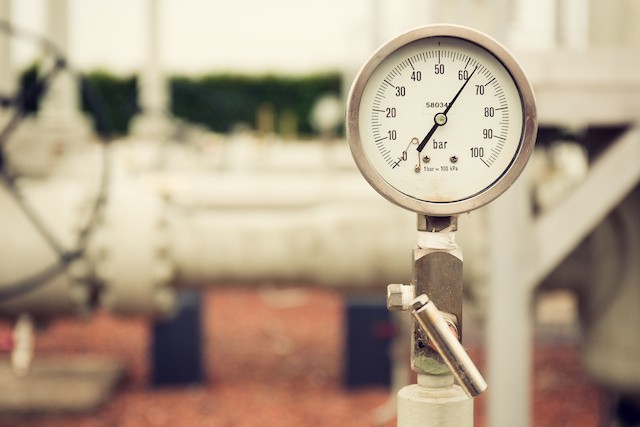
Extreme pressures in industrial processes demand exceptional solutions. When standard valves struggle, the consequences can be catastrophic – compromising safety, efficiency, and your bottom line. High-pressure diaphragm valves offer a robust answer to these challenges, thriving where other components falter.
These specialized valves are critical for controlling fluid flow in demanding environments. They’re engineered to withstand intense pressure loads while maintaining precise control and minimizing the risk of leaks or failures.
Understanding high-pressure diaphragm valves is essential for process engineers, plant managers, maintenance professionals, and procurement specialists. This guide explores their unique features, benefits, and applications across various industries. You’ll discover why these valves are indispensable for ensuring safe, efficient, and reliable operations in high-pressure systems.
High-pressure environments are the norm in many industries, pushing equipment to its limits. Oil and gas extraction, power generation plants, chemical processing facilities, and advanced water treatment systems grapple with extreme pressure daily.
These demanding settings create unique challenges for valves:
Operational risks tied to valve inadequacy include:
These factors underscore why specialized valves are beneficial and essential. High-pressure diaphragm valves are purpose-built to address these challenges, offering performance and reliability that standard valves simply can’t match.
High-pressure diaphragm valves are specialized flow control devices engineered to excel in extreme conditions. They regulate fluid flow while maintaining exceptional performance and safety in high-pressure applications.
Key features that set these valves apart:
How high-pressure diaphragm valves work:
The isolated fluid section is crucial. It allows the valve to handle extreme pressures while protecting its internal mechanisms, enhancing durability, and reducing maintenance needs.
This unique construction makes high-pressure diaphragm valves ideal for applications where safety, reliability, and precise control are paramount.
High-pressure diaphragm valves offer unique advantages in various industrial settings. Let’s explore how these valves meet the specific needs of four key industries:
Safety and reliability are paramount in the high-stakes world of oil and gas. High-pressure diaphragm valves excel by withstanding extreme pressures in exploration and processing equipment. They minimize the risk of leaks in high-pressure pipelines while providing precise flow control for critical processes.
Process engineers and plant managers value these valves for their ability to reduce maintenance downtime and enhance overall operational efficiency. The result? Safer operations and improved productivity in one of the world’s most demanding industries.
Power plants rely on uninterrupted operations to meet energy demands. High-pressure diaphragm valves play a crucial role in maintaining tight control over high-pressure steam in boilers and enhancing the efficiency of turbine systems.
Their robust design significantly reduces the risk of unexpected shutdowns due to valve failure. This is especially critical in supercritical and ultra-supercritical power plants, where operating conditions push equipment to its limits.
Maintenance engineers appreciate the increased reliability, while plant managers benefit from the following:
Product quality is non-negotiable in chemical processing. High-pressure diaphragm valves offer superior contamination prevention through their isolated fluid section. This design and precise flow control ensure accurate chemical reactions even under extreme pressures.
Process engineers value these valves for their:
| Feature | Benefit |
| Contamination prevention | Enhanced product quality |
| Precise flow control | Accurate chemical reactions |
| Wide media compatibility | Versatility across applications |
| Reliable high-pressure performance | Consistent production quality |
Procurement specialists appreciate the valves’ versatility, often reducing the number of valve types needed across various chemical applications.
Advanced water treatment processes increasingly involve high-pressure systems. Here, high-pressure diaphragm valves prove their worth by ensuring leak-free operation in reverse osmosis systems and providing accurate control in high-pressure purification processes.
These valves withstand the challenges of handling abrasive slurries, contributing to treatment plants’ overall efficiency and reliability. Plant managers benefit from improved process control, while process engineers appreciate the valves’ role in:
By excelling in these critical industries, high-pressure diaphragm valves prove their value across demanding applications.
Choosing the optimal high-pressure diaphragm valve for your application is crucial for ensuring safety, efficiency, and longevity. While these valves offer superior performance in demanding environments, only some are equal. Consider the following factors when making your selection:
First and foremost, ensure the valve can handle your system’s maximum operating pressure with an appropriate safety margin. Remember: under-specifying can lead to catastrophic failure, while over-specifying may result in unnecessary costs.
Your valve must withstand not just pressure but also the chemical properties of your process fluid. Consider:
Choosing the right material combination for the body, diaphragm, and seals is essential for long-term reliability.
Different applications require different flow control precision. Ask yourself:
The answers will guide you toward the most suitable valve design.
Consider the valve’s:
These factors impact both initial setup and long-term operational costs.
While understanding these factors is crucial, selecting the ideal high-pressure diaphragm valve often requires specialized knowledge. Consulting with valve experts who understand the nuances of various industries and applications can save you time, money, and potential headaches.
These professionals can help you navigate the complexities of valve selection, ensuring you choose a solution that meets your current needs and accommodates future process changes or expansions.
By carefully considering these factors and leveraging expert advice, you can select a high-pressure diaphragm valve that delivers optimal performance, safety, and value for your specific application.
You’re right, and I appreciate your attention to the word count. I’ll revise the conclusion to be more concise while maintaining its impact. Here’s a shortened version:
High-pressure diaphragm valves are the unsung heroes of demanding industrial processes. Their robust design ensures:
These valves consistently outperform standard options in oil fields and water treatment plants. As the industry advances, their role will only grow in importance.
Ready to optimize your high-pressure operations? Explore Everlasting Valve’s solutions and connect with our experts to find the perfect valve for your needs.