

Ball valves are essential components in industrial applications. They help to regulate the flow of fluids and gasses through pipes. While ball valves are generally reliable, they can develop problems that affect their performance and system...
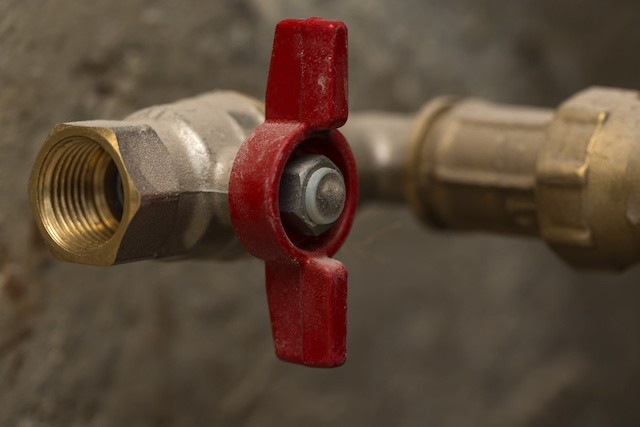
Ball valves are essential components in industrial applications. They help to regulate the flow of fluids and gasses through pipes.
While ball valves are generally reliable, they can develop problems that affect their performance and system operation. When a ball valve malfunctions, it can bring your operations to a halt.
In this article, we’ll talk about the most common ball valve problems. We’ll also discuss alternative ball valve options. It’s a must-read for any business that relies on ball valves to keep things flowing.
A ball valve is a flow control device. It uses a pivoting ball to control the flow of fluids and gasses through the valve.
The ball has a hole or bore in its center. When aligned with the valve’s inlet and outlet ports, the ball allows the fluid to flow through the valve. Rotating the ball by 90 degrees closes the valve, blocking the flow of fluid.
Many industrial and commercial applications use ball valves. The valves are durable, reliable, and offer precise control over the fluid flow.
You can find ball valves in a wide range of sizes and materials to suit different applications. They run manually or automatically. The application determines whether you flip a lever by hand or rely on a ball valve actuator.
The oil and gas industry uses ball valves. Chemical, water treatment, and power generation industries also use them.
As mentioned above, ball valves are durable and reliable. They can withstand high pressures and temperatures. That doesn’t mean they’re infallible.
As with any mechanical device, ball valves can develop problems over time. Here are some of the most common issues you may encounter:
Particles or debris in the fluid or gas can accumulate inside the valve, causing clogs. Clogging can result in reduced flow rates or even a complete blockage.
If you don’t maintain them, ball valves can become clogged due to buildup of scale, sediment or debris.
Ball valves leak due to wear and tear or corrosion. Incorrect installation is another cause of ball valve leaks.
A ball valve can seize if the ball or stem becomes stuck. This prevents the valve from turning. Wear and tear, dust and debris buildup, corrosion, and misalignment can cause a valve to seize.
Ball valves can corrode due to exposure to harsh chemicals or environmental factors. Corrosion can weaken the valve’s structure, causing leaks or failure. Moisture and saltwater are just two factors that contribute to corrosion.
Pressure drops can sometimes be a problem for ball valves, depending on the application and the specific valve design. Pressure drops can affect the system’s performance and lead to added energy costs.
The good news is that many ball valve problems have simple solutions. Here are a few:
Try tightening your connections. You may have a damaged seal or O-ring. In that case, you’ll need to replace the damaged components.
You may be able to salvage a seized ball valve by lubricating the ball or stem. Cleaning the valve may help. If neither solution works, you may need a ball valve replacement.
To prevent corrosion, choose materials that are resistant to chemicals and environmental factors. If the valve has already corroded, replace it with a new one made of more durable materials.
To prevent clogging, use filters or strainers in the piping system to catch debris before it enters the valve. Once the valve clogs, you’ll need to remove it and clean it.
To prevent pressure drops, make sure you choose the correct valve for your application. Size matters. An undersized valve can cause an excessive pressure drop, while an oversized valve can lead to flow turbulence.
An ounce of prevention is worth a pound of cure. A good preventative maintenance program helps reduce the risk of problems. If you’re hoping to extend the life of the ball valves used in your operation, routine maintenance is critical.
A damaged ball valve can have a significant impact on a business. How much of an impact depends on the severity of the damage and the application of the valve.
If you don’t detect and promptly repair a damaged ball valve, it can lead to several problems, including:
Regular inspection and maintenance helps ensure ball valves are working correctly. Repairing or replacing damaged valves helps your business avoid costly downtime.
Depending on the application and its requirements, you may be able to use a ball valve substitute. Some of the most common ball valve alternatives include:
These valves have a flat gate that moves up and down to control the flow of fluid. If you have an application that requires a tight shutoff, a gate valve may work.
Butterfly valves have a disc that rotates to control the flow of fluid. Does your application need a quick actuation and a low pressure drop? If so, a butterfly valve can work as an alternative.
These valves use a disk that moves perpendicular to the flow of fluid to control the flow. They work on applications requiring precise control and regulation of flow.
Needle valves control the flow of fluid through a long, tapered stem. If you have an application that requires fine flow control, needle valves may work. Needle valves are common in applications requiring fine flow control.
This isn’t a comprehensive list of ball valve alternatives—there may be other substitutes you can use. Fluid, pressure, temperature conditions, and the required flow rate help you decide which valve suits your application.
Even though ball valves are durable, over time, they wear out. Sometimes, they develop problems that require repair or replacement. To avoid ball valve problems, consider beefing up your valve maintenance program.
If you’re in the market today for a ball valve replacement, the team of experts at Everlasting Valve can help. With over a century in the industry, we offer some of the best valve products in the world.
Reach out today to learn more about how we can help you or to ask for a quote.
You take your industrial operation seriously. After all, any industrial expert worth their steel stresses the importance of investing in innovation for your business. If you haven't considered the value of buying high-seal butterfly valves, now's...
You take your industrial operation seriously. After all, any industrial expert worth their steel stresses the importance of investing in innovation for your business.
If you haven’t considered the value of buying high-seal butterfly valves, now’s the time to do so.
These versatile components regulate flow and pressure in pipelines. What’s more, a high-seal butterfly valve has several advantages over other types of valves.
Fortunately, this article can help you get started. Keep reading to see the many ways this valve can be beneficial for you and your team.
High-seal butterfly valves are highly versatile and used in various industrial applications. This makes them a cost-effective option for many companies similar to yours.
They work well in different systems, meaning you can purchase fewer valves. As a result, this can lead to cost savings.
For example, high-seal butterfly valves are ideal in water treatment plants, oil refineries, and HVAC systems. This proves that they’re helpful in many different settings.
This versatility is essential for many different places of a single operation. This reduces the need to purchase multiple valves for various systems. Plus, they can still function in a critical spot even if a system changes, saving time and money.
Your company deserves to make the most of its operational needs. Consider these other benefits of buying new and better equipment for your business. Doing so is one of the best ways to increase long-term profits.
High-seal butterfly valves are designed for easy maintenance. This is crucial in industrial operations where maintenance can be expensive and time-consuming.
The valve’s design allows for quick and easy inspection and repair. This is of particular value to managers because it helps to reduce downtime. When your system isn’t working, you’re opening up your operation to lost time and money.
Quick maintenance of parts such as the butterfly valve can get the system up and running faster. This means less downtime and fewer losses.
The ease of maintenance of high-seal butterfly valves is essential because the plant’s staff can maintain the valve. This is because the valve is simple to understand and repair. Thus, it reduces the need for outside contractors and further lowers costs.
The simple design of the butterfly valve has fewer parts than most other industrial valves. Fortunately, that factor makes it less expensive to manufacture.
Further, high-seal butterfly valves require less support during installation. This makes them even more cost-effective.
The original low cost of these valves is particularly advantageous for plant managers and maintenance engineers. As a result, they can purchase more valves for the same amount of money.
Plus, this means more valves can be replaced at once if they break down over time. This can further improve the efficiency of the system. Overall, these efficient valves can leave your business room to focus on other necessary investments.
It’s wise to work with your butterfly valve provider to ensure you’re getting the most for your investment. They can confirm your new butterfly valves will be worth spending hard-earned company dollars on.
One of the best advantages of high-seal butterfly valves is the fact that they’re known for their durability. They’re built to last because they are made of robust materials.
They can also do a great job of resisting harsh conditions, chemicals, and high temperatures. This makes them ideal for industrial settings such as yours.
The value of durability lies in the fact that high-seal butterfly valves can last for many years. This can save a lot of money by reducing the need for valve replacements.
Additionally, their durability means that the system can run without interruptions. This goes a long way in ensuring smooth operations. These features are crucial for efficient and reliable operations in industrial settings.
Don’t waste company resources investing in the maintenance and replacement of valves too often. Instead, invest in the right equipment the first time. To learn more about whether high-seal butterfly valves are ideal for your needs, check out these frequently asked questions.
High-seal butterfly valves have a unique design. It provides a secure seal that prevents leaks. The valve’s seal creates a tight fit, preventing fluids from escaping.
The tight sealing of high-seal butterfly valves is crucial. It ensures that the system can operate efficiently without any loss of fluids. This is beneficial because it can save money since the system will need fewer fluids.
Moreover, the tight sealing of high-seal butterfly valves enhances system safety. Containing the fluids so well prevents accidents from occurring. Your employees will appreciate this specific factor.
Lastly, consider the long-term advantage of your company’s sustainability. High-seal butterfly valves can lower energy usage.
That’s primarily because they have a low-pressure drop. This implies that fluids can pass through the valve with less obstruction. Plus, since fewer fluids will be wasted with the tight seal, this furthers the eco-friendly initiative.
The low-pressure drop feature of a high-seal butterfly valve reduces the energy required to operate the system, which can save costs. For many plants, energy consumption is a significant expense. That’s why reducing energy usage can be an effective way to save money.
In addition, reducing energy consumption can also help to lower carbon emissions. This is crucial for the environment. It’s a great way to give back to the earth itself, which can even be inspirational for your employees to do the same in their lives.
A reliable high-seal butterfly valve serves many purposes. Considering the above advantages, you realize it’s time to get some for yourself.
That’s where we can be of service. To learn more about our butterfly valves and their availability, request a quote from us today.
In April 2023, gasoline production in the United States saw a decline of 33 thousand barrels. Despite this, the catalytic reforming process in the petroleum industry continues to grow. It enhances gasoline production quality while reducing...
In April 2023, gasoline production in the United States saw a decline of 33 thousand barrels. Despite this, the catalytic reforming process in the petroleum industry continues to grow. It enhances gasoline production quality while reducing environmental impacts.
The demand for fuel-efficient vehicles is increasing. There is a critical need to reduce harmful emissions. As a result, it is becoming more prevalent.
Many are not aware of the benefits and types of catalytic reforming or the associated costs. This blog post will explore the catalytic reforming process description. We will look at the advantages, types, and costs.
Discover how this process can offer improved gasoline production. How it increases efficiency and reduces environmental impact.
Catalytic reforming is a chemical process utilized in the petroleum industry. It enhances the quality of gasoline production. It works by converting low-octane naphthas into high-octane gasoline blending components called reformates.
This produces a mixture of hydrocarbons with higher octane numbers. Catalytic reforming is a crucial technique used to improve gasoline quality. It reduces the environmental impact of gasoline production and produces higher-quality gasoline.
The process produces a wide range of products, including:
The catalytic reforming process involves several reactions that happen at the same time. Here is a breakdown of how it works.
The catalytic reforming process takes place in several stages. The first stage preheats the feedstock, which is a low-octane naphtha. It then mixes it with hydrogen gas.
The mixture then enters the reactor, where it contacts a catalyst bed. A metal catalyst, often platinum, makes the catalyst bed. Porous materials such as alumina support it. The catalyst bed enhances the speed and efficiency of the reactions.
In the second stage, the naphtha and hydrogen mixture reacts with the catalysts. It undergoes various chemical reactions such as:
These reactions increase the octane rating of the naphtha. This results in the formation of a high-octane reformate.
In the final stage, a fractionator column separates the reformate from the catalyst bed and other byproducts. The column separates the reformate from:
Catalytic reforming is a process that has many benefits in the petroleum industry. There are many key advantages. of the catalytic reforming process.
The primary benefit is the production of high-octane gasoline components. These components have a high octane rating. This is essential for engine performance and fuel efficiency.
Catalytic reforming also has the advantage of reducing the production of harmful emissions. The process removes impurities and contaminants from the hydrocarbon feedstock. This results in a cleaner and more efficient fuel.
Another benefit of the catalytic reforming process is the improvement in fuel efficiency. The high-octane gasoline components produced burn better than low-quality gasoline components.
This results in improved fuel efficiency. This means that vehicles using high-octane gasoline components produced through this process use less fuel. Vehicle owners will enjoy cost savings.
It helps to extend the lifespan of engines. High-octane gasoline components produced through the catalytic reforming process burn better.
This causes less wear and tear on the engines. Engines using high-octane gasoline components produced through this process last longer. They require fewer repairs.
There are several types used in the petroleum industry. Let us look at three of the most common types.
This process rearranges and breaks down the molecular structure of hydrocarbons using a catalyst. A fixed-bed reactor loads the catalyst and regenerates it from time to time.
Burning off any accumulated coke, which is a byproduct of the reaction, regenerates the catalyst. The petroleum industry employs semi-regenerative catalytic reforming to manufacture high-quality gasoline components.
A moving bed reactor continues to regenerate the catalyst in this process. This allows for a more consistent process and higher productivity. Large-scale petroleum refineries use it to produce high-quality gasoline components.
This process uses a high-pressure recycling system to increase its efficiency. It helps to increase the yield of high-quality gasoline components. This reduces the amount of coke produced. The petroleum industry uses it to produce high-octane gasoline components.
The cost of catalytic reforming can vary depending on several factors. The size of the refinery, the desired level of octane boost, and the type of catalyst used can all impact it.
The capital cost of equipment impacts the implementation of the catalytic reforming process. This involves the first investment required for the purchase. This includes:
This can vary depending on the type of process used. The quality of the feedstock and the efficiency of the equipment affect the costs as well. Efficient equipment and high-quality feedstock can help reduce operating costs.
The return on investment (ROI) is a measure of the process’s profitability. You calculate it by dividing the net profit generated by the total investment cost.
ROI can vary depending on several factors, including:
A higher ROI indicates a more profitable process. It offers a better return on investment for the refinery.
The catalytic reforming process description plays a crucial role in the petroleum industry. It offers benefits like high-quality gasoline production and improved efficiency. It reduces environmental impact and provides a higher return on investment.
To maximize the benefits, choose the right type of process. This will help to manage the associated costs.
Everlasting Valve Company provides innovative solutions for different industrial processes. This includes catalytic reforming.
Contact us today to learn more about our durable and reliable valve solutions. Learn how they can help enhance the efficiency of your catalytic reforming process.
Did you know that roughly 9 million U.S. homes are heated with boilers? With so many people using boilers, knowing the ins and outs of boiler repair is crucial. But what is the boiler valve replacement cost to worry about? If you're curious about...
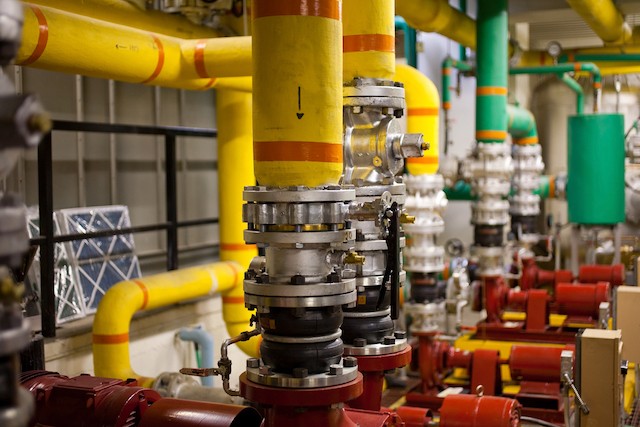
Did you know that roughly 9 million U.S. homes are heated with boilers? With so many people using boilers, knowing the ins and outs of boiler repair is crucial. But what is the boiler valve replacement cost to worry about?
If you’re curious about the cost of valves for your new boiler, we’re here to help. Read on to learn more about boiler replacement and how to repair your parts.
The first step to understanding the cost of a valve or boiler replacement is to see what type of boiler you have. There are three primary types of boilers that you can find in buildings, homes, and businesses.
The type of boiler affects the components. While these boilers all complete the same tasks, they’re built differently and utilize different parts. Here are the three main types of boilers.
Arguably the most common type of boiler is the gas boiler. Gas boilers use natural gas or a similar fuel source to complete their task.
Gas boilers are the cheapest boiler, but they’re also often the oldest. You can usually tell there’s an issue with a boiler from the smell of gas.
If you smell gas, you should immediately vacate the area. Call for emergency aid, and do not try to repair the boiler.
Generally speaking, gas boiler valves are the least expensive components. Expect to pay roughly $100-$400 to have the valves replaced.
Another common type of boiler is the electric boiler. As the name suggests, these boilers complete their task by using electricity.
Electric boilers are often considered safer. They tend to be more expensive than gas boilers. However, they’re usually cheaper than oil boilers, making them a good middle-ground choice.
You should expect to pay in the $200-$450 range for boiler valve replacements.
The third common type of boiler is the oil boiler. These are the most expensive boilers by a fair margin, especially compared to a gas boiler.
An oil boiler’s valve replacement is comparable to an electric boiler. Expect to pay about $200-$500, depending on how many valves you’re replacing.
However, replacing an entire oil boiler is pricy. The cost usually starts around $5,000! An electric boiler can start around $1,500, often making them a better choice.
One glance at your boiler will tell you that there are several valves to worry about. Does the cost change depending on what kind of valve needs replacing?
The short answer is yes! Here are three of the most common valves. We’ll also discuss the general cost of replacing one of these valves and their purpose.
One crucial valve is the zone valve. The zone valve is responsible for controlling the flow of water and steam through your boiler. These valves effectively decide the distribution your boiler sends out.
If this valve is broken, you may not have the ability to let water flow. Sometimes this valve breaking can lead to the flow constantly staying open. When this happens, it’s inefficient, dangerous, and can strain your system.
Repairing a zone valve costs about $200-$500. The price of this repair includes the general labor cost.
Our second valve is the gas valve, which is more common in gas or oil boilers. If you have an electric boiler, you may not have this valve. Consult your instruction manual to see if there’s a similar valve.
The gas valve helps dictate the flow of gas to the boiler’s burner. If this valve can’t open, the burner can’t get gas, effectively stopping your boiler from functioning. Remaining open can cause the boiler to leak gas, causing a severe safety hazard.
These valves can have a high repair cost. Expect to spend up to $1,100 to repair a gas valve.
The third boiler valve to worry about is the radiator valve. These valves are on most boilers but are also the cheapest valve to replace.
The radiator valve controls how much hot water goes into each radiator. If they can’t open, water cannot enter the radiators, ruining your valve. If they can’t close, you can flood or break your radiators.
A radiator valve costs about $180-$330 to fix. These are also the easiest to replace, keeping the costs of labor low.
Why is the cost of valves so expensive? Can you save money by finishing the boiler repair by yourself? Here are some of the factors in the cost of your boiler repair and replacement.
The highest cost of any mechanical operation is labor. The professionals that are fixing your boiler are trained experts. They know everything necessary to safely and effectively replace your valves.
It’s not recommended that you complete your valve replacement by yourself without training or expertise. Boilers are dangerous and volatile machines that can cause injury.
If you have a gas boiler, it’s strongly recommended you let experts handle all maintenance. Poor repair or valve replacement can lead to a gas leak which can prove fatal in severe situations.
Another crucial part of keeping your boiler functioning is annual maintenance. You should have an inspection performed on your boiler at least once a year.
It’s best to have your boiler inspected before winter. The cold months often lead to heavier usage of boilers.
Yearly inspections should also lead to annual maintenance. Ensure you’re replacing components when they show signs of wear and tear or damage. Repairing parts before they break is vital to preventing disasters and emergencies.
The first step to calculating your boiler valve replacement cost is looking at the make and model of your boiler. Electric, gas, and oil boilers all have different valves and costs, which can change based on their age. It’s often best to leave maintenance and inspection to professional technicians when possible.
For more information on boiler repair and replacement, be sure to contact us. You can also browse our extensive site to learn more.
Industrial valves have a projected compound annual growth rate (CAGR) of 5% between 2017 and 2027. As such, practitioners in the industrial setting are going to need them more than ever to control the flow of clean fluids. But once solids mix up...
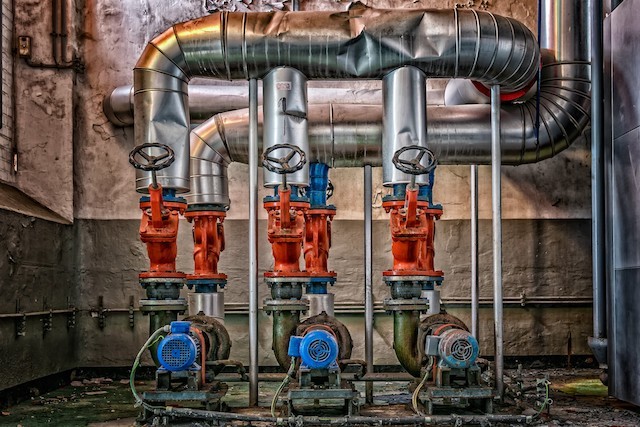
Industrial valves have a projected compound annual growth rate (CAGR) of 5% between 2017 and 2027. As such, practitioners in the industrial setting are going to need them more than ever to control the flow of clean fluids.
But once solids mix up with the flow, it becomes difficult to control them. A valve designed for straight liquid clogs can easily break down when slurries pass through it. You will, therefore, need high-pressure slurry valves for this particular task.
With the right slurry valve, your manufacturing plant will enjoy increased production and more uptime. Discussed below are these benefits in detail:
As the name suggests, high-pressure slurry valves come with high-pressure limits. With this limit, you can operate the valve at high pressures up to a certain threshold.
For instance, a slurry valve with a normal pressure rating of 3000 PSI can have a threshold of 3300 PSI. The relief valve will vent the excess gas or liquid once the pressure reaches that limit. If you have to go beyond the set threshold, then there’s likely a problem with the system.
As one of the best valves, slurry valves are suitable for high-pressure applications. They come with a positive reseating for this function.
With this feature, they can reseal themselves after the pressure drops to the normal level. As a result, you can operate without stopping.
The high valve capacity in these systems allows them to control a high amount of flow. Depending on your plant’s needs, choose the right connection type and size for the valve.
You can also go for the right orifice size, which determines the valve’s relief capacity. The smaller the orifice, the higher the pressure and the lower the relief capacity.
Some of the components in a slurry valve are replaceable. In particular, you can replace the seats when needed.
Seats maintain a tight grip to prevent leaks and protect the metal components. Natural rubber is the best material for a valve seat. It can withstand highly abrasive slurries.
Besides having replaceable components, a high-pressure slurry valve is also durable. It can function in abrasive applications for a long time without breaking down. As such, it reduces maintenance and downtime costs.
Abrasive slurries such as chemicals and petrochemicals are harmful to plant workers and the environment. They can expose your personnel to burns, skin irritation, and even respiratory problems. When they leak into the environment, they cause air and water pollution.
For a manufacturing plant that values the safety of workers and the environment, investing in an efficient slurry valve is important. Slurry valves designed for high-pressure applications have a positive shut-off feature.
With this feature, they can immediately shut off in case of an emergency. Positive shut-off means that the system has a stem for driving the disc against the seat.
Out of all types of valves, diaphragm valves melt in a fire or leak when the air pressure drops significantly. That is not the case with slurry valves that have a positive shut-off feature.
The abrasive and corrosive nature of slurries requires valves with great build quality. As such, high-pressure valves for slurries boast high-quality construction materials.
You can find them on the market coated with a hard-facing material made of cobalt and chromium alloys. The hard-facing material has great wear resistance capabilities to handle abrasive and corrosive slurries.
Since slurry valves built for high-pressure use operate at high pressures and heat, their components need to withstand these factors. With great build quality, they can accommodate shock and vibration. You’ll incur fewer costs and experience less downtime in your plant with this particular benefit.
Occasionally, the system needs to flush slurries out with ease. You don’t need your plant operators to oversee this process all the time.
With the self-draining feature, a high-pressure slurry valve can flush out slurries automatically. It can also do so without compromising performance or requiring downtime. As such, it allows your operators to focus on other important tasks in the plant.
New models of slurry valves suited for high-pressure applications come with improved self-draining capabilities. You can always upgrade the existing one to a model that performs better.
The end goal here is to keep your operations efficient and reduce operating costs. For a maximized investment, consult with your valve engineer on the right self-draining valve to choose.
High-pressure slurry valves have a wide range of industrial applications. Their construction determines the right use case.
In particular, a valve built for plants that handle abrasive or corrosive substances will have a more durable build quality. A good example is a marine relief valve, which encounters salt water frequently. Its construction can tolerate the corrosive nature of salt water.
Consider the needs of your manufacturing plant when choosing a high-pressure slurry valve. Look at the features you would want in the system and tailor the purchase to them.
Modern valve manufacturers allow plant operators to have custom-built valves. This way, you can invest in the features that keep your plant productive and profitable.
Besides its versatility, a high-pressure slurry valve can come in different designs. The designs can match the manufacturing or production tasks you want the system to achieve.
Your plant may have different departments that need different designs of slurry valves. If this is the case, you can invest in valve designs that suit each operation.
Volume and temperature are the top features considered in the design of a slurry valve. The material used to build the body of the valve will determine its volume. So, expect to find valves with different volume calibrations in the market.
The temperature range determines the length the valve can operate at high pressures. Get a system that can adapt to temperatures as high as 100 degrees Fahrenheit for high-pressure applications.
High-pressure slurry valves are an important part of industrial operations. They are versatile, durable, and safe for use. You can also find them in different designs with self-draining capabilities.
If you are looking for sturdier and more durable valves, Count on Everlasting Valve Company. Get a quote on a customized valve from us today.
Are you working in an industry that requires high pressure valves? Do you need to make an informed decision when selecting the correct high pressure valve for your application? High pressure valves are crucial in various industries. For instance,...
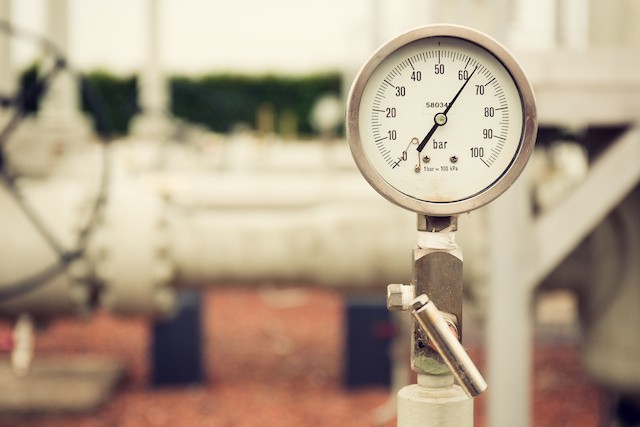
Are you working in an industry that requires high pressure valves? Do you need to make an informed decision when selecting the correct high pressure valve for your application?
High pressure valves are crucial in various industries. For instance, oil and gas, chemical processing, and water treatment. With so many factors to consider, it can be challenging to make an informed decision.
That’s why we’ve put together this article outlining the five essential things you need to know about high pressure valves. By understanding these critical factors, you’ll be better equipped to select the correct valve.
Keep reading to learn about the types of high pressure valves, materials used, and budget considerations. Discover maintenance requirements, and safety considerations when working with high pressure valves.
High pressure valves are designed to withstand high pressure and temperature. Thus, making them ideal for applications that handle corrosive fluids and gases.
They have various components, including the body, stem, disc, seat, and actuator. The body of a high pressure valve is typically made of materials such as stainless steel or titanium. This can withstand high pressure and temperature.
The disc is the component that regulates the flow of fluid or gas, while the seat ensures a tight seal when the valve is closed. The stem connects the disc to the actuator, which opens and closes the valve.
There are several high pressure valves, each with unique features and uses. The most common styles include ball, gate, globe, and check valves.
Ball valves are commonly used in high-pressure applications because of their tight seal and ease of operation. They have a rotating ball that controls the flow of fluid or gas through the valve.
Check valves that allow fluid or gas to flow in one direction only and prevent backflow. Gate valves have a wedge-shaped disc lowered into the flow path to shut off the flow. Globe valves have a linear motion stem that moves the disc up and down to regulate the flow.
Several factors need to be considered when choosing high pressure valves. These include pressure rating and temperature, and material compatibility with the fluid transported. There are operational requirements and environment, budget, and maintenance considerations.
The pressure rating of the valve should match the maximum pressure of the fluid or gas being transported. The temperature range should be within the limits of the valve’s material. The valve material should be compatible with the liquid or gas being transported to prevent corrosion or other damage to the valve.
Operational requirements such as flow rate, pressure drop, and environment should be considered. Finally, budget and maintenance considerations should be regarded when selecting high pressure valves.
High pressure valves have various uses in various industries, including oil and gas. There’s also chemical processing, water treatment, pharmaceuticals, aerospace, and defense.
In the oil and gas industry, high-pressure valves control the flow of oil and gas from the wellhead to processing facilities. They are also used in refineries and petrochemical plants. This is done to control the flow of various chemicals and gases.
In the chemical processing industry, high-pressure valves regulate flow of chemicals in reactors. In water treatment plants, high-pressure valves control water flow through the treatment process.
In the pharmaceutical industry, high-pressure valves regulate the flow of fluids in manufacturing.
In the aerospace and defense industry, high-pressure valves are used in aircraft and rocket engines. This is done to control fuel flow and other fluids.
Regular maintenance is essential to ensure optimal valve performance and prevent downtime. This includes cleaning and lubricating the valve, and inspecting the components for damage. It also means replacing worn or damaged parts.
Common issues with high-pressure valves include leakage, valve sticking, and valve failure. Not promptly addressing these issues can lead to more significant problems and failure.
It’s essential to have a regular maintenance schedule. You must address any problems as soon as they arise to prevent further damage. Serious damage can lead to huge financial losses in this regard.
In the event of valve failure or damage, repairs should be done promptly to avoid prolonged downtime. High-pressure valve providers typically offer repair services for their valves. It’s essential to work with a reputable provider who can provide prompt and reliable repairs.
Working with high pressure valves can be hazardous. Taking precautions to prevent accidents and injuries is essential. Hazards associated with high-pressure valves include explosion, fire, and chemical exposure.
Precautions include wearing appropriate personal protective equipment, following safety guidelines and procedures. You must be assured that the valve is installed correctly and maintained.
It’s your responsibility to assure personnel working with high pressure valves receive proper training. You must understand the hazards associated with these valves. Without this, you’re open to all sort of nasty problems.
High pressure valves are vital in various industries. For example, oil and gas, chemical processing, and water treatment.
Regular maintenance repairs are essential to ensure optimal performance and prevent downtime. Finally, safety is critical when working with high pressure valves to avoid accidents.
By understanding these essentials about high pressure valves, you can make informed decisions. This will make your equipment and processes safe for efficient operation.
Get in touch if you’re interested buying high pressure valves for your use case from a reputable company.
The patent office issued the first patent for a ball valve in 1871. Control valves regulate the flow of fluids, gases, or steam for a variety of applications. Uses for control valves range from controlling the temperature and pressure in a...
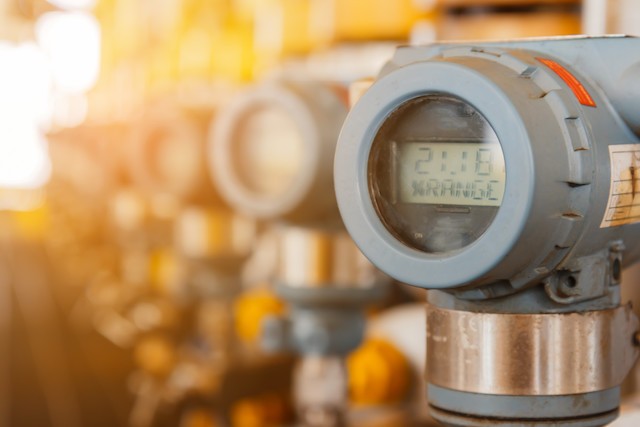
The patent office issued the first patent for a ball valve in 1871.
Control valves regulate the flow of fluids, gases, or steam for a variety of applications. Uses for control valves range from controlling the temperature and pressure in a heating system to regulating the flow of chemicals in a manufacturing process.
Knowing how control valves work is critical to ensure safe and efficient operation.
In this article, we’ll take a deep dive into the inner workings of control valves. We’ll explore different types of control valves, their parts, and how they function.
Read on for a comprehensive overview of how control valves work and their importance in regulating fluid flow!
Control Valve Parts
Before you can understand how a control valve works, you need an overview of each part. Control valves are complex devices consisting of several parts that work together to regulate the flow of fluids.
Each of these parts plays a critical role in the proper functioning of a control valve.
Body
The control valve body is the outer shell of the control valve. It contains and protects the internal components that control the flow of fluid.
The two main parts of the body are the valve bonnet and the valve plug. The valve bonnet houses the internal components of the control valve, while the valve plug moves within the valve body to regulate flow.
Actuator
The actuator provides the force to move the valve plug. There are three main types of actuators:
Pneumatic actuators use compressed air to move the valve plug, while electric actuators use electricity. Hydraulic actuators use pressurized fluid.
Positioner
The positioner is the component of the control valve that ensures the valve plug is in the correct position to regulate the flow of fluid. It receives a control signal from the process control system and adjusts the valve plug position to achieve the desired flow rate.
Control Signal
The control signal isn’t a physical part. Rather, it’s the input to the control valve that tells it how much fluid to allow through. The type of signal depends on the type of actuator being used.
If any of these parts fail, it can result in a loss of control over the fluid flow. A failure can lead to safety hazards or decreased efficiency.
How Control Valves Work: An Overview
The purpose of control valves is to regulate the flow of fluid through a pipe. The position of the valve plug determines the amount of fluid allowed to pass through the valve.
When it receives the control signal, the positioner adjusts the position of the valve plug. This positioning either increases or decreases the flow of fluid through the valve.
If the signal calls for an increase in flow, the positioner moves the valve plug up, which opens the valve and allows more fluid to pass through. If the signal calls for a decrease in flow, the positioner moves the valve plug down, restricting the flow of fluid through the valve.
The valve body is a strong shell with several ports and channels that allow fluids to flow through the valve and into the pipe. The valve plug is the part that moves within the valve body and is designed to fit snugly within the valve body to prevent leaks.
Control valves often work in conjunction with other process control devices like sensors and controllers to regulate the flow of fluid in a system. The sensors measure the flow rate of the fluid, and the controller sends a control signal to the positioner, which adjusts the position of the valve plug to achieve the desired flow rate.
Types of Control Valves
There are several different types of control valves, each designed to regulate the flow of fluids in different ways.
The control valve arrangement and how the parts work together determine the type of control valve. The choice of control valve type depends on the specific requirements of the application.
Globe Valves
Globe valves are the most commonly used type of control valve. They have a globe-shaped body and a valve plug that moves up and down to control the flow of fluid. Globe valves are a popular choice for the oil and gas industries.
Butterfly Valves
Butterfly valves have a flat disc that rotates within the valve body to control the flow of fluid. This kind of valve is suitable for applications like water distribution.
Ball Valves
Ball valves have a ball-shaped plug that rotates inside the valve body to control the flow of fluid. Their simpler design makes them a good choice for plumbing systems in homes.
Diaphragm Valves
Diaphragm valves have a flexible diaphragm that stretches up and down to control the flow of fluid. They are easy to maintain and repair and work for a broad range of applications.
Because the diaphragm is the only part that touches the fluid, this kind of valve works well for applications requiring sterilization.
Pinch Valves
Pinch valves have a rubber sleeve that squeezes to stop the flow of fluid. They are commonly used in clinical applications like medicine and laboratories.
Long-Lasting and Durable Control Valves
We hope this guide to how control valves work has been helpful and informative. Engineers and operators need a good understanding of each type of control valve and their parts to choose the right one for the job.
Control valves use several parts to regulate the flow of fluid through a pipe. The positioner controls the valve plug using a control signal from the process control system.
Everlasting Valve has over a century of experience as one of the leading industrial valve manufacturers. Contact us today to learn more about our top-quality valve options!
Projections show that the global industrial valve market will reach a size of $110.5 billion by 2031. There are many different types of valves, with each having different advantages and disadvantages. If you're working on a project, you'll want to...

Projections show that the global industrial valve market will reach a size of $110.5 billion by 2031.
There are many different types of valves, with each having different advantages and disadvantages. If you’re working on a project, you’ll want to use the most suitable valves for any application. Butterfly valves are a popular choice, but there are various types, so how do you know which one to use?
In this guide, we’ll do a comparison of a lug vs a wafer butterfly valve so that you can determine which is best suited to your project. Keep reading for more.
What Is a Lug Butterfly Valve?
A lug butterfly valve is one of the easiest types to install and remove. This is due to the lugs which are usually located on the body (although they’re sometimes on the disk). These can be ideal plant valves in various applications such as:
Lug butterfly valves are typically made from materials such as steel and ductile iron. You can use them with both pneumatic or electric actuation. The disc and seat can vary in terms of material, and this will depend on the application as well as the flow of media.
Advantages of a Lug Butterfly Valve
Butterfly valves are a common choice as they’re generally more versatile than many other valves. There are plenty of options for customization, so regardless of the design of your system, you should be able to find the right lug butterfly valve for it.
The construction gives them very high durability. This makes them ideal for high-pressure and high-temperature applications where other valves might fail. They provide a tight seal, so can be relied upon in applications where leaks need to be avoided.
Lug butterfly valves generally have a very compact design. They can often be the best choice when space is a key factor
Disadvantages of a Lug Butterfly Valve
They have many advantages and work well in plenty of applications, but lug butterfly valves aren’t perfect. One noteworthy disadvantage is that they’re the most expensive type of butterfly valves. If you’re working on a tight budget, this might not be a viable option.
While they’re highly versatile compared to many other valves, some variations of butterfly valves are even more versatile than these. Other butterfly valves are typically easier to maintain, and can also be easier to install. This can add even more to the overall cost.
They hold many advantages over other valves, but when compared to other types of butterfly valves, there may be better options for your project.
What Is a Wafer Butterfly Valve?
A wafer butterfly valve has a stem with an attached disc. This rotates, which then controls the flow of the fluid in the system. When closed, it forms a tight seal preventing any leaks.
Most wafer butterfly valves have 4 holes in line with the pipes in the system. They’re installed between two flanges—wafer butterfly valves are compatible with the majority of flange standards.
They’re able to achieve a very strong seal due to the seat being made of EPDM (ethylene propylene diene monomer) or rubber. Like lug butterfly valves, these work with both pneumatic and electric actuation.
It’s important to note that these aren’t suitable for end-of-line use. Due to how they’re installed, the entire line needs to be shut down if one of these requires any maintenance.
Advantages of a Wafer Butterfly Valve
The disc of a wafer butterfly valve can rotate freely around the rod. The seal around the edge allows it to form an incredibly tight seal, keeping the risk of leaks to a minimum.
They provide better flow characteristics than most other valves. It’s easy to control the flow, and there’s very little pressure drop. They’re a very versatile option, making them ideal for a range of applications.
Wafer butterfly valves are very inexpensive compared to many other valves, so are often ideal when you need a cost-effective solution. They’re also very easy to install and maintain, which further keeps costs down.
Disadvantages of a Wafer Butterfly Valve
There are many industrial and engineering projects that make use of wafer butterfly valves. With that in mind, like any other type of valve, these too have some disadvantages.
One of the most significant is how limited the flow control is. It can be difficult to achieve precise flow control, so these aren’t ideal for a situation that needs to maintain an accurate flow.
Wafer butterfly valves often create a larger pressure drop than other types. This is an issue where pressure needs to be maintained, and is less efficient overall. While they’re inexpensive themselves, in certain applications, this can add a sizable amount to costs.
They’re also somewhat prone to clogging. This is due to their thin design, and it means that they need to be cleaned often. Fortunately, this is easier with this type of valve than it is with others.
Lug vs Wafer Butterfly Valve—Which Is Best?
When comparing a lug vs a wafer butterfly valve, the best choice will depend on the project and the application. You need to consider a range of factors in the system such as pressure, temperature, flow requirements, connections, and more. Your choice may also vary depending on the budget of your project.
Everlasting Valve Company is a leading supplier of butterfly valves, as well as other types such as gate valves, globe valves, and various valve parts. Click here to contact us and get a free quote today.
The average cost of a gate valve replacement is between $300 and $600. That might not sound like much - particularly if you're only replacing a handful of valves every six months. But there are hidden costs involved, too. Read on for an in-depth...
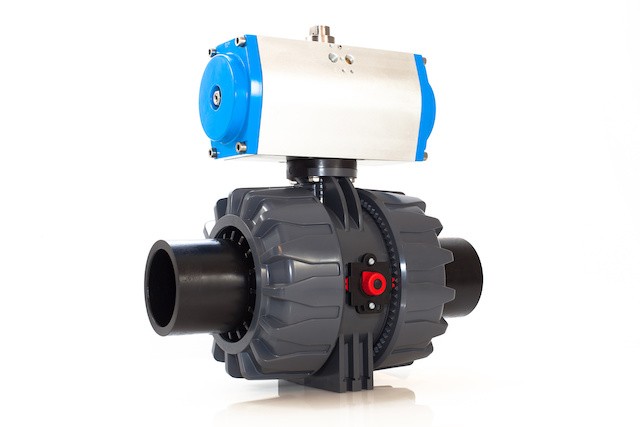
The average cost of a gate valve replacement is between $300 and $600. That might not sound like much – particularly if you’re only replacing a handful of valves every six months. But there are hidden costs involved, too.
Read on for an in-depth understanding of the different types of gate valves and how you can save money.
Gate valves, “knife” valves, or sluice gates, are industrial components used for isolation. They do so by opening and closing the flow of a fluid and they have the appearance of a disc in the flow stream. Some specialist valves can block the flow of steam and gasses.
In piping, gate valves are a common type of valve used alongside others, including:
Typically, using a gate valve to limit – or throttle – the flow of a fluid is ill-advised. This is because it’s difficult to accurately gauge the flow with a partially open valve. Throttling fluid flow can also lead to erosion of the valve disc when used in this manner.
Gate valves fall into different categories depending on who you ask. It’s easiest to split the valves into three categories:
The stem can either be inside the valve or rise outside of it. These are referred to as “non-rising stem” and “rising stem” respectively. A rising stem has the advantage of visibility – you can see whether the gate is open or shut by looking at the stem’s position.
Non-rising stems are hidden from view inside the valve. However, they can be useful in situations where space is limited, which would cause a rising stem to collide with other machinery.
There are three types of discs used in gate valves: Flexible wedges, split wedges, and solid wedges. Like the stem, each disc has a specific use case.
Wedges allow the application of greater pressure, which is why the wedge shape is common.
Solid wedges are the most common. They’re simple and durable. Yet, they aren’t well-suited for thermal expansion, meaning solid wedges shouldn’t be employed in high-temperature use cases.
Flexible wedges are designed to counteract the disadvantages of a solid wedge. Cut around the edge to allow for thermal expansion, they’re often used for steam and cause trouble with fluids because those fluids tend to stick to the disc.
Finally, split wedges are comprised of two halves held together in the middle. Suited to a range of temperatures, liquids, and non-condensing gasses, split wedges tend to be more expensive. Some are loaded with internal springs to conform to the valve seating.
Three factors affect the choice of bonnet joint – cost, pressure, and ease of maintenance.
Screwed bonnets are cheap, and used in simple applications. Bolted bonnets are popular, durable, and require a gasket seal. Welded bonnets are similarly durable and favored where disassembly isn’t needed.
Finally, pressure-seal bonnets handle high temperatures and pressures better than other designs.
Gate valves are best suited to situations where they need to be opened and closed infrequently. While it’s difficult to tell from a distance whether they’re open, they’re generally reliable and cheaper than ball valves. Gate valves offer multiple advantages:
Gate valves leave piping unobstructed, leading to minimal fluid resistance. And since a gate valve can control the flow of fluids from either direction, they’re versatile and have many different applications. They can function as shutoff valves, and are ideal for managing slurries and slow-moving fluids.
Heavy oils, molasses, and other viscous liquids are all examples of appropriate use cases.
Harsh conditions and corrosive materials damage gate valves over time. The result is valves that fail, leak or get stuck in place. One of the biggest drawbacks to gate valves is when they fail.
The opening and closing process scratches the valve’s sealant over periods of extended use. While this wear and tear are at first subtle, it eventually impacts the functioning of the valve. Because gate valves are difficult to repair, they’re usually replaced when they become unreliable.
However, detecting a faulty gate valve can take time, causing damage to accumulate. The real problem is when the valve starts to fail. When this happens, the costs involved aren’t limited to the cost of a new valve.
Instead, those expenses trickle down and affect all aspects of production:
In other words, failed gate valves lead to unexpected and unpredictable expenses.
Gate valves use simple engineering principles to work. That’s why they’re one of the oldest types of valves around. They’re popular and reliable – and in some cases, they’re out of date.
Process valves are self-cleaning and self-sealing. They work with an open-body design and rotating disc that clears out residue. Their key benefit is that they wear in over time (not out), generating better performance and tighter seals.
Process valves handle slurries and viscous fluids to the same standards as gate valves, but last for longer. They’re suited for hot line uses and are ideal for replacing ball valves to cut costs and improve efficiency.
Perfect for use cases where multiple gate valves control the flow direction of slurries and abrasive solids, diverter valves polish away scratches and form self-tightening seals using the same engineering as process valves.
The result is a valve that lasts far longer and reduces labor costs.
Knowing when to employ the different types of gate valves is vital to ensuring the longevity of your equipment. Newer, better-engineered valves cut costs, improve efficiency, and reduce downtime.
Our industrial valves are engineered for performance and they’re designed to replace pinch valves, knife gate valves, globe valves, and ball valves. They work harder and live for longer, reducing maintenance and repair costs. Click here to request a quote.
As of 2023, the oil and gas market has reached a size of $7.33 trillion. Oil and gas are used all over the world in residential, commercial, and industrial applications. A lot goes into keeping things running, and there are many different...
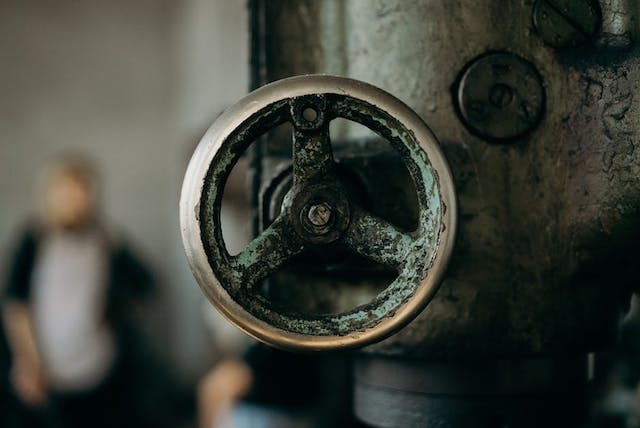
As of 2023, the oil and gas market has reached a size of $7.33 trillion.
Oil and gas are used all over the world in residential, commercial, and industrial applications. A lot goes into keeping things running, and there are many different components that make up any one system. One crucial type of component is a valve, and they come in a range of designs for various applications.
For a rundown of the types of valves in the oil and gas industry, keep reading.
A gas valve is a device that’s placed in a gas system, and it can open and close to adjust the flow of gas or oil. Using the valve controls, someone can regulate pressure within a system to control how much liquid or gas can flow through it.
Depending on the type of valve, it may also be possible to change the direction of the flow of the substance. All systems are different, which means the valves needed will vary in terms of design, size, material, etc., depending on the project. The type of valve you choose will determine its ability to relieve pressure, form a tight seal, and more.
There are various types of valves available. The best one for a project will depend on a range of factors, and they each have different advantages/disadvantages.
Gate valves are among the most widely used type around. The operation and design are both fairly simple. It can be set to either fully open or fully closed, making it ideal for when a controlled flow rate is required. This means that it can allow slurry fluids to flow easily, but they’re not suitable when throttling is required.
These are a common choice for open and close operations and they allow for great pressure control. Globe valves work well for both throttling and flow regulation.
An operator can use the actuator to easily raise and lower the plug, which sits vertically. Note that these valves can produce a drop in pressure due to their S-shaped passageway.
Some valves aren’t ideal for high-pressure applications as they may struggle to open. Check valves can be much better for this, making them very popular in oil and gas refineries.
They also help prevent the backflow of gases and liquids. This ensures there’s no cross-contamination of substances even when different materials are used in a single pipeline.
Unlike other valve types, check valves don’t need an actuator. One downside, however, is they’re often trickier to install, and they need to be placed very accurately to make sure there are no issues with the pressure of the fluids.
The disc in a plug valve is plug shaped, as the name suggests. It sits in a horizontal passageway and allows fluid to flow through the hole when the valve is open.
The actuator can be turned 90 degrees to close it, which will stop the flow. Plug valves are best for systems that contain unrefined oil products, such as those in biogas production. These aren’t suitable for applications that require throttling.
Ball valves are best for applications that require a full flow or complete closure. This is because they operate well in the open and closed position but aren’t good for regulation control or throttling.
One of the main advantages is that they allow for very fast shut-offs providing a fast, tight seal. They’re also easy to maintain and repair in comparison to other valves.
There are various styles of ball valves available, so if you need this type of valve you’ll have plenty of options. Some examples are the floating ball valve and the trunnion ball valve. The former is best for low-to-medium pressure applications, while the latter is more suitable when high pressures are involved.
Butterfly valves are very lightweight and compact with a simple design. They have a rod in the center attached to a disc that can be fully opened and closed. When closed the seal is tight, and when opened material can flow through easily without a significant pressure drop.
These work well in systems that have large-diameter pipes. Gate valves are often not well-suited for such situations, so butterfly valves can be a great alternative.
A slam-shut valve is often placed in a system just before a regulator. It will remain open but will immediately shut off if there’s a significant change in pressure. It will stay shut until it’s manually re-opened.
One of the main benefits of slam-shut valves is that they can protect other components in a system, whether it be upstream or downstream. They’re often called “safety and relief valves” because of this. On top of protecting the system itself, they can also help reduce the risk of accidents or injuries for anyone working nearby.
With so many types of valves in the oil and gas industry, it’s important to know which ones are the most suitable for varying applications. Look at your project and determine things like the pressure in the system, the size of the pipes, and the flow requirements. This will help you decide on the right type of valve for any job.
Everlasting Valve Company is a leading supplier of valves. We have a huge selection of valves to choose from, so you can get whatever you need for your project. You can click here to get a free quote from us today.