
October 10, 2022

Acid Resistant Valves At Everlasting Valve Company

Did you know that nitric acid can dissolve steel in a few hours? When working with acid, safety is everything. Acid will not only damage metal and equipment, but it’s also a serious hazard to people’s health. This is why it’s important to use...
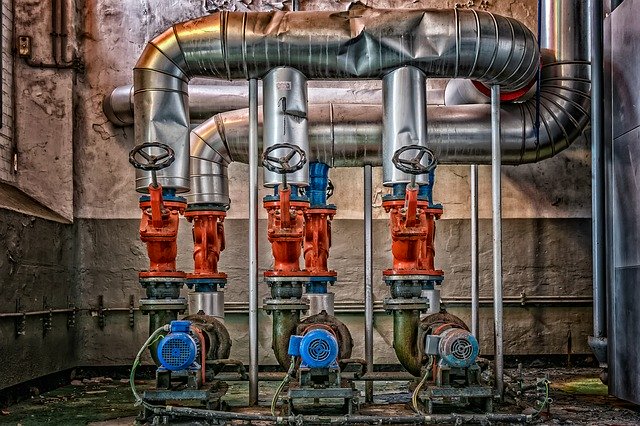
Did you know that nitric acid can dissolve steel in a few hours? When working with acid, safety is everything. Acid will not only damage metal and equipment, but it’s also a serious hazard to people’s health. This is why it’s important to use acid valves in a system to prevent corrosion. To prevent acid from corroding a valve, you must know as much as possible about it. Read on below to learn about the corrosion of metal in more detail and understand its impact on acid resistant valves.

What Is Metal Corrosion?

To understand the seriousness of a failed acid valve, let’s explain what metal corrosion is. Without diving into the science too much, metal corrosion is when metal breaks down. The process starts with chemical reactions between the metal and the environment. Two factors impact the speed and seriousness of corrosion. The first is the type of metal and the second is the environment. As you can imagine, if chemical reactions cause metal corrosion, a metal acid valve is under a lot of pressure from the chemicals in the acid.

Types of Corrosion

There are several different types of corrosion. Some are more serious than others. When engineering effective valves that resist acid, it’s vital to understand the factors that lead to corrosion in all its forms. Below are two of the most common types of corrosion:

Uniform Corrosion

Uniform corrosion is one of the most common types of corrosion. The entire surface of a metal is impacted. Uniform corrosion is relevant to acid valves because chemical reactions are frequently the cause of this degradation.

Crevice Corrosion

As a type of localized corrosion, crevice corrosion concentrates on a very specific area. The corrosion happens around gaps and, as the name suggests, crevices. Crevice corrosion can occur between two joints or when material builds up.

This is very serious for acid valves, as the presence of stagnant liquid increases the risk of crevice corrosion. Our process valve designs minimize the risk of crevice corrosion by joining metals effectively and managing acid movement through the valve properly.

Why Does Metal Corrosion Happen?

Most of the time, metal isn’t mined out of the ground in its natural state. Humans create most metals with a huge amount of heat energy. Multiple, natural, metal compounds get joined together in furnaces to create what most of us think of as metal.

The problem is that the energy in these metals isn’t stable anymore. Corrosion happens when the electrons in the metal can return to the environment. Over time, the metal loses the energy that created it.

What Are the Dangers of Metal Corrosion on Acid Valves?

Particularly in an industrial setting, valve failure could release a significant volume of acid.

If acid gets released from a failed valve, people in the immediate vicinity are in danger. Secondly, if the acid seeps into the environment, there is a risk to wildlife. Furthermore, if it makes its way into a watercourse, significant environmental and societal damage can occur.

Lastly, an acid leak in equipment will eventually lead to its failure. The impact of equipment failure is quite wide, from loss of income to a public health risk.

Keep Your System Acid Safe

Acid resistant valves are incredibly important for an acid safe system. Using the right valves is the difference between success, failure, and catastrophe.

Corrosion is the bane of many industrial processes. If a business has to deal with acidic compounds, especially liquids, then they must also prepare to combat the ever obscured expense that is corrosion maintenance.

Unfortunately, valves tend to be a point of weakness when it comes to corrosion. They come into frequent contact with the compounds in a given process. Luckily, Everlasting Valve Company has a solution for you: acid resistant valves (often just called acid valves).

Our acid resistant valves are designed to reliably, consistently operate in challenging environments. They do not just withstand acid; they work through temperature extremes, varying pressures, getting better with every actuation. As the rotating disc, self-lapping action takes place the seal tightens and any material, including acid, is pushed away.

How Serious Is Metal Corrosion?

If you’re newer to an industry where working with corrosive compounds is the norm, you may not fully grasp the cost of metal corrosion. Practically any industry that works with metal must deal with corrosion. But, working with acids rapidly accelerates what can already be a fast process.

As metal corrodes, the integrity of the metal weakens. For a metal support, this may lead to collapse. For pipes, this may lead to leakage and bursting.

As for valves, the cost of failure will depend on the purpose of the valve and the way in which it fails. Assuming your company is using the valve to monitor the flow of an acidic compound of some kind, the cost will usually be significant. Even a minor failure could mean tens of thousands in damages and a serious health hazard to employees.

Issues like these are what contribute to the estimated 270+ billion dollar cost of metal corrosion each year. Corrosion is a huge expense in dozens of sectors; if you’re working with acids, you must prepare.

Why Acid Resistant Valves Are Important

Many acids used in industrial settings can be extremely dangerous if not controlled. When using chemicals like hydrofluoric acid, which is used in refinery and chemical plants, the utmost care is crucial.

Valves are commonly a part of acid holding tank isolation. These valves need to maintain absolute isolation even in high temperatures and at high pressures, over long periods. It is a challenge for many valves to meet, and not a job for a generic, inexpensive valve.

Much like operators working with these materials protect themselves, valves must be protected too. The challenge is creating a valve that can resist substances that are capable of destroying most materials.

Valves are sensitive to even the smallest amounts of acid corrosion. Some valves are designed to withstand it as much as possible but ultimately, eventually fail. When valves are corroded due to acid or other harsh materials there can be leaks, contamination, and safety risks. Our valves help you eliminate acid corrosion instead of working around it.

We understand how critical acid resistant valves are, and why our clients are concerned that their valves meet stringent requirements. We work hard to pass every customer’s recommended practices plan and/or other safety concerns. Every acid resistant valve we make is carefully checked and tested, ensuring it will serve its purpose safely.

How Our Valves Work

Our valves are the world’s original self-lapping, rotating disc valve, designed for severe service. We believe that every industrial valve should be tougher than the environment it is in, and our acid valves showcase that principle.

You can use our acid resistant valves to replace any common valve type. Where globe, needle, plug, ball, check, relief, or butterfly valves are used in your plant, an Everlasting valve is an easy, effective swap.

Abrasives, solids, and other materials flow through the valve body without jamming. The rotating disc cycles through, cleanly discharging any accumulated media. While this happens, the sealing surface of the disc is in constant contact with the seat. All together this renews and polishes the seating, and tightens the seal.

These acid valves come to you with a tight, polished seal, eliminating the risk of leaks. Any time the valve is used, its mechanism works to improve the valve. So, our valves wear in instead of out, even when used with acids.

Of course, each valve is made with materials that will resist acids and other potentially damaging materials. You can rest assured that Everlasting Valve Company’s products are the perfect fit for your plant. A great deal of expert engineering work has gone into making sure our corrosion resistant valves last where other valves fail.

If you believe your environment calls for something we do not offer, we can create a custom design specific to your needs. We know that our clients want to feel absolutely certain that materials like acids are handled effectively. That’s why we work closely with our customers on every custom job, providing exactly what you need based on our proven design.

The Benefits Of Our Acid Resistant Valves

When valves fail it is always a problem, but if they fail in handling acids, the effects could be lethal. At best, acid valve failure will result in a costly, frustrating shutdown while workers deal with the issue. Industrial downtime can stretch into millions of dollars of lost profit, very quickly.

The other challenging part of working with valves is maintenance requirements, again which can shut a plant down for repair or servicing. Our valves are literally designed to be everlasting, with some remaining in service after many decades. When you use our acid resistant valves you will experience a major reduction in maintenance requirements, and virtually end the need for repairs.

Everlasting acid resistant valves offer unparalleled value. While they may cost more up front than a lesser-quality valve, you will not have to worry about repairing or replacing these valves. That is on top of the continuous service they offer, without downtime or lost productivity.

For a quote, to get more information, or to learn more about our acid resistant valves, get in touch with us. Call us at 908.769.0700, email info@everlastingvalveusa.com. Alternatively, send us a request for quote form online.

Continue Reading
acid valves
October 3, 2022

High Performance Valves For Industrial Uses

High performance valves are used in a range of different industrial processes. From petrochemicals to biotechnology, these tools have high levels of versatility. They can also be used for non-industrial projects such as the pharmaceutical industry....
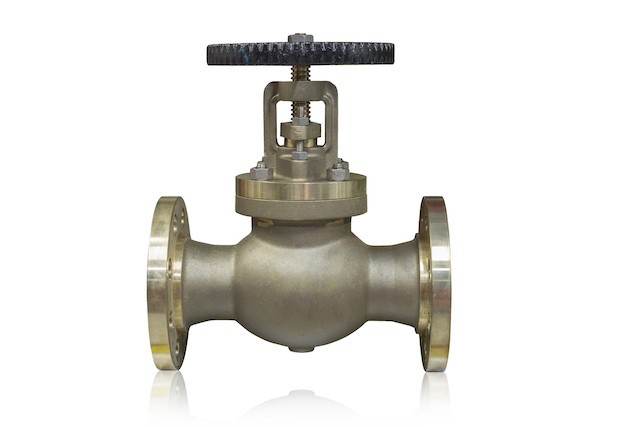
High performance valves are used in a range of different industrial processes. From petrochemicals to biotechnology, these tools have high levels of versatility. They can also be used for non-industrial projects such as the pharmaceutical industry. To put it simply, these are valves designed for more demanding environments. They’re made to allow for structured methods to help with engineering processes. They must be able to stand up to higher pressures, temperatures, and chemicals compared to standard valves. High performance valves may also be known as pressure-balanced valves or in some cases, a snap action check valve. Keep reading to find out more about our high performance valves and what they have to offer.

What Are High Performance Valves?

So, what are high performance valves? Essentially, they are industrial-grade valves. These valves are for controlling the direction, and vapors of water and chemicals. They might look a little different, but they serve the same basic function. They’re designed to be more durable and resist corrosion. They are also used to withstand higher pressures. In addition, they can withstand high temperatures and harsh chemical exposure. These valves are ideal for applications where fluids are transferred between containers.

Top Applications for High Performance Valves

The best place to start when looking at applications for high-performance valves is to take a look at where standard valves fall short. High performance valves can withstand everything that a standard valve can. The main difference, however, is that high performance valves for industrial uses can withstand more than other options can tolerate. They are often used in industrial processes that require a very quick and precise shut-off.  General service valves simply aren’t designed to tolerate heavily corrosive materials. The same goes for anything reactant to a variety of chemicals. The first area to think of is pressure and the types of chemicals you work with. You have to also consider durability levels. Their ability to stand up to harsh conditions and the high-flow capacity that they offer are also advantages. Another area where high-performance valves come in handy is in extreme temperatures.

You would also find these valves being used in:

  • Steam power plants
  • Offshore factories for production and manufacturing
  • Oil and gas facilities
  • Petroleum refining facilities

These valves help to ensure safety and workplace protections. Because of this, it’s easier to locate pressure in the right areas of an industrial setup.

How Our Valves Enhance Industrial Processes

Multiple industries need some form of pressure control. Our types of high performance valves are designed for deployment in several environments. With many of our valves still being in use over 10 years after installation, our supplies mean higher quality equipment that lasts longer. Our valves provide effortless usage. They’re built to respond to complex builds and abrasive solutions without quick wear. While other standard valves last for less time and require more frequent replacements, Everlasting Valve Company provides better.

Industrial valve manufacturing has been transformed over the decades. Is your industry is in the petroleum, petrochemical, cement or power generation industries? If your work involves anything where equipment is put through rigors everyday, you know the importance of high-performance valves.

We see the challenges and complexities of severe plant operations every day. Our experts at Everlasting Valve are here to get you the best in high performance valves for your company. Once you meet with us, we are there for you as we assess your needs, see for ourselves what is required, and then we go to work. The result: customized high performance valve designs based on our self-lapping, rotating disc platform.

Our High Performance Valves Go To Work For You

For any heavy duty application, you must have a heavy duty valve. There is no alternative. Think about how much your operations will be compromised if, or when, something fails, like a valve. There’s unplanned downtime, missed deadlines, and workers and schedules thrown into disarray. All you want are stress-free operations every day. We can make that happen for you.

High performance valves are found in every industry across the country and the world. In petroleum production, for instance, our petroleum valves handle it all – severe service and critical safety concerns, and every tough challenge that comes up.

In the pulp and paper processing facilities, valves must be ready for heavy corrosion as well as high pressure drops. They need to be a high performance valve every moment.

For power generation, valves must be reliable in all kinds of environments; they must hold their own without giving way in humidity or any other weather exposure. In chemical industries, there is corrosion and high pressure environments, all of which must be met by not just reliable valves, but those classified as high performance valves.

Why Our Metal Seated Valves Are Some Of The Very Best

For any severe environment application, metal seated valves are excellent in high-temperature situations. These valves will stand up to any difficult condition. In heavy chemical, petrochemical, power, cement or other heavy-duty facilities, conditions like these are business as usual. Extreme temperatures, abrasive media, and high pressures are typical.

Today’s metal seated valves have turned industries around. They have taken engineering to a higher level, because they stand up in the harshest of conditions. Take a look at some of the features of metal seated valves (aka high performance valves).

  • They stand up in the harshest of conditions
  • They are the best in high temperature applications.
  • They have a full port design as standard, which gives you high-flow capacity and minimum turbulence.
  • They last longer than metal seated ball valves.
  • They include a perfect lapping process of disc and metal seats which ensures absolute shutoff.
  • The disc spring gives you a constant load of the disc to the seat.
  • A variety of coatings as well as surface treatments mean less corrosion and abrasion resistance.

Why Should You Invest In Our Valves?

Simple answer: because our valves are the best. They are designed to last, in every environment, for every application, in every industry. Valves manufactured by the Everlasting Valve Company are more expensive, it’s true, but they will pay for themselves by never breaking down and causing downtime when you can least afford that.

At Everlasting Valve Company, we manufacture four types of valves, process valves, diverter valves, bulk material valves, and boiler blowdown valves. All are suited for the worst situations, surroundings that depend on only the best and we give you the best. No one wants to consider the cost in having to shut down operations to fix, repair or replace a valve. The investment in one of our high performance valves is well worth the cost.

All of our valves feature one unique design. Everlasting Valve products are all made with the self-lapping, rotating-disc technology that was introduced to the world by us over a century ago. Since then, we have perfected and pioneered additional innovations that make our products even better.

As you will learn, all of our valves actually wear in, not out, every time they are used. That is due to the unique technology that they are built upon. The more our valves are used, the more the self-lapping rotating-disc technology not only polishes the seat but improves the seal. With every turn. Every time.

Choosing High-Performance Valves

Even though all of our different types of valves can withstand high pressures and temperatures, you want to buy the best one for your specific purposes.

Our specialty valves help to fill their roles with better resistance to durability and longevity than the competition.

Process Valve

Process control valves are used in controlling pressure, liquid level, and other industrial factors. They help to automate processes for reactor loading, lockhoppers, and slurry applications in a number of harsh environments.

Our process valves can handle the toughest applications with ease and are also self-cleaning. The seats wear in over time, meaning you’ll get a better seal and performance as you use them. A high-performance PVC valve, for example, needs to close properly for an engine to perform well.

Sizes range between 1/2″ (12mm) to 18″ (450mm), and they can handle pressures between Class 50 all the way to Class 2500. Full vacuum power is 10,000 psi.

Diverter Valves

Diverter valves are designed to direct flow. You can use them to converge two lines together or split them apart. They’re often implemented when you need to transport materials to multiple containers.

One type of diverter valve has a hinged disc that lets you close one of the two outlets. The other type uses pneumatic pressure differentials to control the flow of liquids.

Our valves can handle the most abrasive materials around. They can be switched on the fly and eliminate downstream line plugging and full fringe bins.

Bulk Material Valves

These industrial valves control material flow from a variety of sources, including bins and silos. You can see them utilized in a variety of environments including vent and filling applications as well as under baghouses.

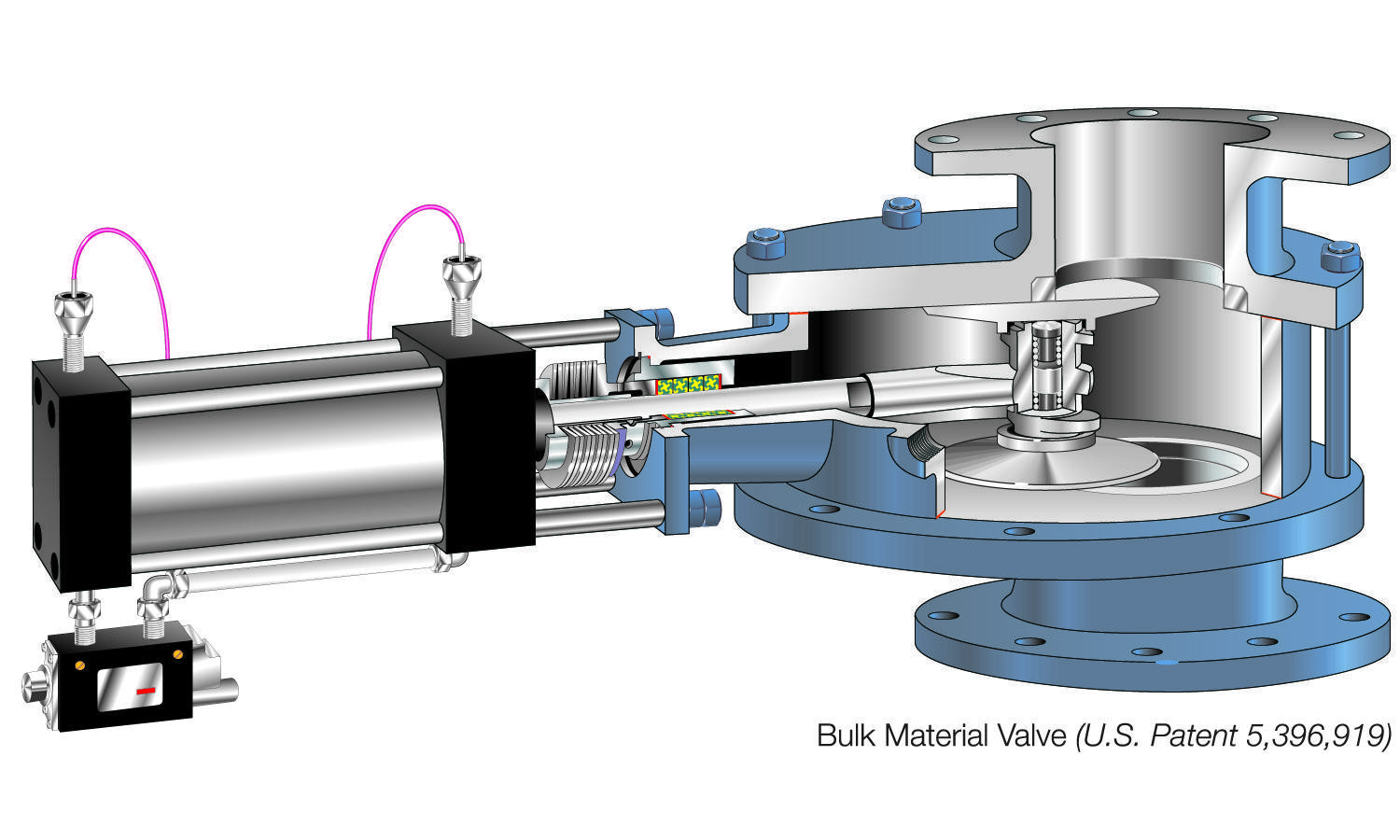
Our bulk material valves feature an open-body configuration that can be cleaned as the valve opens. It clears the sealing surfaces while developing a stronger seal.

Installed in a Y fitting, you can use them to mix or stop material flow. Bulk materials can range from powders to sticky compositions, so you need a valve that can handle whatever you throw at it.

Boiler Blowdown Valves

A blowdown valve’s main function is to control the concentrations of solids in the boiler. Conventional valves often erode rapidly and wear out in boilers, which is where the boiler blowdown valve comes in. High-performance valves won’t break down so easily.

First made in 1906, our valve clears sludge and other impurities made inside the boiler. The valves can be opened quick or slow, straight or at an angle, and are great for blowdown and water-column drain applications.

If you’re finding that your boiler blowdown valves are breaking down more than once a year, try investing in our brand. You’ll save money and the hassle of constantly getting replacements.

Reach Out Today

Whatever your industrial need, we have a high performance valve for you. And our extraordinary engineering team will custom design a valve for you. For the information you are looking for, give us a call at 908.769.0700 or email us at info@everlastingvalveusa.com. You can also use our handy online quote form.

What unique challenges does your company face today? We can help you with all your heavy-duty valve concerns. Our parts will keep your operations running smoothly and for as long as you need. Contact us today and let us show you how our high performance valves stand up to every operational challenge.

Continue Reading
High Performance Valves For Industrial Uses
September 12, 2022

The Top 5 Benefits Of Specialty Valves

Valves that are purpose-built for specific specialties will always be more advantageous that general-purpose valves put into use. These valves are designed to meet a need, based on plant environment, operators, and materials. Instead of trying to...
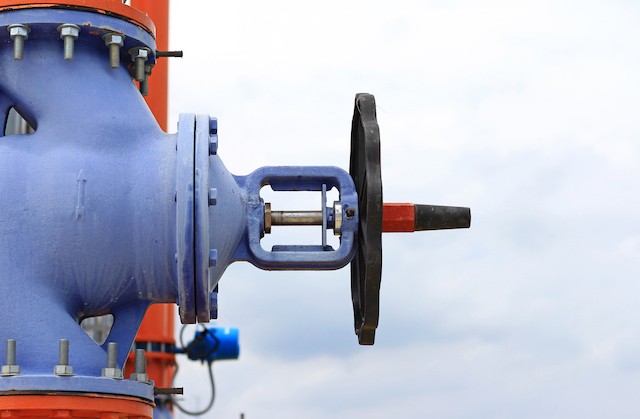
Valves that are purpose-built for specific specialties will always be more advantageous that general-purpose valves put into use. These valves are designed to meet a need, based on plant environment, operators, and materials. Instead of trying to fit a generic, often sub-par valve into a critical role, specialty valves suit the situation from the start.

A specialty valve will likely cost more than a general valve and they can be more challenging to find, especially if they need to be custom made. They are worth the effort though. To remind you why specialty valves are worth using, take a look at their top five benefits.

1. Specialty Valves Last Longer

Any time you try to make something generic fit into a specialized role, it is destined for ultimate failure. Valves that are not designed for severe service, tough jobs, or constant use are a great example of this. When a generic valve is treated like a specialty valve, it will not last as long as a true specialty product.

In any industry or setting, valve failure and downtime is not good. When valves break or need repair regularly, or earlier than expected, companies lose time and money. With a proactive investment in specialty equipment, your business can install high-quality valves and not worry about making replacements, for years.

2. Specialty Valves Work Harder

Specialty valves, like our Everlasting Valve Company products, are designed with a lot of care and consideration. These are not generic valves that you would find at a big box store. They are built with quality materials, attention to detail, and a lot of research and testing. Put into practice, this means that specialty valves work harder than general valves. They are going to stand up to the worst conditions and most challenging industries, because they were built to do exactly that.

3. Specialty Valves Work For You — Not Against You

Especially when specialty valves are custom made, they are designed knowing that these valves are an integral piece of equipment. In many cases using generic valves means that the valve is working against you. It is trying to break, trying to seize up, and trying to make work difficult, simply because that is the way it is designed.

On the other hand, our custom specialty valves are created in close consultation with both our clients and our team of industry experts. They are as close to perfection as it gets, designed to fit into your systems and equipment seamlessly.

4. Specialty Valves Keep You Competitive

When your company uses valves that are designed to last longer and work harder, the entire company benefits. The less downtime and equipment failure you experience, and the more productive your business is, the better the profits. Compared to competitors who are still trying to make cheap generic valves work, you will be in a much better position to attract and retain business.

5. Specialty Valves Save You Money

This might seem counter-intuitive at first. After all, aren’t generic valves so popular because they are so inexpensive? Many companies operate under this idea, and ultimately end up spending more money than they need to. Every time you have to repair or replace a generic valve, the costs add up.

When equipment breaks down or shuts down, or runs inefficiently, your company is losing potential profits. This can all be traced back to generic valves that simply do not fit your needs. When you look at the overall costs of using cheap valves, they may not be that cheap after all.

Specialty valves cost more upfront. Your company can expect a higher startup cost using these valves. After that, the cost savings are nearly immediate, as your equipment runs efficiently and dependably, valves included. It is the total cost of ownership that is a huge benefit of specialty valves.

Everlasting Valves

At Everlasting Valve Company, each and every one of our valves is a specialty valve. While we certainly create products that suit common needs, like process valves, diverter valves, bulk material valves, and boiler blowdown valves, none of what we provide to our clients are what you would find anywhere else. There is no other valve like an Everlasting product. Here’s why.

We introduced the first self-lapping, rotating-disc valve back in 1906 and we’ve only been improving since. We have set the gold standard for severe service valves, creating a product unlike any other, while ensuring that our valves can be used in similar applications to common products like ball valves, gate valves, globe valves, and pinch valves.

Our valves, in whatever application they are used, wear in instead of out. That’s something unheard of in your average valve! It’s all thanks to that self-lapping, rotating action, which renews and polishes seating surfaces while wearing evenly to avoid the erosion and damage to which most valves eventually fall prey.

We want our valves to work for you, not the other way around. That’s why our team works in close consultation with our clients and with industry experts, to create a standard set of specialty valves that suit most needs. We are also proud to offer customized products to those who need them, all based on that self-lapping, rotating-disc technology that has proven itself time and time again in even the harshest conditions.

An Investment That Pays Off Itself

While we’ve worked hard to create valves that fit in with most plant environments and operations, they are, at heart, specialty valves. That means that our products may not always fit into your system without requiring any changes. If you’re trying to save money or make the most of your budget, you may be wondering why you should bother investing in a more expensive valve that could require extra effort on your part.

Even with the larger investment at the start, our valves will save you money over time — and that’s including any expenditures related to ensuring your system works with our specialty valves. It will cost more up-front, which we are comfortable sharing because client after client has found that the return on investment is quite positive. Without having to pay for valve replacements and repairs, and the downtime — unexpected and planned — that faulty valves create, your company will come out ahead. Our valves have been known to last for decades, which means you are looking at a long life of service for each of our specialty valves.

When we create a custom valve for a customer, we take a hands-on approach to disrupt your system as little as possible. We will come on site, evaluating your unique environment, your needs, and your challenges. With a flexible design and a highly talented, skilled engineering team, you can rest assured that Everlasting Valve Company’s specialty valves can be customized to your liking, leaving you with an investment that will withstand anything you can put it through.

Don’t let your company down with another broken valve, lost day of work, and irretrievable morale and productivity losses. Our specialty valves have what it takes so you can stop wasting time, stop worrying about what will break next, stop spending money on a regular basis, and get to work knowing that your equipment is tough, strong, and ready to do what you need it to do.

Let’s chat about your specialty valve needs. To let us know what you are looking for in a specialty valve, give us a call at 908.769.0700 or use our easy request for quote form online.

Continue Reading
specialty valves
September 5, 2022

When To Choose Heavy Duty Valves

Heavy duty industrial applications call for nothing less than an equally heavy duty valve. There are two main reasons why heavy duty valves are a necessity. The first is in situations where the valve itself faces a lot of environmental challenges....
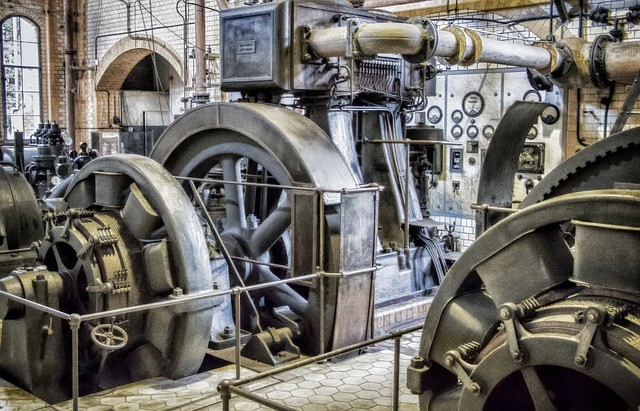
Heavy duty industrial applications call for nothing less than an equally heavy duty valve. There are two main reasons why heavy duty valves are a necessity.

The first is in situations where the valve itself faces a lot of environmental challenges. Such challenges include corrosive materials, high heat or extreme cold, high pressures and extreme pressure changes or drops, high velocities, or near-constant use.

The second is in situations where the valve is of critical importance to operations, as in, if it fails, something catastrophic bad is going to happen. In both of these scenarios, heavy duty valves ensure that everything works as it should, when it should, so everyone can have peace of mind knowing that operations are normal.

Unfortunately, heavy duty valves are not always used where they should be. Valves can be expensive, especially if your operations require a lot of them, and companies are facing a lot of pressure to find profits and reduce the cost of operations. When faced with the decision between an expensive heavy duty valve, or a cheap, simple valve, it can be tempting to go with the cheap option. In the situation where a valve is critical to safety, that is a scary prospect. In situations where valves are facing challenging environments, it is a losing bet more often than not.

Where Heavy Duty Valves are Used

Heavy duty valves are highly versatile. As a result, they have applications in several industries, including

  • Military
  • Petrochemical and chemical processing
  • Water jet cutting and cleaning
  • Food and dairy
  • Water supply
  • Petroleum distribution and refining
  • Gas and oil exploration
  • Wastewater management
  • Aerospace
  • Subsea operations

The equipment used in these applications have many components with coned and threaded connections meant to withstand extreme pressures and temperatures common in these environments. For that reason, heavy-duty valves are available in several body styles and tubing sizes to serve a wide variety of needs.

In power generation, reliable valves are vital for meeting service standards without giving way to humidity, so well-suited for heavy duty valves. In chemical processing, materials can be highly corrosive and valves are also exposed to high pressure and high temperatures, all of which these types of valves can withstand.

In pulp and paper processing, valves are exposed to high pressure drops as well as corrosive materials. Heavy duty valves manage this with ease, so operations continue without a problem.

Petroleum production is one of the trickiest environments for valves. A well-made petroleum valve handles both severe service and critical safety concerns, meeting even the toughest challenge.

Essentially, across every industry and every application, if a valve has to work well in challenging conditions, a heavy duty valve is the safest, most cost effective choice. And they are cost-effective, too.

Why Heavy Duty Valves Are a Popular Option for Flow Control Valves

Flow control valves are one of the most common types of valves, and they are also available in heavy duty. Hydraulic flow systems use flow control valves for several different functions, depending on the type of valve.

Among the most frequent uses of a flow control valve is to control the speed of cylinders or motors in a hydraulic flow system.  Flow control valves achieve this by managing the flow rate. As a result, the flow control valve controls the force transfer at specific points with the hydraulic flow system.

The ability of a flow control valve to increase or decrease the pressure in a hydraulic flow system provides several advantages. Most notably, it enables a system operator to depressurize serviceable components, such as hoses, and replace the fittings. Furthermore, flow control valves are suitable for a variety of consumer applications, such as showers, faucets, and lawn watering systems.

In these applications, the flow control valve lets you vary the amount of water you use without having to overhaul the entire system. Heavy duty valves are often the preferred option for flow control valves because their design makes them extremely durable and reliable. As a result, they’re less susceptible to clogging and other issues associated with flow control valves.

Why Invest in Our Valves?

Our valves are designed to last, which means that they are more expensive than your average cheap valve. That investment, however, will pay off. Our heavy duty valves aren’t just designed to last longer than their inexpensive counterparts. They also require less maintenance, which means you can count on these valves to do their jobs even when put through the paces in extreme environments every day. If you consider the cost of having to shut down operations to fix or replace a less robust valve, the investment in heavy duty valves quickly becomes worthwhile.

Looking at our valves, the benefits are clear. Everlasting Valve products are all made with the self-lapping, rotating-disc technology we introduced to the world in 1906. We pioneered and perfected that technology for a reason: it works, and it only gets better over time, even in environments where other valves would fail.

This technology works because as our heavy duty valves are put through their paces, they actually improve instead of wearing out. That high heat, high humidity, high pressure, corrosive environment is almost like a training gym for an Everlasting Valve product! The more our valves are used, the more the self-lapping rotating disc technology polishes the seat and improves the seal. In short, the harder an Everlasting Valve product works, the better it gets. You won’t find that in just any heavy duty valve, and you certainly will not find it in a cheap valve.

We base all of our valves on this proven technology. You can get to work knowing that Everlasting Valve Company supports your operations, with products that last for months, years, and even decades without the need for replacement, repair, or the downtime associated with a valve failure.

We assure you that we have a heavy duty valve for each and every one of your industrial needs, including custom valves designed by our innovative engineering team. Give us a call at 908-769-0700, email info@everlastingvalveusa.com, or use our easy request for quote form online.

We are looking forward to learning more about the unique challenges you face and the requirements of your business. We can provide the parts to keep your operation running more efficiently and cost-effectively. Get in touch so that we can show you how our heavy duty valves withstand every operational challenge.

Continue Reading
heavy duty valves
August 8, 2022

Replace Your Outdated Dust Collector Valve Today With The Everlasting Valve Co.

If you work with heavy machinery in a dusty environment, it's likely you've seen equipment break down or need repairs due to the particles in the air surrounding it. This is a common occurrence in many industrial companies—one that often leads to...
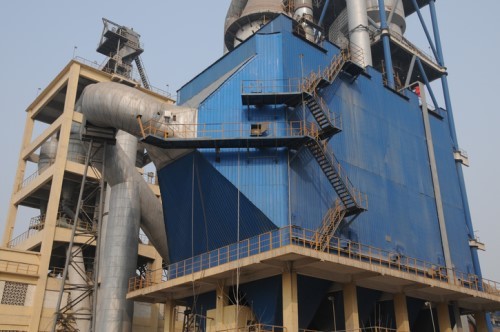
If you work with heavy machinery in a dusty environment, it’s likely you’ve seen equipment break down or need repairs due to the particles in the air surrounding it. This is a common occurrence in many industrial companies—one that often leads to devastatingly costly repairs or replacements.

Luckily, the effects of dust on your industrial equipment are not permanent. The best way to prevent dust-related damages is by purchasing and installing a dust collector valve onto your equipment as soon as possible.

If your dust collector valves are ineffective or outdated, it may be time to invest in an upgraded model. Read on to learn more about dust collector valves, and how to choose the best one for you.

What does a dust collector valve do?

Dust collector valves are pieces of equipment that are specifically designed to remove dust and particulates from the air in and around industrial machinery.

Within the valve, high-energy pulses of air are sent through the machinery, essentially creating shock waves that work to push dust and debris out and away from the system. The dust collector valve then draws the air through a filter before discharging the purified air back into the system. With the dust and other particles removed from the inner workings of the machinery, it is then free to function uninhibited for optimal efficiency.

The Importance of a Good Dust Collector Valve

While it may seem like a small and therefore insignificant piece of equipment, a properly working dust collector valve is essential to keep your business running smoothly—without one, you leave yourself vulnerable to a number of serious issues.

Without an efficient dust collecting system, the debris-filled air is continually circulated throughout your factory and machinery. This can be detrimental to your operation in a number of ways. For one, your personnel will be exposed to irritating and potentially harmful particles in the air, which may lead to serious illnesses or injuries.

Additionally, dust that is allowed to accumulate on or near equipment could present a significant fire hazard that would threaten both your business and your staff. Plus, dust that infiltrates your industrial equipment can not only reduce its productivity but also potentially contaminate any products you are manufacturing.

Even further, a dusty, unclean environment could prevent you from passing safety compliance checks, damaging your operation’s reputation and potentially leading to a shutdown. With all of these risks to consider, it’s clear that a dust collector valve is one of the most important pieces of equipment you can invest in.

When is a dust collector valve applicable?

Dust collector valves are essential for operations in a number of industries.

Dust collecting systems are particularly imperative in high-volume industries that rely on the use of heavy machinery. This includes industries such as:

  • Food and beverage
  • Automotive
  • Power plants
  • Chemical producers
  • Agriculture and grain

Not only do these industries require clean working conditions, but they also benefit from dust collector valves in that hazardous particles are prevented from infiltrating the items or consumables that are undergoing production.

Types of Dust Collector Valves

There are several types of dust collector valves that are ideal for high-volume industries. Each one performs slightly differently, so it’s important to familiarize yourself with each model to find the one that will work best for you.

Diaphragm Valve

Diaphragm valves often work in tandem with solenoid valves. Diaphragm valves are powered by compressed air that transfers to solenoid valves which open and pulse to a row of bags. These bags trap the dust and debris in the air while outputting the clean, filtered air.

Solenoid Valve

Solenoid valves are essentially a sort of electromechanical plunging device. When combined with a row of collection bags, solenoid valves are used to relieve air pressure and activate a compressed air device. Solenoid valves and diaphragm valves complement each other in this sense and thus are often used together in the same system.

Diverter Valve

Diverter valves are simple yet effective. They work to divert the flow of dust particulates to two separate destinations, making them ideal in systems that need the accumulated dust transferred to more than one location, such as pumping to multiple vessels or storage silos.

Diverter valves are durable and long-lasting, thanks to a number of characteristics, including:

  • Self-lapping, rotating disk valve technology
  • Self-cleaning capabilities
  • Resistance to abrasive materials
  • Open-body design

Bulk Material Valve

Bulk material valves are widely considered the top dust collecting models available. They are self-lapping and feature rotating disk valve technology, as well as an open-body design that works to clear the valve of particulate matter as it works.

This unique design allows the bulk material valve to become tighter over time, rather than wearing down like other models. Their heightened durability and performance make bulk material valves ideal for high-volume industries with harsh working environments.

What to Look for in a Dust Collector Valve

There are several characteristics to look for in a good dust collector valve. For one, a good dust collector should be easy to install and simple in its function. It should also function reliably as it works to resist corrosion, protect against dust leaks, and minimize air loss.

A good dust collector will also be durable. While it’s common for industrial parts to need the occasional replacement, your dust collector valve should be able to withstand daily use in even the harshest environments. If you’ve found that your valves need to be replaced frequently, it may be time to upgrade to a more efficient model.

Upgrading Your Dust Collector Valves

With all the risks that come with working in harsh, dusty environments, an effective dust collector valve is one of the most important pieces of equipment you can buy. Upgrade yours today with help from Everlasting Valve Company.

Continue Reading
blue industrial dust collector machine
August 1, 2022

Save Money With Longer Lasting Rotating Valves

Our Rotating Valves Spending on valves can add up quickly, but choosing cheap valves is not a good way around the cost. These inexpensive valves are more likely to break, fail, or otherwise become useless. This would mean you have to spend money on...
Our Rotating Valves

Spending on valves can add up quickly, but choosing cheap valves is not a good way around the cost. These inexpensive valves are more likely to break, fail, or otherwise become useless. This would mean you have to spend money on fixing or replacing them, on top of the money your company loses if you have to shut down equipment or otherwise interrupt business operations thanks to a valve issue.

By investing in rotating valves, your company saves time and money, especially over the course of the years and decades to come.

How They Operate

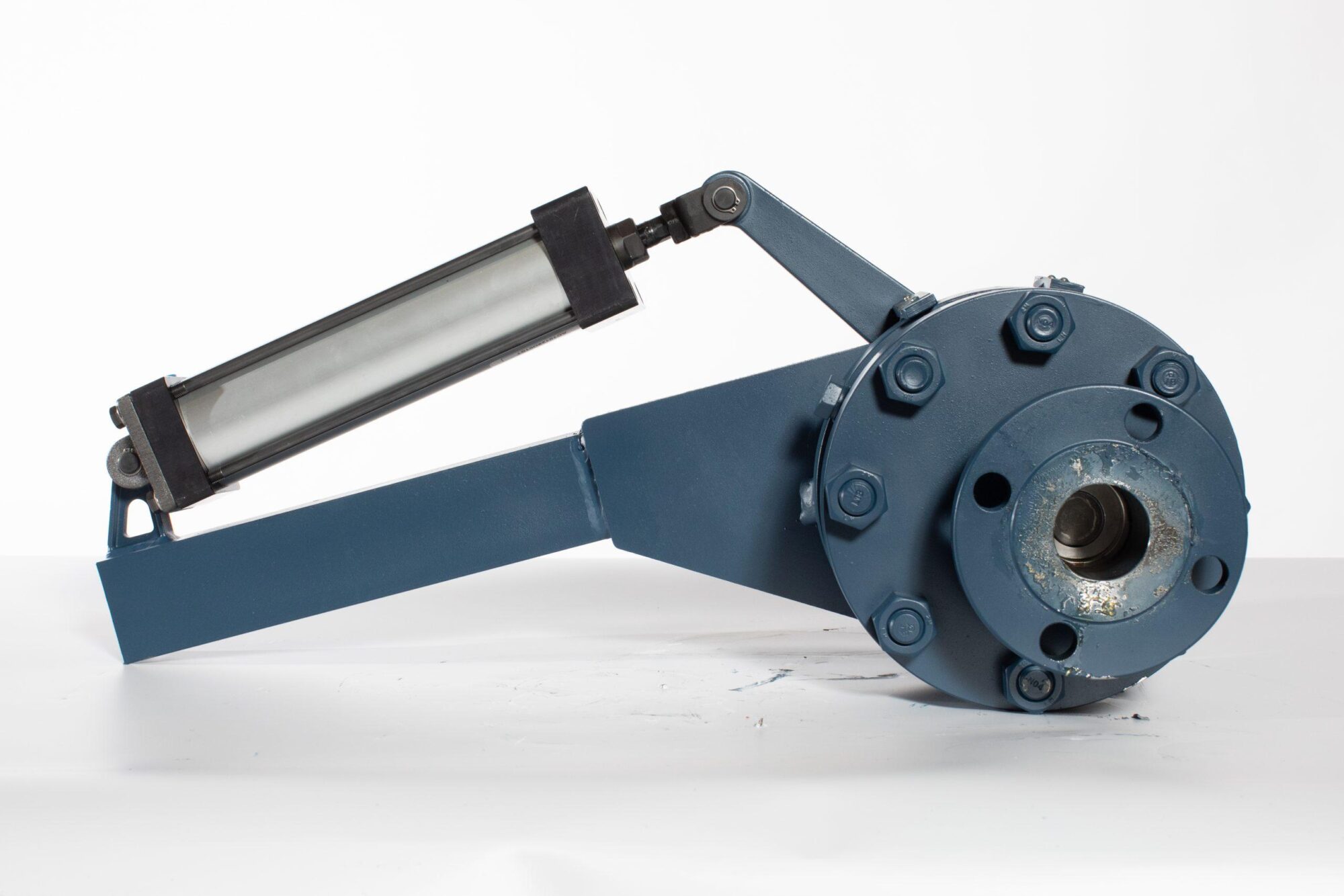
Everlasting Valve Company has created cutting-edge, unparalleled valve technology. Our rotating disc valves are unique, operated through an actuator that moves the post and lever arm, driving the rotating disc. The sealing surface of the disc is always in contact with the seat, thanks to force exerted by springs, which allows the disc to move vertically to overcome thermal expansion or contraction and compensating for any back-pressure. This also keeps particles out of the space between sealing surfaces.

The disc to seat friction differences keeps the disc rotating as the valve cycles, which in turn shears and wipes away any accumulated process material, while polishing the sealing surface. In effect, the valve renews and polishes the seating surfaces as it works, so the rotating valve actually wears in with use instead of wearing out, making the seal tighten and the valve more efficient over time.

How They Save Money

As you can see through the above explanation, our valves don’t break down over time. Beyond that, because the valves rotate during use, they don’t wear down in one isolated area like typical valves, so any wear is even, adding to durability and longevity.

If you are operating in a challenging environment or using valves in a high cycling application, you are likely very familiar with how often a standard valve can wear out. Inevitably, as soon as you install a typical valve it’s on its way to wearing out, breaking down over time (in some cases, breaking down very quickly!). The impact of sub-par valves is felt across the entire company and spreads out to your own clients, who have to deal with the inconveniences and perhaps added costs of your own equipment that isn’t quite doing the job.

Now, let’s take a look at rotating valves again. Yes, you will pay more for these valves upfront — the cost is higher than standard valves, and especially pricier than the cheapest valves out there. But the difference comes through in looking at the life cycle cost of a typical valve versus one of our proprietary rotating valves.

To understand why rotating valves save money, you have to look beyond what the cost is at the start, and consider the long-term impacts over the entire working life of the valve. While that cheap valve might cost considerably less than one of our rotating valves, if you have to buy dozens of them during the same time frame that one rotating valve would stay strong, you are actually losing money by trying to cut costs up front. When you add in maintenance costs for valves that have a higher failure rate, plus labor and consumables, you will quickly find that that upfront investment is well worth it.

For a more detailed look at how rotating valves are beneficial in the context of a life cycle analysis, check out this case study. In this case, a rotating disc valve over a plug valve would save $188,000 in maintenance costs over 25 years and add months of free extra production, saving over $1,000,0000 across the entire business — and the rotating disc valve only cost between $5000 and $6000 more upfront.

Why the Price Point Isn’t Enough

You’ve heard of the saying “It pays to save”, but that isn’t always the case. In fact, in the effort to be as thrifty as possible, we end up buying extremely subpar items. This is okay for when you’re buying something low-risk, like paper plates. It is not okay for high-risk projects, like industrial valves that hold and move dangerous compounds.

In short, your business is going to be in some deep water very fast if you continue to buy cheap valves for your business or consumer needs. Instead, you should consider buying our valves, which are the best combination of power longevity, and affordability.

Investing in Everlasting Rotating Valves

Many people come to us after their valves have failed, realizing the value of rotating valves and their incredibly long service life. Save yourself the headache, and save money by being proactive. The upfront cost will quickly be recouped through your more efficient operations.

We are here to help you find the best severe service valves for your environment, so you no longer have to deal with leaky valves, worn out equipment, downtime, and lost money. We can even come on site to evaluate your situation and create custom valves just for your operations.

Buy Your Rotating Valves Today

Now that you know the benefits of our rotating valves, you’ll want to make sure you buy from us. However, if you don’t know how to begin searching for the valves, you’re going to need some help from the experts. Luckily for you, we can handle that, too.

At Everlasting Valve Company, creating and selling valves is all we do. We’re the leaders in the industry and sell process, diverter, and bulk material and boiler valves for all kinds of situations, including cement production, power generation, chemical needs, and more.

Our existing rotating valves are great for companies that don’t want or need a custom solution, and they are just as effective and durable. For a quote on process valves, bulk material valves, or diverting/converging rotating valves, fill out our form here, and for boiler blowdown valve quotes, call our office at (908) 769-0700 or email info@everlastingvalveusa.com for pricing and availability.

Continue Reading
rotating valves
July 18, 2022

Petrochemical Valves: An Overview

With the market for industrial valves due to be worth $125.59 billion by 2028, petrochemical valves are a cornerstone of the oil and gas industry. You can find valves everywhere, from the transportation of petroleum products to the storage...

With the market for industrial valves due to be worth $125.59 billion by 2028, petrochemical valves are a cornerstone of the oil and gas industry.

You can find valves everywhere, from the transportation of petroleum products to the storage and control of hazardous chemicals. They might be small in their own right, but the work they do keeps an enormous industry on its feet. Each type of petrochemical valve has a specific purpose. But what are they, and how can you make them work for your plant? Read on, and we’ll tell you everything you need to know.

What are Petrochemical Valves?

A valve is a mechanical device used to control the flow of fluids in pipes. As you can imagine, that makes them a critical part of any industry moving fluids from point A to point B.

In the oil and gas industry, petrochemical valves can carry out the following vital functions:

  • Start or stop the flow of fluid through a pipeline
  • Modulate and control flow
  • Change the direction of the flow
  • Regulate pressure in a pipeline
  • Protect a pipeline from excess pressure

Whether you’re extracting oil in extreme weather conditions or refining it for use in a plant, those functions are always necessary. Without valves, the entire industry would grind to a halt.

Finding the Right Petrochemical Valve

Of course, not every valve can perform every function! Most valves are designed to serve a particular purpose within a plant environment. Let us refresh your memory on some of the most common valves you’ll see in a petrochemical plant.

Gate Valves

A gate valve is either open or closed – there’s no middle ground. This makes it an ideal valve for opening or closing a pipe to start or stop the flow of a fluid. A gate valve opens and shuts in a linear motion, and it needs to be tough enough to cut off a thick fluid like petroleum or oil. That’s why you can’t use a gate valve to throttle or regulate flow: it’s impossible for a gate valve to be partially open or shut.

Ball Valves

A ball valve opens and closes the flow of a fluid using a built-in ball. It serves the same purpose as a gate valve, while also being able to partially stop or start the flow. Ball valves are lighter and more compact than gate valves. They’re also known to be resistant to polluted fluids – a big help in refining and filtration.

Globe Valves

A globe valve can throttle or regulate the flow in a pipe. They’re commonly found in water cooling systems. However, they aren’t the first choice for thicker or more stubborn fluids. Because a globe valve forces fluid to pass through a non-linear passage, it can create a pressure drop in the pipeline.

Check Valves

A check valve works automatically to prevent damage to the pipeline apparatus further downstream. It’s a one-way valve that needs more pressure on the input side than the output side to open. If the pressure on the output side gets too high, or the pressure on the input side gets too low, the valve will close on its own.

This prevents backflows that can damage your plant’s pumps and compressors. For maintenance engineers in particular, this valve is here to help!

Butterfly Valves

Butterfly valves are rapidly becoming a competitor for ball valves, as they perform the same function at a lower cost. They’re versatile and compact, available in multiple shapes depending on the needs of your plant.

Safety Valves

Safety valves are used to safeguard pipelines from overpressure. They open automatically in response to a predetermined amount of pressure. Their purpose is to remove the excess pressure from the system as quickly and safely as possible. Safety valves are often used as a last resort in case electric or pneumatic safety mechanisms fail. Because overpressure can cause fires and even explosions, they’re a small but vital component of any plant.

Rotating Disc Valves

Our proprietary design was first developed in 1906, and it’s been working like a dream ever since. Every time our valve’s disc rotates, it polishes and restores its own metal surfaces. This means that the harder our valve works, the more efficient it becomes.

The self-lapping design of the rotating disc valve is resilient enough for most high-stress industrial applications. It’s self-cleaning, and it’s designed to avoid the erosion issues that typically affect other valves. It can replace gate valves, ball valves, and globe valves all around your plant.

Why Valves Matter

Petrochemical plants are famously harsh environments, demanding high pressures and high temperatures throughout. A leak in your plant can have dangerous consequences for your workers and your infrastructure, not to mention the environment.

Valves are on the front line of many crucial processes within a petrochemical plant. It stands to reason that they need to be built to last. Any failure to withstand the heat and pressure of a plant could result in damage to your plant’s reputation and financial bottom line.

That’s why finding the perfect valve for the job is critical. You need petrochemical valves that won’t break down, won’t leak when you least expect it, and won’t keep you awake at night worrying about the worst that could happen.

You need your valves to work. It’s as simple as that.

Valves That Wear In, Not Out

Our petrochemical valves are built to withstand anything. They’ve been tried and tested for decades by some of the biggest names in the petrochemical industry, and they get more efficient with every use, wearing in where other valves wear out. Some of our valves have been in continuous operation for 50 years!

If you want to introduce our reputation for durability and longevity to your plant, we’re ready and willing to work with you. Contact us today, and we’ll help you to make your plant the best it can be.

Continue Reading
petrochemical valve at a petrochemical plant
July 11, 2022

Industrial Control Valves – Everlasting Process Valves

Industrial control valves play a very important role for countless businesses. They are a small, but mighty part of any plant or other industrial setting. Companies in every industrial setting are investing in this equipment, with the 2017 global...
Industrial control valves play a very important role for countless businesses. They are a small, but mighty part of any plant or other industrial setting. Companies in every industrial setting are investing in this equipment, with the 2017 global control valves market size sitting at over $7 billion.

Valves may seem like inconsequential items, not worth much consideration, but when you think about all that an industrial control valve handles and how much your business relies on these parts to keep work running smoothly, you might have a different perspective.

A lot of things that depend on these valves, no matter how small they may be compared to larger pieces of equipment. Control valves manage the flow of material in your industrial setting, allowing fluid or similar material to move through your systems with careful control of pressure, temperature, and other factors. When they are working well, industrial control valves get the job done. But when they fail, you may have to shut all of your operations down just to deal with a single valve.

Types of Industrial Control Valves

Industrial control valves are responsible for controlling the flow of liquids and gases within manufacturing machinery. Industrial facilities can run two types of machinery: continuous and batch. Continuous machines can run 24/7 on your shop floor.

Starting and stopping these machines can be very expensive. As a result, managers need to avoid equipment malfunction at all costs. A great method for avoiding these issues is to make sure all of your components are in good condition and working properly.

Below, we’ll go into the types of valves available and how each one can help keep your shop up and running.

Ball Valves

These valves are durable and long-lasting. They can close completely after long periods of non-use. Ball valves are a great solution in shut-off applications. Manufacturing managers like them because they seal tighter than other valves. They also last longer, fail less, and are easier to use than most other valves.

Diaphragm Valves

These valves are pressure-controlled. As pressure mounts, force is transmitted to the valve to either open or shut it. They’re also more flexible than other valves.

Butterfly Valves

These are the most affordable valves on the market. They’re easier to install than most valves, as well. Facilities managers like them because they are an effective, cost-saving option.

Globe Valves

These valves are effective to manage the flow between two individual chambers. They do this by using a “seat and plug” design. Globe valves also come in handy for repetitive processes or tasks where throttling is necessary

Hygienic Valves

As the name suggests, hygienic valves are best used where health, safety, and sanitation are paramount. They are often put to use in the health, sanitation, food, cosmetic, and pharmaceutical industries. These industries must take every measure to maintain compliance with strict regulations.

Common Problems with Industrial Control Valves

Industrial control valves are subject to a lot of wear and tear, especially in harsh environments. Valves fail as a result of mechanical friction, erosion, wear on seat seals, high temperatures and pressure spikes that take down weak valves, and similar environmental influences.  Poorly constructed industrial control valves are subject to cavitation, noisy operation, and choked flow, among other frustrating, expensive problems.

So, how can you ensure that you have the control you need, with added reliability and durability?

The answer is simple — invest in Everlasting’s process valves, and the control valves you are using will be among the strongest pieces of equipment in your entire arsenal.

How Everlasting Valves Save Time and Money

Our valves are tougher and more durable than any standard industrial control valve thanks to the unique construction of the valve. Everlasting Valve Company offers rotating disc valves, which can handle any kind of material, even if it is abrasive, temperature sensitive, or otherwise challenging. These valves work with an open-body design and self-lapping, rotating disc that clears any process material away, so the valve is always cleaning itself and in fact, improving its own seal as it works.

Industrial control valves see a lot of use, and with a regular, cheap valve, that extended and extensive use means a shorter lifespan as valves wear out over time. Our Everlasting valves do the opposite. The more you use our valves, the better they work.

Instead of shutting the plant down to do scheduled maintenance or to repair and replace valves on an emergency basis, your crew can get to work every day knowing that your equipment is working to peak efficiency. Business time is spent getting work done and getting ahead, instead of spending time, money, and other resources just to keep things limping along.

How Everlasting Process Valves Improve Worker Safety

 Because Everlasting process valves are constructed from durable materials, chances of failure are minimal. Reduced failure rates improve worker safety. Everlasting process valves are corrosion-resistant, designed to reduce pressure buildup, decrease the incidences of overloading, prevent contamination and increase flow rates.

Everlasting Process Valves Are Resistant to Corrosives

Everlasting process valves are made from corrosion-resistant materials. Not only does this mean Everlasting process valves last longer, but workers will not have to contend with corrosives leaking and causing injuries on the job. On the other hand, traditional industrial control valves break down easier since they do not last as long, and this leads to catastrophic workplace injuries.

Reduce Pressure Buildup

When there is excessive pressure buildup in a system, damage can occur. Such damage can lead to explosions which can be deadly. Say nothing of the fact that fires can also occur, causing serious burns that can result in permanent disfigurement. Additionally, if water pressure builds up in a system, this can cause bursting which can lead to damage to machinery. Many injuries that occur in industrial settings are a result of pressure buildup. Everlasting process valves are designed so pressure can be properly monitored so pressure can be properly controlled. This is especially important when working with steam valves and water valves.

Decrease Incidences of Overloading

When industrial systems are overloaded, damage to machinery is possible because the system is being forced to process more fluid than it can handle. When the system becomes damaged, it will malfunction and lead to workplace injury. Everlasting process valves are designed to enable operators to put controls in place to decrease the incidences of overloading, making for a much safer work environment. Everlasting process valves allow operators to control the rate that fluids flow through pipelines, reducing the chances of a system being forced to process beyond its limits

Prevent Contamination

When working with chemicals and other types of fluids, there is a substantial risk of contamination occurring if industrial control valves malfunction. This is especially true if seals wear out and cause the valves to leak. When contamination occurs, this can lead to severe illness or injury, especially if chemicals and other hazardous materials leak and contaminate the work environment. Because Everlasting process valves are designed to withstand a significant amount of wear and tear, contamination is highly unlikely. Chemicals, hazardous waste and other fluids will be kept in their proper place.

Increase Flow Rates

Leakage of water and other chemicals are responsible for a considerable number of workplace injuries. In fact, approximately 2.3 million people globally are injured every year due to leakage of hazardous chemicals. Water leaks are responsible for slips and falls that can result in broken bones. Everlasting process valves allow for increased flow rates, enabling systems to run at max capacity. When valves allow for a high flow, workers can run machinery under pressure. Additionally, leakage is less likely to occur since a high amount of fluid can flow through the system.

Replacing Industrial Control Valves with an Everlasting Process Valve

Industrial control valves come in various standard configurations, including globe valves, butterfly valves, mixing valves, and gate valves. Our Everlasting process valves can take over the job of any one of those valve types, and more.

Our process valves are fully customizable for your needs, available in any body material, trim, and/or actuator. We recognize that each one of our clients has unique and specific requirements for industrial control valves, and as such, we work hard to ensure that our valves are the perfect fit.

When you need an industrial control valve customized, our team is pleased to come to your site to discuss your requirements and create a valve that truly meets the challenges of your industrial setting. Our talented engineering team works carefully with our flexible design, leaving you with a custom-built valve that fulfills its purpose as an industrial control valve that will last for years without needing replacement or repair.

Working with Everlasting Valve Company is as smooth as our valve operation. Requesting a quote for process valves is simple, with our online form available 24/7 so you can start the process at your own convenience. Of course, if you have any questions or concerns, we’re happy to chat over the phone or via email. Give us a call at 908.769.0700 or email info@everlastingvalveusa.com.

Investing in our durable, Everlasting process valves will keep your industrial control valves working perfectly no matter what these indestructible little pieces of equipment will encounter. Join the group of companies who have partnered with Everlasting Valve Company with great results — when you are no longer dealing with downtime, outages, and valve failure frustration, you will be glad you put your trust in innovative, long lasting Everlasting Valve products.

Continue Reading
industrial control valve
June 13, 2022

When Should You Use Severe Service Valves?

If you're responsible for the maintenance and operation of industrial plants, then you know that using the correct valves is essential to ensure efficient and safe operations. But what do you do when your plant requires valves that can handle...
If you’re responsible for the maintenance and operation of industrial plants, then you know that using the correct valves is essential to ensure efficient and safe operations. But what do you do when your plant requires valves that can handle severe service conditions? Most valves are designed for general service, but there are times when using severe service valves is the better option.

These valves are meant for the most severe conditions, making them necessary pieces of hardware when they’re needed. This means that you can expect these highly engineered valves to be designed to handle harsher conditions, so they’re perfect for applications where reliability and performance are key.

If you’re not sure whether your application falls into the severe service category, a guide can to help you make the right decision. If you have purchasing power within your company and you need to know how to make this determination, keep reading.

The Types of Severe Service Valves To Use

Severe service valves are designed to operate in conditions that would normally damage or destroy other types of valves. They’re made to withstand severe temperatures and pressures. They can also withstand abrasions, making them ideal for use in high-demand applications.

Process Valves

Process valves control the flow of fluids and gases in industrial applications. They’re used in industries, including oil and gas, power generation, and, chemical processing. The main thing with process valves is that can outperform the standard ball valve. You can also expect them to have a high level of resiliency against slurry and chemicals. They are also resilient against heat, scale, and dry solids.

Diverter Valves

Diverter valves are often used to direct the flow of fluids or gases in an industrial application. They’re common in the food and beverage industry. You’ll also see them in pharmaceutical and chemical plants. The main thing with this option is that you can cut the chances of downtimes. This is possible with a switchable capability.

Bulk Material Valves

Bulk material valves are often used to control the flow of bulk materials. Some examples could be powders, granules, and pellets. These valves are often found in a variety of industries. Some include food processing, pharmaceuticals, and chemical industries. The purpose of them is to adapt to any type of job seamlessly. What sets the Everlasting Valve Company’s bulk material valves apart is that they are easy to install and use within multiple applications.

Boiler Valves

Boiler valves are often used to control the flow of steam and water in boilers. These valves are often used in industries like power generation and chemical processing. Since 1906, our boiler blowdown valves have maintained multiple systems that clients have used. Their origination comes from rotating disc-valve technology that is self-lapping. This is for the express purpose of boiler-blowdown use.

Scenarios That Could Indicate When They’re Needed

There are a few different scenarios when you should use severe service valves instead of general service valves. When you have a project that consists of larger mass flow rates, extremely high temperatures, or a substance that is corrosive, these are all reasons you might want to consider using a severe service valve within your processing plant.

Let’s take a look at a few key scenarios where your operations would call for these parts.

Abrasive or Corrosive Applications

If you’re working with fluids or gases that are corrosive or abrasive, you’ll need to use these valves. You could consider this to be a time that you need to start preparing with the proper tools. These types of applications may call for pressures and other conditions that are consistently fluctuating.

Extreme Temperatures

Any fluids or gases that’re at extremely high or low temperatures, may call for these valves. to be used as well. These types of valves are usually able to withstand temperatures going as high as 1200 degrees Fahrenheit.

They can handle applications with temperatures as low as -400 degrees Fahrenheit. These valves are also designed to do this without leaking. This makes them great options for ensuring the integrity of their seal.

Exposure to High Pressures

Pressure is another important factor consider. If any fluids are under high pressure, this would call for severe service components being used. If you have operations that consist of significantly controlled directions a bulk material valve would be the option to get the job done.

Anything that consists of highly pressurized fluids would be an appropriate scenario where these should be used. There are multiple scenarios when it would be appropriate to use severe service valves. Whether there’s contaminated fluid, high levels of vibrations, or multi-flow gases, all of these environments could call for the need for them.

What Are the Benefits of Using Severe Service Valves in Your Piping System

As we mentioned, severe service valves can help improve the overall performance of your piping system. They can also help to reduce wear and tear on your piping system components, which can prolong the life of your system. This is also a great benefit if your plant wants ways to save money while using high-quality parts.

These valves are great ways to help to prevent or mitigate damage from corrosion, erosion, or other forms of degradation. Severe service valves can also provide superior flow control compared to other types of valves. This can improve the efficiency of your system. These are only a few of the various benefits of using these components. They are versatile enough to be used within any engineering application as well.

Get the Parts You Need

The Everlasting Valve company is the home of the original rotating disc valve. Companies need severe service valves to ensure the safety of their operations. You can find them among an inventory of various tools you might need. The purpose that the company is built on is to help solve plant problems that cater to even the harshest conditions. Since our founding, over a century ago, we have been designing industrial valves that are proven to be stronger than their intended application.

Learn how to improve and guard your operations for safety by contacting our team today for more information.

Continue Reading
3 severe service valves in a factory
June 6, 2022

Commercial Valves For All Industrial Industries

Our Commercial Valves If you’re looking for tougher, more durable valves, whatever your industry, you won't find better than Everlasting Valve Company’s commercial valves. We don't just sell you a product once and step away. We assess your needs...

Our Commercial Valves

If you’re looking for tougher, more durable valves, whatever your industry, you won’t find better than Everlasting Valve Company’s commercial valves. We don’t just sell you a product once and step away. We assess your needs and deliver the solutions you need to keep your plant running smoothly with little to no downtime. Our commercial valves will help you transform your business from good to great.

Today’s industrial atmospheres can be pretty tough in any industry. Our commercial valves are more reliable than any ball valve or gate valve you’ve previously worked with, so they reduce the occurrences of unplanned downtime. Whatever your enterprise has to throw at our valves, they can take it. Everything from dry abrasive solids to fluid-catalytic cracking to hot-catalyst handling, there is nothing our commercial valves can’t withstand.

We offer you the original rotating disc valve. These commercial valves feature a unique open-body design as well as a self-lapping rotating disc, which not only clears out but shears away process material. This results in a tighter seal and lower leak rates. You would think that as something ages, it wears out, but our Everlasting valves get better with age. They wear IN, not out.

What Our Products Mean To You

It does not matter what type of industry you are in – Everlasting Valve Company is a part of every one. We offer valves for:

  • Power Generation
  • Cement Production
  • Petroleum Production
  • Petroleum Refining
  • Chemicals / Petrochemicals
  • Miscellaneous Custom Valves

From energy companies such as ExxonMobil, Shell, Chevron, and more to boiler system efficiency to energy and minerals to chemicals, our commercial valves are helping major industries get a grip on everyday processes that require not just strength but long-lasting durability.

What Our Valves Can Do for You

Process Valves

Our Process Valves have years of proven service in heavy-duty industries that need reliability. These types of commercial valves outperform ball valves because of their ability to handle high heat, chemicals, slurry, scale and dry solids. And they do it all with the greatest of ease. Our Process Valves can take anything you throw at them: think of the most brutal applications – the dirtiest and hottest – and our commercial process valves will outperform the worst you have to throw at them.

Wherever you are, our Process Valves work in the harshest of environments, because that’s what we built them to do. For jobs such as lock hoppers, pneumatic conveying systems, reactor loading, slurry applications, and vessel discharge, you won’t find better than our process valves.

Diverter Valves

We have Diverter Valves that are still working hard decades after installation. Our Everlasting commercial diverter valves don’t depend on one simple, innovative design – our talented engineering teams work with you every step of the way, designing according to your unique operational demands and challenges.

Our Diverter Valves feature a self-lapping, self-cleaning design that enables them to last much longer than traditional diverter valves. If they do need replacing, they can be switched out with virtually no downtime for you, which makes them your best bet. When other valves stop working due to clogs or sludge, our diverter valves just keep on going.

Bulk Material Valves

Our Everlasting Bulk Material Valves feature an open-body configuration. This means that particulate can move about freely, so it’s easily cleaned and expelled once the valve is open. Because of its shearing action, bulk material valves form a tight seal and are known for their low-leak rates. For your plant’s dirtiest, high-cycling applications, you’ll find our bulk material valves are the best performing you will ever come up against.

For all of your most severe work environments – dry solids, dense and dilute-phase pneumatic conveying systems, silos, cyclones, ESPs, dust collectors, and more – our Bulk Material Valves offer the finest in flexibility built right in.

Boiler Blowdown Valves

If you’ve tried valves to clear sludge and other impurities formed during steam-boiler operations, and are still left wanting, our Boiler Blowdown Valve is specifically designed for the harshest of environmental applications. Don’t look to globe valves any longer, when our Boiler Blowdown Valves are available in quick-opening, slow-opening, straight and angle configurations.

While all of our commercial valves feature our exclusive self-lapping, rotating-disc-valve technology, this concept was originally for our Boiler Blowdown Valves. It is the best way to handle the sludge and high temperatures it constantly encounters.

Control Valves

We use control valves in the oil and gas, power systems, water systems, and wastewater industries to control the flow of fluid through a system and start, stop or restrict flow and provide safe and efficient process automation. Flow control valves are necessary for irrigation systems, water treatment plants, oil and gas plants, and energy, optimizing the chances for personnel and equipment. Cameron valves and valve automation technologies are widely used in the oil and gas industry to direct and control fluid flow in these systems.

By converting electrical impulses to open and close a valve, gas solenoid valves control the flow of gas in a wide range of industrial and domestic applications. This regulation of fluid flow can be achieved by opening, closing, and partially blocking the attached tube or passage.

Shutting Valves

The shutting of the valves, as well as its regulation, occurs due to the combined action of the electronic controller, positioner, and valve actuator (which can be electric, pneumatic or hydraulic). Industrial valve types are increasingly being used to control the flow of gas through gas distribution systems. Industrial valves are mainly manufactured using carbon steel, cast iron, stainless steel, and other high-functional metal alloys to ensure efficient flow control in industries such as water and wastewater, oil and energy, food and beverage, chemical industry, and others.

Commercial Valves Can Be Great For Your Business

Don’t let valves have you running in circles. If you replace them more once a year, it’s time to look at what Everlasting Valves can do for you. Our commercial valves are the solution you’ve been looking for.

Continue Reading
3 commercial valves in a row