

The Colorado River has been eroding a path through the Grand Canyon for about 5 million years, to create a beautiful natural scene. However, what isn't a pretty sight is a valve worn down by corrosion! Over time, fluid moving through valves...
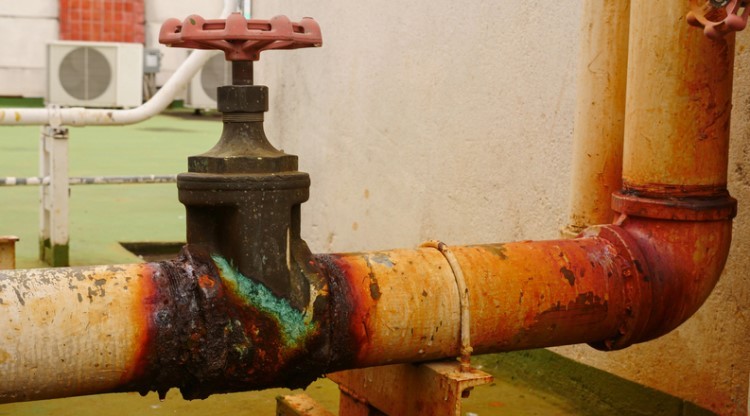
The Colorado River has been eroding a path through the Grand Canyon for about 5 million years, to create a beautiful natural scene. However, what isn’t a pretty sight is a valve worn down by corrosion! Over time, fluid moving through valves corrodes them by means of flashing and cavitation. It’s important to deal with these problems because doing so will extend the lifespan of your equipment.
Keep reading to find out how flashing in valves happens, how it’s different from cavitation, and what you can do about it.
Flashing in control valves occurs when the fluid running through it turns into vapor in the control valve. This results in a choked flow and slows down the fluid. To consider something a flashing application, the downstream pressure needs to be lower than the vapor pressure, or (P2 > PV).
The vapor pressure is the amount of pressure at which a liquid will turn into a vapor. The temperature stays the same, but the pressure changes, which causes flashing. The inverse, where the pressure stays the same but the temperature changes, is what causes boiling!
Fluids have to accelerate when they reach a smaller flow area, in order to maintain its volumetric flow rate. If bubbles occur, they get in the way and reduce the flow rate. This can happen regardless of the type of fluid – even water can cause flashing damage. It damages the valve when the vapor carries the liquid and the liquid acts like a solid particle when it hits the surface of the valve.
The valve itself cannot prevent flashing, because flashing is caused by application conditions and fluid properties. The factors that influence flashing include the flow rate, the fluid viscosity, pressure drops, how corrosive the fluid is, and body geometry. However, there are things you can do to minimize the intensity of it and to minimize the damage to your valves.
Cavitation and flashing are two parts of the same phenomenon. If a higher level of pressure is restored after flashing occurs, the bubbles will violently collapse and cause shock waves in the system. Streams of fluid will act as micro jets and hit the surface of the valve at high velocity. This causes pitting of the body and trim of the valve. Additionally, the more this happens, the more susceptible the valve will become to this same type of damage. Cavitation can even damage surrounding equipment, due to the vibrations it causes.
You can inspect a valve to look for visual signs of the presence of flashing. Generally, the material of the valve will look smooth and shiny, because it has been worn down. Cavitation produces slightly different signs, as the valve will look pitted or gouged.
You can also listen for auditory evidence while the machinery is in operation. Flashing is sometimes described as a hissing noise, or like sand flowing through the valve. Meanwhile, cavitation may sound like popping, or like gravel flowing through the valve. You may be familiar with having to listen to your pipes at home to detect a water pressure problem with a flash shower rough in valve. Lots of gurgling or spitting sounds are usually a bad sign. With industrial processes, you don’t need to worry about listening very closely, because these noises can be as loud as a snowblower!
There are a variety of ways to reduce flashing damage. One way is to increase the size of the valve to reduce the velocity of the outlet flow. A few other ways are to prevent or reduce particle impact with valve surfaces, to use materials that are as hard and durable as possible, and to lower the velocity of the erosive flow.
It can also help to choose a valve with fewer fluid direction changes. This results in fewer particle impacts to the surface material of the valve. Additionally, there are two types of controls you can implement that will help reduce this problem.
Place the valve in a high-pressure area. This makes it less likely that the fluid pressure will fall low enough for flashing to happen. You can achieve this by putting the valve as far upstream as possible. You can use downstream restriction devices like an orifice plate or a second valve to increase the backpressure. It’s important to note that this is only recommended for on-off service. Cavitation may still be a problem at the downstream device.
Another way is to introduce noncondensable gas. This can prevent the violent collapse of bubbles in processes that can tolerate a gas.
For control valve level controls, it’s paramount to use materials that will minimize damage. The best materials for a flash rough in valve are those that are hard and corrosion-resistant.
You can also try using anti-cavitation trim design. These work in a variety of ways, such as pressure drop staging, tortuous path treatment, dividing the flow into multiple paths, and redirecting the flow away from the surface of the valve.
Given the damage flashing and cavitation can cause to your valves, one of the best ways to mitigate it is to use valves that are made from extremely durable materials.
Take control of flashing in valves by contacting Everlasting Valves. Everlasting Valves designs products for the toughest industrial applications so that you can be confident that they will last a long time.
Cast iron valves are a popular material choice in many applications, because of the unique properties of this metal. Companies like yours have to consider all of the aspects of a material when choosing a valve, from its cost to its strength to its...
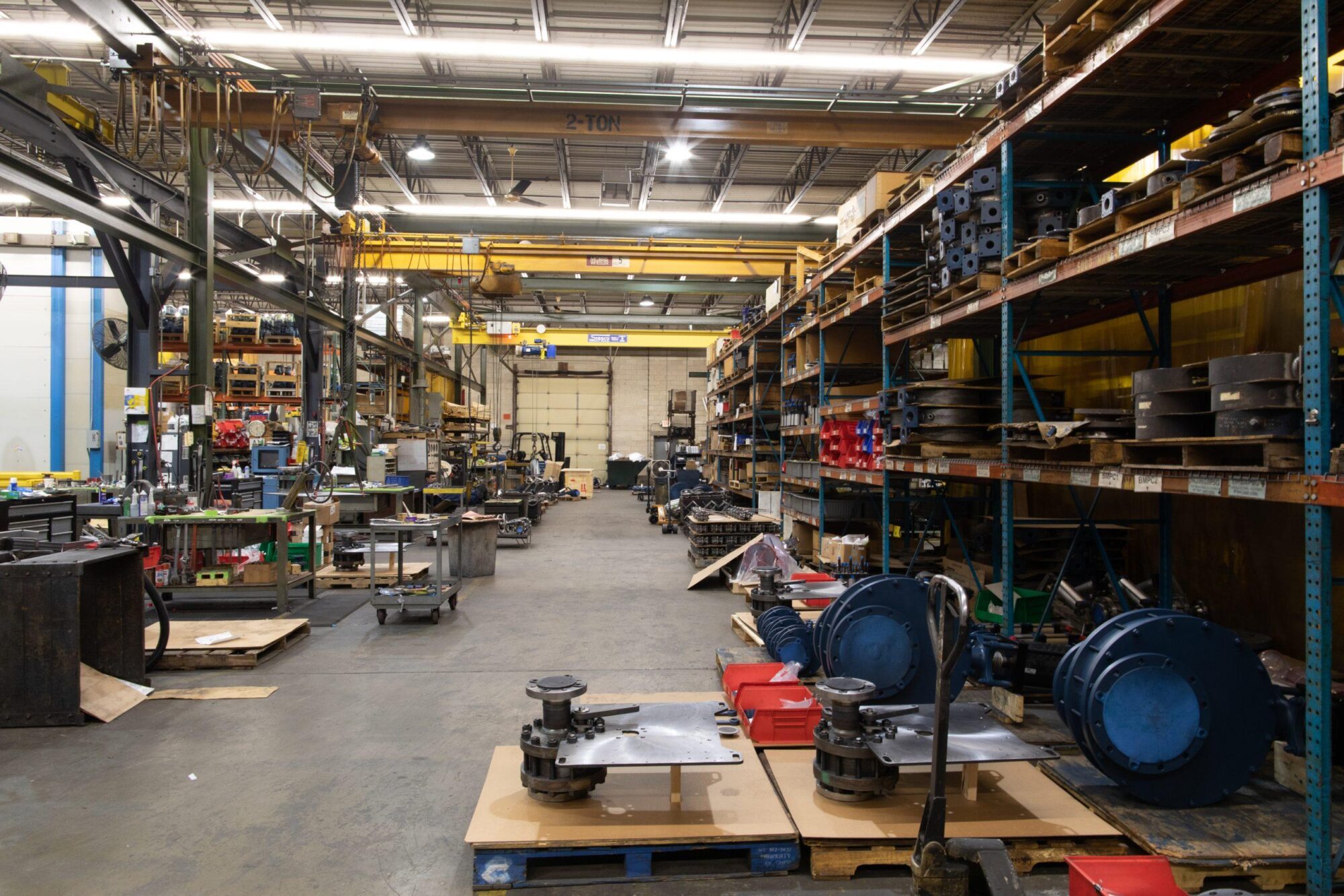
Cast iron valves are a popular material choice in many applications, because of the unique properties of this metal. Companies like yours have to consider all of the aspects of a material when choosing a valve, from its cost to its strength to its ability to resist corrosion. The goal is to find a valve material that functions well without paying more for unnecessary strength or corrosion resistance.
Cast iron is mostly made of iron, with some carbon and a small amount of silicone. It’s a material that comes with a high temperature tolerance, low to medium pressure ratings, and the ability to stand up to a lot of vibration. It is also a good choice for valves that come into contact with corrosive material.
One of the only downfalls of cast iron is that it is not as ductile as some other materials, so it cannot be used where a valve might face bending. However, it’s a fairly inexpensive, durable, strong material. Cast iron valves are definitely a good choice in a lot of situations. And, of course, casting the material is easy.
Our Everlasting Valve Company product line includes cast iron valves in many of our valve configurations. We understand that this is what our clients want and know the great properties of cast iron. Whatever kind of valve you need, we are happy to work with you to determine if it’s available in a cast iron configuration.
Cast iron is mostly made of iron, with some carbon and a small amount of silicone. It’s a material that comes with a high-temperature tolerance, low to medium pressure ratings, and the ability to stand up to a lot of vibration. It is also a good choice for valves that come into contact with corrosive material.
One of the only downfalls of cast iron is that it is not as ductile as some other materials, so it cannot be used where a valve might face bending. However, it’s a fairly inexpensive, durable, strong material. Cast iron valves are definitely a good choice in a lot of situations. And, of course, casting the material is easy.
Our Everlasting Valve Company product line includes cast iron valves in many of our valve configurations. We understand that this is what our clients want and know the great properties of cast iron. Whatever kind of valve you need, we are happy to work with you to determine if it’s available in a cast iron configuration.
Since cast iron is a notoriously durable material, cast iron valves can have a multitude of uses. Because cast iron is not likely to be cracked or damaged by mechanical vibrations, it is perfect for use in automotive and structural projects, such as mounting large machinery.
Our Bulk Material Valves move materials through your equipment, even if they are abrasive, high-temperature, or otherwise challenging for most typical valves. When you choose cast iron valves for bulk material handling, you do not need to worry about corrosion or temperature, nor the valve weakening or breaking through vibration. Add in Everlasting self-lapping, rotating disc technology, and your bulk material will withstand time and the service environment.
Our cast iron valves for material handling are available in sizes of two inches through eight inches available from stock.
Used in many applications, our Diverter Valves offer all of the great technology of our rotating, self-lapping valve technology, alongside the ability to switch on the fly, virtually eliminating downtime and bumping your production to new levels. As with all of our valves, our cast iron valves for diverting are built to withstand abrasion, heat, pressure, and other challenging conditions without failing or slowing down.
When you want cast iron valves for this purpose, we have them. All of our industrial diverter valves are available in cast iron, in various sizes and operator types.
Crucial in any boiler, a boiler blowdown valve needs to last. Our valves are built to last, even in thick slurry. The rotating, self-lapping construction of all of our valves ensures that while in use for boiler blowdown, these valves clear out boiler scale, improving with use instead of wearing out.
Our Boiler Blowdown Valves are available as both carbon steel and cast iron valves to meet your needs. As with many of our valves, the configuration options are many, with various sizes, pressure classes, connections, and operations. That means that there’s an Everlasting cast iron valve for any kind of boiler setup.
If you don’t see the type of valve you need or you‘ve not seen an Everlasting valve in use for your required application, don’t worry. Our engineering team is highly skilled in using that platform to create fully custom valves for our clients. We design and manufacture custom valves of all types, designed to replace ball valves, gate valves, globe valves and pinch valves. Just let us know what you need, and our team will come on-site to get a comprehensive understanding of your systems.
To get started with your own cast iron valves, contact us today or fill in a quotation request. You can also contact our team via email at info@everlastingvalveusa.com or call us at 908.769.0700.
Efficient and smooth infrastructure is crucial to run every company. Any production downtime, whether planned or unplanned, spirals companies into a series of costly consequences. You can avoid significant losses and workflow disruptions with...
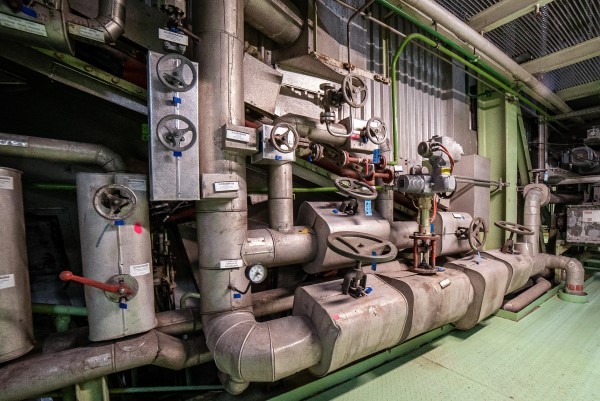
Efficient and smooth infrastructure is crucial to run every company. Any production downtime, whether planned or unplanned, spirals companies into a series of costly consequences. You can avoid significant losses and workflow disruptions with Everlasting valves.
Our high-quality, severe service valves thrive even in the harshest conditions and through extreme usage. All our valves are backed by robust and innovative technology. With stronger and high-performing valves, you can prevent downtime. Instead, accelerate your operations and productivity.
The consequences of downtime go beyond major inconvenience. The uncertain halt in your operations leads to loss of time, money and often brings down employees’ motivation. The impact is likely to be more significant and affect your company in several ways.
Server outages can shut down the entire production process. Any delay in one supply chain part contributes to issues in other areas as well. Generally, every service and communication goes through management systems. A loss of in-network access brings the whole workplace to a sudden halt.
Employees may not have any task to attend to until the servers restart. Regardless of system failures and network disruptions, companies have to bear the operating and labor costs, rent, and other fees. It reduces productivity, but the expenses remain and may lead to further losses.
Advanced valves ensure that the servers and systems continue to function without getting disconnected during downtime. When the network restores, you can restore to the pace of the usual operations.
Production downtime comes with the risk of data exposure or loss. Both scenarios are detrimental to companies and lead to unpredictable consequences. Even if you have a data backup, files may corrupt or face damages.
Network security lapses may also occur. It exposes your crucial data to cyberattacks that compromise or destroy the information. Losing any part of your data resource may impact business decisions. It has the potential to disrupt daily operations.
Downtime not only affects operations but also damages the company’s brand reputation. Apart from facing immediate consequences with lost productivity and data, the organization faces long-term repercussions. You are likely to lose the trust of clients and investors with frequent downtime.
The word soon spreads and deters potential clients. The sales of your products or usage of your services drastically fall. It may be challenging to rebuild trust and restore the organization’s reputation. Switch to efficient Everlasting valves to prevent frequent production downtime and raise your brand reputation to new heights.
Key Tips to Minimize Production DowntimeDowntime does not have to be a “surprise” for your company. It can be prevented when you take a proactive approach toward your maintenance. With a few key focuses, you can significantly reduce or stop downtime.
Your manufacturing company is only as good as each employee who is part of the process. You want to empower your managers so they can help each employee feel part of the team, and increase communication.
Help your supervisors communicate the big picture between downtime and business profits. This helps each employee see that they don’t just have a manufacturing job, but they are a vital part of the company. Also, provide ways for each employee to communicate up to their supervisor. They may notice something isn’t working properly, and could warn of a problem before it turns into production downtime.
Make sure your manufacturing business has systems in place to record the exact source of downtime if it happens. There may be a key component or a process that gets overlooked when production downtime happens.
The rush to get everything back online could cause team members to not seek out the main cause of the downtime. Training your team to discover the real source of downtime is very important to prevent future downtimes.
Consider having your machines connected online so you can digitally watch over them to see why they stopped. This kind of data and feedback can be instant and may even show problems before they become downtime causes.
When doing manufacturing work, preventative maintenance can seem mundane. The trouble of changing things when everything seems to be going well can feel unnecessary and time-consuming. You must look at preventative maintenance as part of the manufacturing process because it is necessary for long-term success. Preventative maintenance can be something from regular cleaning to equipment upgrades.
One of the best times to think about preventative maintenance is when you are buying equipment. Instead of just thinking about cost, think about the performance of the equipment and how often it would fail during its life. Some manufacturers are using machines and parts that are over twenty years old, and they weren’t made to last that long. You want to upgrade that equipment and replace it with parts designed to last decades.
Manufacturing companies who have sustained and long-term success make upgrading their equipment part of their preventative maintenance plan. They focus on getting the quality parts needed for their equipment.
One of the biggest keys to preventing downtime is using the best quality equipment and parts available. This is where Everlasting valves can be part of your preventative maintenance plan.
Valves are essential for production facilities and companies of different industries. However, the quality of the valves you use is crucial. Higher quality and good condition valves provide better performance and ensure that the production lines and operations run smoothly.
Choosing a trustworthy valve company that designs and produces efficient valves can make a huge difference in running your operations. Everlasting valves come to you after rigorous testing. You can rely on our valves to avoid downtime.
Our valves have a reputation for being durable and long-lasting. They are suitable for harsh industrial use. Some of the Everlasting valves are performing efficiently for over 50 years in many industrial settings. With such durable performances, you can easily avoid production downtime.
Lower maintenance prices and fewer replacements make our valves a significant investment. You do not have to face any productivity, financial, or data loss with Everlasting valves. The valves rarely require any repairs. Whenever the repair need arises, you can count on us for timely repair and replacement services.
The valves of our company do not quickly wear out. The more your production line uses them, the better the valves work. Our valves utilize a rotating disk that self-polishes to perform better every time you use it.
Our valves effectively withstand higher temperatures of up to 1500 degrees Fahrenheit. At the same time, they remain efficient in lower temperatures of up to -50 degrees Fahrenheit.
The robust cold resistance and heat resistance features are useful for industrial use. You can install it even in staffed plants or busy locations. Our valves handle such temperature extremes and prevent valve failure. They make sure to keep the staff working around the area safe.
Generally, the functioning of valves takes a hit when they come in contact with slurries. It includes water, particles of sand, fertilizer, cement, and other solids. Eventually, slurries wear down valves and lead to downtime.
We build our valves with resilient materials that handle slurries effectively. You do not have to deal with equipment breakdowns or valve replacement frequently. Everlasting valves stand strong against various abrasive materials of multiple industries.
We design our valves to accommodate a vast range of applications across industries. You can choose from our valves of stainless steel, carbon steel, cast iron, and many more. The materials also vary according to different models. We assure you that all our materials are safe, strong, and deliver reliable, high-performance.
If you have a specific valve in mind for your production line or system operations, we are ready to design custom valves for you. Our professional and highly skilled in-house engineering team configure special valves to meet any specific requirements.
Feel free to contact our company any time with your valve idea, and we make it into reality. Our team is available to make onsite visits to understand and cater to your needs. We provide a quote after the inspection. Once you approve the plan, we get straight to creating a personalized valve that helps you prevent production downtime.
Valves are crucial to run production facilities and different organizations smoothly. Any issue with valves leads to downtime. The consequences are filled with losses, delays, and reputation damages. Switch to Everlasting valves to avoid production downtime. Our long-lasting, resilient, and reliable valves ensure to boost your efficiency and enhance productivity.
Did you know that before 1930, valve pressure categories were just standard, medium, or extra heavy? To make matters worse, there was no agreed upon definition for any of those classes! Some manufacturers would list the amount of pressure at which...

Did you know that before 1930, valve pressure categories were just standard, medium, or extra heavy? To make matters worse, there was no agreed upon definition for any of those classes! Some manufacturers would list the amount of pressure at which a valve would burst in the product description, but other than that there was very little regulation.
Fortunately, today there are far more safety standards and valve testing methods used to measure valve quality. This is due to the efforts of organizations such as the American National Standards Institute (ANSI) and the American Petroleum Industry (API).
Keep reading to learn about the standards and testing methods used to ensure a safe and efficient product.
Before 1968, most types of valves were not supposed to leak at all. Many valve manufacturers still aim for zero leakage, but the standards are a bit more lenient than they used to be for some designs.
Here are some of the most common standards that currently apply to valves.
This standard covers valve testing, inspection, and pressure test requirements for ball, butterfly, gate, glove, and check valves. It specifies the acceptable rates of leakage for various sizes and materials. The API 598 standard applies especially to the oil and gas industries.
These standards need to be met before the valve is shipped from the manufacturer.
This applies to test methods and performance evaluation of soft-seated quarter-turn valves when there is exposure to fire conditions. It is important to test for these conditions to ensure that a valve will not explode or melt in case of an accident.
The ANSI created pressure classes for valves, which range from 150 to 900 and beyond. Testing a valve needs to take into account its pressure class.
This is an international testing standard that applies to ball valves, check valves, and plug valves. It specifies the requirements and provides recommendations for the design, manufacture, testing, and documentation of valves.
This standard applies to valves, gauges, and other fittings associated with boilers. Testing methods are used for the valve, its mounting, and any other fittings it might have.
The MSS is the Manufacturer’s Standardization Society. It provides standards for valves which are commonly used fully open or fully closed.
This standard refers to the inspection of steel castings on valves, fittings, flanges, and other piping components. It provides a uniform means of identifying different types of surface irregularities.
A valve test is often performed with three parties in attendance. The manufacturer, the purchaser, and a third party agent. The inspection should be documented and issued as a report afterwards.
In the shell test, the valve is partially open and subjected to hydrostatic pressure at a 50% higher level than its rated working pressure. The fluid must be within a certain temperature range.
If the valve is made of stainless steel, the chloride ion content cannot be more than 100 ppm.
The seat leak test involves closing the valve entirely, and subjecting it to hydrostatic pressure while the outlet side is monitored for leaks. The pressure must be at least 110% of its maximum allowable pressure. The fluid must be 100 degrees Fahrenheit. The test lasts for 1 minute. To pass the test, the valve must not leak from the stem or packing, but a small amount of leakage from the disc or seat is acceptable.
For the backseat test, the valve is fully opened, but the ends are closed. Like with the seat leak test, the pressure must be at least 110% of its maximum allowable pressure, and the fluid must be 100 degrees Fahrenheit.
The duration of the test depends on the size of the valve. For one that is less than 2 inches, the test lasts for 15 seconds. For a valve larger than 2 inches, the test lasts for 60 seconds. There must be no leakage during the test.
The API differentiates check valves from other types of valves because check valves depend on pressure to seal, which makes them more difficult to seal. API 598 states that no visible leakage is allowed through the external surface for shell and backseat tests. The external surface means the body, the body liner, and the joints of valves. For resilient seated valves, standards do not allow leakage at all.
For metal-to-metal check valves, 2 drops of liquid or 3 drops of gas are allowed to leak per minute. This is the case regardless of the size of the valve. For metal-to-metal valves of any other type, the acceptable number of drops varies with the size. The smallest type of valve, less than 2 inches, may have 1 drop of liquid or gas per minute. The largest size, greater than 12 inches, may have 28 drops of liquid per minute, or 56 drops of gas per minute.
The API publishes charts specifying the allowable number of drops for different sizes.
A valve test is an important way of ensuring the efficient and safe operation of industrial processes. These processes depend on valves performing with precision to regulate temperature, pressure, and flow. The standards also promote product quality and safety. As more companies source their products globally now, testing has become paramount to the customer’s ability to feel confident about their purchase.
Different testing methods require different fluids. The high-pressure closure and shell tests involve air, inert gas, kerosene, water, or any other fluid that is of equal or lower viscosity than water. Low-pressure and backseat pressure tests are done with air and inert gas.
It’s important to look for a manufacturer who uses these valve testing methods to make sure you’re getting a good product.
If you are looking for a valve product that meets these qualifications, contact Everlasting Valves to learn about our service value and innovative designs. Our open body design seals better the longer you use it, so you can be sure it will meet these standards.
Why an Air Filtration Dust Collector Is Vital to Some Industries In many industries like steel mills, food processing, pharmaceutical production, feed, grain, metalworking, agriculture, mining, and concrete, are extremely susceptible to...
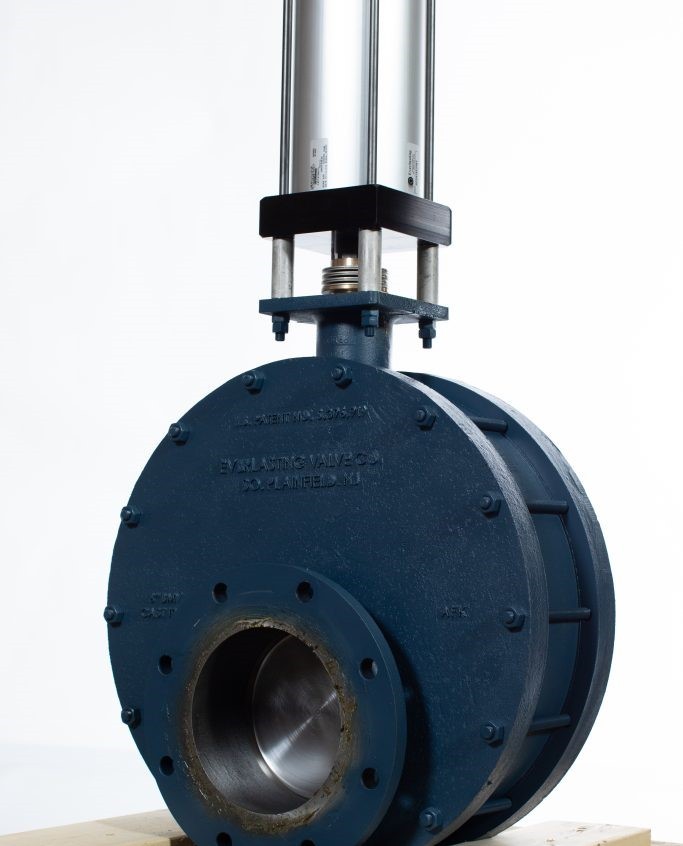
In many industries like steel mills, food processing, pharmaceutical production, feed, grain, metalworking, agriculture, mining, and concrete, are extremely susceptible to particulates getting inside the machines and causing major problems. The filter bag can restrict the clean airflow as it cakes up with dust, causing the system pressure to drop and reduce efficiency. Not only can this damage your equipment, but it can also pose risks to your employees’ health.
The food and beverage industries must also fight other elements in the air, such as powder and dust. That’s why an air filtration dust collector system is vital in all these industries and it’s also important to use a good dust collector valve since they are not created equal.
Pulse valves are used in dust collector systems to clean cartridge-type or bag-type filters. They send a high-energy air pulse through the blow tube to create a shock wave through the filters to remove dust. It is imperative for many companies to incorporate a quality dust collector system to reduce or eliminate these concerns. Quicker valve response times and higher air acceleration help consume less compressed air, clean filter bags better, and lower system operating costs.
They should provide a high-pressure air blast to achieve effective filter bag cleaning, more effective dust collection, and extend filter life. Insufficient slow valve response time and peak pressure can result in wasted compressed air and poor filter cleaning, which is an expensive consumable and one of the key market differentiation elements.
Dust collectors send a compressed air pulse through filters to dislodge caked-on dust. Because energy is required to create compressed air, it can be quite an expensive commodity. An effective dust collector balances the amount of air pressure (also known as peak pressure) delivered. This is why pulse valves are needed. These critical components help deliver the compressed air pulse with a combination of features that provide the reliability that your dust collector requires to operate more efficiently.
Some features a pulse valve should include:
Pulse valve characteristics, sought by OEMs, purchasing managers, end-users, and engineers alike, include ease of use, robust performance, and reliability. The most popular dust collector pulse valves in today’s market offer a simplified design helping to enhance performance, and maximize system uptimes. These valves are particularly developed for reverse pulse baghouses in jet systems and to filter dust collector cleaning.
Most applications require high flow rates, high peak pressure, extremely high-speed valve opening and closing, and long life, for more effective filtering while reducing compressed air waste. Some pulse valves provide a long life cycle with more than one million cycles.
The functional design of pulse valves includes multiple connection options, such as a dresser, threaded, and a quick-mount that enables easier, faster, and more secure installation. This is a great benefit for replacement situations and initial installation. In addition, it helps to be able to mount the pulse valve in any position without impacting operations. Another important option is built-in silencers that lower noise and stop foreign particles from going through the valve.
Today’s technology offers the capability of holding tighter tolerances for every component, which drives life expectancy and performance forward. Plants must have safe operations in explosive or hazardous environments and are required to comply with safety regulations. Pulse valves must meet global approvals of CSA, UL, RoHS, EC, ATEX, and other certifications for worldwide use. There are also optional explosion and waterproof solenoids available to use in atmospheres that pose potential explosion risks and offer ambient extended temperature ranges.
For engineers, purchasing managers, and OEMs, there are many concerns that affect buying decisions. It’s not about using the latest technology, but how easily integrated that technology is with their current projects and the efficiency of the technology, its maintenance needs, the length of time it will last, and how it affects other components. Not to mention current costs.
Other important factors are outstanding technical support, quick delivery options, and the ability to get the required components when needed to ensure smooth operations at your facility. Long lead times can either slow down your processes or shut them down completely. Some suppliers offer express delivery programs or same-day shipping to ensure you get your products fast as long lead times may be problematic for OEMs.
Swapping pulse valves for bulk material valves is a better option since bulk material valves have smaller parts, are of higher quality, and are actually more impactful for overhauling an entire facility. To improve your setup or troubleshoot problems, it is important to understand bulk material handling systems components.
Valves are generally used in bulk material handling to send dry bulk materials through the conveyer belt or another system. These valves are used to meter, shut off, or divert the materials. They play an important role and are used frequently and heavily.
Our bulk material valves drastically reduce issues such as frequent repair and replacement, to improve business uptime and lower your maintenance costs. This is because the bulk material valves we offer are made for tough situations, whether it is venting, discharging, or filling applications, dust collectors, transfer lines, or other scenarios that generally cause robust valves to fail. These valves can be used as a mixer, diverter, or to stop material flow when installed as a Y fitting.
Our valves provide a lot of good use since they feature self-lapping action to polish and renew metal seating surfaces when in use. Valves can wear out by mixing, diverting, or stopping materials, causing your material handling system to fail. Our valves are perfectly suited for various systems, as they are available in various sizes, connections, and constructions with optional accessories. They are also built to withstand extreme temperatures. We have the bulk material handling valves you need.
Carbon Steel Valves For many of our clients, our standard process valves, diverter valves, bulk material valves, and boiler blowdown valves are perfectly suited to their needs. If, after looking at our products, you do not find a valve that meets...
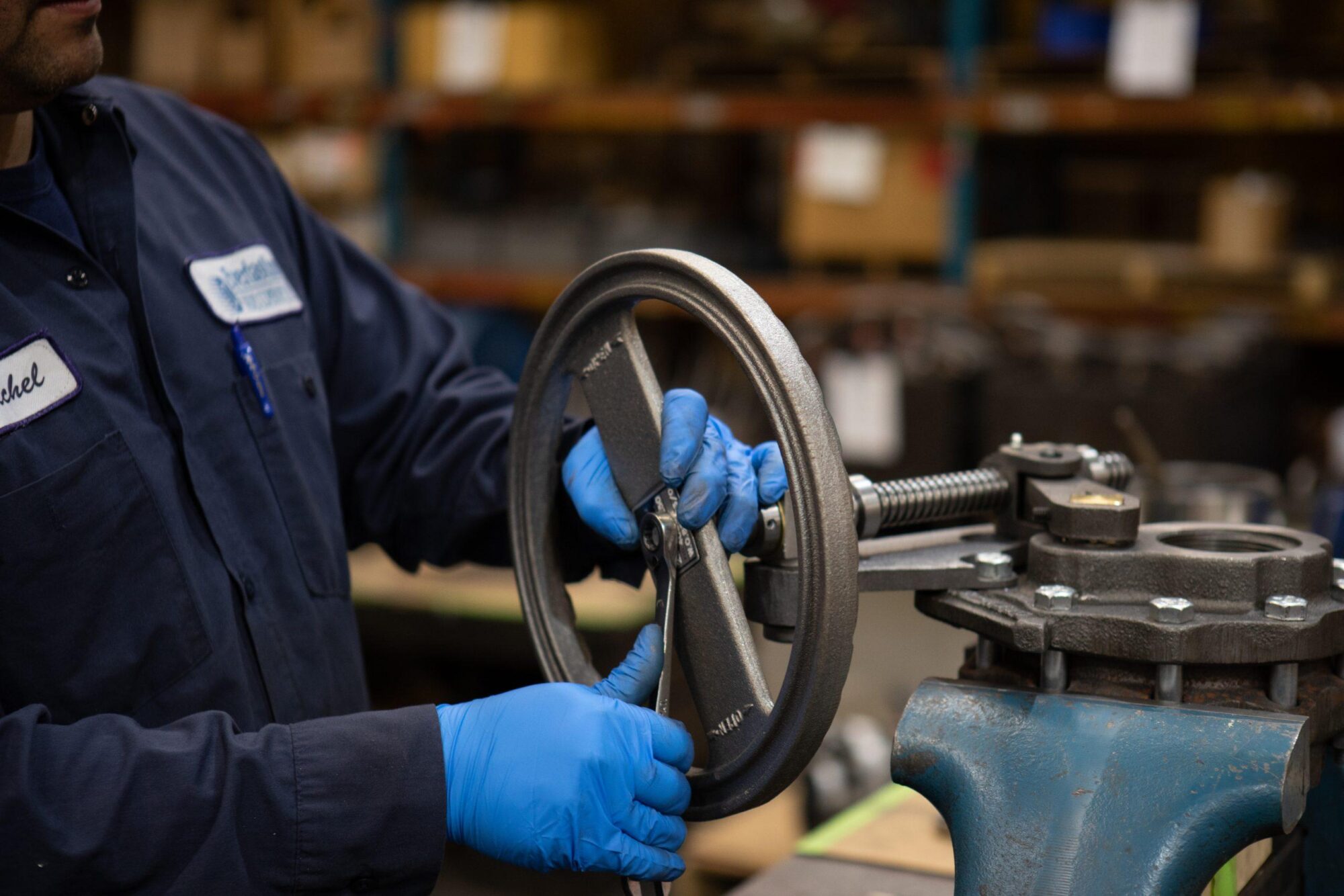
For many of our clients, our standard process valves, diverter valves, bulk material valves, and boiler blowdown valves are perfectly suited to their needs. If, after looking at our products, you do not find a valve that meets your needs or fits your application, don’t worry! You can still take advantage of our extremely durable, long-lasting rotating valves, as our technology is based on a very flexible design and our engineering team is remarkably skilled. We can customize any valve, or custom build a valve, including creating carbon steel valves to order.
Our process valves can be manufactured in practically any body material, so it is well suited as a carbon steel valve. Our bulk material valve is available in carbon steel and cast iron, and our diverging/converging values are fully customizable in any material including carbon steel, as are our steam boiler blowdown valves.
Whatever it is that you need, and however you plan to use your carbon steel valve, we’re pleased to offer the utmost quality and customer service.
Valve construction material is generally chosen for its strength, and how resistant it is to corrosion. Companies typically choose the material based on the top end of what they need, so they have the right level of function without paying more for strength and corrosion resistance that is not actually needed. While you would not want to use cast iron in a situation where you need a bit of ductility, for example, it could be a more affordable choice in a low-pressure situation where ductility does not matter.
As for carbon steel, it is a popular choice for valve construction. This material is very tough and durable, perfect for severe service applications. Carbon steel has a high hardness rating, high tensile strength, and an excellent impact value. It’s great for corrosion resistance and fatigue strength, and is resistant to sulfides, too. It can be cast or forged, giving options for how the valve is constructed.
In industrial settings, carbon steel products are typically used for high temperature and high-pressure applications. Grade WCB carbon steel works to temperatures up to 800 to 850F, and other alloys are suitable for higher temperatures. It isn’t commonly used in extremely cold conditions as carbon steel does not remain very ductile when it is used in that environment. That being said, carbon steel valves do work well in cold temperatures that are not so extreme that they are cryogenic.
If you are not sure if carbon steel is the right material for your application, or want to talk more about what types of metals would be best for your valve manufacturing, we are here to help. We are experts in this industry with a lot of experience, and we are pleased to work with you to create a valve that suits your needs perfectly, whether it is ultimately made from carbon steel or something else.
Carbon steel valves are a versatile choice for your valve service. One of the key selling points of a carbon steel valve is its pressure resistance. Naturally, this feature makes these valves great for any job that requires high amounts of pressure. As any engineer can attest, that refers to a lot of jobs.
Carbon steel valves are resistant to the corrosive properties of water and other liquids. Because of this, hydraulic-based applications of carbon steel valves see the valves flow water, hydrocarbon, and other liquids at high volume and intensity.
The automobile industry uses these valves often, specifically for metal stamping. Similarly, die casting uses hydraulics to safely lock machinery into place. Even the entertainment industry uses carbon steel valves for hydraulic-based special effects. Other industrial uses for carbon steel valves include the transport of steam and petrochemicals.
Other valve companies fail to meet our standard of service. They offer cheap products and impersonal conversations for a wholly unappealing package. At Everlasting Valve Company, we beat our competition with our long history and cherished values.
Everlasting Valve Company has serviced businesses of all sizes for over a century. Yes, you read that right, over a century. Patterson Allen engineering founded Everlasting Valve in 1906. For context, that’s the same year as the San Francisco earthquake. We have literally serviced businesses for generations.
Since then, our ownership has shifted (Armstrong International owns us, and has since 1982), but we’ve kept the foundations that made us the company we are today. We’re proud to be family-owned and only use American-made products for all our products. Over the years, we’ve built a vast portfolio featuring several types of valves. When you shop with us, you buy a carbon steel valve with decades of progress.
Our team carries the same values we built during our founding in 1906. We’ve established a family-centric culture in our company that extends from how we treat each other to how we approach our work. This attitude, of course, also translates to our service. When you contact us, we’ll treat you like you’re a part of the family. Once you start working with us, you are.
Although our valves last up to decades, Everlasting Valve Company fosters repeat clients who trust us with all their valve needs. When our clients need a service valve, they know exactly who to call.
When we create a carbon steel valve for your business, if it’s a custom valve we are pleased to come to your site to discuss your requirements and evaluate the unique needs of your plant. We want to see your work firsthand so we can ensure that our custom carbon steel valve is exactly what you need, recognizing that these valves are an investment that should be of good service to you for decades to come.
Please reach out to us for more information or to start with a quote. For a quote on process valves, bulk material valves, or diverting/converging valves, you can fill out our form here. For boiler blowdown valve quotes, call our office at (908) 769-0700 or email us at info@everlastingvalveusa.com for more information about pricing and availability.
Once we have your quote request and understand the logistics of what you need to suit your industrial applications and your plant environment, we can create a quote quickly.
We stock parts for carbon steel process valves and can ship those within four weeks. Custom built valves may take a little bit longer, but we aim to work as quickly as possible without compromising on quality or service. We’re happy to help out as much as we can if you need a valve sooner, so do not hesitate to let us know about any time constraints you may have.
Everlasting Valve Company makes valves, including custom carbon steel valves, that work better, last longer, and are more durable than anything else on the market today. Whatever harsh environment you are using these valves in, we know that they will survive, and on the off chance that they need repair, that is built into our customer service guarantees.
Connect with us today to learn more about how we can create custom carbon steel valves to order.
Severe Service Valves Certain applications call for the toughest, most resilient equipment. In our industry, severe service valves are what clients turn to when they need valves that last. All Everlasting Valve Company valves fall under this...
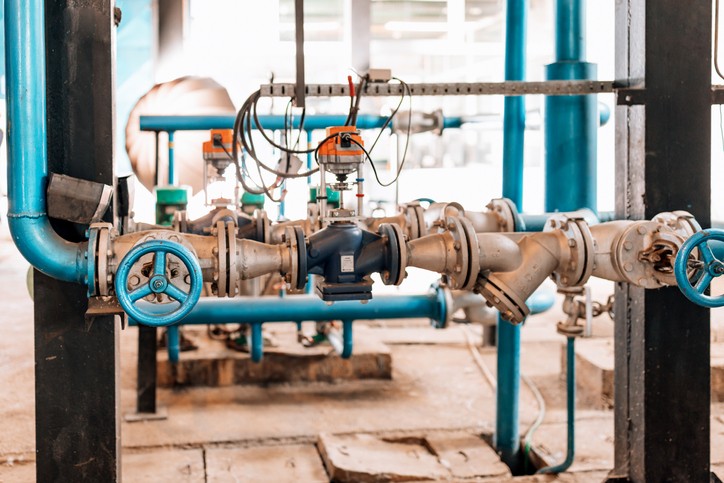
Certain applications call for the toughest, most resilient equipment. In our industry, severe service valves are what clients turn to when they need valves that last. All Everlasting Valve Company valves fall under this umbrella.
There are generally three main types of severe service valves: severe service control valves, severe service isolation valves, and severe service check valves. While a severe service valve isn’t always easily defined by an industry-standard, to us, it comes down to how it is used and what it can withstand.
Severe service valves can be used in the most challenging environments, providing quality performance for a generous duration, more so than a general-purpose valve. These valves are made of harder materials, designed to withstand temperature and pressure challenges. They are often constructed with different flow paths, capacities, and passages to accommodate severe service environments.
Critical service valve or not, any valve in these conditions needs to rise to the challenge. And it must function well in the long term. The first step in choosing the right valves is understanding severe service conditions and why they call for one of these extra-durable valves.
Every system has different needs, and you need a severe service valve that matches them. Thankfully, our diverse selection of valves have you covered. As mentioned earlier, all Everlasting Valve Company products fall under the umbrella of “severe service,” so our full selection is built to last.
Let’s dive into our specific valves.
Our process valves carry decades of field-proven experience. Think of them as our “bread and butter” valve.
Process valves outperform ball valves in every context. They’re resilient against slurry, chemicals, heat, scale, and dry solids. These valves carry heavy-duty businesses worldwide, found in pneumatic conveying systems, reactor loading, lock hoppers, and far more.
Diverter valves build on the foundation of process valves for a versatile, two-pronged valve. The diverter valve features all benefits of our process valves. That includes our self-lapping, rotating disc-valve technology, and an open-body design.
Where diverter valves differ is their extra opening. Our diverter valves are switchable at your command, squashing downtime. For peak production, look no further than our diverter valves.
Need a heavy-duty valve for high-volume projects? Consider our bulk material valves.
Bulk material valves can handle pretty much every intense job imaginable. Dry solids, transporter fill valves, and discharge all function smoothly within our design.
Unlike other valves on the market, our bulk material valves are easy to install and use. Our bulk material valves feature a separate pneumatic actuator and valve, which allows for easy transport. That makes for quite a smooth trip.
Our original valve innovation, the boiler blowdown valve has maintained client systems since 1906. That’s as old as the “S-O-S” signal.
This valve originated our self-lapping, rotating disc-valve technology for the express purpose of boiler-blowdown use. Now, the tech features in all our valves.
Today, our boiler blowdown valves still offer the best severe service valve for your boiler needs. Durable and long-lasting, your boiler blowdown valve will last beyond your next boiler replacement.
Here’s what to watch for in your operations. These are signs of severe service needs. Follow this advice to determine whether you should consider a severe service valve.
Are your plant environment conditions cavitating, erosive, corrosive, high pressure or high pressure drop, high temperature, or high velocity? That is usually severe service. These conditions are often found in industries and applications like power generation, refining, chemicals and petrochemicals, mining, and manufacturing.
Each of these severe service conditions calls for certain valve features. Valves for high-pressure applications, for example, usually require thicker materials to handle the pressure. Valves for high-temperature conditions require materials that will not lose yield strength, rated to retain strength and avoid heat damage.
You can avoid cavitation in valves with careful design, directing material flow away from valve surfaces. It is possible to avoid erosion, too, by keeping materials separate from the valve surfaces. Both severe service conditions can also be helped with hard materials, designed to withstand damage.
Suppose you are working with materials like solids that leave scale, sediment, and other debris on your valves, and general-purpose valves aren’t holding up to that environment well. In that case, a severe service valve may make a big difference. The same is true for highly corrosive materials, which can cause lower-quality valves to leak. Our valves handle any material handling process, from slurries to sludges to abrasives or erosive materials.
Extreme temperatures, major changes in pressure, and other difficult environments also see an excellent application for severe service valves, which will keep operations running smoothly, cut down on costs thanks to not needing so many replacement valves, and will keep both workers and the industrial environment safe from leaks or malfunctions. Our high temp valves are rated down to extremely low temperatures of -50 F, all the way up to extreme heat at 1500F.
Severe service valves can also work well in high-cycle applications, ensuring durability and longevity even when valves are in frequent use. A severe service valve is designed to open and close regularly without wearing down as quickly as a general-purpose valve. On the opposite end of the spectrum, general-purpose valves that are not opened or closed frequently may seize and falter. In contrast, severe service valves can withstand extended periods without cycling and still work well.
Have you found that your company is running through valves at a rate unsustainable for your budget or your operations? Are your valves failing to perform at the highest degree of quality that you need to be effective and turn a profit? If so, it’s likely time to take a look at what severe service valves can do for you.
Of course, severe service valves work to save you money, as outlined above. The simple act of replacing valves with equipment designed to withstand hostile environments means you will not be spending as much money regularly. Our valves may represent a slightly higher investment upfront, but their longer lifespan means you will save money overall.
All our valves feature a self-lapping, rotating disc design. The rotating disc renews and polishes the valve’s metal seating surface, ensuring these valves wear in instead of out. Even in the harshest work conditions possible, the harder our valves work, the more efficient they become.
The valves have a self-cleaning, open body design. Together with a lever arm and disc, this ensures particulate cannot create clogs. As the rotating disc moves evenly, it shears away any material that does accumulate, spreading wear evenly.
Our valves can replace gate valves, ball valves, and globe valves. If there is a valve you need and one of our existing products will not suit the situation, we’re proud to offer custom valves. Our team uses our proprietary, proven technology to construct something perfectly suited to your needs, complete with a site visit to see how the valves will be used. Of course, there’s a reason our valves are called Everlasting! They retain their quality and durability for decades. We are here to evaluate and fix any valve we have manufactured on the rare chance that a valve needs repair.
You will also benefit from more confidence in your valves, and thus your entire operation. This translates to greater confidence for your clients. You can keep that same confidence in your operations’ safety, which is meaningful for your staff. It can rest assured that safety is a priority for your business thanks to your investment in the strongest, most reliable valves on the market.
Severe service valves give you the most value for your dollars, paying off in more ways than financially. A good choice in valves means your company has equipment that works better, lasts longer, and is safer for your company, staff, and the environment. With Everlasting Valve products, you can take a proactive approach and make the most of your resources, even in the harshest industrial environments.
You can see the difference of Everlasting Valve Company’s severe service valves first-hand through our comprehensive evaluation and quotation process. If you need a custom valve, we will be pleased to come on-site to find out more about your environment, your needs, and your challenges to fabricate the perfect severe service valve for your needs.
Simply put, severe service valves give you the most value for your dollars, paying off in more ways than just financially — a good choice in valves means your company is set up with equipment that works better, lasts longer, and is safer for your company, your staff, and the environment. With Everlasting Valves products, you can take a proactive approach, and make the most of your resources even in the harshest industrial environments.
The price of our severe service valves varies based on several factors, namely type, and size of valve. We give personalized quotes to all our customers, so please reach out if you have any questions.
Just like our prices, our quote return time changes per order. We can usually quote boiler valves, for example, nearly immediately. Larger, more complex valves, however, may take up to several days for a returned quote.
Our severe service valves are a long-term investment. Where other valves fail, ours thrive for decades. Some Everlasting valves have even been in service for over 50 years. We don’t build our valves to fail. If they do, however, we’ll be happy to evaluate and repair whatever went wrong. Although our valves should last you years, we’ll fix them to last longer if needed.
If you know you need severe service valves or suspect that it could improve your operations, there is no better source than Everlasting Valve Company. Our company started with a focus on solving severe service needs, back in 1906. We developed a steam locomotive blowdown valve and continued to innovate, using that rotating-disc design to create more valves for more severe conditions. We have always been devoted to ensuring companies can continue to produce in challenging situations, which is why we’re known for quality, durability, and longevity.
Everlasting Valve Company works as your partner, and not just a supplier. When your business succeeds, it is our success too. And we take the time to make sure our valves will help you reach your goals. We want to know your challenges, plant environment, and future plans so we can tailor our valves to you.
We have always been a family-owned organization with American-made products, but our products are used worldwide. When you join our list of happy partners, you will never need to worry about broken, worn-out valves again. Think of what you can do with all of the time and money you will save!
Our Everlasting Valve team is looking forward to working with you for all of your severe service valve needs. For a quote on process valves, bulk material valves, or diverting/converging valves, you can fill out our form here. For boiler blowdown valve quotes, head here, call our office at 908.769.0700 or email us at info@everlastingvalveusa.com for more information about pricing and availability. We’re looking forward to working with you.
Does your production line come to halt because of ball valves related issues? Ball valves are essential industrial products that most companies must use in some capacity. They're commonly used in industrial settings to control the flow of fuel, oil,...
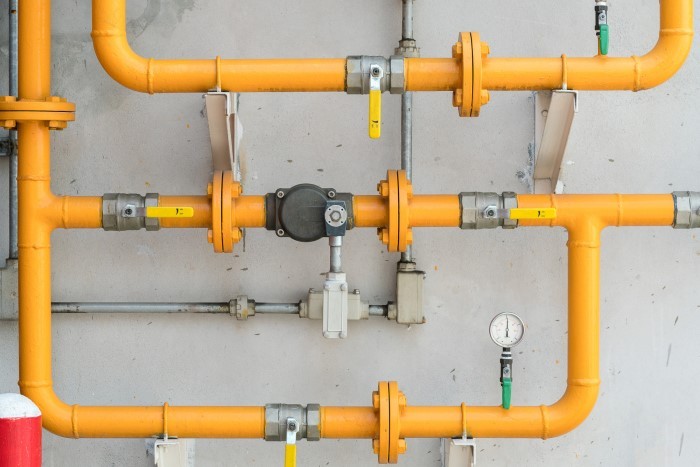
Does your production line come to halt because of ball valves related issues? Ball valves are essential industrial products that most companies must use in some capacity. They’re commonly used in industrial settings to control the flow of fuel, oil, and other liquids throughout a facility.
However, the ball valve advantages and disadvantages vary when using them for this purpose. This article highlights common ball valve disadvantages that you should know.
The classic mechanism behind a ball valve is the perfect way for steam to leak. This is through the ball valves themselves or through pitting on their surface where rust has gotten underneath.
One solution would be using more rigid alloy steel, stainless steel, or even tungsten carbide alloys. Yet, most manufacturers have kept costs down by reducing metal thickness, which can give further problems. Ball valves have seats that need replacing after a certain amount of time. Factors such as temperature and corrosion make these materials disintegrate and crack hence becoming less effective.
This way, they may not close properly, making your system susceptible to leaks. If you’ve been a victim of this, why not try our Everlasting valves? They are tougher, durable, and more durable.
The size of the ball valves is important and must open and close quickly. Otherwise, your system loses heat and doesn’t shut off properly. This way, you could end up losing a lot of water or steam if this happens.
Manufacturers now have to make sure that there are no burrs on the balls. The valve has to be re-sized and tested before it can go into production.
But why go to all the trouble while Everlasting Valve Company can customize your ball valves to fit your plant equipment?
Ball valves rust quickly due to being exposed directly to water and acidic substance. Thus, they corrode more easily compared with other types of valves. Again, they can fail at any given moment.
This corrosion can lead to pitting and cause leaks. This is not always the case, yet it’s a factor that should be considered when buying valves.
One way to reduce leakage most times is using materials such as stainless steel.
However, these steels have a lower melting point.
The material properties of the valves change, and the tolerance has to be increased to prevent melting while in operation. This doesn’t mean that manufacturers cannot use stainless steel.
Whether or not you’re making a bulk purchase, deal with a manufacturer that uses the best materials for the ball valves. Corrosion can be a nightmare to plant operators, and you don’t want your equipment stalling now and then.
Another common problem with ball valves is leaks at their hinges, whether it is a rubber to ring or a metal to metal seal. The ball valves work less efficiently and could shorten their lifespan by reducing the material’s fatigue resistance.
If fluids are allowed to leak out, they can cause safety issues in some cases and reduce the overall efficiency of the ball valves. This could pose serious problems within specific industries.
It makes them less cost-effective than other types of valves like gate valves or butterfly valves.
If ball valves are not lubricated, they’ll wear out. Remember, friction can reduce material endurance. As such, ball valves could fail at any moment, which can be dangerous for operators. It can also reduce its lifespan.
Although ball valves are quick and inexpensive, there are many disadvantages to using them in industrial uses. Due to these issues, they have been replaced by other types of valves, including butterfly or gate valves.
However, some industries still use them, but most prefer the more efficient options currently offered by manufacturers today.
One of the significant disadvantages of using ball valves for industrial purposes is that they’re very noisy. Several things can cause this noise. They include loose parts, worn bearings, and corrosion build-up on the valve stem.
Sometimes the only way to fix this problem is to replace the entire valve or buy a new one. If you choose to replace the whole thing, it’ll not be cheap. You’ll have to purchase an entirely new plant control system with all its peripherals.
Another major disadvantage of ball valves for industrial purposes is their inaccuracy when taking pressure readings during operation. While traditional stop check valves are much more accurate, ball valves are often used in industrial settings because they are cheaper and easier to maintain.
If you need to know the pressure readings during operations for proper plant flow and control, ball valves may not be your best option. The accurate pressure reading is a critical system component in manufacturing plants.
Ball valves are not accommodative when it comes to low-flow scenarios. If your plant experiences a low flow situation, the media liquid cannot traverse through the internal liquid channels within the valve head and body.
You must shut down the system when this happens until everything gets restored to normal operating conditions with ample plant liquid available again.
No one needs to stop production because of a ball valve. Our ball valves are calibrated with precision and are guaranteed to offer enough flow.
Repairing and servicing industrial ball valves can be incredibly inconvenient because of several equipment parts. For instance, ball valves need to be dismantled and disassembled to get at the stem assembly.
This is not always convenient or possible, depending on the current situation.
It may also be easier for plant personnel to replace the entire system with an entirely new plant control system.
It should be designed specifically around stop check valves that can provide much more flexibility.
Are you a plant manager who’s tired of ball valve disadvantages and need a better experience? At Everlasting Valve CO., our valves are designed to be more reliable by having a simple yet effective design.
We use superior and reliable materials that are not susceptible to corrosion or breakages. Call us today for all types of valves.
The market for bidirectional valves is global and has value in the tens of millions of dollars. This is because bidirectional valves are an essential component in industrial machinery. Without them, many chemical industry processes would not be...
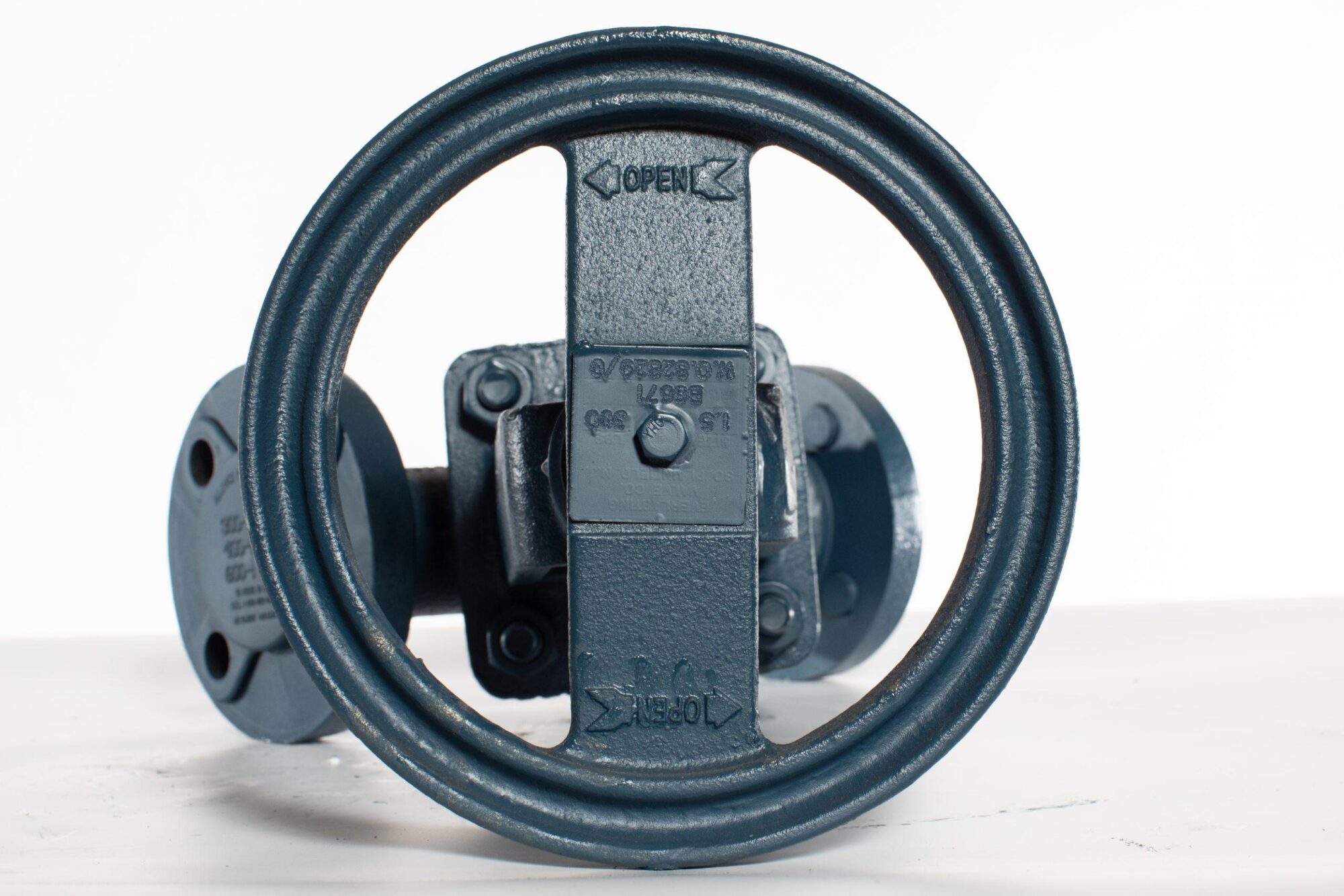
The market for bidirectional valves is global and has value in the tens of millions of dollars. This is because bidirectional valves are an essential component in industrial machinery.
Without them, many chemical industry processes would not be possible. If they don’t work correctly, it can become a major safety risk, not to mention the loss in productivity!
Maintenance engineers spend a lot of time checking valves to make sure that everything is working as it should. However, a well-made and cleverly engineered valve can eliminate a lot of the headaches that can come from maintenance issues.
Keep reading to find out how bidirectional valves work, what makes them a good choice for the chemical industry, and what types of valves Everlasting Valves offers.
To understand what makes our valves so innovative, it helps to understand where the technology began. Originally, the main design for bidirectional valves was the rising stem ball valve, or the RSBV. This type of valve functioned by twisting toward the seat, then jamming against it in order to achieve shutoff.
However, this design had a few flaws that made it difficult for reliability engineers to maintain. One problem was that the design caused a lot of mechanical stress, which resulted in warping over time. This allowed more leakage.
Another problem was that it allowed almost 100 times the amount of fugitive emissions as a rotary valve. In fact, in the 1940s an entire town was made sick as a result of a leaking valve in a nearby plant. Major improvements were needed and the EPA passed regulations to deal with fugitive emissions.
This brings us to the modern valve design that Everlasting Valves creates!
These types of valves are often made from cast iron or carbon steel, ensuring that they are very strong and durable, to resist warping. They can be made to fit many different sizes, in order to easily replace parts in any type of system. They are also customizable to handle different temperatures depending on what type of substance will be passing through.
Bidirectional valves are more complex than unidirectional valves, but this is due to how they have to perform. One of the most significant benefits of a bidirectional valve is that it has the ability to control the flow of materials and pressure in both directions, hence the prefix, “bi”.
Another benefit of these valves is that they help to isolate pressure. Plant managers will appreciate how bidirectional valves work with electronic pressure regulators or a fill-and-bleed circuit.
Bidirectional valves operate with back pressure and are also notable for avoiding build-up. This makes them more of an investment than a unidirectional valve, but also means that you can install them on the end of the line.
Everlasting Valves’ design is open-body. This design can clear out and shear away excess material, keeping the valve clean and unimpeded. They are usable with dry, abrasive solids or hot fluids, as they are very versatile.
Recall for a moment the problems posed by the RSBV valve. Everlasting Valves’ design solves both in a creative way, by achieving a tighter seal and reducing the possibility of leakage with every pass. As a result, it performs better the longer it’s in use and there’s less need for maintenance engineers to do packing adjustments.
These valves can be used in a variety of industries, including paper pulp, chemical, mining, power, and wastewater applications.
We produce 4 types of valves. 3 of these have bidirectional options.
Boiler valves are designed for steam-boiler operation and harsh industrial applications.
They are available as quick-opening, slow-opening, and various angle configurations. These are particularly good at handling high temperatures and are operated by a lever or a handwheel.
They are available in threaded or flanged connections.
Bulk material valves excel in handling abrasive, high temperature, high cycling applications. They are very durable and resistant to wear and tear.
The design makes it easy for material to move about and be cleared from the opening. It has a pneumatic actuator, which allows for convenient field packing.
Despite being incredibly durable, it is also flexible and you can use them in a wide variety of settings. These include silos, ESPs, and transfer lines, in addition to other industrial applications.
This type of valve can also have accessories added, such as solenoids, limit switches, and fail-safes.
Process valves work with reactor loading, pneumatic conveying systems, and other harsh environments. Like the other 2 types, it is self-lapping to keep it clean and functioning well. They are also very effective in reducing fugitive emissions.
This type of valve comes in a variety of materials to suit different needs, such as carbon or stainless steel, Hastelloy, or Ferallium 225, to name a few. There is also a wide selection of operators. These can include but aren’t limited to air cylinders, handwheels, and hydraulic operators.
You can buy these ready-made and easily install them in your system. Another option is for purchase coordinators to collaborate with Everlasting Valves to come up with a valve to fit a more unique need.
With COVID-19 causing supply-chain issues for almost every industry, it makes buying from local companies more practical. Everlasting Valves is a local New Jersey company, and their products are made in the USA.
When you’re considering new bidirectional valves, have Everlasting Valves come to your site to evaluate your plant and give you a quote.
With all the different types of industrial valves on the market, how can your organization know which are the best for your purposes? It’s an important question, as using the correct types of industrial valves ensures your business is as...
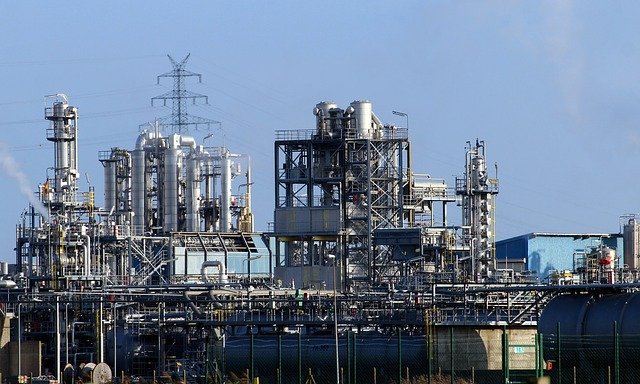
With all the different types of industrial valves on the market, how can your organization know which are the best for your purposes? It’s an important question, as using the correct types of industrial valves ensures your business is as productive and efficient as possible.
The reason there are so many different types of industrial valves is the ongoing quest to make the most of each industrial plant. Valves have been specialized for specific purposes and specific equipment. Still, there are a handful of main types or categories of industrial valves.
This type of industrial valve is typically used in some part of a sequence where different controls, sometimes including human activity, come together to produce a specific output. Valves control the process, playing a very important role. Think reactor loading, lockhoppers, pneumatic conveying systems, vessel discharge, and slurry applications. Process valves are often two-way ball valves, three-way ball valves, butterfly valves, or plug valves, which either work continuously or in periods of activity if the industrial setting calls for batch processing.
Our Process Valve solution is built with an open-body design. The rotating disc action ensures that the valve is self-lapping and self-cleaning. Process materials are cleaned off the surface of the valve every time it used, whether it’s continuously or in batch processing. Available to suit various sizes, pressures, temperatures, and operation types, along with different end connections, accessories, and body materials, these valves are ideal for ensuring your processes are never interrupted by a valve that can’t stand up to harsh environments and regular use.
Bulk material valves play an important role, controlling material flow from bins, hoppers, chutes, silos, downspouts, and the like. Rotary valves, butterfly valves, diverter valves, and slide gates are commonly used in this application.
Our own Bulk Material Valves are based on the same self-lapping, rotating disc valve technology as our other products, design to withstand even the toughest bulk material handling environments. The open body lets particulate move about freely, ensuring it’s cleared away as the valve opens. That same self-lapping action keeps an Everlasting Valve’s seal improving and tightening with every use, so it wears in instead of wearing out.
With a pneumatic actuator separate from the valve, this valve is ideal for any bulk handling needs. It will save your plant time and money when you make the switch from valves that are harder to install and maintain.
Boiler blowdown valves keep boilers working efficiently through removing dirt, scale, and sediment from boilers and their pipelines. Globe valves are commonly used for this application, but they can and do wear out very quickly. The action of removing that dirt and scale ends up sending the debris right into the valve seat, which impacts its seal and leads to its demise. Clearly, it’s important to invest in a boiler blowdown valve that can stay strong in harsh industrial environments if you want to reduce downtime.
That same wear-in action of our other valves holds true for our boiler blowdown valves. These types of industrial valves are perfect for boiler blowdowns as the seal gets tighter through use, even in thick slurry. The rotating disc keeps the valve cleared out as it is put through its paces.
We make several types of industrial valves for boiler blowdown use, including quick-opening, slow-opening, straight, and angle configurations.
Diverter valves control flow, redirect flow from one inlet to two or more outlets, or bring two lines into one. The flow can be solids, powders, or slurries, and in some cases, liquids.
Our Diverter Valves handle all of that material, no matter how abrasive or erosive it is. That same self-lapping, rotating-disc mechanism that keeps our other types of industrial valves working well and sealing tighter with use powers our Diverter Valves. That means that your plant benefits from valves that get tighter and stronger with use, instead of wearing out.
These valves promote maximum efficiency and major cost savings, reducing or eliminating common problems with weaker diverter valves, like plugged lines or off-quality silos. They’re available in various sizes, trims, body materials, and operators, as well as varying in connection type, and ability to withstand pressure. Whatever flow you are controlling or diverting, we have the ideal valve for you.
A rotation disc valve is basically a component specifically designed to replace a dome valve in an industrial plant. This new design has a unique function, a shearing disc, and a self-lapping rotation during operation with a seal ring. It can prevent particles from lodging on surfaces, providing excellent sealing conditions. It also offers superior wear resistance, and it can withstand high temperatures along with a wide range of pressure.
Our Rotation disc valve component was designed to be stronger, tougher, more reliable, and more durable than any gate valve or ball valve on the market. Everlasting valves are built to handle almost anything with exceptional dry abrasive solids ease, to fluid-catalytic cracking and hot-catalyst handling. They are rough and tough and feature an open-body design and a rotating, self-lapping disc that shears away and clears out process materials to achieve a tighter seal and lower leaks with every pass. Our Everlasting valves are like fine wine: They get better with age and wear in when others wear out!
The actuator moves the lever arm and stems a quarter turn to drive the disc. The disc’s entire sealing surface is continuously in contact with the pad or seat through force that’s exerted by coiled springs. These springs are what make the disc capable of moving vertically. This compensates for the valve’s components’ contraction and thermal expansion, which also overcomes any back pressure effects. It was designed for this, as well as to prevent particles from getting lodged between the sealing surfaces. Distinctions in seat friction to tangential disc forces are what make the disc rotate within its seat while the valve cycles, shearing and then wiping away the process material that can accumulate. There is no other similar valve like it.
1. Unique Shearing/Rotating Disc
This self-lapping disc has a tight, long-lasting shut-off, cuts through solids, and enhances seat cleaning action.
2. Metal to Metal Seating
Wide temperature range and abrasion resistance.
3. Wide Band Seating
Less trim wear has the high-pressure capability, force distributed across a larger area, and better than industry standards sealing.
4. Full Port
No obstruction to flow, abrasion resistance, and minimal pressure drop.
5. Rotating Stem
Wide selection of actuators and increased packing life.
6. Self-Draining Body
Reduces jamming due to degradation, stagnation, and material entrainment.
7. Body Purge Connections
Capable of flushing internals and valve cavity while in operation.
8. Spring Loaded Connection between Drive and Disc
Disc compensates for contraction or thermal expansion. Also ensures tight shut-off, adjusts for wear, and resists backpressure.
9. Flat Seating Surfaces
Makes maintenance much easier.
10. Repairable Seat
Less maintenance expense and reduced inventory.
11. Stem Bearings
Sleeve bearings and trunnion align stem, to maximize actuation, packing life, and simplicity while reducing maintenance.
12. Design Versatility/Simplicity
Ease of maintenance, minimal parts, and adaptable with long service life.
The Everlasting Valve Company offers the longest-lasting, most powerful valves currently on the market. We assess your plant problems carefully, then start brainstorming on how to transform the valves we have available into exact solutions for you to reduce downtime, boost efficiency, and reduce maintenance costs. Partner with us and we will be here for you whenever we are needed.
If you don’t see the valve you need within this list, don’t worry. Our designers and engineers are highly skilled in analyzing your plant environment and creating custom valves. We’re looking forward to learning about your needs, so we can help you achieve your objectives efficiently and cost-effectively. Contact us for more information!