Cast Iron, Carbon Steel, Stainless Steel or Your Material Choice in Sizes:½” (12mm) to 18” (450mm)
View Catalog

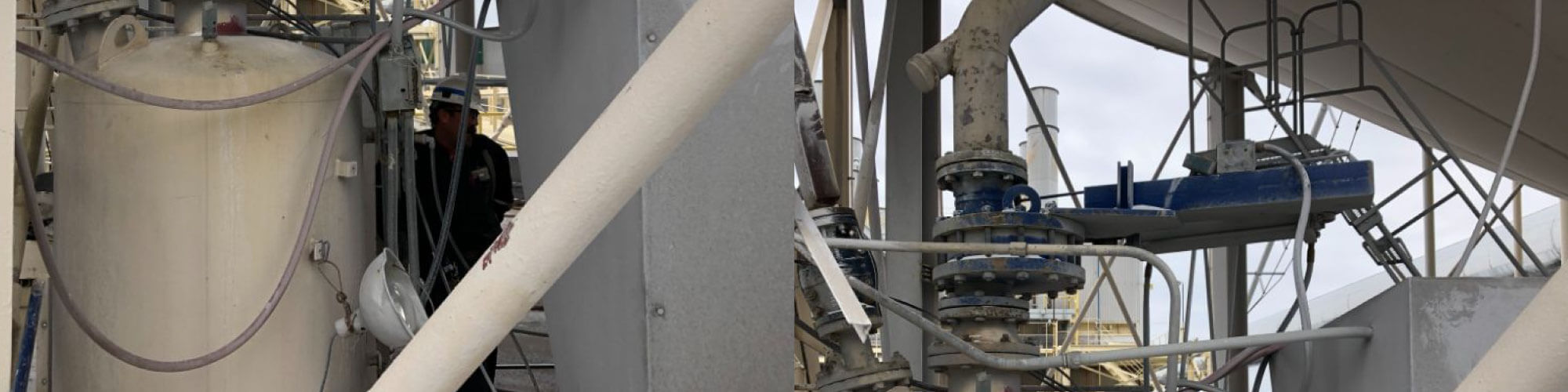
Everlasting PRO Series Process Valves are engineered for slurry, chemicals, heat, scale, dry solids, reactor loading, lock-hoppers, pneumatic conveying, vessel discharge, and harsh isolation service where uptime matters.
Cast Iron, Carbon Steel, Stainless Steel or Your Material Choice in Sizes:½” (12mm) to 18” (450mm)
View Catalog
Available ANSI class ratings: 150 through 2500, Full vacuum to 10,000 psi (Size Dependent)
Find your Product
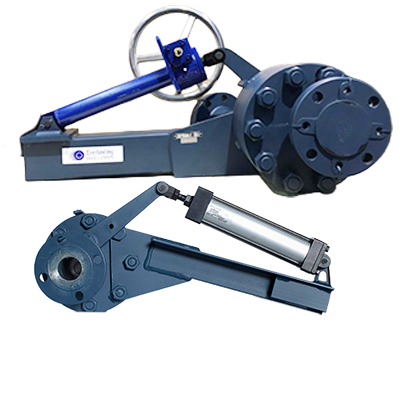
PRO Series are available in Manual Lever or Hand-Wheel, Air Cylinder, Electric Operators
Shop ProductThe PRO Series is designed for applications where valves plug, erode, leak, jam, or require repeated repair because the media is too hot, dirty, abrasive, corrosive, or solids-loaded for conventional valve styles.
| Common failure mode | EV solution |
|---|---|
| Scale, sludge or silica trapped in the seat | Self-wiping disc action helps push debris away from the precision-lapped seating surface. |
| Seat washout and leakage after cycling | Self-lapping sealing surfaces are designed to improve sealing contact with continued operation. |
| Temperature changes affecting seal integrity | EV blowdown designs are built for high-temperature boiler service and demanding pressure conditions. |
| Repeated valve replacement during outages | Long-life severe-service construction helps lower maintenance frequency and downtime exposure. |
| Unclear valve selection between quick, slow and dual arrangements | 4000, 5000 and 6000 Series options support quick-opening, slow-opening and duplex / uni-tandem configurations. |
Use this quick guide to frame the application before requesting an EV review. It helps identify the likely PRO Series direction and the engineering details needed for a proper recommendation.
Select the application conditions above and click Show Direction. EV should confirm metallurgy, trim, pressure class, operator, end connections, cycle duty, and sealing requirements before quotation.
For reactors, loading hoppers, let-down hoppers, and pressure equalizing service where the process may move between positive and negative pressure. PRO Series review should focus on pressure differential, cycle duty, media behavior, and operator control.
Review Reactor ApplicationFor alternating vessel trains and particulate-laden vent service where high velocity media can erode conventional valve seats and internals. PRO Series direction should evaluate velocity, solids loading, vent cycle, and trim hardness.
Start Guided SelectorFor high solids loading, corrosive carriers, tailings, acids, and high-temperature slurry service where conventional designs can jam, leak, or require long bleed-down and restart windows.
Discuss Slurry ServiceFor bottom outlet, tank-bottom, hopper, and vessel discharge applications that need reliable shutoff despite settled solids, dust, scale, or abrasive process material.
Download BrochureEngineered for smooth passage through slurry media with minimal resistance, ensuring reliable operation. This design is also available as a tank-bottom valve.
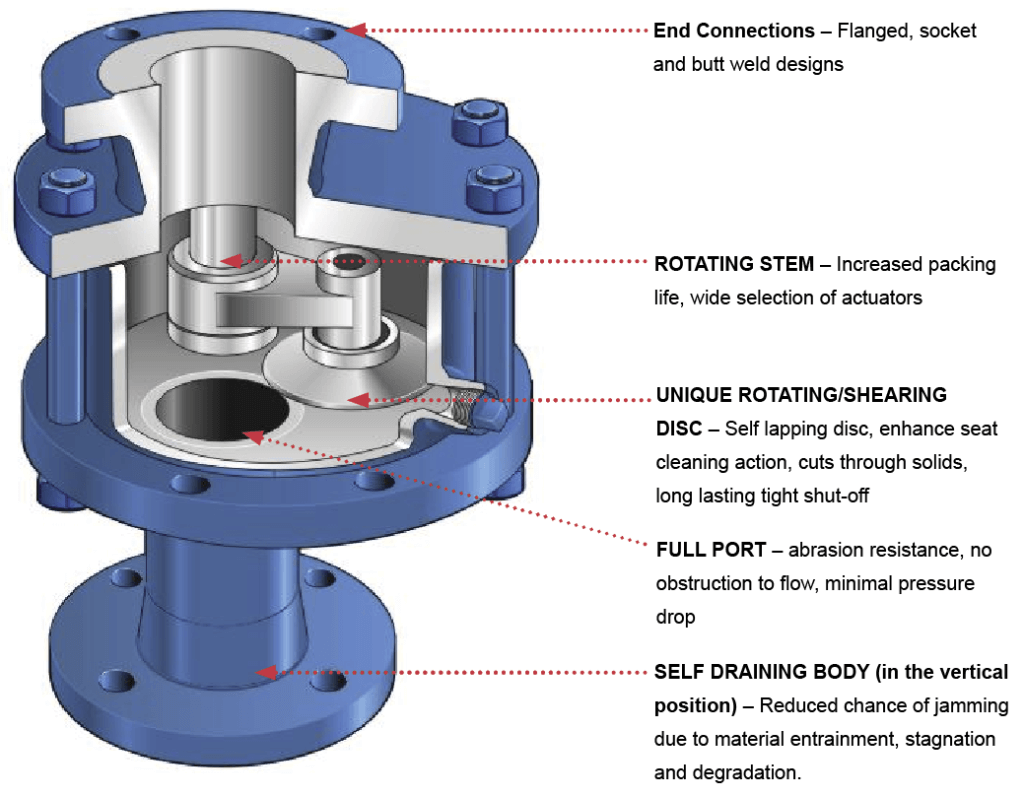
Rotation of the disc creates a self-lapping action in the process media that continually renews and polishes the metal seating surfaces with each cycle. This unique design allows the Everlasting valve to wear in with use, rather than wear out.
Wide seat and disc surfaces are precision machine-lapped during manufacture to within several light bands of flatness, producing shutoff and isolation performance that exceeds industry standards. Precision lapping and factory cycling can further reduce leakage rates.
The open valve body provides ample clearance for product to be freely displaced by the lever arm and disc during each cycle. This design prevents fines from compacting in restricted areas that can jam components in conventional valve designs. When the valve opens to discharge product, the eccentric body-to-port configuration generates a vortex that re-suspends settled media, effectively cleaning the valve interior.

Send EV the application details and let the team review the media, pressure, temperature, valve function, size, materials, operator, cycle duty, and current failure mode.
Final valve selection should be confirmed by Everlasting Valve based on actual operating conditions and application review.