

March 13, 2023

How A Non-Return Valve Works

The history of piping goes back to ancient times when clay and stone were used to transport water. Non-return valves have been around, but the modern one is an engineering marvel. It comprises two main components: an inlet and an outlet...
The history of piping goes back to ancient times when clay and stone were used to transport water. Non-return valves have been around, but the modern one is an engineering marvel. It comprises two main components: an inlet and an outlet valve.

The inlet valve opens to allow media to flow into the system. Whereas, the outlet valve remains closed until back pressure is triggered. This helps to prevent backflow and maintain the desired flow direction.

This article will explore how a non return valve works and the types available. We’ll look at the different applications and ways they can be used. Finally, we’ll give some guidelines for selecting the correct valve for your project.

Read on to learn more about non-return valves and how they can help your business.

Valves: How A Non Return Valve Works

Non-return valves are designed to maintain a desired flow direction. Thus, they allow liquids to travel in one direction only. This is quite beneficial when arranged appropriately for its use.

Depending on the valve’s design, they can be used for liquid and gas applications. For example, some non-return valves are explicitly designed for liquids. Whereas, others are intended for air or other gases.

The structure of a non-return valve is relatively simple. It consists of an inlet and an outlet valve, usually connected by a chamber or spring-loaded disc.

The inlet valve opens when pressure exceeds the maximum set point allowing the media to enter the system. The outlet valve remains closed until sufficient backpressure applies. At this point, it allows for flow in the opposite direction.

The importance of non-return valves lies in their ability to prevent backflow and maintain the desired flow direction. Examples include gas pipelines, industrial processes, and water treatment systems.

Without them, these systems could be vulnerable to health hazards from contamination. This also applies to other risks posed by unexpected changes in pressure or direction.

Now that you know how a non return valve works, let’s examine the types of valves.

Types of Non-Return Valves and Applications

Non-return valves come in various designs, including swing check, spring-loaded disc, and ball. Each type offers benefits that are suited to different applications.

Swing check valves are the most common and have been around for centuries. They rely on gravity to close the outlet valve when backpressure applies. Thus, they are ideal for wastewater or sewage systems.

Spring-loaded disc non-return valves use an elastic seal to maintain their closed position. This works until pressure triggers them to open.

These are usually used in delicate processes. For instance, maintaining a consistent flow direction is essential in food or medical operations. In fact, it can be the critical point for the processing protocols.

Finally, ball non-return valves prevent sudden changes in pressure or flow direction. They are often used in oil and gas pipelines and industrial processes where fast-acting valves are required.

Non-return valves are also widely used in domestic plumbing. They protect against water hammer and backflow from the municipal supply. This helps to maintain a steady pressure and reduce the risk of flooding.

Advantages and Disadvantages of Non-Return Valves

Non-return valves have many advantages, including durability and low maintenance requirements. This is quite common in modern piping, but the utility matters most.

Most only require occasional lubrication to function correctly. Thus, they are an economical option for many applications. Furthermore, they can be customized depending on the system’s desired flow rate and pressure rating.

Despite their advantages, non-return valves also have some drawbacks. For example, they can only stick if regularly maintained or adequately sized for the application.

Additionally, since they operate automatically, they can be vulnerable to power outages. This also applies to unexpected events which could cause them to malfunction.

Due to their opening nature, they are unsuitable for manual control applications. This is why other valves, such as diaphragm valves, are preferred for operations.

Non-return valves can be a valuable tool for many systems and applications. By providing protection against unexpected changes in backflow, they help ensure workers’ safety.

They also improve efficiency in critical operations. With the right design and regular maintenance, they can provide adequate service for years to come.

Selecting the Right Non-Return Valve

Choosing the suitable non-return valve for your application is essential for critical equipment. Here are a few tips to help you select the best option:

  • Consider the maximum flow rate and pressure rating required for your system
  • Make sure that the valve is sized correctly and able to accommodate flows during peak times
  • Check that all components are compatible with each other (e.g., inlet and outlet ports)
  • Review installation instructions carefully to ensure proper operation
  • Regularly inspect and maintain valves as recommended by manufacturer guidelines

When properly maintained, non-return valves can protect against backflow in critical systems. By selecting the valve for the job, you can ensure operations remain efficient.

Piping for Your Needs

Non-return valves provide a cost-effective and reliable solution for preventing backflow.

With their low maintenance and customization applications, they are ideal for flow direction. This is of great importance to waterworks in any industry.

By following the tips outlined above, you can select the best valve for your system.

Thanks to their design and versatility, non-return valves offer peace of mind. This deals with critical operations that require precise flow control.

Now that you know how a non return valve works, get in touch with us if you’re interested in customizing piping for your needs.

Continue Reading
how a non return valve works
March 6, 2023

Plug Valve Advantages: Why They Are Necessary

The global plug valves market size is estimated to reach 190.9 million by 2028. For any industrial application that relies on hydraulic systems in their operations, plug valves are a vital component for the efficient running of the systems. You...
The global plug valves market size is estimated to reach 190.9 million by 2028. For any industrial application that relies on hydraulic systems in their operations, plug valves are a vital component for the efficient running of the systems.

You can use them in applications for oil and gas, waste and water treatment, mining, chemical, and power generation industries. Below is a comprehensive guide on plug valve advantages, along with their types.

What Is a Plug Valve?

A plug valve is a type of quarter-turn valve that controls the flow of fluid or gas through a pipeline. It has a conical or cylindrical plug with a hole in the center that’s rotated within the valve body to regulate the flow.

When you turn the plug at 90 degrees, it can either block the flow of fluid or create an unobstructed passage for the fluid to flow through. Some plug valve uses include:

  • Oil and gas industry: Used to regulate the flow of crude oil, natural gas, and other fluids in pipelines
  • Chemical and petrochemical industry: Controls the flow of corrosive and abrasive fluid
  • Water treatment industry: Regulates the flow of water and other liquids
  • Pharmaceutical industry: Controls the flow of fluids during the production of drugs
  • Power generation industry: Controls the flow of steam, water, and other fluids in pipelines
  • Food and beverage industry: Regulates the flow of liquids and gases during the production of food and drinks

Types of Plug Valves

There are several types of valves available. Each plug valve is often designed to meet specific application requirements. Some of the most common types include:

Lubricated Plug Valve

This type of valve uses a lubricant to reduce friction and extend the life of the valve. They are commonly used in high-pressure and high-temperature applications.

Non-Lubricated Plug Valve

With non-lubricated plug valves, they use self-lubricating materials such as Teflon to reduce friction. This also eliminates the need for external lubrication. You can use them in applications where contamination from lubricants isn’t acceptable.

Eccentric Plug Valve

This valve has an off-center plug that’s designed to reduce wear on the valve. It also provides a tight shut-off.

Three-Way Plug Valve

The valve has three ports. It’s often used to direct the flow of fluid in different directions.

Four-Way Plug Valve

This type of valve has four ports. The plug valve often diverts or mixes the flow of fluid in different directions.

Lined Plug Valve

Lined plug valves often have lining materials such as Teflon or other plastics. These materials provide corrosion and abrasion resistance.

Expanding Plug Valve

This valve features a plug that expands to provide a tight seal when the valve is closed. As a result, it is ideal for applications where tight shut-off is essential

How Plug Valves Work

Plug valves work by using a cylindrical or tapered plug with a hole in the center to control the flow of fluid or gas through a pipeline.

The valve body of a plug valve often consists of two or more ports—an inlet and an outlet with the plug located in between. The plug is connected to a stem that extends outside the valve body, which is used to rotate the plug.

When you rotate the plug so that the hole is perpendicular to the flow direction, the valve is in the closed position. This means the fluid flow is blocked. Rotating the plug 90 degrees in the other direction can open the valve, allowing liquid to flow.

The operation of plug valves can be manual or automated, depending on your specific application requirements.

What Are the Plug Valve Advantages?

Plug valves are very beneficial in several industrial applications. You need to utilize these benefits for more efficiency. Some of the advantages of plug valves include:

Allows for Minimal Flow Restriction

Plug valves feature a full port design. This means that the opening through the valve is the same size as the pipeline.

As a result, they allow for maximum flow capacity and minimal flow restriction. It makes them ideal for applications where a low-pressure drop is critical.

Additionally, the full port design of plug valves can also help to reduce the risk of fluid turbulence and erosion within the valve. This prevents wear and damage to the valve, improving longevity.

Prevents Leakages and Spillages

Leaks and spills can not only be costly but also hazardous. Luckily, you can use plug valves to stop the issue.

When you close a plug, it forms a tight seal with the valve body. With a tight shut-off, plug valves can completely stop the flow of fluid through a pipeline. This can help prevent leakage in pipelines.

Durable

Designed to be long-lasting, plug valves can withstand high pressures and temperatures. Since they have a simple and robust design, it reduces the number of moving parts and potential failure points.

Plug valves are also resistant to wear and corrosion. This makes them ideal for use in harsh industrial environments.

Ease of Maintenance and Operation

Plug valves have a simple design. With fewer moving parts compared to other valves, they are easy to maintain and repair. You can easily disassemble them to inspect and fix any issues.

The simple design of plug valves also makes them easier to operate. This can be especially important in applications where you need to operate the valve manually. As a result, it can reduce the risk of operator error or misalignment.

Offers Great Versatility

Plug valves are versatile in terms of the fluids they can handle. They can control the flow of a variety of fluids, including gases, liquids, and slurries. You can also use them with fluids that may be corrosive or abrasive since they’re available in different materials for construction

Regarding pressure capabilities, plug valves can also be designed to operate in a wide range of conditions. They can handle pressures up to several thousand pounds per square inch (psi), depending on the specific valve design and materials used.

Since they can also operate at a wide range of temperatures, they are ideal for use in high-temperature or cryogenic applications.

Find the Right Plug Valve

Plug valve advantages are many. These tools come in handy in applications that rely on hydraulic systems. At Everlasting Valve Company, we offer premium valves to fit your application.

Contact us today to request a quote.

Continue Reading
plug-valve-advantages
February 13, 2023

Globe Valve for Steam Application: A Complete Guide

Losses from downtime total $864 billion a year for Fortune Global 500 industrial companies. You can't afford unplanned system failures. No matter how steam fits into your production, you need the system to perform reliably. High-quality valves are...
Losses from downtime total $864 billion a year for Fortune Global 500 industrial companies. You can’t afford unplanned system failures. No matter how steam fits into your production, you need the system to perform reliably. High-quality valves are critical to keep your operations running smoothly.

Many businesses choose a globe valve for a steam application. Learn more about glove valves and the other options for your steam system.

Using a Globe Valve for a Steam Application

Globe valves are multi-turn linear valves. Globe valves have a moveable plug or disc between two halves of the valve body. The disc controls the flow between the two chambers. Raising the plug allows media to flow from one half of the valve body to the other. Lowering the plug stops the flow. Multiple turns are necessary to fully open and close the valve.

Globe valves can create large drops in pressure. They’re a common choice for steam applications, though. The flow needs throttling, but the amount of pressure loss isn’t a primary concern.

Shutoff and Throttling

Globe valves can provide shutoff and throttling. Globe valves won’t provide a quick shutoff like a ball valve or butterfly valve, though. Globe valves create moderate to strong throttling. A globe valve is a better choice for flow regulation than other multi-turn linear valves like gate valves. Globe valves provide finer control than quarter-turn valves like ball valves.

Easy to Maintain

The design of a globe valve makes it easy to maintain. The structure is simple. You can replace the disc and resurface the seat if necessary.

Types of Globe Valves

Globe valves come in three main shapes: T or Z, Y, and angle. The different shapes change the flow path. This can reduce the amount of pressure loss.

T or Z Globe Valve

The standard shape for globe valves is the T or Z pattern. T- or Z-pattern valves have the lowest flow rate and a higher pressure drop. They provide the highest throttling capacity.

Y Globe Valve

A Y-pattern globe valve has a more direct flow path than a T-pattern valve. The bonnet and stem meet the valve body at an angle.

Y-pattern valves have less pressure loss. They also have the least flow resistance.

Angle Globe Valve

An angle globe valve has a 90º angle between the inlet and outlet ports. The flow only changes direction once. This reduces pressure loss.

An angle valve can function as a pipe elbow in addition to a valve.

Body-Bonnet Connection

The connection between the valve body and the bonnet is critical for the performance of a steam globe valve. The best type of connection for an application depends on the pressure and temperature requirements.

Screwed Bonnet

A screwed bonnet is a basic design. Screws connect the bonnet and the body. It’s an economical option.

Screwed bonnet globe valves are suitable for applications with medium-pressure requirements.

Bolted Bonnet

Bolted bonnets are the most common design. They use nuts and bolts to connect the bonnet to the body. A gasket provides the seal.

Bolted bonnet globe valves are suitable for high temperatures and high pressure requirements.

Pressure-Seal Bonnet

A pressure-seal bonnet is an option for high-pressure, high-temperature applications. System pressure provides enough force to seal the body to the bonnet. The seal gets tighter as the media pressure increases.

Welded Bonnet

Welded bonnets are economical and reliable. However, you can’t clean or repair them without removing the weld. They’re an option for applications where the valve won’t need maintenance or cleaning.

Materials for Steam Globe Valves

The materials for the housing and seal of a globe valve for a steam application must be compatible with the media. Metal is usually used for the valve body and internal parts like the disc. Metallic materials that can handle steam include:

  • Alloy steel
  • Brass
  • Bronze
  • Cast iron
  • Copper
  • Stainless steel

Rubber-based or plastic-based materials are necessary for components like the gasket and seal. These materials include:

  • EPDM
  • NBR
  • FKM
  • PTFE
  • PA

They will withstand the heat and pressure of steam applications.

Manual vs Automated Steam Globe Valves

Globe valves can have manual or automated actuation. Manual globe valves have a hand-operated wheel or crank that opens and closes them. An automated system can use electric, pneumatic, or hydraulic actuation.

Electric Valve Actuator

Electric actuators rely on an electric motor and electrical wiring. They provide precise control and flow regulation. The component costs are relatively high, but the operating costs are low.

Pneumatic Valve Actuator

Pneumatic actuators use compressed air. They have a fast cycle time, and they resist moisture and overheating. The installation costs of a pneumatic actuator are lower than for an electric one. The operating and maintenance costs are higher, though.

Hydraulic Valve Actuator

Hydraulic actuators use liquid pressure. They can deliver high force and are very durable. They have limited motion control capabilities, though.

Everlasting Valves for Steam Applications

Globe valves are a common choice for steam applications. However, Everlasting Valves have several advantages over traditional globe valves.

Boiler blowdown valves from Everlasting Valve Company are specially designed for the severe service requirements of industrial steam applications. They use proprietary self-lapping, rotating-disc technology. The rotating disc clears out damaging boiler scale and other particles. This is a significant benefit compared to globe valves. As a globe valve operates, it forces dirt into the valve seat. This reduces sealing and will lead to valve failure. Everlasting boiler blowdown valves need less maintenance and last longer than conventional valves. You can choose from a straight-through flow, angle, or Y pattern. Quick-opening and slow-opening valves are available.

Boiler blowdown valves are ideal for applications such as:

  • Steam boiler blowdown
  • Surface blowdown
  • Water column drain
  • Shut-off valve
  • Stop valve

Boiler blowdown valves reduce your maintenance costs and minimize downtime. Investing in Everlasting Valves brings a significant benefit to your operations.

Valves for Steam Applications

A globe valve for a steam application is the traditional choice. Everlasting Valve Company has a better solution. Our boiler blowdown valves are a durable and long-lasting solution. They’re ideal for the sludge, high temperatures, and pressure that boilers produce. Everlasting Valves are low-maintenance. They perform consistently even in severe service applications.

Everlasting Valve Company is ISO 9001 certified. Our valves meet ASME/ANSI requirements. Contact us today to find out how we can improve your operations.

Continue Reading
globe valve for steam application
February 6, 2023

Butterfly Valves vs Gate Valves: The Ultimate Guide

Projections show that the global industrial valve market will reach a size of $93.6 billion by 2028. In an industrial setting, there are quite a few types of valves to choose from. However, two valves tend to go head-to-head with each other more...
Projections show that the global industrial valve market will reach a size of $93.6 billion by 2028.

In an industrial setting, there are quite a few types of valves to choose from. However, two valves tend to go head-to-head with each other more often than the others – and that’s the gate valve and the butterfly valve.

You might be asking yourself right now, “Butterfly valves vs gate valves – which one is better for my company?”. Well, thankfully, that’s exactly what we’re here to answer. In this guide, we’re going to compare and contrast the two valves, helping you make the right choice when the time comes.

Read on to learn more!

Butterfly Valves Explained

A butterfly valve usually has a handle that can be turned through 90°. Doing this turns the disk, altering the flow through the valve.

The disk is perpendicular to the flow when fully closed, and in line with the flow when fully opened. You can control the flow by setting the gate anywhere between fully opened and fully closed.

Gearboxes are sometimes used to control the valve rather than manual operation. This is typically done with large valves where a water hammer may occur.

What Are Butterfly Valves Used For?

There are various butterfly valve options available for a range of applications. The different butterfly valve types are:

  • Double-flanged
  • Single-flanged
  • Flangeless
  • Wafer
  • Lug Type
  • Butt-welding ends
  • U-section

Butterfly valves are generally used for applications that need flow modulation or throttling. They’re often quite light, so they can be easier to install and operate when dealing with large pipe diameters. They’re also easy to open and close quickly, making them suitable for applications such as emergency shutoffs.

Pros of Butterfly Valves

One of the main advantages of butterfly valves is that they can control flow easily and are ideal for throttling flows. They also function well in environments that involve high temperatures and pressures.

They’re lightweight and compact, making for easy installation and they take up less space. When it comes to larger sizes, these are one of the more affordable types of valves.

Cons of Butterfly Valves

Sometimes butterfly valves have been known to leave residual materials in pipelines, which may cause some contamination. Depending on what’s flowing through the valve, there may be some restriction in the movement of the disk.

A thicker valve body can interfere with the flow, even when fully open, resulting in a pressure drop. The turbulence of the flow can affect the movement of the disk, and as mentioned above, there’s also a risk of water hammers in certain situations.

Gate Valves Explained

A gate valve has a disk that acts like a gate to control the flow through the system. Due to its simple operation, it’s one of the most commonly used types of valve. It’s known as a full-port valve, as when it’s fully open it will match the inner diameter of the pipeline.

They have a handwheel which the operator must turn more than 360° to open and close the valve. As the wheel turns, the gate will move up and down. When the gate is fully down, nothing will flow through, and when it’s fully opened, the material can flow freely.

If the valve is left partially opened, the flow will crash against it. This causes the flow velocity to increase, which results in more turbulence. This isn’t ideal as it will wear the disk and seats faster than normal.

Gate valves can be operated manually, electrically, or pneumatically. Manual operation is the cheapest, but electrical and pneumatic operation allows for remote control.

What Are Gate Valves Used For?

Gate valves can be separated based on the gate type, bonnet type, and stem type.

The different gate types available are:

  • Wedge disk
  • Knife disk
  • Double disk

The different bonnet types are:

  • Screwed
  • Bolted
  • Welded
  • Pressure sealed

The stem type is based on both the action and the position of the stem:

  • Rising vs non-rising
  • Remains within the valve vs rises out of the valve

Gate valves are often used in systems that demand good sealing and don’t often require switching. One of the main characteristics of gate valves is that they don’t interrupt the flow. This makes them ideal for large piping systems where resistance needs to be kept to a minimum. They’re also common in bi-directional flows, which many other valve types are unsuitable for.

Pros of Gate Valves

Since a gate valve is a full-port valve, there’s little to no resistance when it’s fully opened. This keeps the pressure drop in the system to a minimum as the liquid or gas can flow directly through.

Gate valves leave no residue behind in pipes and can withstand much higher pressure than butterfly valves. The slow operation also means there’s no risk of water hammers.

Cons of Gate Valves

Gate valves can only be used in a fully opened or fully closed position. As such, it’s not possible to control the flow anywhere in between. Operation is quite slow, and if it’s left partially, open it will cause damage to the gate.

They take up more space than butterfly valves, which can be an issue in some environments. Gate valves are also far more expensive than butterfly valves, especially when going for larger valves.

Butterfly Valves vs Gate Valves – Which Is Best?

To determine which type is best for your project, you need to look at your applications and needs. By comparing butterfly valves vs gate valves, you can determine which is more suitable to ensure good performance throughout your system.

Everlasting Valve Company supplies a range of valves for industrial applications. If you’re interested in investing in industrial valves, click here to get a free quote from us today.

Continue Reading
Butterfly Valves vs Gate Valves
January 9, 2023

What Are the Different Types of Valves Used in Piping?

Did you know that the construction of the Great Pyramid of Giza used rudimentary valve devices? Yes, valves have been with us for thousands of years. Given the time that they've had to evolve, it's no wonder why the valves we have today are so...
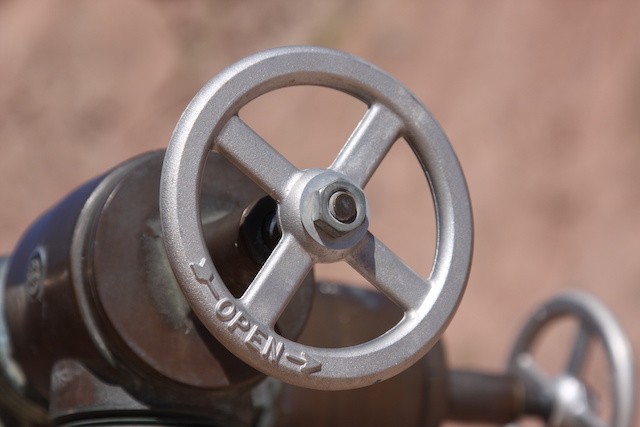
Did you know that the construction of the Great Pyramid of Giza used rudimentary valve devices? Yes, valves have been with us for thousands of years. Given the time that they’ve had to evolve, it’s no wonder why the valves we have today are so advanced.

Read on to learn about some of the types of valves used in piping today.

How Are Valves Used in Piping?

You probably already know this, but this article will review it anyway. Doing so will best introduce the abilities of the specific types of valves in the section below this one.

The primary purpose of a valve is to control the flow of a material traveling through a piping system. The material in question can be a liquid, a gas, a slurry, or another form of matter.

The layman may believe that valves merely open to let material flow and close to stop the flow. However, the ways that valves serve a piping system are far more complicated than that. This list below states just some examples of the tasks that valves perform:

  • Stopping the material flow
  • Starting the material flow
  • Diverting the flow to another route
  • Relieving pressure to improve safety
  • Slowing or quickening the flow rate
  • Stopping the material from flowing backward
  • Controlling the temperature of the material

What Are the Different Valves Used in Piping System Applications?

When you select a valve for your piping system, you face an overwhelming choice. This is the case because some valves work better for certain situations than others. You have to do your research and ensure you’re getting the best option for your piping situation.

Valves can be classified based on their material, end connections, how they open and close, and so much more. To keep things simple, though, this article will merely give the names of some valves based on their overall differences in design.

Gate Valves

Gate valves are so-named because they open and close much like a gate. The handwheel is connected to a stem that guides a disc up and down through the gate body.

When the valve is closed, it sits in the seat at the bottom of the valve body. When the valve is open, the disc and stem sit in a bonnet just below the hand wheel.

Typical Function

A gate valve is most often used as an isolation valve. It is primarily used to stop or start the flow of material. While it is possible to throttle a flow with a gate valve, doing so can cause severe damage to the valve’s components.

Opening/Closing Motion

A gate valve is a linear valve. This means that its mechanism moves in a straight line to cut the flow of material. It is classified this way because of the way its disc moves.

Globe Valves

Globe valves have spherical exteriors and their interiors are cut in half by a baffle. A disc-like plug moves up and down similar to how a gate valve moves. The main difference is that the disc, in the globe valve’s case, sits horizontally rather than vertically.

The seat of the valve sits in the middle of the baffle and also sits horizontally. The stem lowers the disc into and out of this seat to control the flow of material.

Typical Function

The primary purpose of a gate valve is to be a regulator. That is, it controls how fast or slow the material moves. Unlike a gate valve’s disc, the one in a globe valve can sit in partly open or closed positions without risking any damage.

Opening/Closing Motion

Though the globe valve’s disc sits horizontally, it moves in a straight line. This makes the globe valve a linear valve.

Check Valves

A check valve isn’t manually controlled like the gate and globe valves. Rather, this valve closes or opens based on the flow of the material. If the flow is moving in a way that isn’t ideal, the valve will close.

Often, a check valve will have a gate that will swing open and close with a semi-circle motion. The flow of the water in the right direction will open the gate and allow the material through. If the water flows the other way, the gate will close and stop the material’s progress.

Typical Function

Check valves are placed by themselves in a category known as ‘non-return’. This prevents the cross-contamination of different materials. In some cases, this can even prevent health hazards.

Opening/Closing Motion

A swing gate check valve uses a rotary movement, which is a semi-circle movement. However, lift check valves also exist and they use a linear movement.

Plug Valves

A plug valve often consists of a cork-shaped plug that permanently sits in a cavity in the lower section of the valve body. When someone turns the handle, the plug spins around.

The plug should have a hollow tube-like section inside it. When this section runs perpendicular to the pipe, the valve is fully closed. When the tube-like section runs exactly parallel to the pipe, the valve is fully open.

Typical Function

Plug valves are also used as regulators. The operator can place the plug at partially open/closed positions. This can slow or speed up the flow of the material through the pipe.

Opening/Closing Motion

Plug valves are considered both rotary valves and quarter-turn valves. The latter group consists of valves that turn 90° to fully turn the valve.

Fulfill Your Industrial Valve Needs With Our Products

Remember that the four valves above are just a few of the valves used in piping systems today. Make sure to do some more research before you start seriously shopping for valves.

When you think you’ve learned enough, consider checking out our collection of valves. We offer the most powerful, long-lasting valves on the market. We can also build you the perfect ones.

Click here to start the process of requesting a free quote.

Continue Reading
valves used in piping
January 2, 2023

How Diaphragm Check Valves Work

You might use diaphragm check valves often in your business, but do you know how they work? This is key to understanding how to properly maintain and repair them when necessary. Check valves are present in many industries, and they use various...
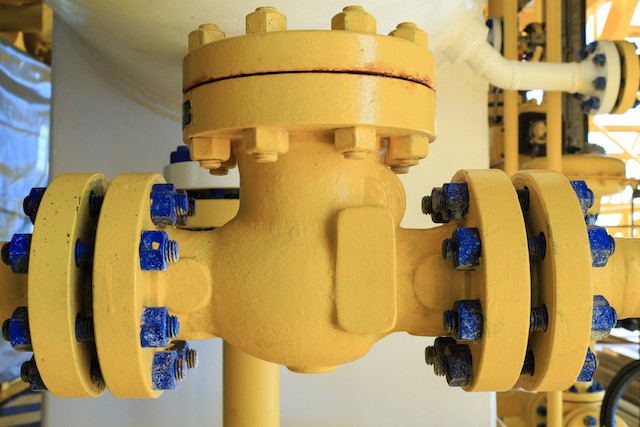
You might use diaphragm check valves often in your business, but do you know how they work? This is key to understanding how to properly maintain and repair them when necessary. Check valves are present in many industries, and they use various methods to control the flow of gases or liquids.

They open and close quickly, which allows for precise control over the flow. There are many different types of check valves, each with its own advantages. In this blog post, we will explore the types of diaphragm check valves and how they operate.

What Are Diaphragm Check Valves?

Diaphragm check valves, sometimes referred to as one-way valves use a flexible diaphragm to control the flow of fluid. They are popular in industrial applications because they are durable and can handle high pressures and temperatures.

How Do Diaphragm Check Valves Work?

As the name implies, diaphragm check valves have a diaphragm that controls the flow. When fluid pressure is applied to the valve from the inlet side, the diaphragm forces open, allowing fluid to flow through.

Once the fluid pressure lessens, the diaphragm closes, preventing any backflow. This makes diaphragm check valves ideal for preventing reverse flow in systems where that could be dangerous.

Types Of Diaphragm Check Valves

There are two main types of diaphragm check valves, free-floating valves, and fixed-floating valves. There are some others that we will also look at below.

Free-floating Diaphragm Valves

Also known as floating ball valves, these are one of the most popular types of valves used in a wide variety of industries. A free-floating ball is held in place by a retainer and sealed with a seat. As fluid flows through the valve, the ball floats on top of the fluid and seals against the seat, preventing flow through the valve.

Free-floating diaphragm valves are used for applications where tight shut-off is not required, such as in water and air systems. They are available in a wide variety of materials, including brass, stainless steel, and plastic. They are also available in a wide range of sizes, from 1/4″ to 6″.

Free-floating diaphragm valves are typically used in low-pressure applications.

Some of the advantages of free-floating diaphragm valves include:

  • They are easy to operate and maintain
  • They have a wide range of material options
  • They are available in a wide range of sizes
  • They are typically used in low-pressure applications

Some of the disadvantages of free-floating diaphragm valves include:

  • They may not provide a tight seal
  • They may not be suitable for high-pressure applications
  • They may not be suitable for applications where a tight shut-off is required

Fixed Flexing Valves

Fixed flexing valves are similar to free-floating check valves, but with one main difference: the disc is attached to the valve body via a flexible hinge. This design allows for the disc to seal more tightly against the valve seat, providing better protection against backflow. These valves are often used in applications where there is a higher risk of backflow, such as in sewage lines.

Fixed flexing check valves are often used in pipelines to prevent process fluids from flowing back into pumps or other equipment. They are often also used in applications where there is a higher risk of backflow, such as in sewage lines.

Their disadvantages include being more difficult to operate and maintain than other types of check valves. They may also not be suitable for high-pressure applications.

Poppet Valves

Poppet valves have a disc that moves up and down to open and close the valve. These are often used in automotive applications, such as fuel injectors.

Ball Valves

Ball valves have a ball with a hole through the middle that opens and closes to control flow. These are commonly used in plumbing applications.

Needle Valves

Needle valves have a needle that is inserted into a seat to open and close the valve. These are often used in gas lines and other applications where a very small opening is needed.

When to Use a Diaphragm Check Valve

There are many reasons you might need a diaphragm check valve. Some of the most common reasons include:

Preventing Backflow

One of the most common reasons to use a diaphragm check valve is to prevent backflow. This is especially important in applications where backflow could be dangerous, such as with fuel lines or chemicals.

Maintaining Pressure

Another reason to use a diaphragm check valve is to maintain pressure in a system. This is often done in HVAC systems or other situations where its important to keep pressure from escaping.

Regulating Flow

In some cases, you may need to regulate the flow of liquids or gases through a system. This is often done with needle valves, which allow you to control the size of the opening. This is important in systems where a precise flow rate is necessary, such as in medical applications.

Industries That Use Diaphragm Check Valves

When used in the automotive industry, these valves are often used in fuel and oil lines. These valves are also used in construction, specifically in irrigation systems.

In the industrial sector, fixed flexing valves are used in a variety of applications, such as water treatment plants and paper mills. One of the most common uses for these valves is in fuel lines.

These valves are also used in oil lines, specifically to block the flow of oil when it is flowing in the wrong direction. Fixed flexing valves are also used in water treatment plants to control the flow of water.

Pros and Cons of Diaphragm Check Valves

When it comes to diaphragm check valves, there are both pros and cons to consider. Some of the main pros include:

  • Simple design
  • Low cost
  • Easy to install and maintain
  • Can be used in a variety of applications

On the other hand they:

  • Not suitable for high-pressure applications
  • Can be noisy when in use
  • Can become jammed if debris gets caught in the disc
  • Not as durable as other types of valves

So it’s important to know and understand both the pros and cons before deciding if a diaphragm check valve is the right choice for your application.

Shop Quality Diaphragm Check Valves

Diaphragm check valves are durable and can handle high pressures and temperatures. They are also easy to maintain and have a simple design. They are not affected by corrosion or deposits, which means they will last longer than other types of valves.

If you are in need of a reliable check valve for your industrial application, consider a diaphragm check valve. They are an excellent choice for many industries and can provide you with years of trouble-free service. Request a quote for your project from us today.

Continue Reading
Diaphragm Check Valves
December 12, 2022

Gate vs. Ball Valve: What Are the Pros and Cons?

Valves play a vital role in any pipeline system. You can use these to control the flow of liquid or gas through your pipes. This keeps your system running properly and protects your pipes.cChoosing the wrong type of valve for your pipelines could...
Valves play a vital role in any pipeline system. You can use these to control the flow of liquid or gas through your pipes. This keeps your system running properly and protects your pipes.cChoosing the wrong type of valve for your pipelines could cause serious structural issues and compromise their safety. It might also mean that you overpay for your valves.

So how do you pick between gate vs ball valves? Read on to find out everything you need to know.

Gate vs. Ball Valves: How Do They Work?

You can use both gate and ball valves to stop the flow of water or gas through pipelines.

A ball valve positions a rotary ball within the pipe itself. This is attached to a  handle outside the pipe by a stem and bore. As you turn the handle 90 degrees, the ball rotates, opening the valve and letting liquid or gas flow through it. In a gate valve, the “gate” disc is attached to a spindle stem with a bonnet handle at the top. As you turn the handle, the gate disc will lift or lower into place in the pipe, leaving it open or closed.

To open or close a valve, you typically have to turn the handle 360 degrees.

Ball vs. Gate Valves: How Do They Compare?

When it comes to choosing between ball and gate valves there are a lot of things you need to consider. This includes:

  • Which value has a better shut-off mechanism
  • The risk of water hammer with each valve
  • How easy it is to tell whether the valve is open or closed
  • How much each valve costs
  • How much space you need to install each valve
  • The size of each valve
  • The risk of leakage with each valve
  • How durable each valve is

With that in mind, let’s take a closer look at the pros and cons of using gate valves vs. ball valves.

Pros and Cons of Gate Valves

Gate valves are favored by plant engineers across America. Take a look at their pros and cons to find out why.

Pros

Gate valves offer a slower shut-off mechanism than ball valves. This is because you have to turn the handle 360 degrees in order to shut the valve off. However, unless you are looking for an emergency shut-off valve this shouldn’t be a problem. In fact, their slow shut-off means that gate valves significantly reduce the risk of hydraulic shock (also known as water hammer.) This occurs when there is a pressure surge within a pipe and can cause serious damage to a pipe system. So gate valves are a great way to protect your building’s pipework.

If you are looking to keep costs low then gate valves are a great choice. They are significantly cheaper than ball valves that offer the same specifications. They also require less installation space so are ideal for tighter spaces and are perfect for pipes with a bore size of 2 inches or more.

Cons

No valve is perfect, however, there are only a few minor cons of using gate valves.

For example, it can be difficult to detect whether a gate valve is open or shut simply by looking at it. You need to be close to the valve to tell if it is open or shut. When it is open, the threaded spindle and handle will be sticking out of the pipe. When it is shut, the threaded spindle will be inside the pipe, with the handle parallel to its surface. Checking this can take a little longer but isn’t an insurmountable issue. Gate valves are also more prone to leaking and corrosion. Fortunately, they are also cheap to repair or replace. So if you do run into an issue it won’t cost you the earth.

Pros and Cons of Ball Valves

If your plant or engineering business has a large budget then you may want to consider using ball valves in your pipework. Here are the pros and cons of these types of valves.

Pros

Ball valves are certainly an investment but they deliver quality and are easy to use. Each valve provides a tight seal and is very durable.

You can also turn ball valves off very quickly. This makes them ideal as emergency stop-off valves.

Thanks to the position of the handle, you can easily spot if a ball valve is open or closed. So the risk of a valve being left in the wrong position is lower.

Cons

Ball valves tend to be more expensive than gate valves with similar specifications. So you might be surprised to find out that these valves have a lot more downsides than their cheaper counterparts.

Their fast shut-off mechanism is great for emergencies. However, this also increases the risk of ball valves causing hydraulic shock and damaging your system. This can be a serious issue for pipes with a bore size of two inches or more.

They also require more installation space, which makes them less versatile than gate valves. So you don’t get nearly as much value for your money.

Find Amazing Valves For Your Pipe System Today

As you can see, when it comes to choosing between gate vs ball valves there are a lot of factors to consider. Overall, gate valves pip ball valves to the post on price and pipe safety.

These valves offer amazing value for money and can protect your pipe from hydraulic shock. You can also position them in tight spots, making them extremely versatile.

So what are you waiting for? If you’re looking for new valves for your pipeline, request a quote from the Everlasting Valve Company today. We’re happy to help.

Continue Reading
gate vs ball valve
December 5, 2022

Globe Valve Advantages: 6 Things You Should Know

Why should you choose globe valves over other types of valves? Because they are easier to operate and maintain, have a lower leakage rate, and are functional in a wider range of applications. Globe valves are also less likely to clog than other...
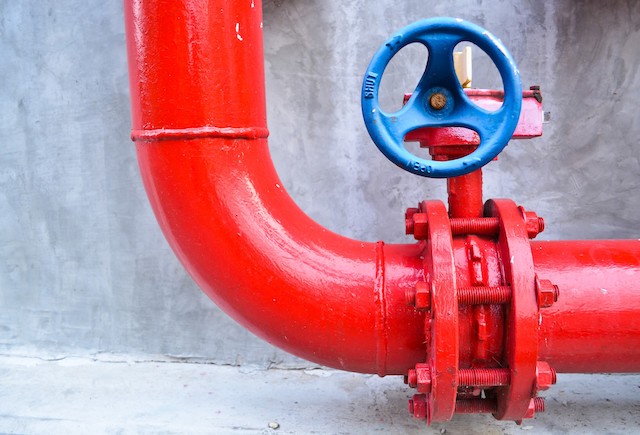
Why should you choose globe valves over other types of valves? Because they are easier to operate and maintain, have a lower leakage rate, and are functional in a wider range of applications. Globe valves are also less likely to clog than other types of valves.

A variety of industries use globe valves, including oil and gas, chemical, power generation, and water treatment. They are also beneficial in a variety of applications, such as regulating flow, controlling pressure, and managing temperature. Read on to learn more about globe valve advantages and why you should choose them.

1. What Are Globe Valves?

A globe valve is a type of valve that regulates flow by using a movable disk to open and close off an exit port. The disk connects to a stem, which a handle or lever operates. Globe valves get their name from their spherical shape.

Globe valves are useful for regulating flow, controlling pressure, and managing temperature in a variety of different applications. Not only are globe valves easier to operate and maintain than other types of valves, but they also have a lower leakage rate. This makes them functional in a wider range of applications.

2. How Does a Globe Valve Work?

A globe valve is a device whose primary function is to open and close members (valves) that are driven by stems. These valves lift along a surface called the valve seat in order to achieve linear movement.

The typical globe valve operates by using various components that work together (i.e. handwheel, stem, valve body and cover, closure, and packing assembly). The handwheel connects to the valve stem, which in turn drives the valve flap. This reciprocal motion along the direction of the valve seat axis opens or closes the pipeline when it needs to.

Globe valves are widely used and are generally produced in smaller diameters up to DN400 (NPS 16). Larger diameter specifications are only for special pipelines. For example, a large oxygen pipeline may require a large-diameter stainless steel globe valve This is due to the existence of other valves that may cause friction and lead to static fires.

3. Advantages of Globe Valves

There are many advantages of globe valves over other types of valves. These advantages include:

Ease of Operation

Globe valves are easy to operate because they only require a quarter turn to open or close. A Handle or a lever attached to the stem opens or closes the valve This makes them ideal for applications where quick operation is necessary, such as in emergency situations.

Maintainability

Operating and maintaining a globe valve is easier than other types of valves. Globe valves have a simple design and few moving parts, which makes them less likely to break down.

Leakage Rate

Globe valves have a lower leakage rate than other types of valves. This is because the disk in a globe valve seats more snugly against the port, which creates a tighter seal.

Versatility

Unlike other types of valves, globe valves are adaptable and can function in a wider range of settings. This is due to the different sizes, materials, and pressure ratings that they come in.

Clog Resistance

Globe valves are less likely to clog than other types of valves. This is because the disk in a globe valve can be easily removed for cleaning.

Long Service Life

They have a long service life of up to 20 years with proper maintenance. They can withstand high pressures and temperatures.

Contamination Resistant

Their design makes them resistant to contamination and fouling. They control fluid flow in a variety of applications, such as regulating pressure, managing temperature, and controlling the level of a liquid.

They are also cost-effective and can save you money in the long run.

4. Applications of Globe Valves

Globe valves are beneficial in regulating flow, controlling pressure, and managing temperature. They find use in industries such as oil and gas, chemical, power generation, and water treatment.

Some common applications of globe valves include:

Regulating Flow

Globe valves regulate flow in piping systems. They go in the line between a pump and a tank or reservoir. The valve opens to allow flow from the pump to fill the tank, and then closes when the desired level is reached.

Controlling Pressure

Globe valves fit in the line between a pump and a tank or reservoir. The valve allows flow from the pump to fill the tank and then closes once it achieves the desired pressure.

Managing Temperature

Globe valves are installed in the line between a heat source and a heat exchanger. The valves’ opening and closing allow flow from the heat source to enter the exchanger which controls the temperature levels.

5. Industry uses

The oil and gas industry uses globe valves to regulate flow in pipelines. They install them in the line between a pump and a tank or reservoir. The opening and closing of the valve regulate the levels of the liquid.

Chemical Industry

In the chemical industry, globe valves function to regulate the flow of corrosive and toxic fluids. Their installation in the line between the pump and storage tank allows for precise control of dangerous chemicals.

Power Generation

The power generation industry uses globe valves to manage the temperature in piping systems. They are installed in the line between a heat source and a heat exchanger. The valve opens to allow heat from the source to enter the exchanger, and then it closes once the desired temperature is met.

Water Treatment Industry

Globe valves are used in the water treatment industry to regulate flow in pipelines. They are installed in the line between a pump and a tank or reservoir. The valve does this by opening to fill the tank and closing when it is at the desired levels.

Drip Applications

Globe valves are often used in drip irrigation systems. They situate between the water source and emitters, where they open and close to regulate how much water flows through.

Benefit from the Many Globe Valve Advantages

Globe valve advantages are many and varied. Their ability to withstand high temperatures and pressures, resist corrosion and contamination and regulate flow make them an ideal choice for a variety of industries. When you need precise control over liquids, globe valves should be your go-to choice.

Request a quote from us today and experience the globe valve advantages firsthand. Your business will benefit from the long service life, cost-effectiveness, and ease of maintenance that our globe valves provide.

Continue Reading
Globe Valve Advantages
November 14, 2022

Shutoff Valves: Quarter Turn Vs Compression

Oil spills, water leaks or even chemical pools; leaks are expensive. Not only are they a clear indication that your control systems need reviewing, but they will cost you downtime. And with American businesses losing $100 billion in downtime, your...
Oil spills, water leaks or even chemical pools; leaks are expensive. Not only are they a clear indication that your control systems need reviewing, but they will cost you downtime. And with American businesses losing $100 billion in downtime, your daily operations cannot afford spills.

Industrial systems require industrial shut-off valves. Companies and factories use shut-off valves for a variety of industrial applications. Thus, if you’re an engineer for a factory or just a company trying to understand your applications better, you can benefit from understanding the difference between quarter turn vs compression valves.

Both quarter turn and compression valves work effectively as shutoff valves. So what’s the difference then between quarter-turn vs. compression valves? Keep reading to learn more about how these valves work.

What Is a Compression Shut Off Valve?

A compression or multi-turn valve is a type of valve that opens and shuts after multiple turns. The compression valve has a rubber seal at the bottom of the stem. The stem is attached to the handle. Once the seal connects with the base of the internal seat, the valve shuts off the flow of fluid within the system.

What Is a Quarter Turn Shut Off Valve?

The quarter turn valve got its name from its simple design and opening and closing mechanism. You only need to turn the handle at 90 degrees or a quarter to open and close it. Once the handle is turned, the valve’s ball design will either ease or restrict flow within the control system.

Quarter Turn vs. Compression Valves

Quarter turn and compression valves have the same function. They shut off the flow of a given application. These shutoff valves block the line of whatever flows through the pipes be it gas, chemicals, water, or other materials. While both valves have the same function, these types of valves complete their task differently.

Compression Valve Design

Engineers also refer to compression valves as multi-turn valves. The valve has a rubber washer on its end attached to a handle. When you turn the valve handle, the stem of the device lowers into the hollow of the valve, pushing the washer against the inside of the valve and sealing off the flow. Engineers call compression valves multi-turn valves because they require multiple turns to push the handle down into the seal.

Quarter-Turn Valve Design

Quarter turn valves require just that, a quarter of a turn. These are a newer type of valve that uses a ball valve design. You have to turn the valve 90 degrees to move the hollowed-out ball. The ball blocks the path once you turn the valve handle.

Pros and Cons of Quarter Turn Valves

Quarter-turn valves have a relatively simple design. Their newness makes them a novelty to some engineers and suspicious to others. Here are their basic pros and cons.

Durability

Quarter turn valves have a fairly simple design with their hollowed-out ball and quarter-turn handle. Because you’re not having to grind away at them, they tend to last longer than a compression valve. With that said, the durability of the valve depends heavily on its material and construction. If you’re going to use a quarter-turn valve, purchase a high-quality one. Do not go with the plastic ball inside the valve. Rather, purchase a quarter-turn valve that has an all-metal construction.

Reparability

You cannot repair a quarter-turn valve adequately when it starts leaking. You must replace it. Quarter-turn valves close rapidly compared to compression valves. This works well when you need a quick response. However, not all applications react well to a quick shut-off.

A quick shut-off of water and other liquids can cause pipes to “hammer” or shake. This response causes undue stress on the pipes and their fittings.

Ease of Use

You want a user-friendly valve when you’re in the middle of a disaster. Quarter-turn valves qualify as easy-to-use. They require only a quarter turn for a shut-off compared with multiple turns of a compression valve. You can also read a quarter-turn valve easily. You know the valve is shut because the handle has turned only partially. You need only to glance at the valve to know you’ve shut off the application successfully.

Pros and Cons of Compression Valves

Because compression valves are the original shut-off valve, older engineers trust them. Like with any newer technology, experienced professionals case a skeptical eye. Here are the pros and cons of compression valves.

Reparability

Unlike quarter-turn valves which you have to replace when they break, compression valves lend themselves to simple repairs. If degradation renders the compression washer useless, you can replace it. You can also replace the packing in the valve, the goods that keep leaks at bay around the stem. Sometimes you just have to tighten the packing nut to stop a leak.

Though you can repair a compression valve, you may not always want to. Anything more complicated than the fixes just mentioned really means you should replace the valve. Plus, if you’re working with an older compression valve, you may have a difficult time tracking down the necessary parts.

So while you can repair the valve, replacing it will always fix the problem for the long term.

Durability

The durability of the compression valve depends heavily on its construction. The more durable the parts, the more likely the valve is to last a long time. Look for a quality valve with quality parts. As a whole, though, compression valves do not last as long as a well-made quarter-turn valve. They have more parts to wear down, and thus they can be more problematic.

Ease of Use

Quarter-turn valves win this category in the compression vs quarter-turn valve race. When you’re in a hurry to shut off your application, you want a process that requires as little strength and effort as possible. With that said, shut-off valves love to seize up when you need them to work the most. Sometimes the handle just freezes, and you can’t move it. Other times the stem of the handle will snap off.

Compression valves work better in these cases since you can work out the seizing by manipulating the handle. Quarter-turn valves cannot do this. Plus, compression valves are easier on your pipes. You do not have the hammer you experience with the rapid shut-off of a quarter-turn valve. The compression valve will close at a slow, more controlled rate.

Which Valve Is Worth Your Investment?

Both these valves stand out when it comes to the best shut off valves. The compression shut off valve is a time-proven model. It needs a bit of muscle energy to open, but there is nothing wrong with a bit of exercise. The quarter turn, on the other hand, has a simple design that is easy to use. The short answer is: it depends all on your business needs.

At Everlasting Valve, we build premium valves for all your industry needs. With experience from petroleum production to the chemical industry, our valves are engineered for exceptional performance and longevity. Contact us to hear if our valves can fit your business.

Continue Reading
shut off valves
November 7, 2022

Oil And Gas Pipeline Valves At Everlasting Valve Company: What To Know

Did you know that there are more than 190,000 miles of liquid petroleum pipelines in the US? That’s a huge amount of pipeline. When you add the oil and gas lines on top of that, the logistics become immense. To manage this vast quantity of...
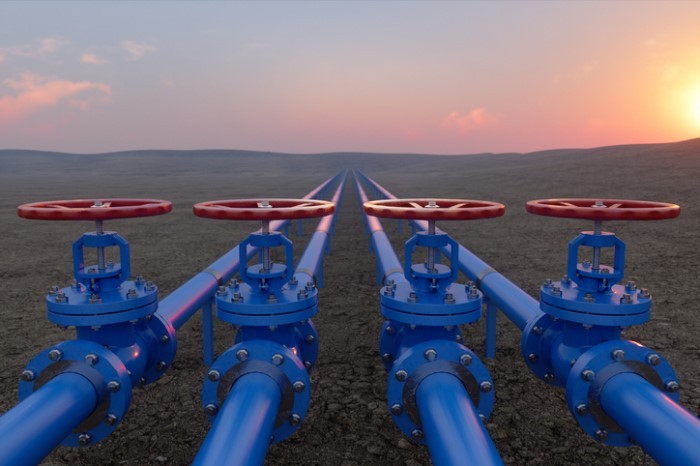
Did you know that there are more than 190,000 miles of liquid petroleum pipelines in the US? That’s a huge amount of pipeline. When you add the oil and gas lines on top of that, the logistics become immense.

To manage this vast quantity of pipe, providers must have absolute control; if a valve fails, the results are often disastrous. One key criterion to prevent line failure is to install the correct pipeline valves. Do you know the different valves available to manage oil and gas?

This article runs through some of the most important oil and gas pipeline valves. Read on below to find out what valves keep our nation’s arteries flowing.

What Is A Pipeline Valve?

A valve is a device used to regulate, direct, or control flow and pressure within a system. It can be open, closed, or partially open to control the flow of fluid through a gas pipeline.

Valves are usually larger than the pipe. Because they often stick out of the ground, there are certain regulations to define the placement of valves. It is important that valves cause minimal impact in the event of a pipeline failure.

Valves are generally intended for maintenance purposes, such as reducing the amount of fluid spilled during an emergency. They also help improve the overall safety and smooth operation of a system. They do, however, add to the complexity of a system, and as such it is important they do not become a liability.

Types of Pipeline Valves

There are many types of valves, varying in design and function. At Everlasting Valve Co. there are four different types we manufacture to meet the needs of our clients.

Process Valves

These cover similar pipeline jobs to ball valves, but our process valves perform significantly better.

They use an original design made up of a self-lapping, rotating-disc-valve platform. The open-body design is self-cleaning, and the seats wear in rather than out. This means that the harder it works, the tighter the seal and the better the performance. These are designed to have reduced fugitive emissions and prevent erosion. We have stock models suitable for applications such as pneumatic conveying systems, lockhoppers, reactor loading, and vessel discharge. Beyond this, we can customize our valves to meet certain requirements. If you can’t find the valve that is right for you, odds are we can make it.

Our process valves are ANSI-rated, and as such can handle slurries and dry abrasives up to 1500ºF and 10,000 psi.

Diverter Valves

The diverter valves manufactured by  Everlasting Valve Co. are among the most durable valves in the world.

They utilize a self-lapping rotating disc-valve, and our engineers will work with you to ensure it is designed to meet your needs perfectly. Several custom features are also available for very specific applications. Our diverter valves are already in use in gas pipelines in some of the most extreme plant environments and are known to last decades!

Efficiency is always important. These diverter valves can be switched on the fly, so production is constant and uninterrupted. They also save on parts, labor, and production time, and prevent pipeline shutdown. Downstream line plugging, off-quality silos, and full fringe bins are completely eliminated.

Our design also allows free flow of media and clean discharging, massively extending the life of the valve compared to competitors. Like our process valves, these form a tighter seal with more use.

Bulk Material Valves

As with all of our valves, these are built to last. Our bulk material valves are the best performing, most durable, longest-lasting bulk material valves available. These valves also form tighter seals with use, improving the performance with each rotation. They are incredibly easy to install, use and maintain, providing ease with a much longer life than any ball valve or gate valve.

A stand-out benefit of our bulk material valves is the flexibility. They can fit a wide variety of applications:

  • Dry solids
  • Transfer lines
  • Discharge
  • Vent and filling
  • Under baghouses
  • Silos
  • Cyclones
  • ESPs
  • Dust collectors
  • Dense and dilute-phase pneumatic conveying systems

These are the perfect solution if you find yourself replacing or repairing valves regularly and want an upgrade.

Butterfly Valves

If a low-pressure loss occurs, butterfly valves isolate the issue. Most frequently, a butterfly valve operates with a quarter-turn of the handle. A body, disc, seat, stem, and seal make up the valve. Butterfly valves come in a variety of sizes, to use in multiple different scenarios. An actuator is often included with a butterfly valve. This creates a trustworthy valve that opens and shuts with little servicing needed.

Ball Valves

As the name suggests, a ball valve contains a ball to control flow. The ball usually has a hole bored through the middle of it. When the valve is open, the hole runs with the flow of the pipe. When closed, the side of the ball that doesn’t have the hole blocks the flow. However, our process valve will greatly outperform ball valves.

Check Valves

Check valves have a very important function. Oil and gas can only pass through a check valve in one direction. The valve can limit flow direction because it has two ports. One port allows oil and gas out, the other lets them in. The two ports in a check valve prevent backflow, which can increase pressure and cause failure.

Gate Valves

Gate valves are throughout the pipe network and are also known as sluice valves. With a gate valve, the flow is completely shut down when closed. This means the gate doesn’t regulate flow, the pipe is either open or shut. A body, seat, disc, spindle, gland, and wheel are the components within a gate valve. The valve works by dropping a barrier into the pipe when closed. When the pipe is open, the barrier is completely out of the way.

Customer Dedication

Everlasting Valve Co. developed and released the steam locomotive blowdown valve in 1906. Over 100 years of experience has resulted in our valves being among the best available in the world.

We produce a number of stock valves, ready to install and begin improving your systems. Beyond this, all of our valves are customizable. If you have a specific process or system, get in contact with us. Our team are experts in valve design and manufacture, so even if you don’t know exactly what you need, we’ll be able to help you figure it out, and then build the exact part that you need.

The quality management system (QMS) at Everlasting Valves Co. is ISO 9001:2015 certified, ensuring our standards of the highest quality.

Our products perform, and that has resulted in many repeat customers. Some of our biggest clients include the following:

  • BP
  • Shell
  • ExxonMobil
  • Tronox
  • 3M
  • James Hardie

It is rare, but our valves will sometimes require maintenance and repairs. We can repair any valve we have produced, and we can even send parts out to you if you wish to perform any repairs yourself.

Finding the Right Pipeline Valves

Whatever you need, Everlasting Valve Co. is ready to help. Pipeline valves are our bread and butter, so let us know what you need, and we will make it happen.

Get in touch with us by clicking here. We are always happy to answer any questions or provide a free quote!

Continue Reading
pipeline valves, 4 in a row