
November 6, 2023

Which Valve Is Best for Flow Control?

There are numerous types of valves available that can be used in a wide range of industries and applications. Are you wondering which valve is best for flow control? It's important to understand that not all valves are created equal. Different...
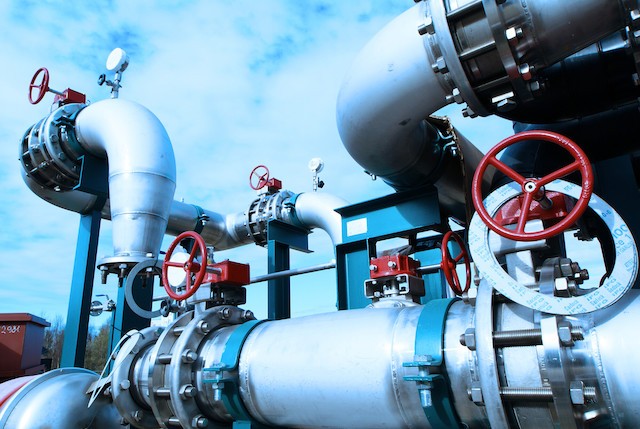
There are numerous types of valves available that can be used in a wide range of industries and applications. Are you wondering which valve is best for flow control?

It’s important to understand that not all valves are created equal. Different types of valves have different advantages and disadvantages. Choosing the correct one depends on what you’re trying to achieve with your flow control project.

In this article, we’ll explore the various valve options available for flow control. We’ll cover everything you need to know about choosing a valve for the correct task.

Read on to discover the best flow control valves for your needs. Let’s go!

The Function of a Flow Control Valve

A flow control valve is a device that regulates the pressure and rate of a flowing liquid or gas. This type of valve has many uses. They can be used to manage water levels in dams and regulate fuel flow to engines.

Types of Flow Control Valves

There are several types of valves used for flow control purposes. Each one has its own advantages and disadvantages.

The most common types are:

Ball Valves

Ball valves use a rotary motion to control the flow of fluid. Their simple design and relatively low cost make them popular for many applications. These valves can be operated manually with a lever that shows whether the valve is open or closed.

They’re best for controlling flow in one direction. Ball valves provide precise control over the flow of liquid and effectively stop the flow when closed. They are commonly utilized in sewage treatment, chemical, and paper manufacturing facilities.

Butterfly Valves

Butterfly valves open and close by rotating a disk within the valve body. This type of valve is often used with highly viscous fluids such as slurry mixtures or petroleum products.

They are also used in irrigation systems because they can be operated quickly and easily. Butterfly valves provide a more efficient flow than other types, making them an attractive option for many applications.

Butterfly valves use less space than other valves, making them an ideal choice for tight spaces.

Globe Valves

Globe valves are the most commonly used type of flow control valve. They regulate the flow of liquid by controlling the distance between a plug and seat in the valve body.

The plug gradually moves closer to or away from the seat depending on how much pressure is applied to the valve. These valves are primarily used in industrial and chemical applications due to their high accuracy control of flow rate.

Globe valves can be operated either manually or automatically with an actuator. They’re great for controlling more precise flows but require careful maintenance as they can be prone to leakage.

Check or Control Valves

Control valves are used to regulate the flow of fluid or gas. They are designed to precisely control the amount of flow allowed to pass through the valve.

Control valves can be manually operated, but are often used in combination for automated operation and remote monitoring. These types of valves are great for controlling more technical processes such as maintaining pressure or temperature in pipelines.

Using a control valve allows for more precise and accurate flow regulation, making them ideal for critical applications where accuracy is key. They are also extremely reliable which makes them popular in industrial applications.

Gate Valves

Gate valves are another popular type of shutoff valve and are used for regulating water flow. They use a gate or wedge that is raised or lowered to open or close off the flow of fluid.

Gate valves are often used in industrial applications where rapid opening and closing are required, as well as in cases where frequent and smooth flow regulation is needed.

Needle Valves

Needle valves are used for regulating both high and low-pressure systems, allowing precise flow rate adjustments. They use a conical-shaped needle to control the flow of liquid or gas through the valve.

This type of valve is often used in applications where accurate flow control is required, such as in fuel injection systems and oil pipelines. Needle valves can also be automated with an actuation system for remote monitoring.

Pinch Valves

Pinch valves are designed to regulate a variety of liquids and gasses. They use an elastic rubber sleeve that can be pinched open or closed to control the flow rate.

This type of valve is typically used in applications where frequent operation is required, as well as when controlling fluids with abrasive particles. Pinch valves can also be automated with an actuation system for remote control.

Diaphragm Valves

Diaphragm valves use a flexible membrane to regulate the flow of fluids. They are often used in applications where frequent operation is required and when controlling highly corrosive liquids or gasses.

Diaphragm valves can also be automated which makes them ideal for industrial applications where precise flow regulation is critical.

Which Valve Is Best for Flow Control

The best valve for flow control depends on the specific requirements of the application.

Generally speaking, needle valves are best for high or low-pressure systems and applications where accurate flow rate adjustments are needed.

Pinch valves are ideal for applications with frequent operation and abrasive fluids, while diaphragm valves offer precise regulation in corrosive liquid or gas environments.

All three types of valves can be automated to provide remote monitoring and control.

Looking For More Information on Valves?

It’s important to understand the different types of valves and their applications to work out which valve is best for flow control. There’s a multitude of types, each with key advantages.

If you’re looking for more information on the best type of valve on the market today, contact Everlasting Valve Company. Request a quote today to get your project up and running quickly.

Continue Reading
Which Valve Is Best for Flow Control?
October 16, 2023

How Often Should Shut Off Valves Be Replaced?

When it comes to shut-off valves, there is good news and bad news. The good news is that they can last for 20 to 25 years. The bad news is that if they are not used and exercised every two years (at least), they may freeze in the open position and...
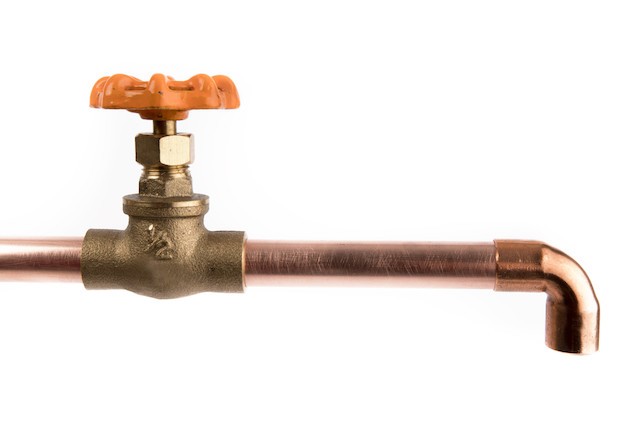
When it comes to shut-off valves, there is good news and bad news. The good news is that they can last for 20 to 25 years. The bad news is that if they are not used and exercised every two years (at least), they may freeze in the open position and need replacement.

While true, you cannot ignore the importance of shut-off valves to your home’s plumbing system. They allow you to turn off the water to a particular fixture or area in case of a leak or other problem.

However, beyond them getting stuck in the open position, do you know the answer to “How often should shut-off valves be replaced? If not, don’t worry. You aren’t alone.

Here, you can learn more about shut-off valve replacement. With this information, you can keep your valves working efficiently and properly.

Reasons Your Shut-Off Valves May Need Replacing

While replacing your shut-off valves is not a regular occurrence, there are situations when it may be necessary. Certain issues may cause the shut-off valves to stop working.

If this happens, you may begin to have issues with your plumbing system. Some of the issues that may require you to replace these valves sooner than expected include the following:

Corrosion

If your valves are made of metal, they can corrode over time. This can make the valves difficult to turn and may lead to leaks.

Freeze Damage

When the valves are not properly insulated, they can freeze during cold weather. This can damage the valves and make them leak.

Overuse

If you frequently turn your valves on and off, this can wear them out prematurely. While they need to be exercised (turned off and on) occasionally, dont overdo it. If you do, it may lead to spending money to replace them sooner than expected.

Signs Valve Replacement Is Needed

Above, you learned some of the reasons your shut-off valves need replacing. While that is helpful information, you also need to know when you cannot wait any longer to replace these important components.

If you notice any of the following signs, it’s a good idea to have your shut-off valves replaced:

Leaks

If you see any water leaking from your valves, it’s a sign that they need to be replaced. If a valve begins to leak, it can lead to significant water waste.

For example, the average household with one leak wastes more than 10,000 gallons of water annually. As you can see, this serious problem requires immediate attention.

Hard to Turn

If your valves are hard to turn, it’s a sign that they are corroded or damaged. The harder a valve is to turn, the more difficult it will be to shut off the water if an issue occurs.

If you do not replace the valve when you notice this issue, you may have more serious problems later. Act quickly to avoid serious water damage in your home.

The Valves Reached the 20-Year Mark

If your valves are over 20 years old, it’s a good idea to replace them. Even if they seem to be working fine, don’t risk it. Replacing them at this point will save you issues down the road.

How to Replace a Plumbing Shut-Off Valve

Replacing shut-off valves is a relatively easy job that a DIYer can do. However, you can hire a plumber if you’re uncomfortable doing it yourself.

For some people, hiring professionals is the best option. You dont want to make a mistake that causes even more issues.

Here are the steps on how to replace a shut-off valve:

Shut Off the Water

Most homes have a main water supply line that can be shut off. Make sure to turn this off before getting started.

Once the water is turned off, you must drain the water line. To do this, turn the fixture closest to the valve on to remove all water in the pipe.

Remove the Old Valve

This is a more intricate process. To do this, you must cut the pipe on the inlet side. Another option is to sweat it off by applying constant heat. If you choose this option, you will need channel locks to remove the valve.

Install the New Valve

The installation process requires you to fit the new valve onto the pipe. You must also solder the valve to the pipe to ensure it remains in place.

Test the New Valve

Once the new valve is in place, turn the water back on. Test the valve to ensure there are no leaks.

Tips for Selecting New Shut-Off Valves

You must get the right type of valve for your needs. There are many types of valves to choose from.

You also need to choose a valve that will last. Some tips to help you find the right valve for the job include the following:

  • Choose valves made of a corrosion-resistant material
  • Choose valves that are easy to turn
  • Choose valves that have a good warranty

Selecting a valve with these specifications will help ensure that no other issues occur.

Finding the Answer: How Often Should Shut-Off Valves Be Replaced?

You should know the answer to “How often should shut-off valves be replaced?” By following these tips, you can ensure that your shut-off valves are working properly and that they will last for many years.

If you aren’t sure if new shut-off valves are needed or are not confident replacing valves, contact a professional. We can help you with your shut-off valve issues. Contact us today to learn more about our services and solutions.

Continue Reading
how often should shut off valves be replaced
October 9, 2023

Difference Between Soft Seated and Metal Seated Valves

Are you wondering which type of valve is right for your needs? Whether you're involved in industrial processes or simply looking to upgrade your home plumbing system, understanding the differences between soft seated and metal seated valves is...
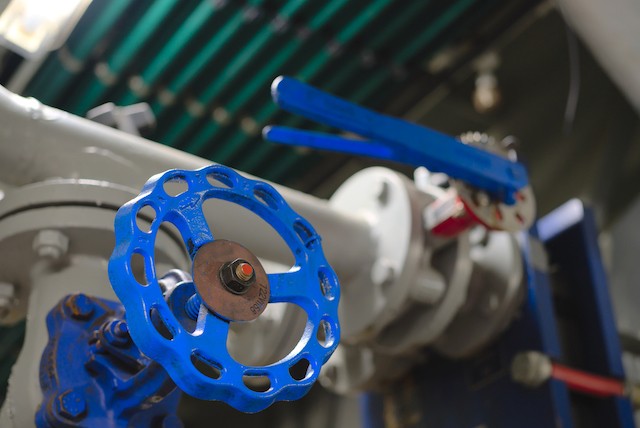
Are you wondering which type of valve is right for your needs? Whether you’re involved in industrial processes or simply looking to upgrade your home plumbing system, understanding the differences between soft seated and metal seated valves is crucial.

These two types of valves have distinct characteristics. These characteristics make them suitable for specific applications.

This guide will explore the differences between soft seated and metal seated valves. This will help you make an informed decision when choosing a valve for your requirements.

Soft Seated Valves

As the name suggests, soft seated valves use a soft material. For example, rubber or Teflon on the valve seat and sealing surfaces. This design offers several advantages in certain situations. Let’s look deeper into the benefits of soft seated valves:

Excellent Sealing Capabilities

Soft seated valves provide excellent sealing capabilities. This makes them ideal for applications that need tight shut-offs. For example, controlling the flow of liquids or gases.

These valves’ soft materials mold to the valves’ surfaces. This ensures a reliable and leak-free seal. This feature is essential in the following:

  • Preventing any fluid or gas leakage
  • Keeping process efficiency
  • Avoiding potential safety hazards

Handling Delicate Substances

One advantage of soft seated valves is their ability to handle fluids with suspended solids. The soft seat keeps the substances being moved from getting damaged. It ensures and protects their quality and safety.

In industries where purity and contamination are essential, this is significant. For example, the following:

  • Manufacture of pharmaceuticals
  • Food processing
  • Water treatment

Soft-Seated Valves in Industry Applications

Soft-seated valves are used in various industries because they are so good at sealing. Let’s examine how these valves ensure efficiency, pureness, and safety in certain industries.

Pharmaceutical Industry

In pharmaceutical manufacturing, maintaining strict control over the flow of fluids is essential. This is to ensure product quality and compliance with regulations.

Soft-seated valves avoid contamination by sealing well. They also stop impurities from entering the system. This ensures that the pharmaceutical goods are pure.

Food Processing

The food processing industry must be hygienic to produce safe, high-quality food. Food processing uses soft-seated valves to prevent cross-contamination and product safety issues. These valves seal tight and maintain fluid quality with soft materials.

Water Treatment Plants

Soft-seated valves manage water flow at water treatment plants. These valves prevent leaks and backflow, preserving treated water quality.

Soft-seated valves are ideal for water contamination control tasks. This kind of valve helps protect human health and the environment.

Metal Seated Valves

Metal seated valves are specifically designed for demanding applications. For example, applications that involve the following:

  • High temperatures
  • High pressures
  • Abrasive fluids

Let’s look at the key features and benefits of metal seated valves:

Increased Durability and Resistance to Wear

Metal seated valves feature metal-to-metal seating surfaces, increasing durability and wear resistance. These valves can withstand harsh conditions, including extreme temperatures over 1000°F (538°C). Metal seating surfaces last long and work well in harsh conditions.

Suitable for Demanding Industries

Metal-seated valves are used in harsh environments in oil and gas, chemical processing, and power production. Metal-seated valves are used in these businesses. This is because they can handle the following:

  • High temperatures
  • High pressures
  • Fluids that are corrosive or abrasive.

Metal-Seated Valves in Industry Applications

Let’s see how metal-seated valves last in harsh industrial environments. Discover their importance in the following:

  • Oil and gas industry
  • Chemical processing
  • Power generation

Oil and Gas Industry

Metal-seated valves manage fluid and gas flow in challenging oil and gas applications. These valves can endure high temperatures and pressures. This makes them useful for use in the following:

  • Oil or gas pipelines
  • In refinery settings
  • Petrochemical plants

Their endurance and wear resistance reduces leaks and breakdowns.

Chemical Processing

Metal seated valves are commonly used in chemical processing plants. They can handle corrosive fluids and aggressive chemicals.

The metal-to-metal seating surfaces are more resistant to rust and chemical reactions, which can cause harm. These valves have reliable shut-off controls and help keep the process pure. This makes sure that the process is safe and effective.

Power Generation

Metal-seated valves are used in high-temperature and pressure uses. For example, in places like thermal power plants, which generate electricity.

In the power production cycle, these valves are used to control the following:

  • The flow of steam
  • The control of hot gases
  • The flow of other fluids

Metal-seated valves are very durable, ensuring they work well and reducing the chance of leaks or downtime.

Choosing the Right Valve for Your Needs

When choosing what type of valve to use, it’s essential to think about your application’s needs. Consider things like the following:

  • How the valve is used
  • The fluid’s properties
  • The temperature range
  • The pressure levels
  • How long is it supposed to last

Soft seated valves are suitable if your application involves any of the following:

  • Delicate substances
  • Needs tight shut-off
  • Prioritizes contamination prevention

They offer excellent sealing capabilities, ensuring a reliable and leak-free operation. Soft seated valves are also beneficial when dealing with suspended solids or substances that need the utmost purity.

Metal seated valves are better if your application involves any of the following:

  • High temperatures
  • High pressures
  • Abrasive fluids
  • Frequent cycling

Their metal-to-metal seating surfaces provide superior durability and resistance to wear. Metal seated valves can withstand extreme conditions and offer a longer service life than soft seated valves.

Difference Between Soft Seated and Metal Seated Valves!

Selecting the right valve requires knowledge of soft-seated and metal-seated valves. You have to take into consideration the specific needs of your application. Whichever valve you choose, both types offer unique benefits that cater to different applications.

Ready to choose the correct valve for your specific needs? Contact Everlasting Valve Company today and speak to their experts, who can guide you in selecting the perfect valve solution.

Continue Reading
soft-seated and metal-seated valves
October 2, 2023

How Does a Diverter Valve Work?

SchuF invented the diverter valve in 1965. It originally consisted of the combination of two or more piston or disc valves. Fast forward 45 years, and it has applications in a multitude of industries. But how does a diverter valve work? What is it...

SchuF invented the diverter valve in 1965. It originally consisted of the combination of two or more piston or disc valves. Fast forward 45 years, and it has applications in a multitude of industries.

But how does a diverter valve work? What is it exactly and what are the most common uses? Get up-to-speed on the ins and outs of using diverter valves with this no-nonsense guide that walks you through the basics.

Unlock the potential in your industry by understanding when, why, and how to use a diverter valve most effectively. Learn what these types of valves can do for your business.

Read on to discover everything you need to know about diverter valves. Let’s go!

What Is a Diverter Valve?

A diverter valve is a type of specialized, automated valve. It allows the user to direct (or divert) the flow of liquid or gas from one source to another.

Its used in industrial systems, as well as home and commercial plumbing applications. The diverter valve is usually used when two separate but equally important components must interact with each other for optimal performance.

Diverter valves are designed to handle extreme operating pressures, temperatures, and corrosive environments. They are a key component in various industries because they allow for the safe and efficient transfer of liquids without having to physically interact with them.

Uses of Diverter Valves

The uses for diverter valves are varied and depend on the specific application. Here are some of the most common applications for these specialty valves:

Industrial Processes

Diverter valves are used in manufacturing processes to separate components, allowing them to be processed separately. This is especially important in chemical processes or when one component must cool before it can safely move into the next stage of production.

Home & Commercial Plumbing

Diverter valves are often used in home and commercial plumbing as well. They can be used to direct water from one sink to another, or even to switch between hot and cold water sources while in use.

Oil & Gas Applications

Diverter valves are also important components in oil and gas applications. They can be used to separate different gases or to prevent the mixture of incompatible liquids.

Types of Diverter Valve

There are many different types of diverter valves available for various uses. One of the most common applications is in a shower.

Here is a list of some of the most commonly used diverter valve options:

Tub Diverter Valve

This is the most common type of diverter valve. It is used to switch the flow of water from a tub spout to a shower head or hand-held shower.

Here are three different models of tub diverter valves:

Three-Valve Diverter

The three-valve diverter valve allows for the mixing of hot and cold water. This type of valve is typically found in showers with multiple showerheads or spouts, such as a handheld wand and a regular showerhead.

Two-Valve Diverter

The two-valve diverter valve is the simplest type of diverter valve. It allows for water flow to be diverted from one source to another, and it also prevents hot and cold water from mixing.

Tee-Diverter Valve

The tee-diverter valve is a three-way valve that allows for the redirection of water flow from one source to two other outlets. This type of diverter valve is typically used in shower systems with multiple showerheads or spouts, such as a handheld wand and a regular showerhead.

Showerhead Diverter Valve

This type of diverter valve is designed for showers that have multiple showerheads. It is commonly used in pool showers or gym changing rooms. It can also be used in a domestic bathroom that has multiple showerheads.

Other Types of Diverters

In addition to the types of valves listed above, there are also other types of diverters available.

These include air gap diverters, check valves, and pressure-balancing valves. Air gap diverters help prevent backflow from occurring in plumbing systems.

Check valves allow for one-way water flow and are often used in irrigation systems or industrial applications. Pressure-balancing valves help control the pressure of water flow and are commonly used in shower systems.

Difference Between a Transfer Valve and Diverter Valve

Its important to note that there is a difference between diverter valves and transfer valves.

Diverter valves are used to divert the water from one source (the tub spout) to another (the showerhead).

Transfer valves control the water temperature by allowing you to adjust both hot and cold taps independently.

How Does a Diverter Valve Work?

Diverter valves work by using a lever or knob to control the flow of water. When you turn the lever, it opens and closes ports in the valve body.

This allows you to divert the flow of water from one source (the tub spout) to another (the showerhead). Water travels upward to the showerhead due to water pressure when the valve is closed.

For this to happen, there must be enough pressure in the pipes to allow for the diversion of water.

If you see water flowing from both the faucet and the showerhead, it means the diverter valve may be worn out. This can be due to age, use, or sediment buildup. To fix the issue, you need to replace or adjust the diverter valve.

Looking For Valve Options?

If you were wondering how a diverter valve work, we hope this article has answered your question. A diverter valve is an important component for a range of uses where liquid or gas needs to be redirected. They enable you to switch the flow of water or gas from one source to another.

If you’re looking for high-quality, reliable valves then look no further than Everlasting Valve Company. Browse their online shop, or request a free quote today.

Continue Reading
September 18, 2023

How Much Does It Cost to Replace a Ball Valve?

How much does it cost to replace a ball valve? A question asked by many of our clients. While a residential ball valve usually comes with a price tag, what about commercial ball valves? If you've ever wondered about the factors that influence the...
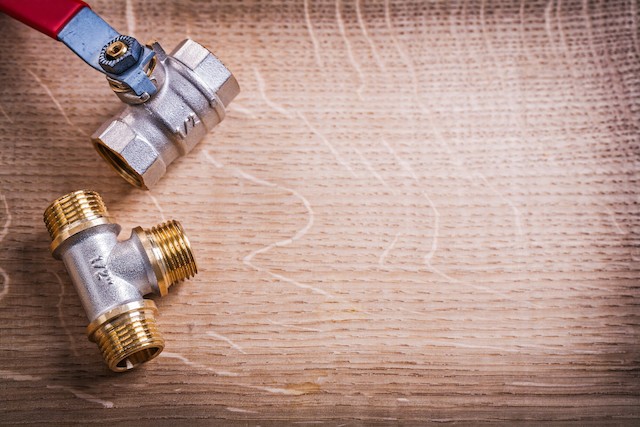
How much does it cost to replace a ball valve? A question asked by many of our clients. While a residential ball valve usually comes with a price tag, what about commercial ball valves?

If you’ve ever wondered about the factors that influence the cost of replacing a commercial ball valve, you’ve come to the right place.

In this discussion, we’ll explore the various factors that can affect the overall cost, from the type of ball valve to the size and material used. So, grab a seat, and let’s dive into the world of ball valve replacements

What Can Affect the Valve Replacement Cost?

When it comes to replacing a ball valve, there are a few key factors that can influence the overall cost. One of the primary factors to consider is the type of ball valve you choose.

There’s a wide variety available, each with its own unique features and price range.

We have the full port ball valve. It’s designed with a ball opening that matches the inner diameter of the pipe, allowing liquids or gases to flow freely without any hindrance. It has maximum flow capacity.

Enter the reduced port ball valve. While it still gets the job done, it has a slightly smaller ball opening compared to its full port counterpart. This means that it might restrict the flow a tad bit, but sometimes a little restriction can be a good thing depending on your specific needs.

Typically the replacement of a ball valve will cost between $200 and $500. This usually includes labor, material, and other items.

Types of Valves: Size

The size of a ball valve can have a significant impact on its cost. You see, ball valves come in various sizes to accommodate different plumbing systems and flow requirements. The larger the valve size, the more materials and engineering go into its construction, which can result in a higher price tag.

Common Ball Sizes

Common ball valve sizes range from as small as ½ inch to as large as several inches in diameter. You want a valve that fits snugly into your plumbing system.

Smaller ball valves, such as those in the ½-inch to 1-inch range, are often used in residential applications like household plumbing systems or irrigation setups. They tend to be more affordable since they require less material and labor to manufacture.

As we move up the size ladder, let’s say into the 2-inch to 4-inch range, the cost of ball valves tends to increase. These sizes are commonly found in commercial or industrial settings where larger volumes of liquids or gases need to be controlled.

Due to the larger dimensions and higher flow capacities, these ball valves require more materials and precision engineering, resulting in a higher price range.

Cost of These Valve Options

Now, keep in mind that the price range for ball valves can vary depending on factors such as the manufacturer, the specific features, and the material used. As a rough estimate, smaller ball valves in the residential range can start from around $10 and go up to $50, depending on the quality and brand.

On the other hand, larger ball valves in the commercial or industrial range can range anywhere from a few hundred dollars to several thousand dollars.

It’s always a good idea to consult with a professional plumber or supplier to determine the appropriate size for your specific application and get an accurate price range. They can provide guidance on choosing the right valve size that strikes the perfect balance between functionality and cost.

Ball Valve Options: Material

When it comes to ball valves, the choice of material is an important factor to consider. Different materials offer varying characteristics and performance, and they can also influence the overall cost.

  • Brass
  • Stainless steel
  • PVC

Brass Ball Valves

Brass is like the reliable workhorse of ball valve materials. It’s durable, resistant to corrosion, and has excellent strength, making it a popular choice.

Brass ball valves are often seen in residential plumbing systems and irrigation setups. They offer a great balance between affordability and performance, making them a cost-effective option for everyday applications.

The cost of brass ball valves is typically on the lower end of the spectrum compared to other materials.

Stainless Steel Ball Valves

Now, let’s talk about stainless steel. It’s known for its exceptional:

  • Strength
  • Durability
  • Resistance to corrosion

Stainless steel ball valves are often used in demanding environments, such as industrial applications or areas with aggressive chemicals or high-pressure conditions. Due to their superior properties, stainless steel ball valves tend to come with a higher price tag compared to brass or PVC.

PVC Ball Valves

PVC, or polyvinyl chloride, is a lightweight and cost-effective material commonly used in plumbing systems.

PVC ball valves are popular in residential and light commercial applications due to their affordability and ease of installation. They are generally suitable for non-corrosive and lower-pressure applications.

PVC ball valves are usually the most budget-friendly option among the materials mentioned.

Valve Replacement: Complexity

The accessibility of the installation area plays a significant role in determining the complexity of the task. If the ball valve is located in a tight or hard-to-reach space, it can make the installation more challenging. Plumbers may need to navigate around obstacles or use specialized tools to reach the valve, which can add complexity to the process.

Another factor to consider is the location of the ball valve within the plumbing system. If the valve is located in a critical junction or a complicated section of the piping, it may require more careful planning and precision during the installation.

For example, if the ball valve is situated in an area with multiple intersecting pipes or near sensitive components, extra care must be taken to avoid damaging the existing infrastructure.

The existing plumbing infrastructure also plays a role in installation complexity. If the ball valve needs to be integrated into an older or more complex plumbing system, it may require additional steps such as modifying or adapting the existing pipes to accommodate the new valve.

This can add time and effort to the installation process, making it more complex.

How Much Does It Cost to Replace a Ball Valve?

So how much does it cost to replace a ball valve? As you can see, it is not a simple answer. There are many factors that come into play.

But, with the right valve options, materials, and professional plumber, you can trust that you will have the right fit without getting gauged.

Take a look at our ball valves or request a quote today!

Continue Reading
how much does it cost to replace a ball valve
September 11, 2023

Types Of Control Valves Used in Industries

Some control valves on the market will typically fail within about a year, while others can last for decades. Control valves are used in a range of applications. They're vital to the oil and gas industry, manufacturing sectors, chemical storage,...
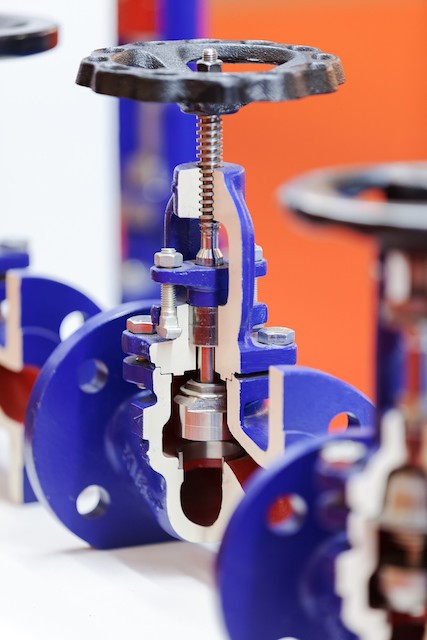
Some control valves on the market will typically fail within about a year, while others can last for decades.

Control valves are used in a range of applications. They’re vital to the oil and gas industry, manufacturing sectors, chemical storage, and even for residential applications.

If you need valves for a project, it’s important that you do your research. Choosing control valves isn’t always easy, so you need to know what options are available.

In this guide, we’ll go over some of the main types of control valves used in industry applications. Keep reading for more.

Process Valves

Process valves are highly versatile. They’re ideal for handling slurry, chemicals, dry solids, and more.

They also deal with heat well and are capable of operating between -50°F and 1500°F. This makes them ideal for applications that involve extreme temperatures.

Our process valves are incredibly hard-wearing, so they will be able to take on brutal, dirty applications without issue. They’re currently in use in lock hoppers, reactor loading, vessel discharge, and slurry applications all over the world.

Tough, durable valves like these help keep the need for control valve maintenance to a minimum. Repairing control valves can result in a lot of downtime, but these won’t fail as quickly as other valves. This results in more cost savings, leading to higher profits.

Our process valves use a unique, self-cleaning open-body design. The rotating disc clears out process material as it slides across the valve body. The seats wear in rather than out, so unlike many other valves, the performance will improve if they’re worked harder.

We have process valves that you can buy off the shelf and start using straight away. If we don’t have something that meets your needs precisely, we can custom-manufacture a valve to your exact specifications. If you need a specific control valve size, for example, just let us know.

Diverter Valves

At Everlasting Valve Company, we produce diverter valves that are designed around our revolutionary self-lapping, rotating disc-valve technology. This allows us to deliver some of the best diverter valves on the market, and they may be the last valves you ever need.

Like our process valves, these are ideal for harsh environments and are currently in use all over the world. In some situations, you could be replacing valves every year as they degrade. Our diverter valves have been known to last for decades.

It’s worth noting that our diverter valves may not be perfect for every situation. Our design and engineering teams can work with you to create diverter valves that perfectly meet your needs. This can even include adding specific features that will help you overcome any challenges you’re facing.

These valves use our self-cleaning design and can handle the roughest, most abrasive media you can throw at them. This, along with the fact that you can turn them on and off on the fly, means that they’ll help keep downtime to a minimum. Whatever the industry or application, efficiency is key, so these valves are ideal.

They’re commonly used for conveying or pumping to multiple storage silos or vessels. Our diverter valves can eliminate things like off-quality silos, full fringe bins, and downstream line plugging. This can help save you both time and money.

Bulk Material Valves

It’s fairly easy to tell what these valves are best for from the name. If you need to process bulk materials, our valves are some of the best on the market. We use durable materials to ensure these valves can stand up to whatever is thrown at them.

If you process materials that are tough, abrasive, or dirty, these valves will work very well. They can also handle very high temperatures. Note that this can be up to a maximum of 450°F to 750°F, depending on the design of the valve.

Our bulk material valves are great for high-cycling applications and are the longest-lasting and best-performing bulk material valves currently on the market. The open body design allows free movement of the particulate. As the valve opens, it’s easy to expel material and clean the valve.

They’re designed with a unique shearing action that helps tighten the seal and reduce leak rates. As such, the performance improves with every disc rotation, making these perfect for high-cycling applications.

Another feature of our bulk material valves is a separate pneumatic actuator and valve. These make field packing easy, and there’s no need to remove the valve from the line. It’s incredibly easy to install, use, and maintain and will last much longer than other valves you might find on the market.

Boiler Valves

Our boiler valves are among the most popular available, and we’ve been making them since 1906. They were designed for use in harsh applications and can clear impurities such as sludge effectively.

These valves are a perfect alternative to traditional globe valves. They will last much longer, especially when used with abrasive materials. This is in part due to our wear-in technology that creates a tighter seal with increased use.

They’re easy to keep clean and require very little maintenance. Whatever your control valve applications are, we’ll have something suitable. Our boiler valves are available in slow-opening, quick-opening, straight, and angle configurations to meet various needs.

Selecting the Right Types of Control Valves Used in Industry

With these various types of control valves used in industry, it can be difficult to find the right one for your needs. At Everlasting Valve Company, we’ve been manufacturing control valves for over 100 years and produce some of the best in the world.

We can discuss your project with you to find a suitable option. If we don’t have exactly what you need, we can custom-manufacture the perfect solution. Contact us today to request a free quote.

Continue Reading
types of control valves used in industry
September 4, 2023

Severe Service Control Valves: How Do They Work?

Valve technology has a little-known connection to musical instruments. Heinrich Stoelzel drastically improved upon the double piston valve in the early 19th century as a means of allowing horn players greater access to a range of pitches. Today,...
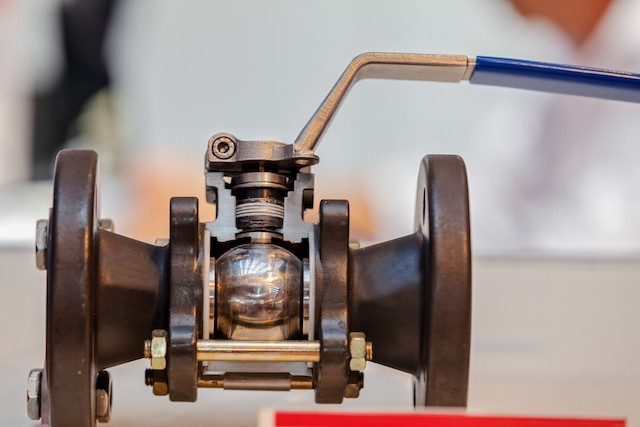
Valve technology has a little-known connection to musical instruments. Heinrich Stoelzel drastically improved upon the double piston valve in the early 19th century as a means of allowing horn players greater access to a range of pitches.

Today, valves play an integral role in transportation, crude oil refinement, and other sectors that make modern life possible. One of the most important valves is known as severe service control valves.

So what do these devices do, and what type of control valve maintenance do they require? Read on to learn more.

What Does Severe Service Mean?

Depending on whom you ask, severe service can have different meanings. The common theme refers to high-pressure drops. This can generate loud noises and vibrations in vapor service.

Outgassing, cavitation, and flashing can occur as well. In the form of severe service, pressure changes can erode internal components, plug passages, or cause corrosion.

There are basically three types of severe service valves on the market. Severe service control valves are one. Severe service isolation valves and severe service check valves are also common.

These valves are built to withstand high pressure. This is because they work in challenging environments. They are made from strong materials that can withstand high temperatures and pressures.

Depending on which severe service valve you need, the device can allow for various flow paths, passages, and capacities.

How to Find the Right Severe Service Valve

Whether your industrial needs are, there are several things to consider before ordering your severe service valve. Along the way, you can count on the team at Everlasting Valve Company to help you find the ideal valve device for your business needs.

Step 1: Evaluate the Process

The first step when selecting your severe service valve is to gain a clear understanding of the application. Failure to make the right valve choice could lead to critical failures down the road.

Ensure that your technicians or engineers have a clear understanding of the exit and inlet pressure. Process temperatures and media characteristics are also critical.

Unexpected process conditions should also be considered. These can include preparing for higher-than-expected temperature conditions. You may also need to anticipate conditions for when the plant starts up.

If your company works with fluids, that can cause unique challenges. Some valves need to be able to pass impurities.

Or they outgas under abnormal situations. All of the petroleum valves sold through Everlasting Valve Company are designed to minimize leaking.

Step 2: Understand Valve Challenges

Now you have a sound knowledge of the range of conditions your severe service control valve will encounter.

The following are potential challenges your valve may face: You will need to know how these variables will potentially impact the valve you are looking for.

Common Valve Challenges

Valves are often exposed to high vibrations and velocities. Any sudden change in noise levels could damage the valve. If your work environment exposes valves to high-pressure drops, make sure the valve can handle sound levels of 110 to 115 dB.

Valves that handle liquids can experience damage as the liquids flash or cavitate. This can reduce the life of your valve if it is not suited for severe service-type environments.

Extremely cold temperatures can make metal brittle. This can also make sealing the valve very difficult. Valves that work with cryogenic temperatures are made from special materials and designed to handle frigid temperatures.

On the other hand, high temperatures require severe service control valves to require special materials. When buying control valves, ask one of our team members if the materials of the valve are made with the proper alloys to maintain durability during expansion under high heat.

Another area to focus on is the liquid and vapor combination. These are subject to choke flow and cavitation if the right valve isn’t used.

Particles that become entrained in the vapor can cause plugging. They can also cause issues like erosion.

Corrosion can result from many factors. Anticipating the types of corrosion your valve may encounter should be a top priority. Often, there are multiple types of corrosion that happen at the same time.

Remember, severe service use quite often involves several combinations of the factors described above. You should consider all or most of them as you make your valve selection.

Step 3: Consider Optimal Solution Options

Now that you understand the expected and unexpected conditions, you can identify solution options.

It may seem like there are a myriad of solutions. Only a few valve options will likely be ideal for the applications posed by your company. So where do you start?

Some companies offer customized valves. You will need to weigh those benefits versus going with a company and product with a proven track record. A history of product support is also important.

The starting point in the evaluation process should include the product design. Ask yourself if the valve is appropriate for its use.

An angle valve, for example, is often great for two-phase liquid outgassing. This is because the design minimizes damage to the valve body. Whether your company works with petroleum production or another industry, keep the topics listed in this article in mind.

Learn More Useful Tips About Severe Service Control Valves

Everlasting valves set the bar for high-quality valves. Companies employ our valves in the most rugged of environments. Our Hydrocyclone, for example, was deployed in Alaska in 1995.

Whether you require valves to work in harsh environments or elsewhere, you can count on Everlasting petroleum valves to get the job done.

Our company was founded more than a century ago. Since then, we have surged ahead of our competitors by providing unique designs that are constantly refined.

To learn more about our wide range of services, contact our team today. Our products, including severe service control valves, exceed the highest standards required by the petroleum industry and elsewhere.

Continue Reading
Picture of severe service control valves - Everlasting Valve
August 21, 2023

Double Offset Butterfly Valve Advantages

Did you know that the oil and gas, chemical, and automotive industries all rely on double offset butterfly valves? They offer unique advantages over other types of valves for engineering. If you have large volumes of liquid to process, they're...
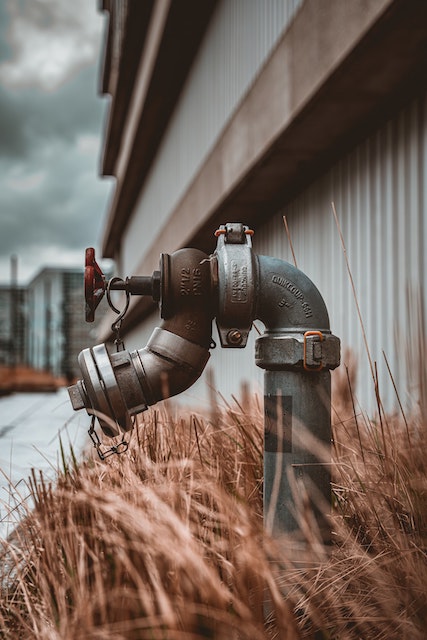
Did you know that the oil and gas, chemical, and automotive industries all rely on double offset butterfly valves? They offer unique advantages over other types of valves for engineering.

If you have large volumes of liquid to process, they’re likely the right valve for the job. The following guide will explain double offset butterfly valve features and why they’re beneficial.

Read on to learn how their high flow capacity makes them an essential valve to consider.

Butterfly Valve Basics

A butterfly valve works to control the flow of materials through large pipe diameters. They do so by using a disc with a quarter-turn rotation.

There’s a rod that goes through the middle of the disc and it connects to an actuator. The actuator then helps direct the movement of the disc.

The position of the disc either sits sideways or vertically to the media’s flow. Butterfly valves are unique compared to other valves because the disc always remains in the flow. This causes a change in pressure for any position the valve moves to.

Some valves get their names because of how they’re shaped. Examples include ball valves, needle valves, and globe valves. Other valves get their names because of how they work. Examples include gate valves, pinch valves, plug valves, and slide valves.

The name “butterfly valve” falls into the category of a valve named after its function and movement. They move like the wings of a butterfly after it lands, with a 90-degree rotation.

Benefits of Double Offset Butterfly Valves

Double offset butterfly valves offer higher pressures than other butterfly valve styles. They have up to a 600 ANSI Class rating in materials such as stainless steel, carbon steel, and Hastelloy.

Some variations of double offset valves have Teflon seats. Others use a Fire Safe design equipped with metal backup seats.

They’re also easier to open and close than other kinds of valves because of their reduced operating torque. Double offset butterfly valves boast an increased flow capacity compared to other valve types as well.

They’re also much easier to clean than other types such as gate valves. This improves the efficiency of workers and gives them more time for other tasks. They also weigh less and take up less room than other valve types.

Double Offset Butterfly Valve Uses

Both gas pipelines and remote offshore oil rigs operate in extreme conditions. So, they require durable valves like double-offset valves to hold up against harsh environments and refinery media.

The valves help reduce maintenance task and add longevity to different systems. Butterfly valves are very rugged and often designed to meet specific uses.

The food industry takes advantage of those specific valve uses to ensure quality, safety, and cleanliness. For those with food allergies or dietary restrictions, butterfly valves prevent any contamination.

Some industries use double offset butterfly valves as a standard shut-off valve. That’s because they offer a much tighter seal than globe and gate valves.

In shipbuilding, they’re used for applications like ballast systems, ship side, jack-up rigs, firefighting, and piping. They’re also used for lines that go from the tanks to pumps or capacity lines.

Double offset butterfly valves also cool air, water, and gases. They can also compress air or gas applications and control/isolate flow. In some situations, the valves can stop backflow from occurring.

Zero vs Double Offset Valves

Zero offset butterfly valves also go by the names of “concentric” or “rubber-seated” valves. With this valve type, the stem and disc are in the middle of the valve’s seat, which gets centered in the valve’s body. The disc remains in steady contact with the valve’s seat.

One benefit of these zero offset valves is the media traveling through the valve won’t touch the body. That’s because the seat gets formed as a cartridge or sleeve inside of the valve’s body. However, they don’t handle as high of pressures as double offset valves.

They’re typically used in specialty and basic gas and liquid scenarios. Zero offset butterfly valves can regulate chemicals, food, coatings, food, some types of solids, and abrasive jobs.

They come in cast iron, epoxy coatings, and stainless steel varieties. Their seats get made from materials like EPDM, VITON, Buna, natural rubber, and Teflon.

Triple vs Double Offset Valves

As the name suggests, triple-offset butterfly valves use three offsets to function. Two of the offsets sit in a position similar to a double offset butterfly valve’s layout.

The third offset serves as the geometry of the seating surface to make a disc and seat shaped like a cone. The unique cone angle and the two unorthodox shaft offsets let the disc seal up against the seat without causing any friction.

The special seat design also creates uniform sealing for a tight shutoff for a metal seat configuration. It’s more affordable, and easier to automate than other metal seat options because of its lower torque.

When a metal seat is required, triple offsets are typically utilized the same way as gate valves. They produce a quarter-turn actuation for a tight shut-off.

You’ll find triple offset valves in applications like high-temperature gases and oils, high-pressure steam, and superheated steam. Keep in mind that high-temperature applications need these valves because they use a metal seat rather than a soft seat.

So, you might have noticed that double and triple-offset valves end up in very similar industries. The main difference is that more demanding applications require triple-offset valves over double-offset valves.

Understanding Double Offset Butterfly Valves

Now you know what double offset butterfly valves are and how their advantages compare to other butterfly valves. Remember this guide and consider using a double-offset valve for various applications.

You can contact us at Everlasting Valve if you have more questions or to request a quote. We believe that industrial valves should be even tougher than the applications they’re made for.

Continue Reading
double offset butterfly valves
August 14, 2023

List of Top Mixing Valve Manufacturers

Mixing valves are essential components in various industries. This includes chemical, pharmaceutical, and food processing. They allow for precise control of fluid temperature and flow rates. This is crucial in ensuring product quality and safety....

Mixing valves are essential components in various industries. This includes chemical, pharmaceutical, and food processing. They allow for precise control of fluid temperature and flow rates.

This is crucial in ensuring product quality and safety. In fact, the global mixing valve market is projected to reach $43.12 billion by 2028, with a compound annual growth rate of 5.4%. This indicates the growing demand for mixing valves across industries.

This article will discuss some of the top mixing valve manufacturers. We will delve into each company’s history, products, and critical features to help you decide when selecting a mixing valve supplier.

Bray International Inc.

Bray International Inc. is a leading manufacturer of flow control products. This includes mixing valves, actuators, and accessories. They came about in 1986 offering plenty of options for valve manufacturers.

The company has over 30 years of experience in the industry and a global presence. They have operations in over 40 countries.

The company’s mixing valves are designed to control fluid temperature and flow rates in various applications precisely. This including

  • HVAC
  • water treatment
  • industrial processes

They offer a variety of valve types, including globe, butterfly, and ball valves. The sizes range from 1/2″ to 24″. Bray’s mixing valves are also available in a variety of materials. You’ll find:

  • carbon steel
  • stainless steel
  • exotic alloys

These suit a range of corrosive and high-temperature environments.

One of the critical features of Bray’s mixing valves is their innovative design. They have a unique V-port ball that provides precise control and high rangeability.

This allows for exceptional accuracy in temperature control and flow rates. It makes them ideal for applications where product quality and safety are critical.

Bray International Inc. also provides excellent customer service. They offer technical support, training, and customized solutions to meet customer requirements.

Conval Inc.

Conval Inc. is a leading manufacturer of high-performance valves. This company started in 1967.

They make:

  • Mixing valves
  • Gate valves
  • Globe valves
  • Check valves

The company has over 50 years of experience in the industry. They maintain a reputation for producing durable and reliable products.

The company’s mixing valves meet the most demanding applications in industries such as:

  • Chemical processing
  • Power generation
  • Oil and gas

They offer a variety of valve types, including Y-pattern globe valves, angle valves, and three-way diverting valves. Sizes range from 1/2″ to 4″. Conval’s mixing valves are also available in various materials. They offer carbon steel, stainless steel, and Hastelloy.

These suit a range of corrosive and high-temperature environments.

One of the critical features of Conval’s mixing valves is their superior strength and durability. The valves are designed to withstand high pressure and extreme temperatures. This makes them ideal for harsh environments.

They also feature a unique flexible wedge design that ensures tight shut-off, even under high pressures and temperature differentials.

DeZURIK Inc.

DeZURIK Inc. is a leading manufacturer of valves and actuators. They make mixing valves, butterfly valves, and knife gate valves. They began operations in 1928.

The company has over 90 years of experience in the industry and a reputation for producing high-quality products.

The company’s mixing valves are designed to control fluid temperature and flow rates in various applications precisely. These include:

  • Chemical processing
  • Pulp and paper
  • Water treatment

They offer a variety of valve types, including globe, angle, and three-way valves. Their sizes range from 1/2″ to 20″. DeZURIK’s mixing valves are also available in a variety of materials.

You’ll find carbon steel, stainless steel, and exotic alloys. They suit a range of corrosive and high-temperature environments.

One of the critical features of DeZURIK’s mixing valves is their advanced design. They include a unique V-port ball and multi-stage trim that provide exceptional control and high rangeability.

This allows for precise temperature control and flow rates. This makes them ideal for applications where product quality and safety are critical.

Everlasting Valve USA Inc.+

Everlasting Valve USA Inc. is a leading manufacturer of industrial valves. They make mixing valves, gate valves, and globe valves. Their operations began in 1906.

The company has over 100 years of experience with mixed valve features and a reputation for producing durable and long-lasting products.

The company’s mixing valves are designed to control fluid temperature and flow rates in various applications precisely. This includes:

  • Chemical processing
  • Refining
  • Power generation

They offer a variety of valve types, including globe, angle, and three-way valves. Sizes range from 1/2″ to 20″. Everlasting Valve USA’s mixing valves are also available in various materials. Such as:

  • Carbon steel
  • Stainless steel
  • High-nickel alloys

These suit a range of corrosive and high-temperature environments.

One of the critical features of Everlasting Valve USA’s mixing valves is their unique design. It includes a self-lapping, rotating disc that provides exceptional control and durability. This allows for precise temperature control and flow rates, even in the harshest environments.

The valves also require minimal maintenance. They can last for decades, making them a cost-effective solution for customers.

Everlasting Valve USA Inc. has a reputation for excellent customer service. They offer technical support, training, and customized solutions to meet customer requirements. They also have a global network of sales representatives and distributors.

This ensures that their products are available worldwide. They focus on durability, reliability, and customer satisfaction. Everlasting Valve USA Inc. is an excellent choice for those seeking high-quality mixing valves that withstand the most demanding conditions.

The Superior Choice

Compared to other mixing valve manufacturers, Everlasting Valve USA Inc. stands out. Their unique and innovative design practices provide superior performance, durability, and longevity.

Their self-lapping, rotating disc design allows the valve to adjust and re-seat itself automatically. This creates a tight seal and prevents leaks over time. This is a significant advantage over traditional valves that require frequent maintenance and replacements to maintain their performance.

Additionally, Everlasting Valve USA’s mixing valves are durable and long-lasting. The valves are made from high-quality materials like stainless steel and high-nickel alloys. These can withstand corrosive and high-temperature environments.

The self-lapping disc design also helps to prevent wear and tear on the valve. This makes it a cost-effective solution in the long run.

Finally, Everlasting Valve USA’s commitment to customer service and support sets them apart from other manufacturers. Their superior support and service are essential for customers who rely on their mixing valves to maintain their operations.

The Best Mixing Valve Manufacturers

Everlasting Valve USA Inc. is one of the country’s best mixing valve manufacturers. Everlasting Valve USA Inc. is an excellent choice if you’re looking for a high-quality mixing valve that can withstand the most demanding conditions.

If you want to learn more about Everlasting Valve USA’s mixing valves or request a quote, reach out. Our team of experts is always available to answer your questions and provide customized solutions to meet your specific needs.

Don’t settle for a subpar mixing valve that requires frequent maintenance and replacements. Choose Everlasting Valve USA Inc. for a durable and long-lasting solution.

Continue Reading
mixing valve manufacturers
August 7, 2023

Butterfly Valve Application: The Basics

Did you know that the global butterfly valve market is projected to reach a staggering $14 billion by 2033? This impressive growth is due to the diverse range of applications and industries where butterfly valves play a crucial role. If you're...
Did you know that the global butterfly valve market is projected to reach a staggering $14 billion by 2033? This impressive growth is due to the diverse range of applications and industries where butterfly valves play a crucial role.

If you’re wondering, “what is a butterfly valve,” and how it’s used, you’ve come to the right place. In this article, we’ll explore the basics of butterfly valve application, including the different types of valves, their components, and how they are used in various industries.

Types of Butterfly Valves

Butterfly valves come in three main types. Each type is designed for different uses and has unique features. Understanding these types can help you choose the right valve for your needs.

Concentric Butterfly Valves

Concentric butterfly valves are the simplest and most common type. They have a central stem and a disc that rotates around the stem.

These valves work well for isolating flow and regulating flow in low-pressure systems. However, they may not be the best choice for high-pressure systems, as they can wear out quickly in these situations.

Double-Offset Butterfly Valves

Double-offset butterfly valves are also called high-performance butterfly valves. They have a stem that is slightly offset from the center of the disc. This design reduces friction between the disc and the valve seat, which makes the valve more durable.

Double-offset valves are better for high-pressure systems than concentric valves. They can regulate flow with more accuracy and handle a wider range of pressures and temperatures.

Triple-Offset Butterfly Valves

Triple-offset butterfly valves are the most advanced type. They have a stem that is offset from the center of the disc and the seat, and the disc has a conical shape. This design provides even better sealing and durability than double-offset valves.

Triple-offset valves are ideal for very high-pressure systems or extreme temperatures. They are often used in demanding industries like power generation and petrochemical processing.

Components of Butterfly Valves

Butterfly valves have several key components that work together to control and isolate flow. Knowing these components can help you understand how the valve functions.

Disc

The disc is the heart of the butterfly valve. It rotates around the stem to open or close the valve. The disc’s shape and material can affect the valve’s performance and durability.

Stem

The stem connects the disc to the actuator. It transfers the force from the actuator to the disc, allowing the valve to open or close.

Stems can be one-piece or two-piece designs. One-piece stems are stronger, while two-piece stems allow for easier maintenance.

Body

The body of the valve holds the disc, stem, and seat in place. It’s usually made of strong materials like stainless steel or cast iron to withstand pressure and corrosion. The body can have different designs, such as wafer, lug, or flanged, depending on the application.

Seat

The seat seals the valve when it’s closed. It’s made of a soft material, like rubber or plastic, that can form a tight seal around the disc. The seat’s material must be compatible with the fluid being controlled and resistant to temperature and pressure.

Actuators

Actuators control the movement of the disc. There are four main types of actuators:

  • Manual actuators, like hand levers or gear operators, require a person to open or close the valve
  • Pneumatic actuators use air pressure to move the disc
  • Electric actuators use electric motors to control the valve
  • Hydraulic actuators rely on liquid pressure for operation

Each type of actuator has its advantages and is suited for different applications.

Butterfly Valve Applications

Butterfly valves have many uses in various industries. Their ability to control and isolate flow makes them essential in many processes.

Flow Control

Butterfly valves can regulate flow by adjusting the disc’s position. This allows for precise control of the fluid passing through the valve. They are commonly used in water treatment plants, chemical processing, and other industries that require accurate flow control.

Flow Isolation

When fully closed, butterfly valves can isolate flow in a system. This is useful for shutting off sections of a pipeline for maintenance or during emergencies. Industries like oil and gas, power generation, and food and beverage rely on butterfly valves for flow isolation.

Emergency Shut-Off

Butterfly valves can act as emergency shut-off devices in case of accidents or equipment failures. Their quick response time allows them to close rapidly, preventing further damage or loss.

This feature is especially important in industries where safety is critical. These may include chemical processing plants and power generation facilities.

Throttle Operation

Butterfly valves can be used for throttle operation, where they partially open or close to control the flow rate of a fluid. This is helpful in managing fluid pressure and ensuring the smooth operation of equipment downstream.

Throttle operation is common in water and wastewater treatment plants. It’s also common in heating, ventilation, and air conditioning (HVAC) systems.

Real-World Examples in Various Industries

Butterfly valves are widely used across different industries due to their versatility, cost-effectiveness, and ability to control and isolate flow.

  • Water and wastewater treatment: Butterfly valves are used to regulate the flow of water through treatment processes and to isolate sections of the system for maintenance or repairs
  • Oil and gas: Butterfly valves help control the flow of oil and gas through pipelines, and they provide a quick shut-off mechanism in case of emergencies or leaks
  • Power generation: In power plants, butterfly valves are used to control the flow of steam, coolant, and other fluids essential for electricity generation
  • Chemical and petrochemical processing: Butterfly valves are used to regulate the flow of corrosive and hazardous chemicals, ensuring the safety and efficiency of the processing plants
  • Food and beverage: In food processing plants, butterfly valves are used to control the flow of various ingredients and to maintain hygiene standards by isolating sections of the system for cleaning

Mastering Butterfly Valve Application for Enhanced Performance

At Everlasting Valve Company, we pride ourselves on providing tougher, stronger, more durable, and more reliable valves than any butterfly valve out there. Our unique open-body design and self-lapping, rotating disc ensure exceptional performance even in the most demanding environments.

Experience the Everlasting Valve difference. Contact us today for a free quote and unlock the full potential of your butterfly valve application.

Continue Reading
butterfly valve application