
Have you ever pondered the lifeline of a lush, thriving farm? It's not just about the seeds sown or the diligent work of a farmer. At the heart of it lies a silent yet pivotal hero: the irrigation valve. Understanding how irrigation valves work...
Have you ever pondered the lifeline of a lush, thriving farm? It’s not just about the seeds sown or the diligent work of a farmer. At the heart of it lies a silent yet pivotal hero: the irrigation valve.
Understanding how irrigation valves work is akin to uncovering a hidden world, one that orchestrates the flow of life beneath the surface. This unseen maestro plays a vital role. It conducts water to where it’s most needed to ensure every droplet contributes to the growth of healthy crops.
It’s a world where precision meets necessity and where the mastery of valve technology becomes crucial in sustaining the greens and grains that feed nations. This article opens the gate to that hidden world and invites you to grasp the essence and importance of irrigation valves in a way you might never have considered before.
Irrigation valves play a crucial role in managing the flow of water within an irrigation system. There are several types of irrigation valves, each serving a unique function.
Gate valves, for example, are commonly used for their simplicity and durability. They work by lifting a gate out of the path of water, allowing for unobstructed flow.
Another popular type is the ball valve, known for its reliability and ease of operation. It uses a spherical disc to control the flow. Turn the handle, and the ball rotates to align with or against the flow.
One cannot discuss irrigation valves without mentioning sprinkler valves, a key component in any sprinkler system. These valves are responsible for turning the water supply to the sprinklers on and off. The selection of the right valve can greatly impact the efficiency and effectiveness of the sprinkler system.
Valve technology has evolved to offer more sophisticated options, such as automatic and solenoid valves. These can be programmed or remotely controlled for precise water management.
This advancement in irrigation technology has revolutionized how farmers and gardeners nurture their crops, as it allows for more efficient water use and healthier plant growth.
Diving deeper into the mechanics of how irrigation valves work reveals a fascinating interplay of physics and engineering. The primary function of any irrigation valve is to control the flow of water. This control is essential for maintaining the right amount of moisture for crops without wasting water.
The operation of a valve starts with its ability to open and close, which can be manual or automated. In a manual system, someone physically opens or closes the valve to regulate the water flow. Automated systems, on the other hand, use timers or sensors to control the valves which provides a more consistent and precise watering schedule.
Pressure regulation is another critical aspect. Valves help maintain the pressure within the irrigation system at an optimal level.
Too much pressure can damage the system and the plants, while too little pressure might not deliver enough water. Some valves come equipped with pressure-reducing features to ensure that the water pressure stays within the desired range.
Flow rate management is equally important. The valve must allow the correct volume of water to pass through within a given time. This rate is crucial for ensuring that each area of a garden or farm receives the right amount of water.
In the realm of agriculture, irrigation valves are not just components. They’re central to managing water efficiently. Their proper operation ensures that crops get exactly the right amount of water at precisely the right time.
This precision is essential, especially in a world where about 70% of all freshwater withdrawals are for agricultural use. In areas facing water scarcity, the efficiency of these valves becomes even more critical, as they play a significant role in water conservation.
The reliability of irrigation valves has a direct impact on agricultural productivity. Optimal functioning valves prevent both water waste and over-irrigation. They maintain the delicate moisture balance needed for healthy crop growth.
In systems like sprinkler irrigation, the performance of sprinkler valves is key. These valves must deliver water uniformly across fields to ensure even crop growth, a factor that significantly influences the overall yield.
Different types of crops require varying amounts of water, and irrigation valves help in customizing the water delivery to these diverse needs. This adaptability is crucial for maximizing the potential of each crop.
For instance, valve technology has advanced to the point where it can cater to the specific needs of water-intensive crops like rice as well as less thirsty crops like wheat or maize.
Maintaining irrigation valves is vital for their longevity and efficient operation. Regular checks for leaks, cleaning out any debris, and ensuring that moving parts are well-lubricated can significantly extend their lifespan. In colder climates, winterizing the valves is essential to prevent damage from freezing.
Agricultural environments are demanding. Valves are exposed to fluctuating pressures, different water qualities, and environmental elements like dust and temperature extremes.
Therefore, selecting valves with robust construction and advanced valve technology is important for ensuring they withstand these conditions over time. Durable valves not only reduce maintenance frequency but also guarantee consistent performance.
Investing in high-quality irrigation valves can have a substantial economic impact. Durable valves mean fewer replacements and repairs, which leads to cost savings in the long run.
Additionally, efficient water management directly translates to better crop yields and quality, which can significantly boost a farmer’s income.
In this deep dive into how irrigation valves work, we’ve unraveled the critical role and intricate workings of these small but mighty tools. From the basics of sprinkler systems to the advanced realms of irrigation technology, each aspect plays a symphony for successful farming.
At Everlasting Valve Company, we enhance this essential gear with our robust, self-lapping rotating-disc valve technology. Our commitment to strengthening your irrigation system’s efficiency echoes in every product we craft.
Interested in optimizing your agricultural pursuits? Reach out to us today and request a quote.
A discharge valve plays a crucial role in various industries. It is mainly used to control the release of fluids or gasses in industrial processes. The specific design of this valve allows for precision flow control in multiple applications. There...
A discharge valve plays a crucial role in various industries. It is mainly used to control the release of fluids or gasses in industrial processes. The specific design of this valve allows for precision flow control in multiple applications.
There is an increasing need for this product across various industries, and it will most likely show even further growth. Without this valve, many processes will grind to a halt.
Are you wondering, “What is a discharge valve?” Learn about what this essential valve is, how it works, and the applications and uses here.
Ready to demystify the world of discharge valves? Let’s dive in.
A discharge valve, in simple terms, is a device designed to regulate the release of fluids or gasses from a system. It is an integral component in many industrial processes where precise control of fluid flow is essential.
This valve is designed to control the flow, ensuring that it happens in an accurate and controlled manner. The primary purpose of a discharge valve is to manage the movement of fluids within a system, allowing for on/off control or regulation of flow rates.
The basic structure of a discharge valve includes a closure element, which can take the form of a disc, ball, or other mechanism, and an actuator that initiates the valve’s movement.
When the valve is in the closed position, it prevents the flow of fluid. The closure element moves upon activation, allowing the fluid to discharge through the valve.
Discharge valves can be operated manually, where an operator physically controls the valve, or they can be automated. When automated, electronic or pneumatic systems are used for precise and remote control.
The choice of the types of valves and their operation depends on the specific requirements of the system and the level of automation needed.
Depending on the operational requirements of a given process, either circulation valves or discharge valves (or a combination of both) may be employed to achieve optimal fluid control and system performance.
Now that we’ve established the basics, let’s explore the various types of discharge valves. Each of the following types is specifically designed to suit certain applications:
Commonly used for on/off control, gate valves have a gate-like disc that either allows or blocks the flow of fluid. When the valve opens, the gate is lifted to allow fluid or gas to pass through. When closed, the gate is then lowered to block the flow completely.
Ball valves have a spherical closure element, usually a ball with a hole or port through the center. When the valve opens, the ball rotates to allow fluid or gas to flow. When closed, the ball turns to block the flow.
With a disk-shaped closing mechanism, butterfly valves are ideal for regulating large flow rates. Butterfly valves are suitable for regulating large flow rates.
Globe valves have a disc-shaped closure element that moves up and down on a stem. The movement controls the flow through a seat, creating precise regulation. They are commonly used for fine control of fluid flow.
These valves allow flow in one direction only. It prevents backflow and ensures the desired flow direction.
Diaphragm valves use a flexible diaphragm as the closure element. When the valve is open, the diaphragm flexes to allow flow, and when closed, it seals against the valve body.
Diaphragm valves are often used in industries where avoiding contamination is crucial.
Plug valves use a cylindrical or tapered plug as the closure element. Rotation of the plug controls the flow-through ports in the valve body.
Understanding the different forms of closure elements in discharge valves is essential for selecting the most suitable valve type for specific industrial processes and applications. Each type offers unique advantages based on the intended use and operational requirements.
The applications of discharge valves are widespread across industries. Here are some common uses:
Discharge valves play a crucial role in water treatment plants, regulating the flow of water and other fluids in different stages of the treatment process.
Industries involved in the production and processing of chemicals utilize discharge valves to control the precise release of substances and manage fluid flow in various chemical processes.
In the oil and gas industry, discharge valves are often used in the extraction, transportation, and processing of oil and gas. They help regulate fluid flow within pipelines and systems.
Power plants utilize discharge valves to control the release of steam and other fluids at different stages of electricity production. These valves contribute to the efficient operation of power generation systems.
Various manufacturing processes rely on discharge valves to control the flow of liquids or gasses in industrial settings, ensuring precise and efficient production.
Industries involved in the production of petrochemicals use discharge valves to manage the flow of different substances in their processes.
Heating, ventilation, and air conditioning (HVAC) systems incorporate discharge valves to regulate the flow of air and refrigerants, contributing to the efficient functioning of these systems.
In mining operations, discharge valves are used to control the flow of liquids in processes such as mineral processing and slurry transport.
These are just a few examples. The versatility of discharge valves allows them to be applied in various other industries where precise control of fluid or gas flow is crucial for operational efficiency and safety.
You now know the answer to the question, “What is a discharge valve?”. This product is specifically designed to enable precise control of gas and fluid flow in various applications. The market’s growth of this product signifies the crucial role these valves play within industrial processes, and it is predicted to show even further growth.
Everlasting Valve Company is the foremost and most innovative producer of industrial valves. Over the 100 years that we have been in existence, we have developed valves that can thrive in the harshest conditions and survive extreme abuse. Contact us today and invest in a product you can trust.
Struggling with harsh, abrasive slurries in your plant operations? You're not alone. Many face this challenge daily, seeking the best valves for slurry applications to ensure efficiency and minimize downtime. The right valve isn't just a component...
Struggling with harsh, abrasive slurries in your plant operations? You’re not alone. Many face this challenge daily, seeking the best valves for slurry applications to ensure efficiency and minimize downtime.
The right valve isn’t just a component in a system. It’s the guardian of your workflow, standing resilient against the relentless wear and tear of slurry mixtures. It’s about making a choice that impacts your plant’s performance, maintenance schedule, and bottom line.
Understanding the nuances of slurry ball valves, butterfly valves, pinch valves, and others is crucial. This article is your guide to navigating these choices with insights that could revolutionize how you manage slurry flow control. Read on to discover how selecting the right valve can transform your operations and make them more reliable and cost-effective.
Knife gate valves are designed to cut through thick fluids and solids. They’re known for their sharp gates, which make them ideal for handling abrasive materials.
Unlike traditional valves, the knife gate’s design allows it to slice through slurries to ensure a smooth flow without blockages. This feature is particularly valuable in industries like mining or wastewater management, where slurry consistency can vary significantly.
One of the most notable aspects of knife gate valves is their robustness when dealing with thick and abrasive materials. These valves are designed to withstand the wear and tear of such environments, which reduces the need for frequent replacements or repairs.
This durability stems from their simple design. With fewer parts, there’s less that can go wrong.
Moreover, the straight-through design of knife gate valves minimizes pressure drop across the valve, which enhances slurry flow control. This is essential in applications where maintaining a consistent flow rate is crucial for operational efficiency.
However, it’s important to note that while knife gate valves are sturdy, they may not always be the best choice for every slurry application. Their design can be a limiting factor in cases where a slurry check valve is required to prevent backflow.
In addition, the seal of a knife gate valve can wear out more quickly in certain conditions, especially when handling highly abrasive slurries. This necessitates regular maintenance and potential downtime for replacements, impacting overall process efficiency.
When it comes to flexibility and resistance to wear in slurry applications, pinch valves often come to the forefront. These valves operate by pinching a flexible sleeve to control the flow of material.
This design is particularly advantageous in handling slurries. The sleeve can conform to the shape of the material to reduce wear and tear. Additionally, the lack of internal components in contact with the slurry makes pinch valves highly resistant to abrasion and corrosion.
In slurry applications, pinch valves offer a significant advantage due to their simple mechanism. This simplicity translates into lower maintenance needs, as fewer parts can fail or wear out.
The elasticity of the sleeve in a pinch valve also allows for a tight shut-off. This makes these valves an excellent choice for slurry flow control.
Despite their advantages, pinch valves do have limitations. The reliance on the sleeve means that the valve’s performance is heavily dependent on the quality and condition of the sleeve.
Over time, the sleeve can degrade, especially under constant use in harsh conditions. This can increase the operational costs over the valve’s lifespan.
Moreover, while pinch valves are excellent for certain types of slurry applications, they might not provide the same level of control as a slurry check valve in systems where preventing reverse flow is critical.
Ball valves play a crucial role in managing flow in various industrial processes. The core component of a slurry ball valve is a spherical ball with a hole through its center.
When the valve is open, the hole aligns with the flow direction and allows materials to pass through. Turning the valve rotates the ball, blocking the flow when necessary.
In the context of slurry applications, ball valves are appreciated for their ability to prevent leaks. The tight seal formed when the valve is closed makes them an excellent choice for containing fine particles and preventing spillage.
This leak prevention capability is vital in industries where environmental and safety regulations are stringent.
However, ball valves have their limitations when handling abrasive slurry mixtures. The particles in slurry can cause wear on the ball and the seal. This can lead to reduced efficiency over time.
Regular maintenance and inspection are necessary to ensure they continue to function effectively.
Globe valves are another key player in managing fluid flow in industrial settings. These valves regulate flow using a movable disk-type element and a stationary ring seat, housed in a typically spherical body.
The design of globe valves allows for precise control over flow and pressure. This makes them suitable for applications where this level of control is necessary.
In terms of slurry applications, globe valves excel in controlling slurry flow and pressure. They can handle a range of flow rates and pressures, which is essential in processes where control and stability are crucial.
Their design allows for a smooth throttling action, making them suitable for applications where the flow rate needs to be adjusted frequently or precisely.
However, the complexity of globe valves can be a drawback. The numerous components and the nature of their design mean that they require more maintenance than simpler valves, like a butterfly valve.
Moreover, the tortuous path the fluid takes through the valve can cause pressure drops and energy losses, especially in high-flow scenarios. While globe valves offer great control, they may not be the best choice in situations where pressure drop is a concern or where the slurry is highly abrasive.
In the pursuit of the best valves for slurry applications, we’ve explored various options, each with unique features and benefits. From the rugged durability of slurry ball valves to the precision of slurry flow control mechanisms, this guide provides the insights you need for informed decision-making. Remember, the choice of valve can redefine your plant’s efficiency and resilience.
At Everlasting Valve Company, our commitment to innovation and quality stands as a testament to our dedication to your success. Ready to enhance your plant operations? Request a quote today and join the revolution in valve technology.
In the world of modern plumbing, ball valves play a vital role. Yet, like any other mechanical device, they're prone to certain issues. Understanding common ball valve failures can prevent extensive shutdowns and repairs. Whether it's a meandering...
In the world of modern plumbing, ball valves play a vital role. Yet, like any other mechanical device, they’re prone to certain issues. Understanding common ball valve failures can prevent extensive shutdowns and repairs.
Whether it’s a meandering trickle or a sudden burst, ball valve issues can spell disaster if left unattended. Our detailed exploration of the six most common failures will equip you with the knowledge to recognize early warning signs and initiate corrective measures.
Dealing with ball valves need not be a pressure-packed situation. Educate yourself to navigate these challenges with ease and keep your systems running seamlessly. Read on to learn more!
Before discussing the common failures of ball valves, let’s first understand what a ball valve is and how it functions. A ball valve is a shut-off valve that manages the flow of fluids by a rotary ball that has a hole in it. The ball is connected to a lever handle, which can be turned to open or close the valve. They’re widely used due to their simplicity, durability, and ability to provide a tight seal.
Ball valves are available in various materials, such as iron, stainless steel, and steel alloy. They can be manually operated or automated using hydraulic or pneumatic actuators. The choice of material and actuation method depends on the specific application requirements.
Despite their reliability, ball valves can experience failure over time. Understanding these mishaps and their causes is essential for efficient troubleshooting and maintenance. Let’s explore the six most common ball valve failures in detail.
One of the common ball valve issues is partial clogging, which can restrict the flow of fluids and affect the valve’s performance. Clogging can occur due to debris, dirt, or sediment present in the fluid. This debris can accumulate in the ball valve’s internal components, leading to partial obstruction.
To troubleshoot a partially clogged ball valve, it is essential to identify the cause of the clogging. Regular maintenance and cleaning of the valve can help prevent blockage issues. If clogging persists, disassembling the valve and cleaning the internal components thoroughly can often resolve the problem.
Another frequent failure in ball valves is when the valve becomes stuck and fails to open or close properly. This can be caused by various factors, such as rust, corrosion, or improper lubrication of the valve’s moving parts. A stuck ball valve can disrupt the flow of fluids and impact the overall performance of the system.
To correct a stuck ball valve, several steps can be taken. First, the valve should be manually operated by turning the handle back and forth to loosen any debris or rust that may be causing the obstruction.
Applying a lubricant, like WD-40, to the valve’s moving parts can also help free up the valve. If these steps do not resolve the issue, it may be best to replace it.
Corrosion is a common problem with ball valves, especially when they are exposed to corrosive fluids or environments. This problem can lead to the deterioration of the valve’s materials, causing leaks, reduced performance, and eventually valve failure.
Preventing corrosion in ball valves is essential for their longevity and optimal performance. Using corrosion-resistant materials, such as stainless steel or PVC, can minimize the risk of corrosion. Routine inspection and maintenance of the valve, including cleaning and applying anti-corrosion coatings, can also help prevent corrosion-related failures.
Leakage happens quite often with ball valves. It can occur due to various reasons, like worn-out seals, damaged valve seats, or improper installation. A leaking ball valve may result in fluid loss, reduced efficiency, and potential damage to the surrounding equipment or infrastructure.
To fix a leaking ball valve, it is imperative to identify the source of the leak. Inspecting the valve’s seals, seats, and connections can help pinpoint the issue.
In some cases, replacing the damaged seals or valve seats can resolve the leakage problem. However, if the leaks persist or if the valve is severely damaged, getting a new valve may be necessary.
Overheating is a failure that primarily affects ball valves used in high-temperature applications. Excessive heat can cause the valve’s materials to expand. This causes leaks, deformation, or even complete valve failure. Overheating might occur due to factors like high fluid temperatures, inadequate cooling mechanisms, or improper valve selection.
Preventing overheating in ball valves requires careful consideration of the application requirements and appropriate valve selection. Choosing materials with high-temperature resistance and implementing effective cooling measures can help minimize the risk of overheating.
In automated ball valves, actuator issues can cause failures in valve operation. They are responsible for controlling the opening and closing of the valve. However, any malfunction or incorrect operation can disrupt the flow of fluids. Actuator issues may include motor failures, electrical malfunctions, or improper calibration.
Troubleshooting faulty actuators in ball valves requires expertise in electrical or pneumatic systems. Inspecting the actuator’s components, checking electrical connections, and recalibrating the component can often resolve the problem. And, of course, getting a new part will do the job as well.
If you suspect that there is an issue with your ball valve, don’t ignore it. Without prompt repair, a neglected ball valve could trigger serious issues. Some of the main consequences are environmental hazards and safety hazards. Not only that, but a malfunctioning ball valve could mean downtime for your operations, as well as increased operating costs.
It would be nice if there were never issues with ball valves. Unfortunately, that’s not reality. However, we hope these common ball valve failures help you navigate any problems that may arise. When you need valve products, we can supply them.
At Everlasting Valve Company, we offer an array of valve components. Our inventory includes bulk material valves, boiler blowdown valves, and more. Our company was founded over a century ago, and since that time, we’ve continued to be ahead of the innovation curve within the industrial industry.
If you have questions for us, call 908-769-0700, or request a quote!
Have you ever considered the role a simple valve plays in the complex machinations of modern industry? At the heart of countless machines, ensuring efficiency and reliability, sits the unidirectional flow valve. This unsung hero, often unnoticed, is...
Have you ever considered the role a simple valve plays in the complex machinations of modern industry? At the heart of countless machines, ensuring efficiency and reliability, sits the unidirectional flow valve. This unsung hero, often unnoticed, is pivotal in controlling the flow of liquids and gasses.
Its ability to allow passage in only one direction is not just a feature. It’s the backbone of safe and effective industrial operations. From regulating pressure in pipelines to managing air flow in pneumatics, these valves are fundamental in a myriad of applications.
Understanding the nuances of a unidirectional flow valve, from its design to its diverse applications, can revolutionize the way you approach your plant’s mechanics. Let’s unveil the world of these valves by exploring their types, applications, and their crucial role in ensuring air flows in just one direction; toward progress.
Unidirectional flow valves, as their name suggests, allow fluid or gas to flow in only one direction. They are designed to prevent backflow, which could be detrimental to machinery and industrial processes.
What sets them apart from other types of valves is their unique ability to control the direction of flow to ensure a one-way passage.
The principle of operation of these valves is straightforward yet effective. They usually contain a gate, flap, or ball that opens under pressure from fluid or gas in the correct direction.
However, when the flow attempts to reverse, this mechanism closes, effectively blocking the flow. This simple yet ingenious design is what makes these valves indispensable in systems where backflow could cause issues or where flow direction needs strict control.
Various types of valves are available on the market, each serving a specific purpose. However, the unidirectional flow valve is distinct due to its directional control capability. This feature is crucial in applications where maintaining the correct flow direction is as important as controlling the flow itself.
For instance, in a water heating system, these valves prevent the backflow of cold water into the hot water line to ensure efficient heating and energy usage.
Unidirectional flow valve applications span a wide range of industries, which showcase their versatility and necessity. One of the most critical applications is in water treatment and management systems.
In these systems, the valves prevent the reverse flow of contaminated water to ensure the integrity of the water supply. This application is not just a matter of efficiency. It’s a matter of public health and safety.
In the chemical processing industry, these valves play a vital role in maintaining the direction of the flow of chemicals. This is crucial for safety and accuracy in chemical reactions and processing. A single backflow incident in this context could lead to catastrophic outcomes, including:
Another significant application is in the oil and gas industry. Here, unidirectional flow valves ensure the safe and efficient transport of oil and gas through pipelines.
The prevention of backflow in these pipelines is vital for maintaining pressure and preventing leaks or spills. These could have severe environmental and safety repercussions.
Moreover, these valves are integral in pneumatic systems, where air flow in one direction is critical. In these systems, the valves regulate air pressure and flow to ensure that machinery operates correctly and safely. The failure of a valve in such a system could lead to a breakdown or even a safety hazard.
Unidirectional flow valves are not just another component in industrial machinery. They are pivotal for ensuring operational excellence.
One of their primary advantages is durability. Designed to handle high-pressure environments and corrosive materials, these valves can withstand tough conditions without wearing down quickly.
This durability means fewer frequent replacements and repairs, which translates into cost savings for businesses.
Another key advantage is their low maintenance requirements. Unidirectional flow valves are designed with simplicity in mind to reduce the likelihood of mechanical failures. This simplicity also makes them easier to clean and maintain, ensuring they continue to operate at peak efficiency.
In industries where downtime can be costly, having a valve that requires minimal maintenance is a significant plus.
Efficiency is another benefit that cannot be overstated. These valves are designed to provide a tight seal. These prevent leaks and ensure that fluids or gasses are directed precisely where they need to go.
This precise control helps to maximize the efficiency of the system they are part of, whether it’s in controlling fluid flow in a manufacturing process or regulating air pressure in pneumatic systems.
When it comes to how to use a unidirectional flow valve effectively, choosing the right one for your specific needs is crucial. The first factor to consider is the material of the valve.
Different materials offer different levels of resistance to corrosion and temperature. For instance, a valve used in a high-temperature environment might require a material like stainless steel to withstand the heat without degrading.
The size of the valve is another important consideration. It must be appropriate for the pipe or tube it will be fitted into. A valve that is too small can restrict flow and reduce efficiency, while one that is too large may not provide the necessary control or pressure.
Pressure rating is also critical. The valve must be able to withstand the maximum pressure of the system it will be used in. If the pressure exceeds the valve’s rating, it could fail, leading to system downtime or even safety hazards.
In this exploration of the unidirectional flow valve, we’ve traversed its vital roles, from safeguarding industrial processes to enhancing plant efficiency. At Everlasting Valve Company, we engineer valves that not only meet but exceed the demands of these critical applications. Our valves are a testament to durability and innovation, tailored to your unique industrial needs.
So, if you’re seeking a valve solution that promises longevity and performance, look no further. Contact us today for a quote and join the ranks of satisfied customers benefiting from our unparalleled valve solutions.
In the heart of every process plant, amidst a complex maze of pipes and roaring machinery, are components so vital yet often overlooked: severe service control valves. These aren't your run-of-the-mill valves. They're the unsung heroes, tirelessly...
In the heart of every process plant, amidst a complex maze of pipes and roaring machinery, are components so vital yet often overlooked: severe service control valves.
These aren’t your run-of-the-mill valves. They’re the unsung heroes, tirelessly working under conditions that would quickly incapacitate lesser components.
Imagine valves facing brutal temperatures, corrosive substances, and unbearable pressures every single day. Their resilience and efficiency aren’t just impressive. They’re essential for the seamless operation of any facility.
Whether you’re a reliability engineer, plant manager, or a maintenance maestro, a deep understanding of these valves is critical for the safety and success of your operations. They are the silent warriors, ensuring everything in your plant runs like clockwork.
So now, let’s run through a guide to severe service control valves.
So what makes them so special? Picture a valve that’s built to endure not just the ordinary, but the extraordinary:
They’re designed for the toughest conditions, from handling highly corrosive fluids in a chemical plant to managing superheated steam in power generation facilities. These valves are engineered with robust materials like hardened stainless steel and alloys that resist wear and tear.
Their design often includes features like thicker walls and reinforced structures (often evolved from this basic design). They may look similar to standard valves, but make no mistake, they’re like the armored tanks of the valve world, built to withstand battles in the most demanding industrial environments.
In the demanding realm of severe service control valves, a variety of challenging conditions must be faced and overcome.
Outgassing, for instance, involves gasses being released from liquids, posing risks of inefficiency and damage to the valve. Cavitation is another concern, where tiny bubbles in fluids collapse forcefully, potentially harming the valve body and components. Then there’s flashing, a condition where liquids turn into vapor as they pass through the valve, necessitating a robust design to handle the rapid phase change.
Noise, often overlooked, can be a significant issue. It’s not just about the sound; it can indicate underlying stress on the valve, possibly leading to failure.
Erosion, caused by abrasive particles in the fluid, can gradually wear down valve parts, while corrosion from chemical reactions poses a threat to the material integrity of the valves. Vibration, whether from turbulent flow or mechanical issues, can lead to wear and tear and even structural damage over time. Lastly, particulates in the flow can clog or damage valves, requiring designs that can either accommodate or filter out these particles.
Each of these conditions presents unique challenges. They necessitate specialized valve designs and materials to ensure that the valves not only perform their intended functions but also withstand these harsh and varied environments.
When it comes to the types of valves used in severe service conditions, the variety is immense, each tailored for specific tasks and environments. However, there are generally three main types of severe service valves:
Within these categories, we find a range of specialized valves.
Process valves are the stalwarts of control, adept at managing the flow and pressure within the processing systems. They are engineered for precision, ensuring that every aspect of the process is finely tuned and controlled.
Diverter valves play a crucial role in directing flow. Imagine standing at a railway switch, guiding trains on different tracks; diverter valves do the same with the flow in your system, ensuring it goes exactly where it’s needed.
Bulk material valves are the heavy lifters, designed to handle large quantities of materials, whether they’re in solid, liquid, or slurry form. These valves are robust and are built to manage the challenges of moving high volumes of material efficiently and safely.
Boiler valves, as their name suggests, are used in boiler applications and are crucial for managing the high-pressure and temperature conditions typical in these environments. They are built to not just withstand but thrive under the intense conditions of heat and pressure.
Selecting the right valve type involves careful consideration of several factors:
It’s about finding the perfect fit for your specific application and ensuring that your plant operates smoothly, efficiently, and safely.
Valve operations are fascinatingly complex yet elegantly simple. At their core, these valves are designed to regulate the flow of materials through industrial systems.
But how do they accomplish this? Let’s look at some quick explanations.
Control valves, like the conductor of an orchestra, precisely manage the flow rate, ensuring the right amount of material moves through at the right time. They adjust the passage size within the valve, seamlessly controlling the flow. This regulation is critical in processes where maintaining a specific pressure, temperature, and flow rate is essential for quality and safety.
Additionally, some valves are designed for emergency shut-off functions, springing into action when the need arises to prevent accidents or system failures. Understanding these operations is crucial for selecting the right valve for your system, ensuring not just efficiency but also process safety in your entire operation.
Purchasing valves isn’t just about picking the shiniest one on the shelf. It’s about finding the right match for your specific needs.
Consider factors like the type of material flowing through your plant, the pressure and temperature conditions, and the specific functions you need. It’s like finding the perfect pair of shoes; the right fit makes all the difference.
Navigating the world of severe service control valves doesn’t have to be daunting. With the right knowledge and guidance, you can harness their power to optimize your plant’s performance.
Remember, these valves are more than just components; they’re the guardians of your plant’s efficiency and safety. Choosing the right ones is key to your success.
Are you looking for the perfect severe service control valve for your plant? Do you have specific, customized requirements you’d like to discuss? If so, contact our expert team at Everlasting Valve Company, and let’s find the ideal solution together.
In the high-stakes world of industrial processing, a seemingly minor component failure can escalate into a major crisis. Picture a bustling plant where every second counts. Now imagine the chaos when a crucial process systems fluid control valve...
In the high-stakes world of industrial processing, a seemingly minor component failure can escalate into a major crisis. Picture a bustling plant where every second counts. Now imagine the chaos when a crucial process systems fluid control valve malfunctions.
It’s not just a hiccup in the workflow. It’s a cascade of delays, spiraling costs, and compromised safety. This common yet critical problem plagues industries worldwide, from chemical processing to power generation.
In this article, we dive into the vital role of process systems fluid control valves in maintaining seamless operations. We’ll explore how the right valve not only prevents disasters but also enhances efficiency and reliability. You’ll discover that selecting the perfect valve is more than a technical choice; it’s a strategic decision that impacts the entire operation.
Process systems fluid control valves play a crucial role in managing the flow and pressure of fluids in various industrial applications. They are fundamental in sectors ranging from water treatment to chemical processing, where the precise control of liquids, gases, or slurries is essential.
A control valve, for example, is an integral part of fluid control systems. It adjusts the flow rate based on signals from a controller to manage the quantity of fluid passing through it. This control is vital for:
There are several types of valves, each designed for specific functions and operating conditions. For instance, globe valves are renowned for their ability to throttle flows, while gate valves are typically used for on/off control.
The selection of the right valve type hinges on various factors, including:
Tracing the evolution of industrial valves reveals a journey of innovation and adaptation. Over the years, valve designs have evolved to meet the increasing demands of various industrial environments.
The inception of rotating disc valves marked a significant milestone in this evolution. These valves, known for their durability and longevity, brought a new level of reliability to industrial processes.
Rotating disc valves operate on a simple yet effective principle. The disc in these valves rotates during operation to create a self-lapping action that ensures a tight seal and minimizes wear.
This design is particularly beneficial in environments where abrasive materials are present. The rotating action helps to clear away debris which reduces the risk of valve failure.
A key aspect of these valves is their adaptability to a range of harsh conditions. They are engineered to perform under extreme temperatures and pressures. This makes them suitable for sectors like mining, where equipment is regularly exposed to severe conditions.
The unique design of these valves not only extends their service life but also enhances their performance compared to traditional valves.
When it comes to using valves in industrial settings, one of the biggest challenges is ensuring they can withstand harsh environments. Valves are often exposed to extreme conditions, like high temperatures, abrasive materials, and corrosive substances.
Each industry has its unique set of harsh conditions under which valves must operate reliably. In the oil and gas industry, for example, valves are often exposed to highly corrosive substances like hydrogen sulfide, which can quickly degrade standard valve materials.
To combat this, valves are made of corrosion-resistant materials, such as Hastelloy or Inconel. These are used to ensure longevity and prevent leaks.
Another demanding environment for valves is found in power plants. Here, valves must handle high-pressure steam and fluctuating temperatures.
Gate valves, known for their ability to control the flow in high-pressure conditions, are commonly used in these settings. They are designed to withstand the thermal stress of steam systems to ensure that power plants operate safely and efficiently.
In the chemical processing industry, where corrosive liquids and gases are common, valves might need special linings like Teflon to prevent corrosion and ensure tight seals.
The industrial world is diverse, and each sector has its unique challenges and requirements. This diversity calls for a customer-centric approach to valve design, where understanding specific plant problems is key.
Customization plays a vital role in this, as it allows valves to be tailored to meet the exact needs of different applications.
There are many ways to use valves in industrial processes, and customization can involve altering sizes, materials, and operating mechanisms to suit specific conditions.
For example, in the pharmaceutical industry, where cleanliness and precision are paramount, valves might need special coatings or be made from high-grade materials to prevent contamination. Similarly, in the food and beverage industry, valves must comply with stringent hygiene standards and often require easy-to-clean designs.
Customization also extends to the control mechanisms of valves. Depending on the application, a valve might need manual, pneumatic, hydraulic, or electric controls. This flexibility ensures that valves can integrate seamlessly into existing systems.
Upgrading to advanced valves in industrial settings is a move that pays off in multiple ways. One of the most significant benefits is enhanced durability. Valves designed for longevity withstand the rigors of industrial use much better than standard options.
This means:
These valves also offer improved performance. For instance, valves engineered for specific harsh environments can handle extreme pressures and temperatures without losing efficiency.
Another key advantage is the reduction in maintenance needs. Valves that are built to last longer and withstand harsh conditions require less frequent servicing. This reduces the time and resources spent on maintenance and allows for a more streamlined operation.
In the realm of industrial process management, mastering the use of process systems fluid control valves is paramount. This article has taken you through the pivotal roles these valves play. From ensuring operational precision to enduring the toughest environments.
Everlasting Valve Company stands out in this sector by offering valves that are not just robust but ingeniously designed for longevity and reliability. Elevating your plant’s performance starts with the right valve choice.
Ready to experience the Everlasting difference? Request a quote, and step into a world where valve failures become a thing of the past.
Frustration mounts in the control room as another standard valve fails, halting operations. It's a familiar scene in many plants. Valves, the unspoken heroes of industrial efficiency, succumbing to the rigors of extreme environments. This isn't...
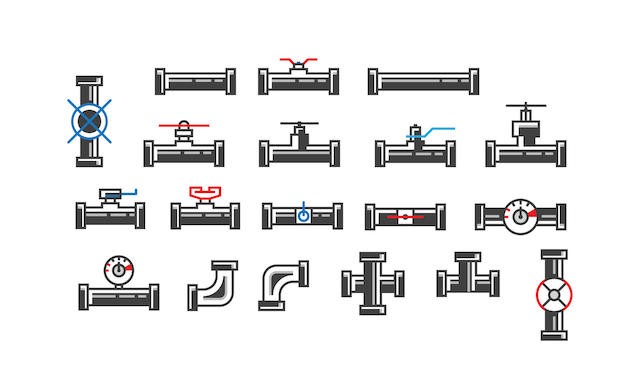
Frustration mounts in the control room as another standard valve fails, halting operations. It’s a familiar scene in many plants. Valves, the unspoken heroes of industrial efficiency, succumbing to the rigors of extreme environments.
This isn’t just about downtime. It’s about the relentless quest for reliability and precision in an unforgiving setting. This is where custom made valves come in as the answer to this pervasive industry headache. Tailor-made to tackle specific challenges, these valves are the heart of a finely tuned industrial machine.
In this article, we uncover the top five advantages of opting for these specialized solutions to reveal how they can transform your operational efficiency, safety, and bottom line. Keep reading to find out why custom made valves could be the key to unlocking your plant’s full potential.
In the world of industrial valves, one key factor sets the exceptional apart from the mediocre: durability. When choosing valves for demanding environments, the stakes are high.
Custom made valves shine in this aspect. They offer enhanced durability and longevity. Unlike standard types of valves, custom solutions are tailored to withstand specific harsh conditions, whether they’re exposed to:
This customization process involves selecting materials and designs that are best suited for the task at hand. For instance, valves used in high-temperature applications might be made from heat-resistant alloys. Those in corrosive environments may use materials like titanium or Hastelloy.
These choices ensure that the valves not only perform under pressure but also last longer.
Longevity in valves is not just about withstanding tough conditions. It’s also about minimizing the need for replacements and repairs. This is crucial in industrial settings where downtime can mean significant financial losses.
The second major advantage of custom made valves lies in their precise fit and performance. Unlike off-the-shelf valve options, which are designed for general applications, custom valves are crafted to meet the specific requirements of a particular system.
This precise fit is essential not just for optimal performance but also for ensuring safety and maintaining efficiency.
Take, for example, a valve used in a high-pressure system. A custom made valve can be designed to handle the exact pressure levels to ensure safe operation and prevent leaks or failures.
Similarly, in systems where fluid flow control is critical, customized valves ensure precise regulation to contribute to process accuracy and quality.
Customized valves stand out for their ability to significantly lower maintenance costs in industrial settings. When valves are tailored to meet the specific demands of an application, they inherently require less upkeep. This is because customized valves are designed with optimal materials and configurations that suit the exact conditions they’ll face.
In practice, this means that customized valves are less likely to suffer from common issues like:
For instance, a valve customized for a high-corrosion environment will be made from materials that resist corrosion. This can extend its life and reduce the need for frequent replacements or repairs.
Furthermore, the longer lifespan of customized valves means that plants can operate for longer periods without interruption. This uninterrupted operation is not just a matter of convenience. It translates directly into cost savings.
Safety and reliability are paramount in industrial environments, and this is where new valves, especially when customized, play a crucial role. In critical applications, the failure of a valve can have serious consequences. These can range from equipment damage to safety hazards for workers.
Customized valves offer a higher degree of reliability because they are built to handle the specific pressures, temperatures, and mediums of a particular application.
For example, in a high-pressure gas transmission system, a custom-made valve designed to handle the exact pressure and gas type will be more reliable than a standard valve. This reliability is not just about preventing leaks or bursts. It also ensures that the valve operates consistently under varying conditions, thereby maintaining the safety of the system.
Moreover, the use of new valves in critical systems brings an additional layer of safety. With advancements in technology and materials, new valves offer improved performance and reliability over older models.
This is particularly important in industries where technology evolves rapidly, and keeping up with the latest advancements can mean the difference between a safe operation and a potential hazard.
Innovation and customization in the valve industry are not just buzzwords. They’re essential elements that drive progress in industrial applications.
Custom valves represent a leap forward from traditional valve solutions. They are designed not only to meet specific operational requirements but also to incorporate innovative features that enhance their performance and functionality.
One of the key innovations in custom valves is the integration of advanced materials and technologies. For example, the use of ceramics and specialized alloys in valve construction has significantly increased their resistance to wear and corrosion. This advancement is crucial in industries that deal with aggressive or abrasive materials.
Furthermore, technological advancements have led to the development of valves with improved control mechanisms and smarter operation, such as valves equipped with sensors and IoT capabilities. These features allow for real-time monitoring and adjustments which leads to more efficient and precise control over industrial processes.
Customization plays a pivotal role in addressing unique challenges faced in different industrial settings. Every plant has its specific requirements, whether it’s related to:
Custom valves are designed to cater to these unique needs. For instance, a valve in a high-temperature power plant would require a different design and material composition compared to a valve used in a cryogenic application.
After exploring the top advantages of custom made valves, it’s clear they’re not just an option but a necessity for efficient, safe, and cost-effective plant operations.
At Everlasting Valve Company, we pride ourselves on delivering valves that are not only custom-built but also embody the pinnacle of innovation and reliability. Our unique self-lapping rotating disc valves set us apart in the industry.
Ready to elevate your plant’s performance? Request a quote today, and step into a world of unmatched valve efficiency and longevity.
Have you ever faced the frustration of a malfunctioning valve at the worst possible moment? In the industrial world, the choice of valve can make or break the efficiency of an entire operation. While gate valves are a common fixture in many plants,...
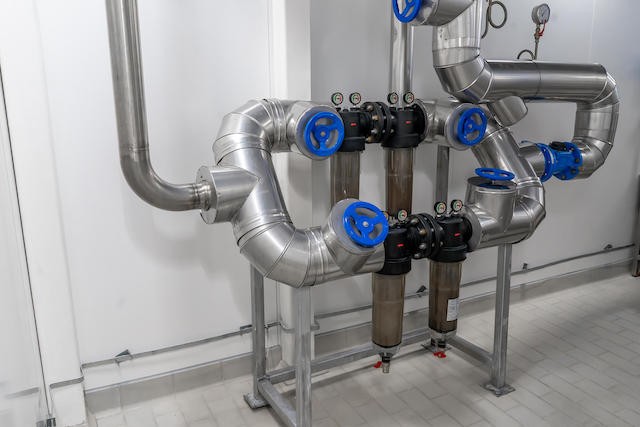
Have you ever faced the frustration of a malfunctioning valve at the worst possible moment? In the industrial world, the choice of valve can make or break the efficiency of an entire operation.
While gate valves are a common fixture in many plants, they come with their own set of challenges. From the slow response time to maintenance headaches, gate valve disadvantages can be a thorn in the side for reliability engineers and plant managers alike.
This article goes deep into the drawbacks of gate valves by shedding light on issues you might not have considered. Whether you’re installing a new system or troubleshooting an existing one, understanding these pitfalls is crucial. So, before you decide on your next valve options, take a moment to explore the less-talked-about side of gate valves.
Gate valves are widely used for their simplicity and effectiveness in on-off service but they have a significant downside: they are susceptible to wear and tear.
This wear primarily occurs due to the constant rubbing of the gate against the valve body which is exacerbated when particle-laden fluids pass through. This is a common issue in industries where fluids carry solids, such as in wastewater treatment or mining operations.
The material of the valve also plays a pivotal role in its lifespan. For instance, a gate valve made of cast iron might suffer more in abrasive environments compared to one made of a more resilient material like stainless steel.
However, even with robust materials, the fundamental design of gate valves presents a weakness. The gate’s movement against the valve seat is necessary for creating a seal. This inevitably leads to wear over time.
The issue is not just about the material but also about the mechanical interaction within the valve.
In contrast, other valve options, such as those with rotating or sliding motions, can offer greater durability. These designs reduce the direct friction that characterizes gate valves. They can potentially extend the valve’s service life, especially in harsh operating conditions.
Throttling is the ability to precisely control fluid flow and is a critical aspect in many processes. However, gate valves are not designed for this purpose. Their primary function is to start or stop the flow, not to regulate it.
Gate valves operate by lifting a gate out of the path of the fluid and offering minimal resistance when fully open. This design lacks the precision needed for throttling.
Frequent adjustments to control flow can cause the gate and seat to erode. This can lead to leaks and decreased efficiency. In some cases, vibration caused by partial opening can damage the valve.
For applications requiring precise flow control, other types of valves like globe or needle valves are more suitable. These valves are designed to handle varying degrees of flow and pressure. This makes them a better choice for processes where throttling is frequently needed.
In industrial settings where rapid response is crucial, the slow operation of gate valves can be a significant drawback. Unlike ball valves or butterfly valves that can open or close with a quarter turn, gate valves require multiple turns to move the gate to the desired position.
This can be particularly challenging in emergency situations where quick shut-off is necessary to prevent accidents or equipment damage.
The slow operation of gate valves is due to their design, which prioritizes a tight seal over speed. While this design is excellent for preventing leaks, it can hinder processes that require swift action.
In high-demand systems, this delay can lead to inefficiencies and bottlenecks. Engineers and plant managers need to weigh the need for a secure seal against the operational speed when choosing valves for their processes.
Gate valves, while versatile and widely used, have a vulnerability that can’t be overlooked: their susceptibility to corrosion. This is a critical factor in gate valve uses, particularly in environments exposed to corrosive substances or extreme conditions.
The corrosion can occur on various parts of the valve, including the body, gate, and stem. This can lead to a compromise in the valve’s integrity and functionality.
Corrosion can be accelerated by several factors, such as the presence of chemicals, high temperatures, or moisture. For instance, gate valves used in marine applications or chemical processing plants are at a higher risk of corrosion due to the aggressive nature of the environment.
This not only shortens the lifespan of the valve but can also lead to leaks or valve failure.
The material of the gate valve plays a significant role in its resistance to corrosion. While stainless steel valves offer better resistance, they can be more expensive.
Maintaining gate valves can be a challenging aspect, especially when it comes to large industrial systems. The complexity often begins with installing a gate valve, which requires precision and understanding of the system’s dynamics.
Once installed, regular maintenance is key to ensure the valve operates efficiently and safely. However, this is easier said than done.
Gate valves consist of several components like the:
Each of these can be a point of failure.
Over time, these parts can wear out or become damaged which can necessitate repairs or replacements. The process of disassembling a gate valve for maintenance is not only time-consuming but also requires technical expertise. In environments where downtime is costly, prolonged maintenance sessions can lead to significant operational disruptions.
Moreover, detecting issues within a gate valve isn’t always straightforward. Problems like internal leaks or wear might not be immediately apparent until they escalate which can lead to unexpected breakdowns. This unpredictability adds another layer of difficulty to the maintenance of gate valves.
As we conclude our exploration of gate valve disadvantages, it’s clear that the right valve choice is pivotal for optimal plant performance. At Everlasting Valve Company, we pride ourselves on providing valve solutions that address these very challenges. Our unique self-lapping, rotating disc valves stand out as a robust alternative by promising longevity and reliability far beyond traditional gate valves.
Tired of dealing with the limitations of standard gate valves? Request a quote from Everlasting Valve Company and let us strengthen your plant’s efficiency with our cutting-edge valve technology.
The chemical industry relies on a multitude of equipment, and among them, valves play a pivotal role. Valves are indispensable devices that control the flow of liquids and gases, ensuring the smooth and safe operation of chemical processes. If you...
The chemical industry relies on a multitude of equipment, and among them, valves play a pivotal role. Valves are indispensable devices that control the flow of liquids and gases, ensuring the smooth and safe operation of chemical processes.
If you work with chemicals every day, you may have often wondered what the most common types of valves used in the chemical industry are. This article is the guide for you.
We’re going to take a detailed look at these valves, their applications, and the key roles they play in the production of essential chemical products.
Valves are indispensable tools in the chemical industry, serving multiple applications. They are instrumental in regulating the flow of liquids, gases, and steam in various processes.
Control valves are the workhorses of the chemical industry. They are used for precise control over fluid flow, pressure, and temperature, essential for maintaining the quality and consistency of chemical products. These valves can be adjusted to manage the rate at which substances move through pipelines, ensuring that chemical reactions proceed optimally.
Control valves come in various designs, including globe valves, butterfly valves, and plug valves, each suited to different process requirements.
In the chemical industry, they are frequently employed to regulate the flow of reactants, control temperature, and manage pressure in reactors, distillation columns, and other crucial equipment.
Ball valves are commonly used in the chemical industry for their simplicity and efficiency. They consist of a ball-shaped disc that rotates to control the flow of fluid. When the valve is in the open position, the fluid flows freely through the hollow center of the ball, and when closed, the ball seals the passage.
Ball valves are highly reliable and versatile, making them suitable for a wide range of chemical applications.
They are often used to shut off or isolate sections of a pipeline, making maintenance and repairs more manageable. Their design also minimizes the risk of leaks, making them ideal for handling hazardous chemicals.
Slide-gate valves are another critical component in the chemical industry. These valves employ a sliding gate or plate to control the flow of materials. The gate can be fully opened, fully closed, or positioned partially to control the flow rate accurately.
These valves are particularly useful for handling abrasive and granular materials in the chemical industry. They can be found in applications such as controlling the discharge of powders, grains, and bulk solids from hoppers, silos, and chutes.
The design of slide gate valves minimizes the potential for material buildup and blockages, which is crucial when dealing with abrasive substances.
The chemical industry relies on various types of valves to meet its diverse needs. Each type of valve is designed to excel in specific applications, ensuring that chemical processes run smoothly and safely.
Gate valves are recognized for their full opening and closing capabilities, which allow for minimal fluid flow restriction.
In the chemical industry, gate valves find applications in situations where a straight-line flow and tight shut-off are necessary. They are often used in large-diameter pipelines and high-pressure systems, making them a suitable choice for the transportation of chemicals.
Globe valves are characterized by their spherical-shaped bodies and a movable disc that regulates the flow of fluids. They are known for their exceptional throttling capabilities, making them suitable for applications where precise control is required.
Globe valves are often used in the chemical industry for applications such as flow regulation, pressure control, and fluid isolation.
Check valves, also known as non-return valves, are essential for preventing the reverse flow of fluids in pipelines. They are crucial in systems where maintaining a unidirectional flow is imperative, such as in pumps, compressors, and piping systems.
In the chemical industry, check valves help maintain the integrity of the process by preventing backflow, which could compromise safety and efficiency.
Diaphragm valves feature a flexible diaphragm or membrane that isolates the valve body from the process fluid.
This design makes them suitable for handling corrosive and abrasive chemicals. Diaphragm valves are frequently used in applications where contamination must be minimized, such as in the pharmaceutical and specialty chemical sectors.
Butterfly valves are appreciated for their lightweight, low-profile design and rapid quarter-turn operation. They are well-suited for large-diameter pipelines and are used in the chemical industry for isolating or regulating the flow of liquids, gases, and slurries.
Butterfly valves are cost-effective and provide reliable shut-off capabilities, making them a popular choice for various chemical applications.
Plug valves are versatile devices that feature a cylindrical or tapered plug to control fluid flow. They offer low torque requirements and quick quarter-turn operation, making them suitable for applications requiring frequent cycling.
Plug valves are used for various purposes within the industry, including flow control, on-off applications, and the handling of corrosive or abrasive fluids.
Ensuring the longevity of valves in the chemical industry is not just about selecting the right type but also about proper maintenance. Regular inspections, cleaning, and replacing worn components are essential for extending the lifespan of valves.
Preventive measures can reduce downtime and operational disruptions, ultimately saving costs. With well-maintained valves, the chemical industry can maintain consistent production and safety standards.
All of these things can address problems proactively, further enhancing the reliability and durability of these critical components.
Valves are the unsung heroes of the chemical industry, silently ensuring the safe and efficient handling of diverse substances. The choice of valve type is critical in optimizing processes, ensuring safety, and maintaining product quality.
Everlasting Valve Company is a leading provider of cutting-edge valve solutions. Specializing in innovative, self-lapping, rotating-disc valves, we serve a wide range of industries, including the chemical industry. With a commitment to durability and reliability,
Everlasting Valve’s products are designed to withstand even the most demanding applications. Get in touch with us today to find solutions to your valve needs.