
Where are check valves used? The answer: In an array of critical applications where one-way flow control is essential. Imagine the chaos if water systems backflowed or if chemical plants had unregulated fluid movements. Check valves are the silent...
Where are check valves used? The answer: In an array of critical applications where one-way flow control is essential.
Imagine the chaos if water systems backflowed or if chemical plants had unregulated fluid movements. Check valves are the silent guardians in these systems which ensure that everything flows in the right direction; no surprises, no catastrophes. But their role isn’t limited to these examples; they’re practically ubiquitous in industrial settings.
So, why should you care? Because understanding where and how to use check valves can significantly improve your plant’s efficiency and safety. Continue reading to unlock the full potential of check valves in your operations.
A check valve is a simple yet clever device designed for a specific job: to allow fluid or gas to flow through it in one direction only. Think of it as a one-way street that blocks traffic from coming in the wrong direction.
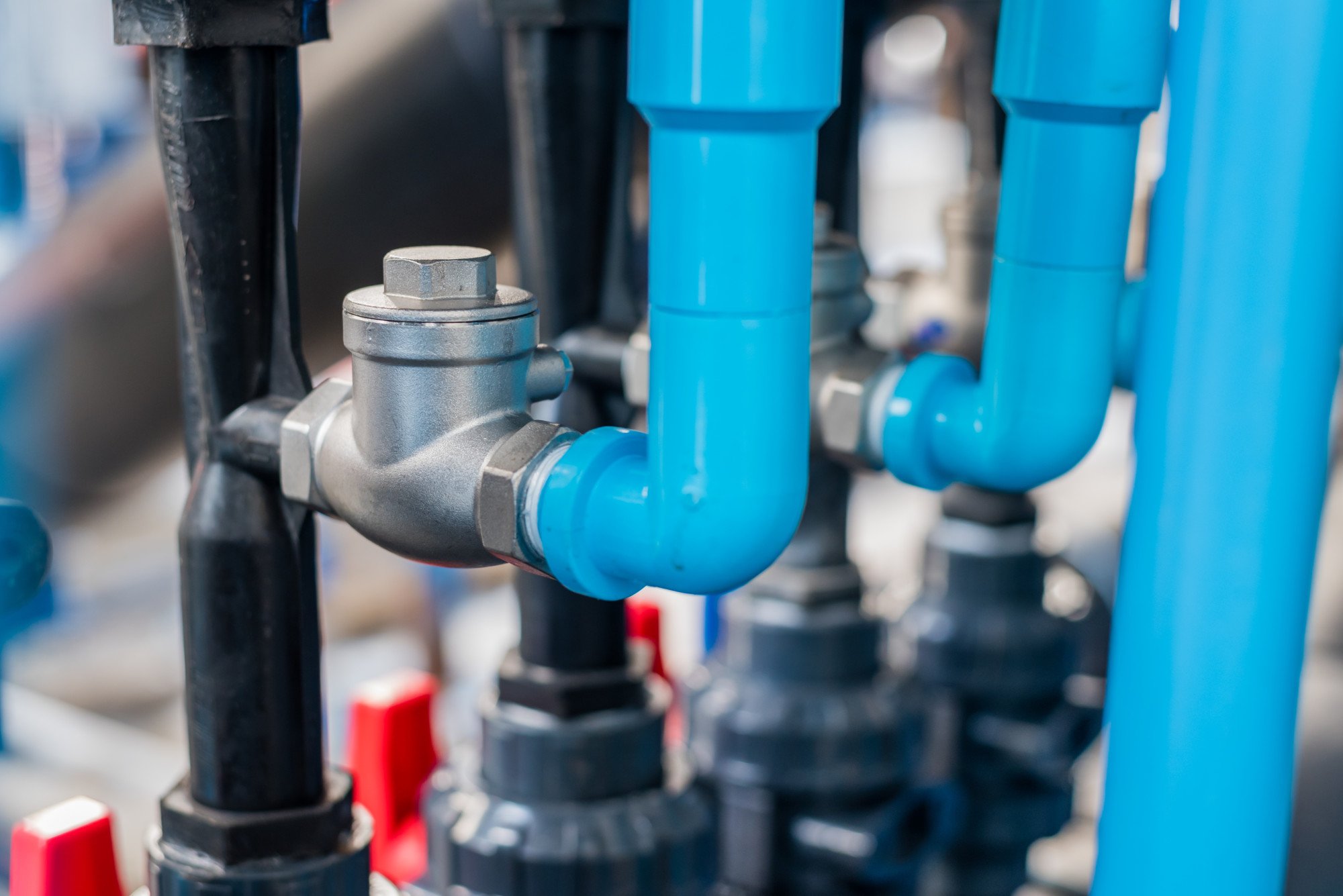
Its main components usually include a body, a bonnet, and a disk. The disk is the key player here; it’s what moves to either block or allow flow.
Check valves come in various types, each designed to meet specific needs. The most common types of valves include swing check valves, which have a disk that swings on a hinge or trunnion.
Then there are lift check valves, where the disk lifts off its seat, and the in-line check valves, which are used in more specialized settings. You’ll find these types in various materials like plastic, metal, or a combination, tailored to handle different kinds of fluids and temperatures.
It’s not just the types that vary; it’s also how they work. Some operate through gravity and the flow of the fluid itself, while others may have springs or external controls.
The type you choose has a direct impact on your system’s performance. A mismatch could mean inefficiency or, worse, a breakdown.
The genius of the check valve lies in its automatic operation. When fluid flows in the approved direction, the pressure causes the disk to lift, making way.
Once the fluid starts to reverse, the disk shuts tight, blocking the backward flow. This happens swiftly and automatically.
Now that we’ve tackled how check valves work, let’s explore where they are most commonly used. The simple answer is everywhere fluids or gases need a one-way ticket, but that doesn’t do justice to the versatility of check valves.
For example, consider water treatment plants. They handle massive amounts of water each day, directing it through a complex maze of pipes. Check valves help ensure that water flows in the correct direction, avoids contamination, and keeps the process efficient.
In manufacturing plants, particularly those involving chemicals, check valves play a crucial role in regulating flow. They prevent the backflow of materials that could result in dangerous mixtures.
Imagine a soda factory where syrups and carbonated water must never mix until they reach the filling station. Using a valve in these instances becomes essential to product quality and safety.
Let’s not forget about residential uses either. If you have a sump pump in your basement, there’s a good chance a check valve is installed to prevent flooding.
When heavy rains come, the pump activates to send water out and away from your home. The check valve ensures that water doesn’t flow back into the pump and causes potential damage.
Another key area is in fire safety systems. Check valves ensure that water is always available when a fire breaks out, directing it to the hoses and sprinklers. Here, valve applications become life-saving mechanisms.
The same goes for heating, ventilation, and air conditioning systems. Proper airflow is essential for both comfort and safety, and check valves help regulate this, making sure air travels where it’s supposed to go.
Lastly, if you’ve ever pumped gas into your car, you’ve indirectly dealt with check valves. They ensure that fuel flows in one direction: from the pump into your vehicle.
When it comes to check valve applications, you might wonder how to make the best choice. With so many types of valves available, it can seem like a daunting task.
But don’t worry, choosing a valve doesn’t have to be complicated. Let’s break down the factors that can guide your decision.
Firstly, let’s talk about material. Whether it’s metal, plastic, or a composite, the material can be critical. If your valve will be used in a corrosive environment like a chemical plant, you’d want a material that can withstand aggressive substances.
Next, consider the pressure and temperature specifications. You don’t want to install a valve that can’t handle the extreme conditions of your application. So, always look for valves that meet or exceed the pressure and temperature demands of your system.
Flow direction is another significant aspect. While all check valves are designed for one-way flow, the specific flow direction needs to align with your system’s requirements. If you’re installing a valve in a vertical pipe, make sure the valve is designed for vertical flow.
Size matters too. The valve should be an exact fit for your pipe dimensions. An oversized or undersized valve can disrupt flow and decrease efficiency, or worse, cause a system failure.
Don’t overlook ease of maintenance. A valve that is easy to disassemble, clean, and reassemble can save you time and money in the long run. This becomes particularly important in industries where regular maintenance is needed to keep things running smoothly.
Last but not least, consider the cost. While it’s tempting to go for the cheapest option, remember that you usually get what you pay for. A low-cost valve may lack the durability and reliability you need which can lead to higher costs in the long run due to frequent replacements or system failures.
Understanding where are check valves used is more than just academic knowledge; it’s about optimizing performance, safety, and reliability in your industrial processes. Everlasting Valve stands as a stalwart in severe-service valve manufacturing, providing valves that work harder, last longer, and are customized to fit your unique plant needs. We invite you to request a quote to experience the unbeatable longevity and efficiency that comes with our products.
When it comes to the functioning of industrial equipment and systems, valves play a crucial role. They are the gatekeepers, regulating the flow of various fluids and gases. However, like any mechanical component, valves are not immune to issues....
When it comes to the functioning of industrial equipment and systems, valves play a crucial role. They are the gatekeepers, regulating the flow of various fluids and gases.
However, like any mechanical component, valves are not immune to issues. One common problem that can arise is valve leakage. But the question that comes from this problem is: how much valve leakage is acceptable?
Let’s explore leakage classifications, leak tests, what constitutes acceptable leakage, and how to address valve problems.
Valves are essential for various industries, including oil and gas, petrochemicals, water treatment, and manufacturing. These valves come in various types, such as gate valves, ball valves, butterfly valves, and globe valves, each designed to handle specific conditions and requirements.
Valve leaks refer to the unintentional escape of fluids or gases through the valve when it is in a closed or partially closed position. This leakage can result from various factors, including wear and tear, damage, or improper installation. Valve leaks can be classified into different categories, each of which signifies the severity of the issue.
Valve leakage is typically classified into three main categories of leakage classifications. We need to look at these more closely to understand how much leakage is acceptable for each.
In some industries, zero leakage is non-negotiable. Valves that fall into this category must maintain a perfect seal with no visible leakage under any circumstances.
Such stringent standards are often found in applications where even a tiny leak could lead to catastrophic consequences, such as nuclear power plants and certain chemical manufacturing processes.
Class B leakage is acceptable within certain limits. Valves in this category may allow for minimal leakage, often measured in drops per minute or cubic centimeters per minute.
This level of leakage is tolerable in applications where minor leakage will not result in significant harm or operational issues.
Class C valves allow for more substantial leakage compared to Class B. These valves can have visible leakage under certain conditions, but the leak should still be controlled and not excessive.
Class C valves are suitable for managing minor leakage without severe consequences.
To determine which leakage class a valve falls into, thorough leak tests are conducted. These tests are critical for assessing the performance and integrity of the valve under different conditions.
Various methods are employed to conduct these tests, including pressure testing, bubble testing, and ultrasonic testing.
Pressure testing involves subjecting the valve to higher pressures than it would typically encounter during normal operation. This test helps identify whether the valve can maintain a tight seal when exposed to extreme conditions.
Bubble testing, also known as soap bubble testing, is a straightforward method. It involves applying a soapy solution to the valve’s sealing surfaces and then pressurizing the valve. If bubbles form at the seal, it indicates a leak.
Ultrasonic testing uses high-frequency sound waves to detect leaks in the valve. This method is particularly effective for detecting very small leaks that may not be visible through visual inspection.
These tests help engineers and inspectors determine whether a valve meets the specified leakage class and is functioning within acceptable limits. If a valve fails these tests, it is considered a valve problem that needs to be addressed.
Determining what constitutes acceptable leakage for a given application is not a one-size-fits-all endeavor. The definition of “acceptable” is highly context-dependent and can vary significantly between industries and even within the same sector. Here are some factors that influence the acceptable level of valve leakage.
Different industries have their own standards and regulations regarding valve leakage. For example, the American Petroleum Institute (API) has specific standards for valve leakage in the oil and gas industry.
The American Society of Mechanical Engineers (ASME) provides guidelines for various other applications.
Safety is paramount in many industries. The acceptable level of valve leakage is often determined by the potential risks associated with a leak. In applications where a leak could lead to fires, explosions, or harm to personnel, stringent leakage requirements are enforced.
In some processes, even the slightest deviation can lead to product quality issues. In such cases, maintaining extremely low or zero leakage is crucial to ensuring product integrity.
The impact of a valve leak on overall system performance is another consideration. In some applications, minor leakage may not significantly affect operations, while in others, it could lead to efficiency losses or downtime.
The cost of implementing valves with zero leakage can be significantly higher. In cases where a minor leak can be managed without substantial economic consequences, Class C valves may be deemed acceptable.
Addressing valve problems in industrial systems is crucial to maintaining operational efficiency and safety. Routine maintenance and timely repairs help extend a valve’s lifespan, preventing unacceptable leakage.
When a valve is beyond repair, replacement with a suitable alternative ensures adherence to acceptable leakage limits. Upgrading to valves with improved sealing capabilities aligns systems with evolving industry standards. Utilizing advanced sealing technology, such as specialized gaskets and packing materials, enhances performance and reduces leakage rates.
In some cases, modifying operational conditions, like pressure and temperature, can effectively mitigate the impact of valve leakage. These strategies collectively ensure reliable and efficient system operation.
Valves are integral to many industrial processes but are not immune to problems, with valve leakage being a common issue. How much valve leakage is acceptable? The extent to which valve leakage is acceptable varies widely, depending on industry standards, safety concerns, and process requirements.
Everlasting Valve USA is an industry leader in crafting industrial valves of unmatched durability and innovation. With a reputation for excellence, they are the go-to choice for valve solutions in the most demanding environments. If you seek reliability, longevity, and top-notch performance in your valves, we’re your best choice.
Industrial valves play a vital role in controlling the flow of various fluids within industrial processes. Among these valves, ball valves stand out as versatile components known for their exceptional performance and reliability. You may be new to...
Industrial valves play a vital role in controlling the flow of various fluids within industrial processes. Among these valves, ball valves stand out as versatile components known for their exceptional performance and reliability.
You may be new to an industry that works with these valves, so there’s a chance that you’re asking yourself, “What are industrial ball valves?” Let this article be your guide.
We’re going to explore their types, applications, and the essential information for using them effectively. Keep reading to become a ball valve expert.
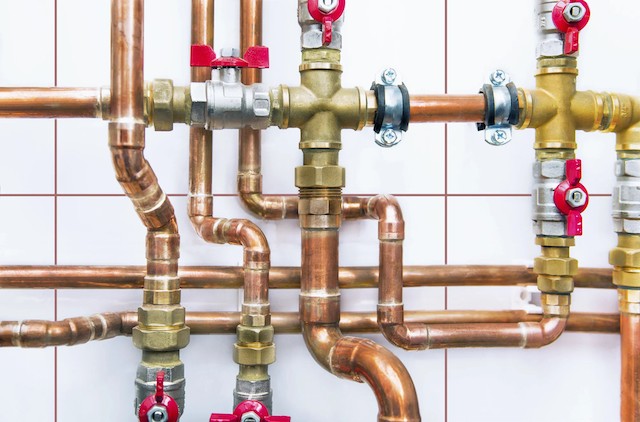
Ball valves are one of the most commonly used types of industrial valves. They derive their name from the spherical closure unit inside the valve, often referred to as “the ball.”
This ball has a hole through which the fluid can pass when the valve is open, and it can be rotated to obstruct the flow when closed. Ball valves are classified into several types based on their design, and each type offers unique advantages for various applications.
There are several different ball valve types out there. Each has its own specific application. We’ll take a look at them one by one.
The floating ball valve is a commonly used design where the ball is not rigidly fixed to the stem. Instead, it is free to move within the valve body.
This design allows for a tight seal and minimal torque required to turn the valve. Floating ball valves are ideal for low and moderate-pressure applications.
In contrast to the floating ball valve, the trunnion-mounted ball valve has the ball secured in place by a fixed trunnion. This design is more suitable for high-pressure applications, providing increased stability and reliability.
Multiport ball valves have multiple ports on the ball, offering intricate flow control options. These valves are highly versatile, making them an excellent choice for applications requiring complex fluid routing.
The V-port ball valve features a V-shaped ball that enables precise flow control. This design is particularly useful in applications where accurate throttling is necessary, such as in the control of corrosive fluids.
Three-way ball valves have three openings, allowing them to divert flow between different paths. They are valuable in applications that require the mixing or diverting of fluids.
Ball valves find their utility across a wide spectrum of industrial applications due to their versatility and ability to handle a range of fluids.
Let’s explore some common fields where these valves are indispensable.
In the oil and gas sector, ball valves are extensively used for their ability to control the flow of crude oil, natural gas, and other hydrocarbons.
Their robust construction and sealing properties make them ideal for applications involving high pressures and corrosive fluids.
The chemical industry relies on ball valves to regulate the flow of various chemicals. The corrosion-resistant materials used in these valves make them suitable for handling aggressive and abrasive substances.
Ball valves are crucial in water treatment plants for controlling the flow of water and chemicals in different stages of the treatment process. Their tight shut-off capability ensures efficient water management.
In the pharmaceutical industry, precision and sterility are paramount. Ball valves are favored for their precise flow control, making them essential in pharmaceutical manufacturing and research applications.
Ball valves play a vital role in power plants, where they control the flow of steam, cooling water, and other fluids critical to the energy generation process. Their reliability is crucial to preventing downtime and maintaining efficiency.
Understanding how to use a ball valve effectively is essential to ensure optimal performance and longevity. Here’s a step-by-step guide on how to use a ball valve.
Start by determining whether the valve is in the open or closed position. If it’s a lever-operated valve, the lever parallel to the pipe indicates an open valve, while perpendicular means it’s closed.
Before using the valve, inspect it for any signs of leakage. If you notice any leaks, it’s vital to address them before proceeding.
If you need to open or close the valve, simply turn the handle or lever as required. For valves with actuators, follow the manufacturer’s instructions.
As you use the valve, keep an eye on the flow to ensure it’s adjusted as needed. Ball valves offer precise control, so you can fine-tune the flow rate according to your requirements.
Ball valves, like all mechanical components, require maintenance. Periodically lubricate the moving parts and inspect for wear and tear.
The versatility of ball valves makes them indispensable in a wide range of applications. Let’s delve into some specific uses.
Ball valves excel as isolation valves. When fully closed, they provide a tight seal, effectively isolating one section of a piping system from another.
This feature is crucial for maintenance, repairs, and system shutdowns.
Ball valves are highly effective for flow control. Their design allows for precise adjustment of flow rates, making them suitable for applications where fluid regulation is critical.
In situations where a rapid shutdown is necessary, such as in the case of a leak or equipment malfunction, ball valves can be quickly closed to prevent further damage or hazards.
So, what are industrial ball valves? Industrial ball valves are vital components in a wide range of industries. Their diverse types, applications, and precise flow control capabilities make them an indispensable tool for engineers and operators.
Everlasting Valve Company is your trusted partner for top-quality industrial valves. We specialize in crafting innovative, durable, and high-performance valves that stand the test of time. With a commitment to excellence, we cater to various industries, ensuring reliable solutions for your needs.
Reach out to us today to find the perfect valve for your business.
Irrigation systems are essential for maintaining lush, green lawns and vibrant gardens, and they rely on various components to function efficiently. Among these components, irrigation valves play a pivotal role in controlling the flow of water to...

Irrigation systems are essential for maintaining lush, green lawns and vibrant gardens, and they rely on various components to function efficiently. Among these components, irrigation valves play a pivotal role in controlling the flow of water to different zones of your landscape.
Over time, these valves can wear out or become less effective, leading to the need for replacement. But if you work with these valves, you might be wondering: how often should irrigation valves be replaced?
We’re going to be answering that question is this article. We’re also going to delve into the sprinkler valve replacement process, the importance of proper irrigation system maintenance, and common irrigation valve repairs.
Before delving into the frequency of valve replacement, it’s important to understand the crucial role that sprinkler valves play in your irrigation system. These valves act as gatekeepers, allowing water to flow into specific zones or sections of your landscape.
When activated, they enable the distribution of water to the designated areas, ensuring that your plants and lawns receive the right amount of moisture.
Irrigation valves are responsible for regulating the flow of water to maintain proper irrigation schedules, and they ensure that your landscape gets the required amount of hydration without overwatering or underwatering. The efficient operation of these valves directly impacts the health and appearance of your plants.
The frequency at which you should replace irrigation valves depends on various factors, including the quality of the valves, environmental conditions, and maintenance practices.
Here are some guidelines to help you determine when to replace your irrigation valves.
High-quality valves tend to last longer than their lower-quality counterparts.
When installing an irrigation system, investing in durable valves can significantly extend their lifespan. Quality valves can last 10 to 20 years or more.
The local climate and exposure to harsh weather conditions can affect the longevity of irrigation valves.
In areas with extreme temperatures or frequent freezing and thawing, valves may wear out faster. Regular inspections in such regions are crucial.
Proper maintenance can significantly extend the life of irrigation valves. Regularly inspecting your system for leaks, wear, and tear, as well as keeping the valves clean and free from debris, can help them last longer.
Maintenance should be performed at least once a year, if not more frequently, depending on the specific needs of your system.
The quality of the water in your area can impact the lifespan of irrigation valves.
Water with a high mineral content can lead to mineral buildup within the valves, which can reduce their efficiency and necessitate more frequent replacements.
Older irrigation systems may have older, less efficient valves. If you have an older system, consider upgrading to modern, more durable valves to improve the overall efficiency and reduce the frequency of replacements.
In general, a well-maintained irrigation system with high-quality valves can go many years without requiring replacements. However, it’s essential to conduct routine inspections and be proactive in addressing issues as they arise to avoid costly damage to your landscape.
Irrigation system maintenance is key to ensuring the longevity and effectiveness of your system’s components, including irrigation valves.
Regular maintenance not only extends the life of your equipment but also conserves water, reduces repair costs, and promotes healthy plant growth. Here are some critical maintenance tasks:
Frequently check for leaks in pipes, fittings, and valves. Leaks can lead to water wastage and potentially damage your landscape or property.
Remove debris and dirt from the valve diaphragm, solenoids, and filters. Debris can obstruct water flow and reduce the valve’s efficiency.
In regions with freezing temperatures, ensure proper winterization of your irrigation system to prevent valve and pipe damage. This may include draining the system and protecting it from cold weather.
Regularly check and calibrate the controller to ensure accurate scheduling and avoid overwatering. This is an often overlooked part of the maintenance process.
Test the valves periodically to confirm they open and close correctly. A malfunctioning valve can disrupt your irrigation schedule.
Consider hiring a professional to conduct a comprehensive inspection of your irrigation system annually. They can identify and address potential issues before they become major problems.
Efficient irrigation systems not only help you maintain a healthy and vibrant landscape but also offer several environmental advantages.
By ensuring that your irrigation valves and system operate optimally, you can contribute to conservation efforts and reduce your environmental footprint.
Efficient irrigation systems deliver water precisely where it’s needed, minimizing waste. Overwatering not only leads to higher water bills but can also harm plants and promote fungal growth.
Regularly replacing and maintaining irrigation valves ensures that water is used efficiently, helping to conserve this precious resource.
Inefficient irrigation systems can consume more energy than necessary. When valves and components are in good working condition, they require less energy to operate.
This results in lower energy consumption, reduced greenhouse gas emissions, and a smaller carbon footprint.
By using water wisely and preventing runoff, you can help protect nearby natural habitats. Over-irrigation can lead to excessive runoff, carrying fertilizers and pesticides into local ecosystems.
Properly maintained irrigation systems keep your landscape healthy without causing harm to the environment.
Efficient irrigation systems are cost-effective in the long run. When you regularly maintain and replace valves as needed, you reduce the risk of major system failures that can be expensive to repair.
Additionally, you’ll save money on water bills by using only the necessary amount of water.
How often should irrigationb valves be replaced? The frequency at which irrigation valves should be replaced depends on various factors. High-quality valves and proper maintenance can significantly extend their lifespan.
Everlasting Valve Company is a leading provider of industrial valves. We are renowned for our innovative and durable design. Our valves are ideal for handling severe service applications.
For dependable valve solutions contact us today for expert guidance.
Why are some engines more efficient, durable, and high-performing than others? Often, the answer boils down to the valve train system. A lesser-known but critical component of an engine, the valve train orchestrates how engine valves open and close,...
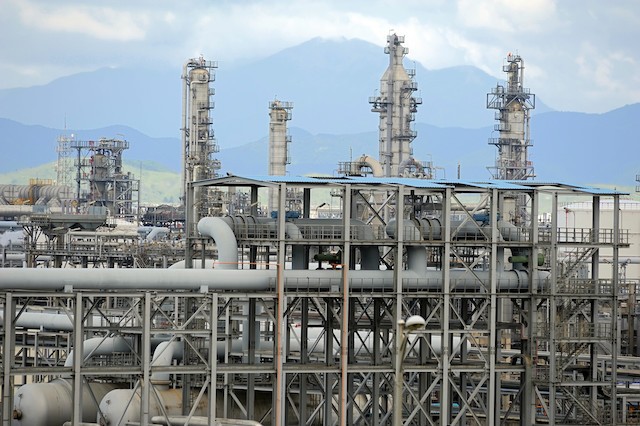
Why are some engines more efficient, durable, and high-performing than others? Often, the answer boils down to the valve train system. A lesser-known but critical component of an engine, the valve train orchestrates how engine valves open and close, affecting everything from fuel efficiency to emissions.
If you’ve ever wondered, “What are the types of valve trains used in engines?”, then you’re asking a question that can have direct implications on reliability and cost-effectiveness in industrial settings. Make no mistake, the valve train you choose can either propel your operations into smooth sailing or drag them into mechanical limbo.
Intrigued? Continue reading to uncover the most commonly used types of valve trains and how to pick the best one for your specific application.
Let’s not beat around the bush: The valve train is like the conductor of an orchestra, directing engine valves when to open and close. These actions determine how air and fuel move into the engine and how exhaust gases exit.
A smooth, efficient process can lead to a powerful performance, while a misstep can result in compromised functionality. Therefore, knowing your engine valves and their roles is key to maintaining an efficient and reliable system.
The valve train has a significant role in controlling engine timing and combustion. A hiccup or inefficiency here can affect fuel consumption, the production of emissions, and even lead to engine damage. That’s why it’s crucial to be aware of the different valve train options available.
By selecting the right type, you can avoid common problems such as valve float. This is a condition where the valve fails to sit properly, leading to a loss of engine power and increased fuel consumption. Conversely, a well-selected valve train can resolve many of these issues and offer smoother operation and less wear and tear on engine components.
Each type of valve train has its pros and cons, affecting everything from initial cost to maintenance needs. For instance, some are simpler to install but may require frequent tuning. Others are almost maintenance-free but could be pricier upfront.
Understanding these trade-offs is vital for making an informed decision. Especially in industrial settings where inefficiencies can escalate into significant operational costs.
Valve trains play a pivotal role in your engine’s performance. They control how air and fuel mix and burn, and how exhaust leaves your engine. Let’s explore the main types to help you understand their unique benefits and drawbacks.
OHC systems provide excellent control over engine valves. In this setup, camshafts are placed directly above the valves, eliminating the need for pushrods. The outcome? A smoother, more efficient engine.
This system is often found in cars that require high RPMs. OHC is a go-to for those who crave precision and control. However, they can be more expensive to install and maintain.
OHV systems are also called pushrod systems. Here, the camshaft is located inside the engine block, and it uses pushrods to control the valves. This setup has fewer moving parts which makes it simpler and often less costly.
It’s a sturdy system that does well in heavy-duty applications where high RPMs are not essential. This is a reliable choice for many valve train parts and offers solid performance without breaking the bank.
This system uses two camshafts per row of cylinders: one for intake valves and one for exhaust valves. DOHC offers more valve area, providing better airflow at high RPMs.
This results in higher performance and efficiency but comes at a premium price point. If you need maximum control over your valve applications, DOHC is worth considering.
This type is unique because it eliminates valve springs. In most systems, springs are used to close valves, but here, a separate cam lobe and lever system controls the opening and closing.
The advantage? Elimination of valve float at high RPMs. This system is specialized and less common but has distinct advantages in specific applications.
When it comes to picking the right valve train, one size certainly does not fit all. Various types have their unique strengths, and knowing how they align with your specific valve applications can make all the difference.
The Overhead Camshaft system, for instance, provides a high level of control over valve timing. This system is ideal for applications requiring precise timing and high RPMs. If you’re involved in manufacturing or other high-speed operations, this could be the right fit for you.
On the other hand, the Pushrod system, also known as the Overhead Valve system, is a classic choice that’s easier on the pocket. It’s a good pick for scenarios that demand less precision but still require robust performance.
The selection process is not just about performance metrics; it’s also about compatibility with your existing systems. You’ll need to consider aspects like size constraints, ease of installation, and the availability of replacement parts when making your choice.
Therefore, when it comes to choosing a valve train, doing your homework is critical. Your decision should factor in the particular challenges and complexities of your operation. After all, the valve train is not just a cog in the machine; it’s a linchpin that holds various aspects of your engine’s functionality together.
Choosing the right valve train is not merely a technical decision. It’s a pivotal one that influences your engine’s longevity, efficiency, and reliability. By understanding “what are the types of valve trains used in engines,” you arm yourself with the knowledge needed to optimize your plant operations.
For those in search of a reliable and long-lasting solution, consider Everlasting Valve. Our valves are engineered for exceptional performance and designed to replace less durable components like knife-gate valves and pinch valves, to effectively reduce your maintenance costs. Request a quote today to make a choice that promises quality, durability, and exceptional performance.
Hydraulic systems are fundamental in various industries, providing the power needed to move heavy machinery, lift loads, and control complex processes. These systems rely on a variety of components to function effectively, with control valves...
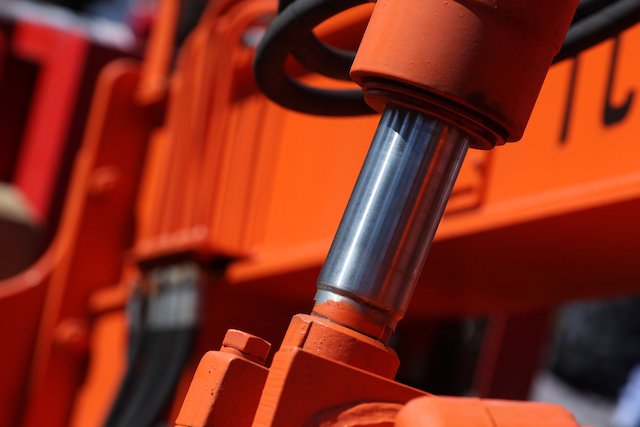
Hydraulic systems are fundamental in various industries, providing the power needed to move heavy machinery, lift loads, and control complex processes.
These systems rely on a variety of components to function effectively, with control valves playing a critical role. Control valves are the heart of hydraulic systems, regulating the flow of fluid to control the direction, pressure, and flow rate of hydraulic machinery.
But, there is more than one type of control valve. So what are the three types of control valves used in hydraulic systems?
That’s exactly what we’re going to look at in this article. We’ll go through their applications, and the various valve options available within each type. Keep reading to find out more.
Control valves in hydraulic systems can be broadly categorized into three main types: directional control valves, pressure control valves, and flow control valves. Each type serves a specific purpose in regulating hydraulic fluid within the system.
Directional control valves are essential components in hydraulic systems, responsible for controlling the direction of fluid flow.
These valves dictate whether the hydraulic fluid should flow to or from an actuator, such as a hydraulic cylinder or motor. There are various subtypes of directional control valves, including:
Check valves, also known as one-way valves, are a simple type of directional control valve. They allow fluid to flow in one direction while preventing reverse flow.
Check valves are commonly used in hydraulic systems to maintain pressure and prevent the backflow of hydraulic fluid.
Spool valves are versatile and widely used directional control valves in hydraulic systems. They consist of a cylindrical spool that moves within a housing.
By shifting the spool, the valve controls the path of hydraulic fluid, directing it to the desired actuator. Spool valves can be further classified into various configurations, such as 2-way, 3-way, and 4-way, depending on the number of ports they have.
Ball valves use a spherical ball to control the flow of hydraulic fluid. When the ball is aligned with the flow path, fluid can pass through, and when it is rotated to block the flow, it stops the fluid’s movement.
Ball valves are known for their quick response time and low maintenance requirements.
Pressure control valves, as the name suggests, are designed to regulate and maintain pressure levels within hydraulic systems. These valves are crucial for preventing system overpressure and ensuring safety and consistent operation.
Relief valves are the most common type of pressure control valves in hydraulic systems. They are designed to limit the maximum pressure within the system by diverting excess fluid back to the reservoir.
This prevents damage to system components and ensures safe operation.
Pressure-reducing valves, on the other hand, serve the opposite purpose. They reduce the incoming pressure from the power source to a lower, controlled pressure level required for a specific part of the hydraulic system.
These valves are essential in applications where different components operate at varying pressure levels.
Sequence valves are used to ensure that hydraulic actuators or components operate in a specific order. They allow the flow of hydraulic fluid to one actuator only when a predetermined pressure level is reached in another actuator.
This sequential operation is critical in applications where precise timing is required.
Flow control valves manage the rate of fluid flow within hydraulic systems. They regulate the speed at which hydraulic actuators move, making them crucial for applications requiring precise control over movement. The primary types of flow control valves are:
Throttle valves, also known as flow control or restrictor valves, control the flow rate by narrowing the fluid passage. By adjusting the valve’s opening, operators can control the speed of hydraulic actuators.
Throttle valves are commonly used in applications where precise speed control is necessary, such as in machine tools or automation equipment.
Proportional valves offer advanced control over the flow rate by adjusting the valve’s opening in proportion to an electrical input signal.
They provide precise control of hydraulic actuators and are commonly used in industrial automation, injection molding machines, and aerospace applications.
We have discussed the three primary types of control valves used in hydraulic systems. Now it’s essential to explore the various valve options available within each category and their applications.
Within the category of directional control valves, there are several options to choose from. Each of these options are suited to different applications.
These valves have two ports and can either allow or block the flow of hydraulic fluid. They are commonly used in on-off applications, such as opening and closing hydraulic circuits.
These valves have three ports and can direct hydraulic fluid to one of two possible pathways. They are often used for controlling the movement of single-acting hydraulic cylinders or motors.
These valves have four ports and are used to control the direction of hydraulic fluid in double-acting hydraulic cylinders or to control the speed and direction of hydraulic motors.
Solenoid-actuated directional control valves are commonly used in automated systems where remote operation and quick response times are required.
Directional control valves find applications in a wide range of industries, including agriculture (for controlling the movement of tractors and implements), construction (for operating backhoes and excavators), and manufacturing (for controlling presses and conveyors).
It can be confusing to know what are the three types of control valves used in hydraulic systems. Control valves are the lifeline of hydraulic systems.
With over a century of innovation, Everlasting Valve offers revolutionary, self-lapping, and leak-free valves that excel in the toughest industrial conditions. When you choose Everlasting Valve, you’re investing in unmatched durability and performance, ensuring the longevity of your critical systems.
We’re not just here to provide a one-time service, we’re here whenever you need us.
Reach out to us today to request a quote.
Pressure relief valves are vital components in many industrial processes and systems. They play a crucial role in preventing catastrophic overpressure situations by releasing excess pressure and safeguarding equipment, personnel, and the...
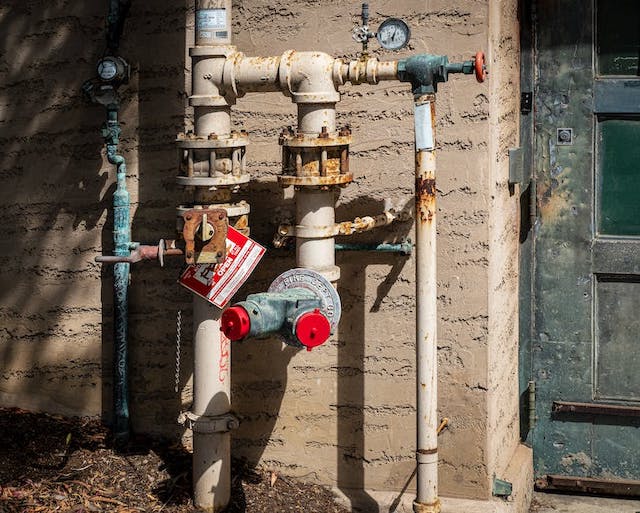
Pressure relief valves are vital components in many industrial processes and systems. They play a crucial role in preventing catastrophic overpressure situations by releasing excess pressure and safeguarding equipment, personnel, and the environment.
To ensure the proper functioning of pressure relief valves and maintain a high level of safety, regular testing is essential. So, you may be wondering, how often should pressure relief valves be tested?
We’re going to take a look at the importance of pressure relief valve care, discuss different types of valves, explore valve maintenance practices, and elaborate on testing valves to ensure their reliability and safety.
Pressure relief valves, often referred to as safety valves or pressure safety valves, are a key element of pressure vessels, pipelines, and other equipment where pressurized substances are handled.
Their primary function is to protect these systems from overpressure, which could result from various factors, including equipment malfunction, process upsets, or thermal expansion.
Failing to properly care for and maintain these valves can have serious consequences. There are a number of reasons why regular testing should be conducted.
Malfunctioning or poorly maintained pressure relief valves can lead to accidents, injuries, and even fatalities. If you’re ever unsure about the safety of the valve, then it is important to get it checked out.
Failure of pressure relief valves can result in hazardous substances being released into the environment. This can lead to pollution and ecological damage.
Equipment damage, production downtime, and legal liabilities can result in significant financial losses for companies.
Given these potential risks, it’s crucial to prioritize pressure relief valve care to ensure the continued safety and efficiency of industrial processes.
It’s important to understand the different types of valves commonly used in industrial settings. There are three main categories of pressure relief valves.
Safety valves are the most common type of pressure relief valve. They are typically designed to open fully at a predetermined set pressure and close at a specific pressure decrease.
Safety valves are commonly used in applications where overpressure protection is critical.
Relief valves are designed to open gradually, relieving pressure in a more controlled manner compared to safety valves.
They are often used in systems where abrupt pressure release could be detrimental.
Rupture discs are a type of non-reclosing pressure relief device. They consist of a thin membrane that ruptures at a predetermined pressure, providing instant and full relief. Rupture discs are commonly used in applications where rapid pressure relief is required.
Each type of pressure relief valve has its own unique characteristics and is chosen based on the specific needs and requirements of the system in which it is installed.
Regular maintenance of pressure relief valves is essential to ensure their proper functioning. Neglecting maintenance can lead to valve failure when it is needed most.
Here are some key maintenance practices that should be followed.
Routine visual inspections should be performed to check for any visible signs of wear, corrosion, or damage. Valves should be inspected for leaks, rust, and any unusual changes in appearance.
Performance testing involves checking whether the valve operates as expected. This can include conducting seat and pop tests to ensure that the valve opens and closes at the correct set pressure.
Some valves require periodic lubrication to prevent sticking or improper operation. Lubrication schedules should be followed as recommended by the valve manufacturer.
Valve components should be kept clean and free from debris or foreign material that could obstruct their operation. Regular cleaning is important, especially in environments with high levels of dust or contaminants.
Maintaining comprehensive records of maintenance activities is crucial for tracking the history of each valve. This documentation can be used to schedule future maintenance and identify any recurring issues.
Proper maintenance not only extends the life of pressure relief valves but also ensures that they are ready to perform their critical safety functions when necessary.
Testing pressure relief valves is a fundamental aspect of ensuring their safety and reliability.
The frequency of testing can vary based on several factors, including the type of valve, the application, and industry standards.
When a pressure relief valve is initially installed, it should undergo a series of tests to confirm that it functions as expected.
These tests help ensure that the valve operates at the correct set pressure and reseats properly after relieving pressure. After the initial testing, the valve’s next test should be based on the system’s specific requirements.
Routine testing is essential to confirm that pressure relief valves are in good working order. The frequency of routine testing can vary depending on the valve type and the application.
In many industries, an annual inspection and testing schedule is common. However, more frequent testing may be required for critical applications or in harsh environments.
Valve testing should also consider the operating conditions of the system. For instance, systems subject to frequent pressure fluctuations or exposure to harsh chemicals may require more frequent testing to ensure reliability.
Many industries are subject to specific regulations and standards that dictate the frequency of pressure relief valve testing. It is essential to be aware of and comply with these regulations to maintain legal and safety compliance.
Pressure relief valves should also be tested following any emergency or upset situation that may have caused the valve to open. After such events, a thorough inspection and testing can confirm that the valve remains in proper working condition.
How often should pressure relief valves be tested? The frequency of pressure relief valve testing should be determined by a combination of factors. It’s essential to establish a robust testing and maintenance schedule to safeguard your systems and personnel effectively.
Everlasting Valve Co. excels in providing highly durable valve solutions across industries. With unmatched longevity and reliability, their valves outperform traditional options. Choose Everlasting for dependable, long-lasting valve solutions.
Reach out to us today for a quote.
Throttle valves, an essential component in various industrial processes, play a crucial role in regulating the flow of fluids, such as gases or liquids, within pipelines and systems. These valves, known for their precision and control, are...
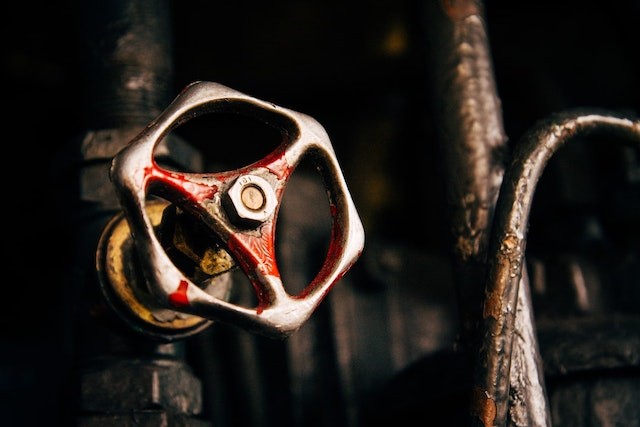
Throttle valves, an essential component in various industrial processes, play a crucial role in regulating the flow of fluids, such as gases or liquids, within pipelines and systems. These valves, known for their precision and control, are indispensable in numerous applications.
How does a throttling valve work? We hear you ask. Well, this article explores what throttle valves are, how they function, the types available, their applications, and considerations for selecting the best valve for throttling.
Keep reading to find out everything you need to know about these valves.
A throttle valve, also known as a control valve or throttle control valve, is a device designed to control the flow rate of a fluid within a system. These valves find their applications in various industries, including oil and gas, chemical processing, water treatment, and more.
By manipulating the valve’s position, operators can regulate the flow, pressure, and temperature of the fluid, allowing for precise control of processes.
Throttle valves operate on a straightforward yet highly effective principle. They consist of a valve body with an orifice, a movable element (typically a disc or plug), and an actuator that drives the movement of the element.
When the valve is in the fully open position, the orifice allows the maximum flow of fluid through the system. As the valve is partially closed by adjusting the position of the movable element, the flow is throttled, and the system’s operating conditions change accordingly.
The actuator, which can be mechanical, pneumatic, electric, or hydraulic, controls the position of the movable element. By altering the actuator’s input, operators can precisely adjust the flow rate, pressure, or temperature as needed.
This ability to finely tune the fluid’s characteristics is what makes throttle valves invaluable in a wide range of industries.
There are several types of throttle valves, each suited to specific applications and operating conditions. Understanding the different types is crucial when selecting the best valve for throttling in a particular system.
Globe valves are one of the most common types of throttle valves. They feature a movable disc or plug that moves perpendicular to the flow, creating a variable restriction.
Globe valves offer excellent control over flow rates and are suitable for applications requiring precise adjustments.
Butterfly valves consist of a circular disc mounted on a rod that rotates within the pipe. As the disc pivots, it can control the flow by varying the alignment of the disc with the flow direction.
These valves are cost-effective and often used in large-diameter pipelines.
Ball valves use a spherical closure element to control the flow. By rotating the ball, operators can vary the flow area, allowing for efficient control.
Ball valves are known for their quick shut-off capabilities and are often used in applications that require on/off control as well as throttling.
Needle valves are precision instruments typically used in applications that require fine control over flow. They have a long, tapered needle-like element that fits into a conical seat.
Turning the stem adjusts the gap between the needle and the seat, regulating flow with great accuracy.
Diaphragm valves use a flexible diaphragm to control flow. When the diaphragm is pressed against the seat, it blocks flow, and releasing it allows fluid to pass.
These valves are ideal for applications that require tight shut-off and are commonly used in the pharmaceutical and food industries.
Sliding stem valves are versatile throttle valves that use a sliding stem to control the flow. They come in various configurations, including globe, angle, and three-way valves.
Their flexibility makes them suitable for a wide range of applications.
Throttle valves find applications in various industries due to their ability to control the flow and pressure of fluids. Some of the notable applications include:
In the oil and gas sector, throttle valves play a pivotal role in controlling the flow of crude oil, natural gas, and various petrochemical products.
These valves help maintain pressure, regulate fluid levels, and ensure the safety and efficiency of the extraction and transportation processes.
Throttle valves are indispensable in chemical plants where precise control over the flow of different chemicals is essential.
They are used for mixing, blending, and dosing chemicals, ensuring the safety of operations and maintaining product quality.
Water treatment facilities rely on throttle valves to manage the flow of water during various processes, including filtration, disinfection, and distribution.
These valves help ensure the quality and safety of drinking water for communities.
Heating, ventilation, and air conditioning (HVAC) systems use throttle valves to control the flow of air and water, regulating temperature and maintaining indoor comfort.
In power plants, throttle valves are employed in controlling steam or gas flow to turbines. This critical role in power generation ensures that electricity is produced efficiently and reliably.
Manufacturing processes often require precise control over the flow of fluids and gases. Throttle valves help manage these flows in applications ranging from food and beverage production to automotive manufacturing.
When choosing a throttle valve for a specific application, several factors must be considered. Let’s take a closer look.
Ensure that the valve materials are compatible with the fluid being controlled. Corrosive or abrasive fluids may require special materials to prevent premature wear and failure.
Consider the maximum operating pressure and temperature conditions of your system. Select a valve that can handle the anticipated stress without compromising safety.
Choose a valve that can accommodate the required flow rate. Different types of throttle valves have varying flow capacities, so select one that meets your application’s needs.
Throttle valves are a vital component in various industries, offering precise control over fluid flow and pressure. They come in several types, each suited to specific applications. We hope this article has answered your question of “how does a throttling valve work?”
Everlasting Valve is your trusted partner for premium industrial valve solutions. Our cutting-edge valves are built to last, offering unmatched durability, self-lapping technology, and zero leakage.
Elevate your operations with Everlasting’s innovative and reliable valve products. Contact us now to experience excellence in industrial valve performance.
The oil and gas industry earned $4 trillion last year worldwide. There is no question that this industry is vital to modern life. While most people are familiar with the product and the consumable products available, they don’t know all the small...
The oil and gas industry earned $4 trillion last year worldwide. There is no question that this industry is vital to modern life.
While most people are familiar with the product and the consumable products available, they don’t know all the small parts and elements that go into them. One component worth mentioning is oil refinery valves.
Valves are an essential part of any oil refinery. They control the flow of fluids, isolate equipment, and protect against leaks. Keep reading to learn more about these valves and the role they play.
There are many types of valves used in oil refineries. Some of the most common include the following:
Ball valves are one of the most common valves used in oil refineries. They are used to control the flow of fluids in a pipeline.
This valve is a quarter-turn rotary valve. It includes a hollow ball that the fluid moves through into a rotating 90-degree hollow ball.
Butterfly valves are another valve option used in oil refineries. They are used to isolate equipment and control the flow of fluids in a pipeline.
Most butterfly valves come with actuators. They are ideal for oil refineries because the shut-off applications work well for larger pipelines.
Gate valves isolate equipment and control fluid flow in a pipeline. They are used in fully closed or open positions for fluid flow regulation.
Some fluid gate valves are used with water, oil, steam, and gas. It is not recommended that gate valves be used for throttling applications.
Check valves are used to prevent the flow of fluids in the wrong direction. This means they keep the flow of fluids from reversing.
Usually, these are found on the discharge end of the pump. They will automatically shut the flow off when the pump is disengaged. This prevents the system from draining.
Pressure relief valves are used to protect equipment from excessive pressure. They are designed to open automatically when the pressure in a system exceeds a predetermined level.
The valves are beneficial because they prevent overpressurization. This is done by relieving excess pressure when it occurs.
Safety valves are used to protect equipment from excessive pressure. The valve is used as a failsafe.
It prevents the uncontrolled release of reservoir fluids to prevent disasters. Safety valves are typically found installed on the completion.
Oil refinery valves have important jobs. They are used in several ways within the refineries. Some of the most common uses of oil refinery valves include the following:
The valves can be installed on various parts of a pipeline to control the flow of fluids. Opening and closing the valve determines if the flow continues or stops.
They can also be used to throttle the flow of fluids. The right type of valve must be used for fluid control to prevent issues within a refinery.
Valves can also be used to isolate equipment in the oil refinery. Usually, this is necessary if equipment needs maintenance. However, it is also used to help prevent leaks, which could lead to serious problems and accidents.
Certain valves can ensure leaks do not occur. Usually, this happens by sealing or closing the flow of fluids between pipes. They also work to help prevent fluids from reversing in the pipes.
If pressure builds up in pipes or equipment in oil refineries and is not relieved, the outcome can be deadly. Valves are responsible for relieving this pressure.
Some valves do this automatically when the pressure reaches a certain point. Other valves must be turned manually to relieve excess pressure issues.
There is no question that explosions in oil refineries are extremely dangerous. Valves play an important role in preventing these.
For example, they can prevent excess pressure and keep fluids flowing in the right direction. Without valves, this would be impossible.
Oil refinery valves are essential for an oil refinery’s safe and efficient operation. They control the flow of fluids, isolate equipment, and protect against leaks. Valves play a vital role in preventing accidents and ensuring the smooth operation of an oil refinery.
It is necessary to understand what valves do to see how important they are. It is also necessary to know when valve replacement is needed to prevent serious accidents.
Oil refineries are complex industrial facilities that require various valves to operate safely and efficiently. These valves can be subjected to a great deal of wear and tear over time, which can lead to leaks, malfunctions, and other problems.
There are several signs that can indicate that an oil refinery valve needs to be replaced. These include:
If a valve leaks, it is a sign that the seal is damaged and must be replaced. Leaking valves can release harmful pollutants into the environment, and they can also pose a fire hazard.
If a valve is not opening or closing properly, it is a sign that it is not functioning as designed. This can lead to process disruptions and safety hazards.
Corrosion can damage the internal components of a valve, making it difficult or impossible to operate. Corrosion can also lead to leaks and other problems.
The age of a valve is also a factor to consider. Using valves past their expected lifespan means they are more likely to fail.
If you notice any of these signs, it is important to have the valve inspected by a qualified technician. In some cases, the valve may be able to be repaired. However, the valve must be replaced if the damage is too extensive.
Oil refinery valves are an essential part of any oil refinery. They control the flow of fluids, isolate equipment, and protect against leaks. Valves are vital in ensuring an oil refinery’s safe and efficient operation.
If new valves are needed, or more information about valves is wanted, contact us. We can answer any questions you have.
Are you having trouble choosing a valve for your engineering project? Consider a high-pressure butterfly valve. Research shows the market for butterfly valves generated $6.24 billion in revenue in 2022. It is expected to be worth more than $14.5...
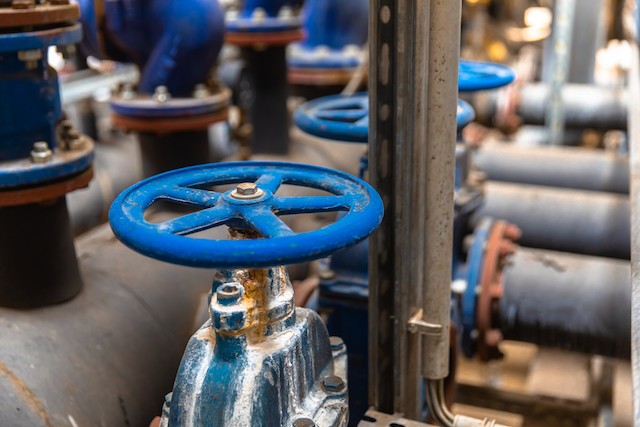
Are you having trouble choosing a valve for your engineering project? Consider a high-pressure butterfly valve.
Research shows the market for butterfly valves generated $6.24 billion in revenue in 2022. It is expected to be worth more than $14.5 billion by 2033, growing 8.1%.
The high-pressure butterfly valve offers several advantages in oil and gas, refining, chemical, and steam applications. Let’s explore the benefits of butterfly valves.
High-pressure butterfly valves stop or regulate liquids’ movement through pipes. When they are fully closed, their metal discs block the pipes. When this type of valve is opened, its disc sits at a 90-degree angle to a liquid’s or gas’s flow.
Butterfly valves may be used in any application that can handle discs in flow streams. Sometimes people use gears or handles to operate butterfly valves. Actuator devices that make objects move are used in other situations.
These valves are often used in the following types of applications:
Butterfly valves can also come in handy in vacuum service applications and slurry services.
A major benefit of high-pressure butterfly valves is their versatility.
Butterfly valves are extremely precise and respond quickly to various control signals. These valves can operate at many temperatures. High-pressure butterfly valves can also handle liquids featuring suspended solids, as well as large fluid flow rates.
Another advantage of high-pressure butterfly valves is their low closing and opening pressure levels. This makes them perfect for situations involving moderate temperatures and high pressure.
These valves’ seals are highly efficient, so they’re also a wonderful choice for distributing water on a large scale.
Butterfly valves may even help prevent the effects of a phenomenon called a water hammer.
Water hammers are surges or waves caused when liquids or gases must change direction or stop suddenly. These pressure waves can cause serious problems, including pipe rupture, pipe collapse, vibration, and noise.
Yet another reason to choose a high-pressure butterfly valve is its small size. It won’t take up a large amount of space in a pipe.
These small valves don’t require as much structural support as ball valves. Ball valves are flow control devices that use hollow, pivoting, and perforated balls to control the fluids flowing through them.
Butterfly valves are also cheaper than globe and gate valves since they have a lightweight design. A globe valve is a spherical flow regulation device, and a gate valve controls a fluid’s flow using a disc or gate.
Butterfly valves also don’t require much maintenance.
These valves don’t wear down easily, so they last longer. This decreases the operating costs associated with them. It also reduces the amount of time needed to maintain them.
Butterfly valves can regulate flow more efficiently than other kinds of valves. That’s because they contain circular plates that reduce and control flow.
Their superior flow-regulating ability makes them a top choice for water treatment and agricultural applications.
Keep in mind that butterfly valves can leave residue in pipelines.
Another reason a butterfly valve is a popular choice is that it’s an excellent pressure regulator.
Let’s say the temperature suddenly increases. The valve will break its seal, allowing for increased pressure. This leads to a partial vacuum that lasts till the pressure amount mirrors the outside air’s pressure level.
Use butterfly valves in applications involving constantly fluctuating pressure levels, too.
Butterfly valves can easily handle corrosive fluids and acids. This makes them a hardy, reliable valve option.
Brass valves are the best option in situations where corrosion can happen because brass is tough. These types of valves are often used for water purification and food manufacturing.
Don’t use a brass valve if it will be exposed to water containing high amounts of chlorine. Chlorine may damage the valve.
Butterfly valves have several other benefits.
These valves are simple to install. They can accommodate various fluids, and they operate quickly. They don’t require much time to close and open.
Butterfly valves are usually suitable for situations involving chemicals, too.
High-pressure butterfly valves are also fast and easy to open/turn. The handle’s 90-degree rotation provides a full valve opening or closure.
A butterfly valve has a shorter shaft than a gate valve. The shaft, also called the stem, connects a disc to an actuation mechanism. The actuation mechanism is the component that causes the device to operate.
This is another benefit because you’ll have less trouble accessing the valve.
A large butterfly valve usually comes with a gearbox. A handwheel is linked to the stem. This design makes the valve’s operation simple, but this type of valve isn’t as speedy as a small butterfly valve.
A disadvantage of a butterfly valve is that you can’t “pig” it for cleaning. Pigging involves using devices known as pigs to do maintenance on the valve.
A high-pressure butterfly valve offers several advantages. It is small, easy to turn, and lightweight. It is also less expensive than other types of valves.
At Everlasting Valve Company, we take pride in offering top-quality valves for numerous industry applications. The industries we serve range from power generation to cement production, petroleum production, and petroleum refining.
Get in touch with us to learn more about our valves, and request a free quote today!